
Half Their Brain Is Standing Guard, and That Is Not a Metaphor
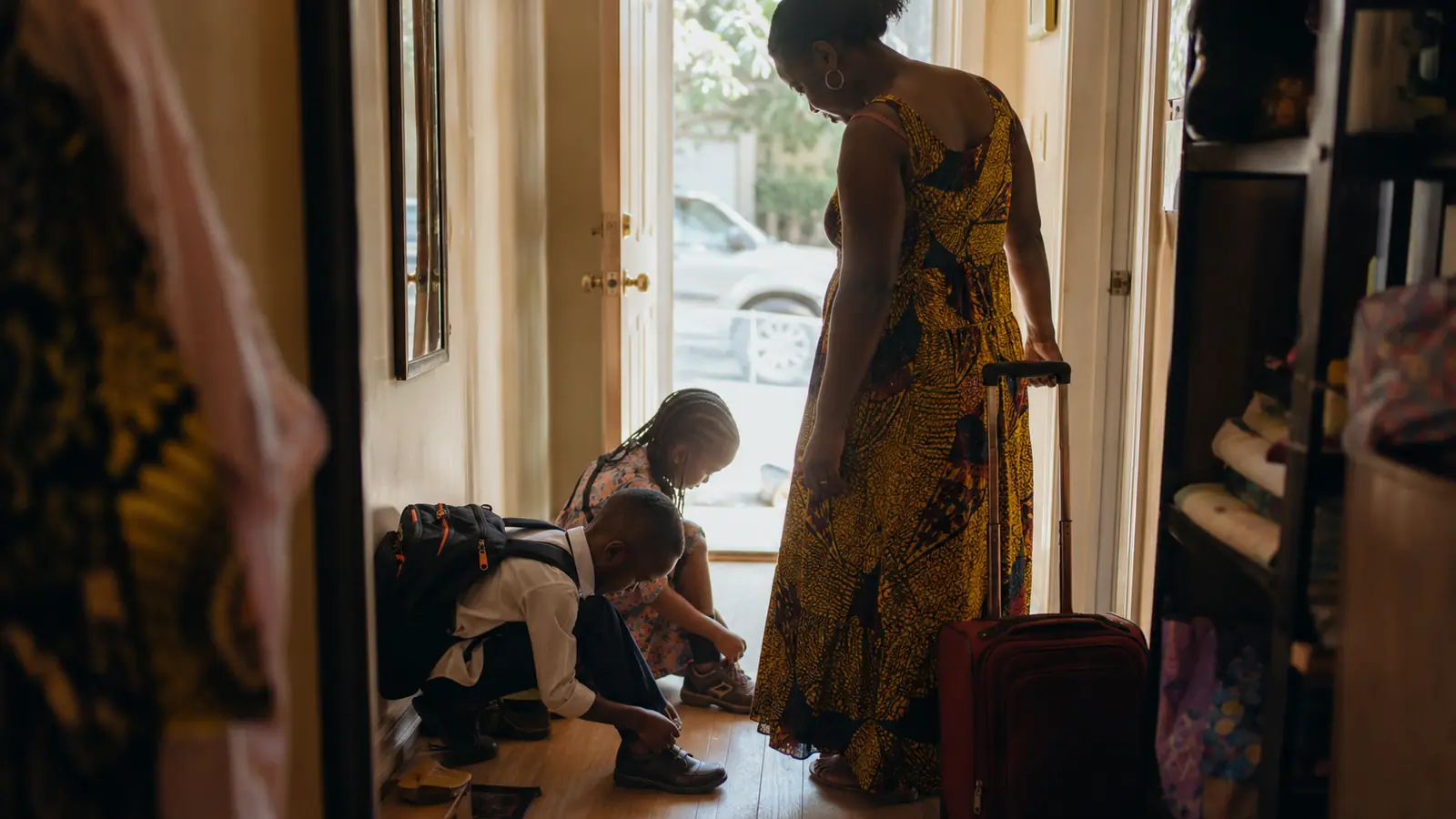
She sleeps beautifully. Everyone says so, and you have started saying it too, right up until the second night at your mother’s house when it is quarter past eleven and she is standing in the doorway of a strange room asking for a drink she does not want.
A child who will not sleep away from home is not regressing and has not been ruined by two days of chocolate. Their brain is doing something specific, and it has a name.
Adults get this too. The reason a hotel bed feels wrong on night one and fine on night two is not the mattress.
What the research found
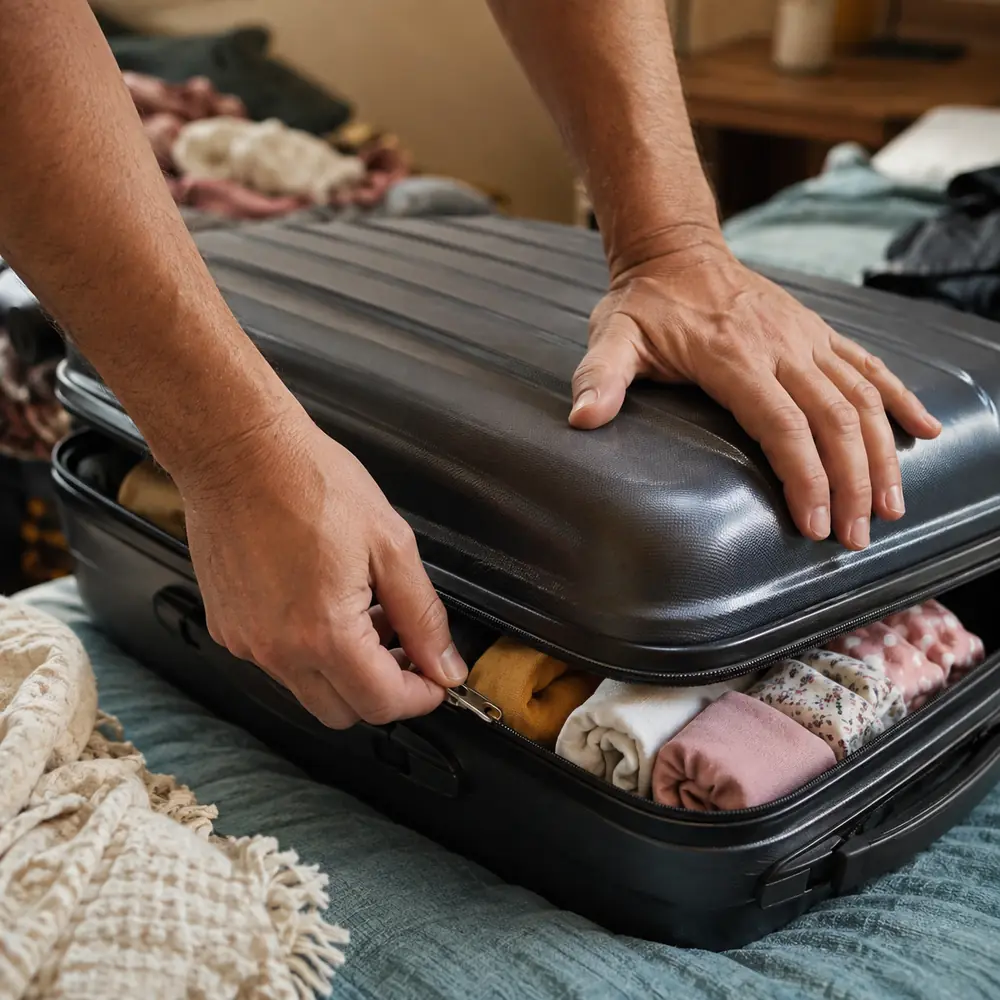
Masako Tamaki, Yuka Sasaki and their colleagues at Brown University measured what the brain does on that first night somewhere new. They published it in Current Biology in 2016. One hemisphere slept less deeply than the other, and that half responded more strongly to unfamiliar sounds. It is close to what some birds and marine mammals do, keeping one side awake on watch.
Which reframes the whole thing. You are not dealing with a behavior problem or a child being difficult about grandma’s spare room. You are dealing with a nervous system that has correctly noticed it is somewhere unknown and has raised its threshold accordingly.
Pack the smells, not the objects
The bear matters. The bear matters much less than the sheet.
Take the fitted sheet off their bed unwashed and put it on whatever they are sleeping on at the other end. Same with the sleep sack, the pillowcase, the blanket. Smell goes straight to the part of the brain that handles memory and emotion without passing through the part that thinks about it, which is why an unwashed pillowcase outperforms a suitcase of familiar toys.
Then take the sound. The white noise machine, or the same app, at the same volume. A child asleep in a quiet cottage after months of a hum in the background is being asked to sleep in an unfamiliar silence, and silence is a change like any other.
Keep the order, shorten the length
Bath, pajamas, two books, song, lights out. If that is the order at home, it is the order at grandma’s, even if the bath becomes a washcloth and the two books become one. What a young child is tracking is sequence, not duration. Change the sequence and the whole thing reads as new.
What you can drop is time. A twenty-five minute routine can be a nine minute routine with every step still present, and on a night when everyone is overtired and there are relatives downstairs, nine minutes is the realistic option.
Do not stack changes. A first night away is not the night to move a toddler out of a sleeping bag, or into a big bed, or off a bottle. Those are their own projects, and to a child they land like the regressions everyone dreads. One new thing at a time, and the room is already the new thing.
Do the room in daylight first
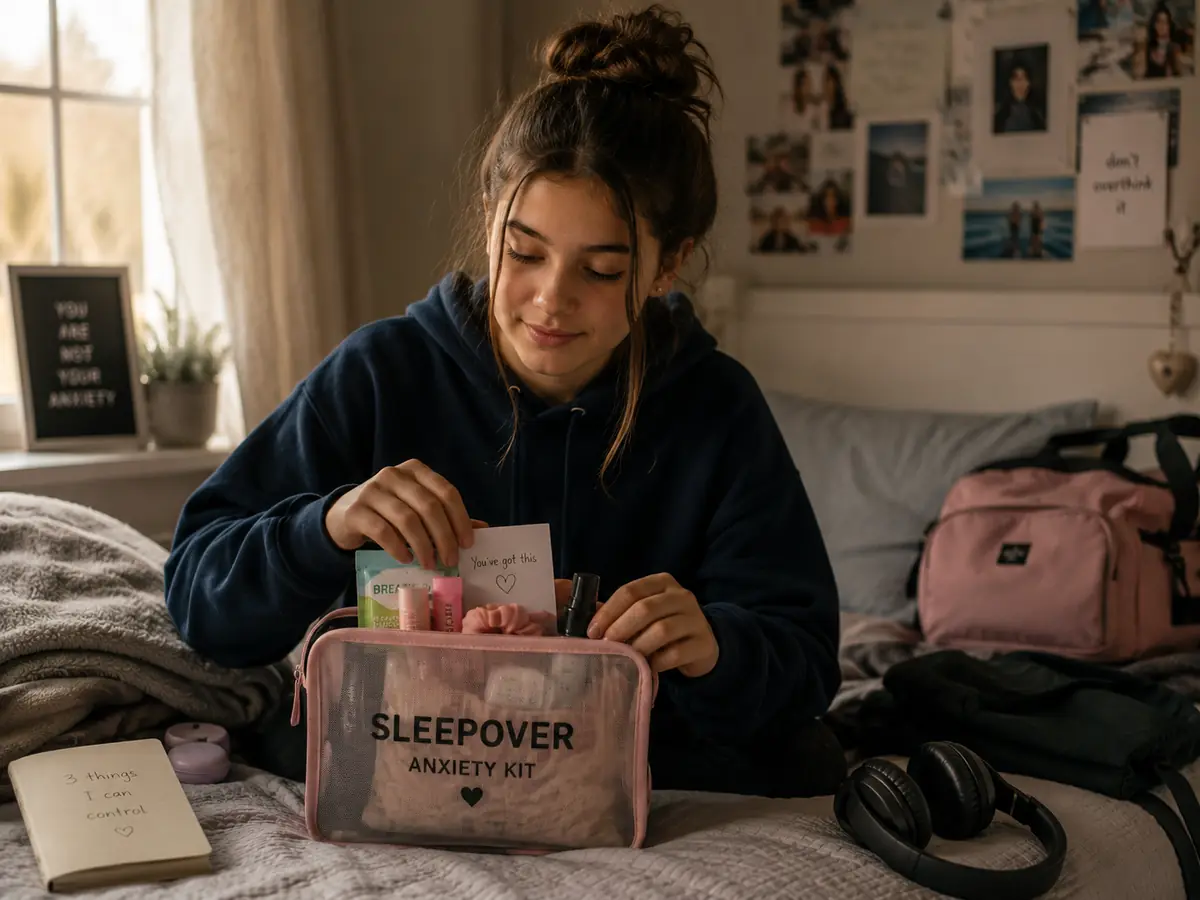
Twenty minutes of playing in there in the afternoon converts an unknown room into a known one. Let them make the bed, badly. Let them open the closet and see there is nothing in it. Point out where you will be sleeping and walk the route with them, twice, so the middle-of-the-night version is a path they have already used.
Then go and look at the room with the light off, together, while it is still early evening and nobody is tired. Shadows are much less interesting when you meet them at half past five with a parent holding your hand. This is the same principle we go into in the piece on bedtime suddenly feeling frightening, and it works in exactly the same way in an unfamiliar house.
What to expect, night by night
- Night one. Bad. Plan for it, tell your partner, tell your mother. Expecting it removes most of the misery.
- Night two. Noticeably better in most children, occasionally worse in a very young one who has now realized this is continuing.
- Night three onwards. Normal, or close to it.
- The first night home. Often rough, and it catches everyone out. Their own room is now the changed one. It resolves in a day.
Which is why a single overnight stay is, oddly, the hardest version. You get night one and the night home, and nothing in between. Two nights away is easier than one, and four is easier than two.
The other adults in the house
Half of the difficulty at grandparents’ houses has nothing to do with the room. It is somebody offering a cookie at seven, or saying she is fine, leave her, or putting the television on because the child is sad. None of it is unkind and all of it lands on you at midnight.
Say the bedtime out loud when you arrive, once, in a friendly voice, and give them a job inside it. Grandad does the story. That converts the person most likely to derail the routine into part of the routine, which works better than any conversation about rules. If it goes further than that, the wider version of that negotiation is here.
And if the whole thing falls apart at two in the morning and she ends up in your bed, that is not a precedent, it is a Tuesday in someone else’s house. Go home, run the normal routine for three nights, and it closes over.
Leave the first comment
Share your thoughts
Frequently asked questions
Because of what researchers call the first-night effect. In an unfamiliar room part of the brain stays more alert and reacts more strongly to unexpected sounds, so sleep is lighter and more broken. It settles by the second or third night.
The unwashed sheet or sleep sack from their own bed, their usual white noise at the usual volume, and something to black out the window. Smell and sound do more than familiar toys, and spare rooms are almost never dark enough.
Keep the same order of steps but feel free to shorten each one. Young children track the sequence rather than the length, so a nine minute version of the usual routine works far better than a different twenty minute one.
Usually yes. A single overnight gives you the difficult first night plus a difficult first night back home, with no easier nights in between. Two or three nights away often goes better than one.
No. One or two nights in unusual circumstances rarely creates a lasting habit. Return to the normal routine for a few nights once you are home and it settles back on its own.

I'm for the parent whose mornings keep falling apart. I didn't train in ADHD - I lived it with three kids, then read the actual studies, so what you get here holds up in a real kitchen at 7:50 a.m. Specific, tested at home, never preachy.
More from MarcusWhat's the one thing that calmed the chaos in your house?
No right answers here - tell us how it went. Someone reading needs to hear it.
Join the conversation