
It’s Twenty-Eight Degrees Out. The Wind Decides What Happens Next.
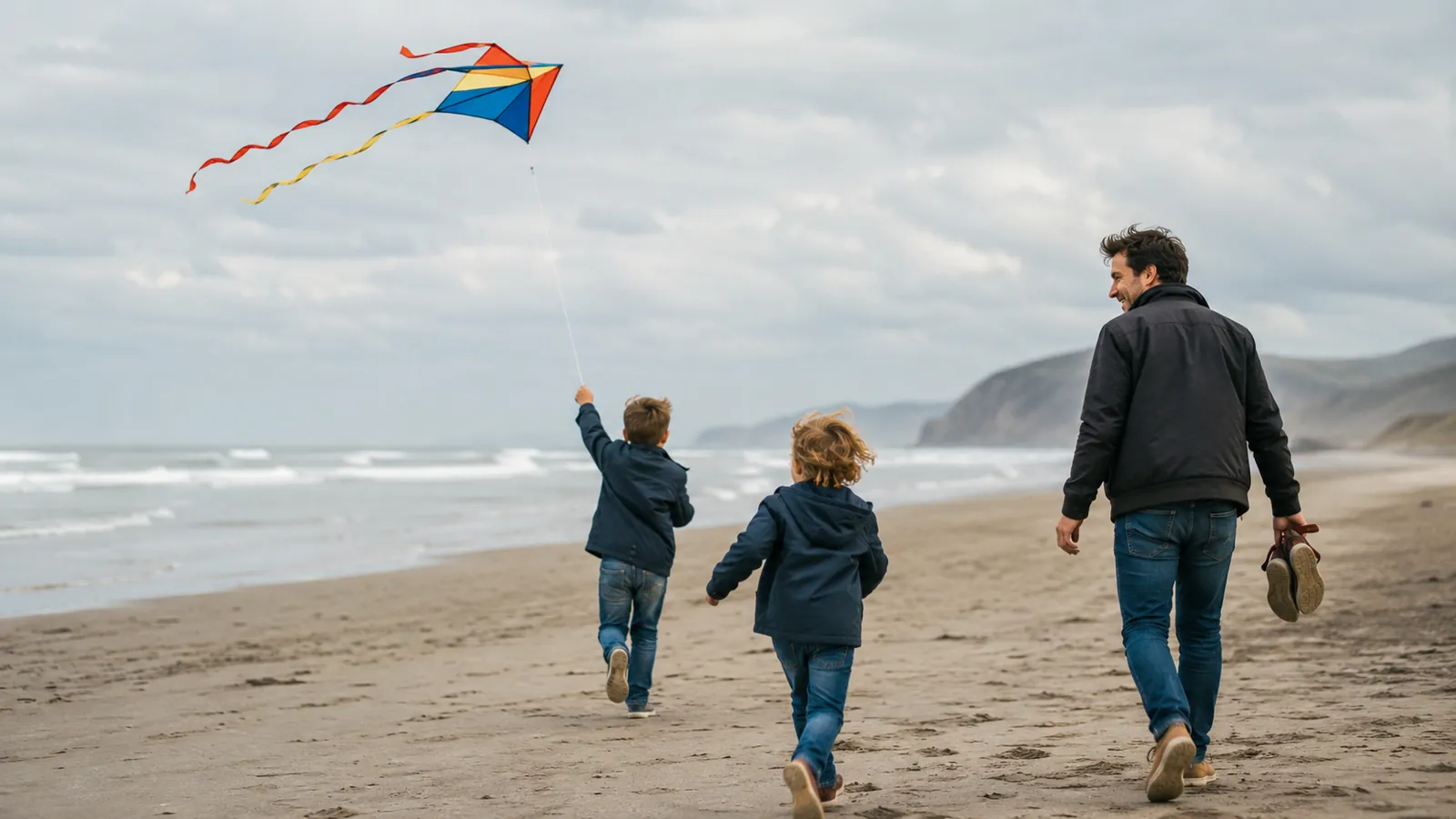
Your son is standing at the door with one boot on. He wants to know why you’re still staring at your phone instead of walking outside. The screen says twenty-eight degrees. That number alone doesn’t tell you much.
Twenty-eight degrees can feel like nothing on a calm, sunny day. It can also cut through three layers when the wind won’t quit. Same thermometer. Two totally different afternoons.
The number that actually decides this isn’t on your lock screen. You have to tap through to find it. Once you know to look, you stop guessing.
Why the temperature on your phone isn’t the whole story
That number on your lock screen is air temperature. It measures how cold the air is, standing still, in the shade. It says nothing about how fast that air is moving past your kid’s skin.
Wind pulls warmth off a body fast. Still air doesn’t. That’s wind chill: what the cold feels like on skin, not what a thermometer reads on a pole somewhere. A calm twenty-eight degrees and a windy twenty-eight degrees are two different days, even though your phone shows the same number for both.
This same number decides whether a coat is doing its job. That’s a separate fight from how cold it is outside. If yours keeps shrugging a jacket off at the door, our full breakdown of layering for winter covers that battle on its own.
So what’s the actual cutoff?
Once you’re asking how cold is too cold for kids to play outside, wind chill is the number that answers it, not air temperature. Pediatric guidance draws a hard line at -15°F wind chill. Skip outdoor play completely. Skin can start to freeze in minutes at that point.
Most days never get close to that. The useful numbers sit higher up. Boys Town National Research Hospital’s cold weather scale calls 30°F and above the safest zone. It treats 20°F to 30°F as a caution zone that still works fine with breaks. Under 20°F, start pulling kids inside more often, warming up every 30 to 60 minutes instead of playing straight through.
Schools use similar lines. One Illinois district’s severe weather plan keeps recess normal above 10°F wind chill. Between 0°F and 10°F, kids rotate: 20 minutes outside, 20 minutes back in. Below zero, the whole day stays indoors. None of this is exact science. Treat it as a rough floor for a well-dressed, healthy kid. Every kid and every day is a little different.
Little kids run out of warm faster than you do
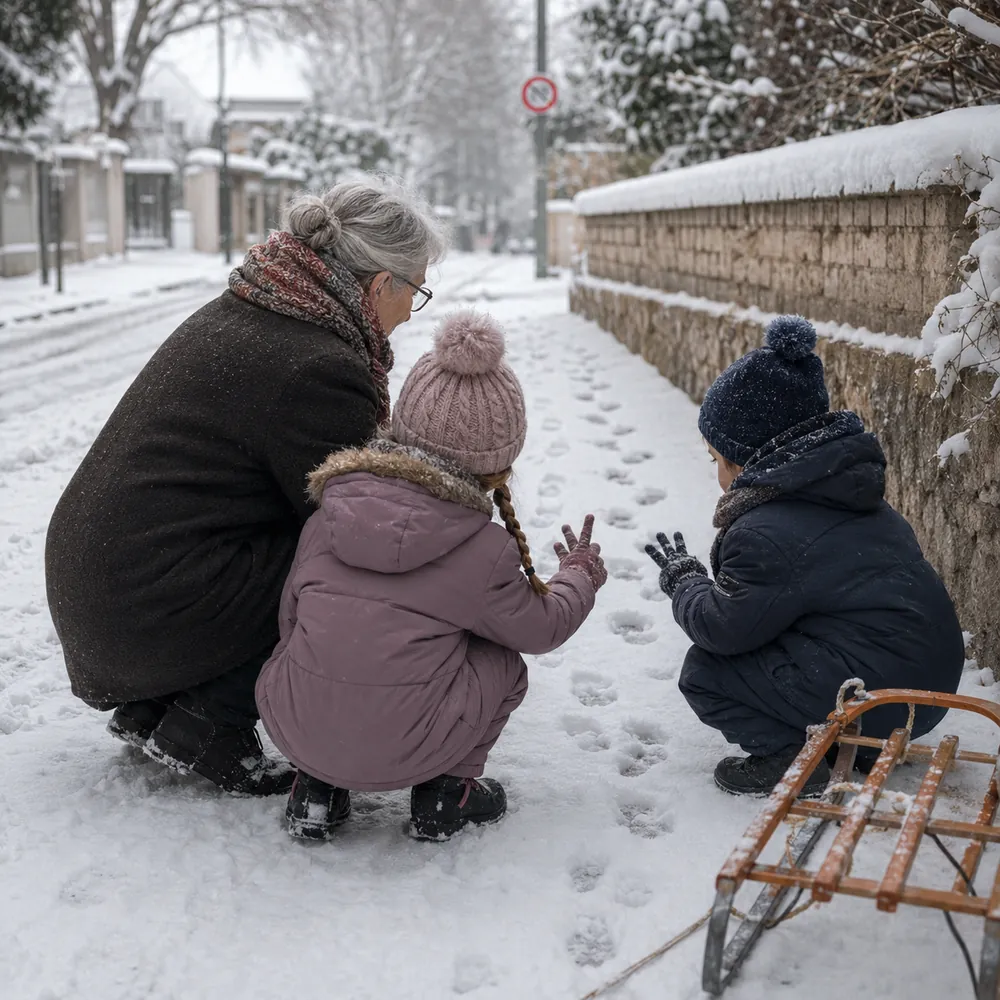
A toddler standing next to you in the same jacket weather isn’t having your afternoon. Smaller bodies lose heat faster for their size. A temperature that feels mild to you can already be pushing a two- or three-year-old toward shivering.
Babies are the extreme version of this. They can’t zip up a coat. They can’t ask for a break or tell you their hands went numb ten minutes ago. The only signal you get is what you can see: color, movement, sudden fussing. A baby in a stroller needs more layers than the adult pushing it, plus a wind block over the whole seat. A hat alone won’t cut it.
Coat refusal doesn’t help the math either. A toddler who yanks the zipper down the second you look away is fighting you on the exact days the extra layer matters most.
Wet beats cold, every time
None of those numbers mean much once gloves or boots are wet. A soaked mitten pulls heat out of a hand faster than dry air ever would. A kid who’s fallen in wet snow twice in ten minutes is colder right now than the thermometer suggests.
Wet, cold gear speeds up how fast a body loses heat it can’t easily make back. That’s the real risk here. Cold air alone doesn’t cause a cold. A virus does, and the actual reason kids seem to catch every bug going around is worth its own read if that’s the worry keeping you inside.
Snow pants and waterproof gloves matter more on a wet, packing-snow day than a dry, cold one. If everything on your kid is soaked through, that’s your cue to head in, even if the app still looks fine.
The checks that tell you it’s time to go in
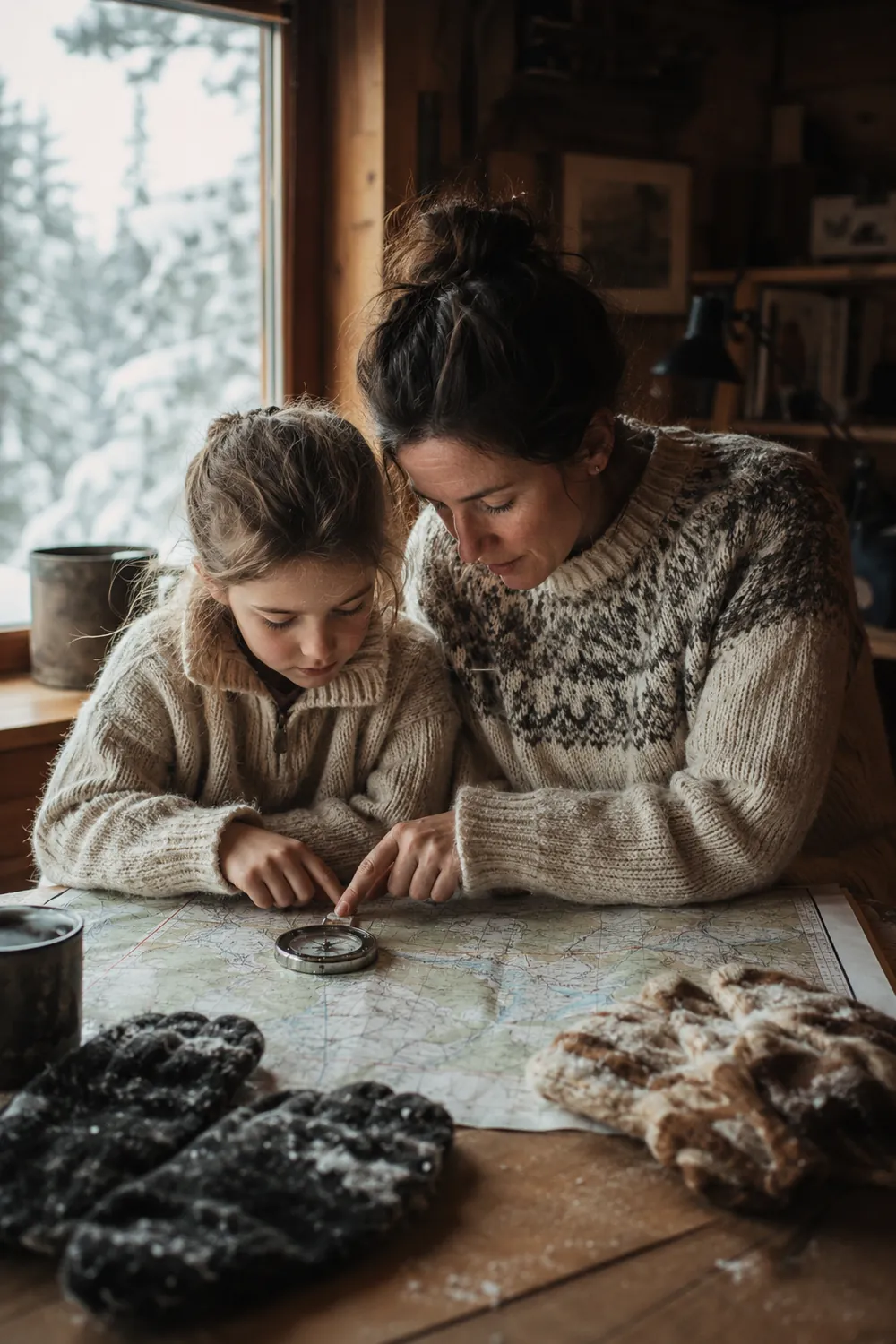
Skip the clock and watch four things instead. Cheeks or noses turning bright red or white. Hard shivering that won’t stop when you ask. Gloves or socks soaked through. A kid gone quiet and clumsy instead of loud and clumsy. Any one of those means the outdoor stretch is over, whatever the timer in your head still says. Trust what you’re seeing right now over whatever plan you had going in.
A kid who whines the second you say “five more minutes” isn’t necessarily cold. Sometimes it’s genuinely too cold. Sometimes it’s a meltdown about the fun ending. Telling those two apart matters. One needs a warm drink. The other needs you to hold the boundary anyway.
Bring them in. Get the wet layers off right away. Let hands warm up on their own instead of running them under hot water, which can hurt on skin that’s already cold. A warm drink and a few quiet minutes usually reset things fast.
Get them outside anyway, most days
Most winter days sit nowhere near that -15°F line. Most winter days are still a yes. A short stretch outside, done in real gear, beats another indoor afternoon more often than the weather app makes it look.
Sledding, tracking footprints in fresh snow, or just walking the block all count. A hill day brings its own risk list. What makes a sledding hill safe is worth a look before you head out. So is a quick check of how a coat and a car seat buckle work together if you’re driving anywhere to reach the snow.
Check the wind chill. Dress for the number you found. Let the rest of the afternoon happen. Cold hands come inside. Everything else can stay out a while longer.
Leave the first comment
Share your thoughts
Frequently asked questions
Once the wind chill drops below -15°F, pediatricians say to skip outdoor play completely, since skin can start to freeze within minutes. Above 20°F, most healthy kids in real winter gear are fine for a normal stretch. Between 0°F and 20°F, keep the time shorter and check in often for cold cheeks or wet gloves. Below 0°F, many schools keep recess indoors.
Toddlers lose heat faster than older kids and can’t always tell you when they’re cold, so treat the usual cutoffs a notch more cautiously. Many families bring toddlers in once the wind chill nears 20°F, watch for red cheeks and clumsy movements, and keep outdoor stretches closer to 15 to 20 minutes at a time.
It comes down to wind chill more than the plain air temperature on your phone. A calm, sunny 25°F afternoon is a fine day to go out. A windy 25°F afternoon can already sting exposed skin, so check the wind chill number specifically before deciding how long to stay out.
Pediatric guidance draws the hard line at -15°F wind chill, where skin can begin to freeze in minutes and outdoor play should stop entirely. Many schools move recess indoors somewhere between 10°F and 0°F wind chill, a more cautious, everyday cutoff they use well before conditions turn into an emergency.
Watch for bright red or white cheeks and noses, hard shivering that doesn’t stop, wet gloves or socks, and a kid who’s gone quiet and clumsy instead of loudly running around. Any one of those is your cue to head in, warm up, and change out of anything damp right away.

I'm for the parent about to spend money they're not sure about. I buy the gadget, live with it, and give you the honest verdict - including the 'don't'. I've burned through enough hype to save you the cash, and when something truly earns its place, I'll show you exactly why.
More from TylerWhat's the one thing that calmed the chaos in your house?
No right answers here - tell us how it went. Someone reading needs to hear it.
Join the conversation