
Her Cheeks Turned White and She Never Said It Hurt
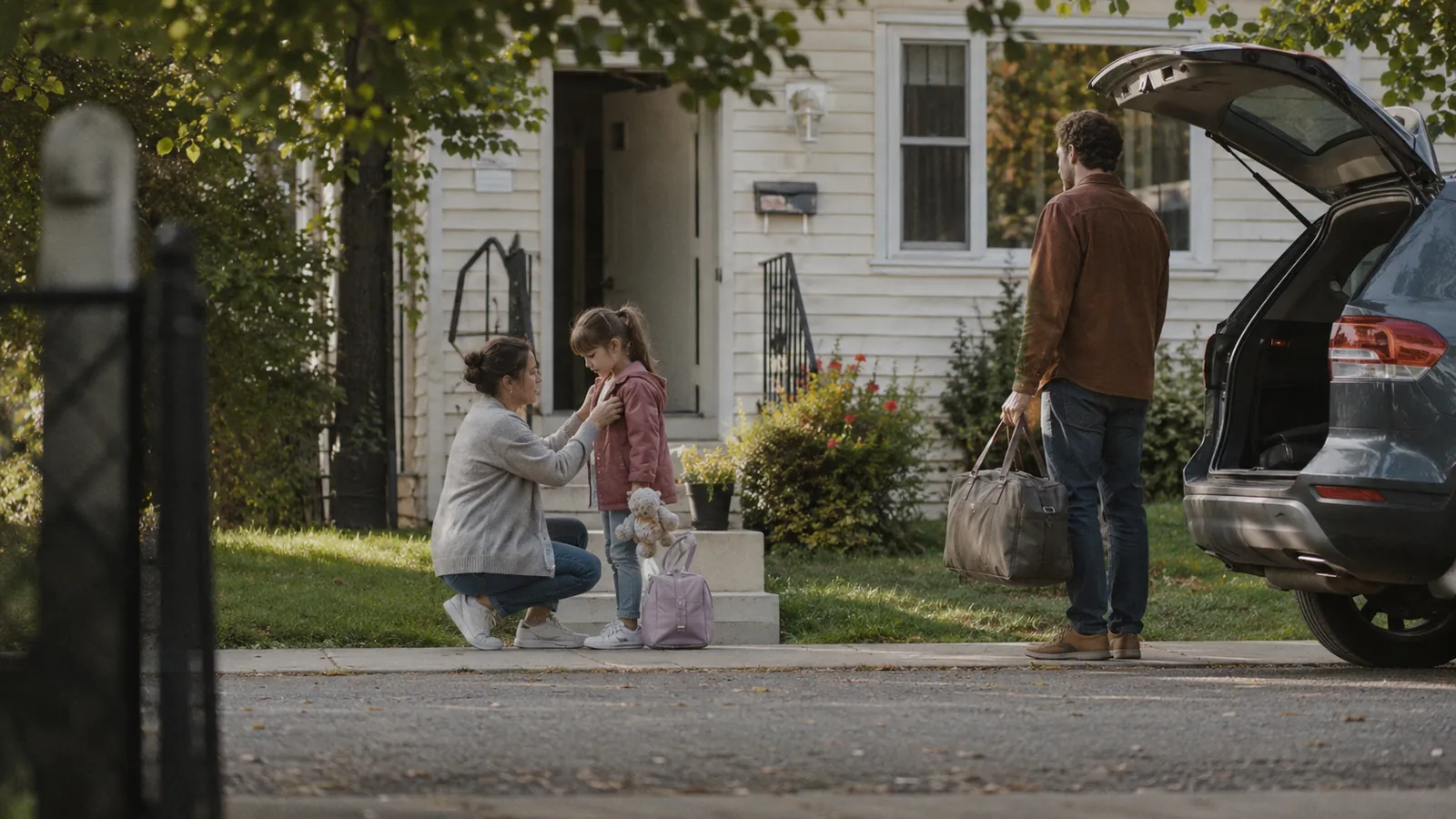
Forty minutes on the sled hill and her cheeks went that bright red you almost like seeing on a kid. Then you get her inside and peel off the mittens. Her fingers are pale and stiff instead, and she tells you they do not hurt anymore.
That not-hurting part is the one to sit up for. Pain fading while skin stays cold and white is often a warning sign. It can mean plain frostnip is turning into frostbite in kids, and a quiet five-year-old is not always a fine one.
You do not need a full checkup over every rosy cheek this winter. You do need to know the few signs that mean warm her up at the sink right now. You also need the smaller list that means stop and call someone instead.
Why cold gets to kids faster than it gets to you
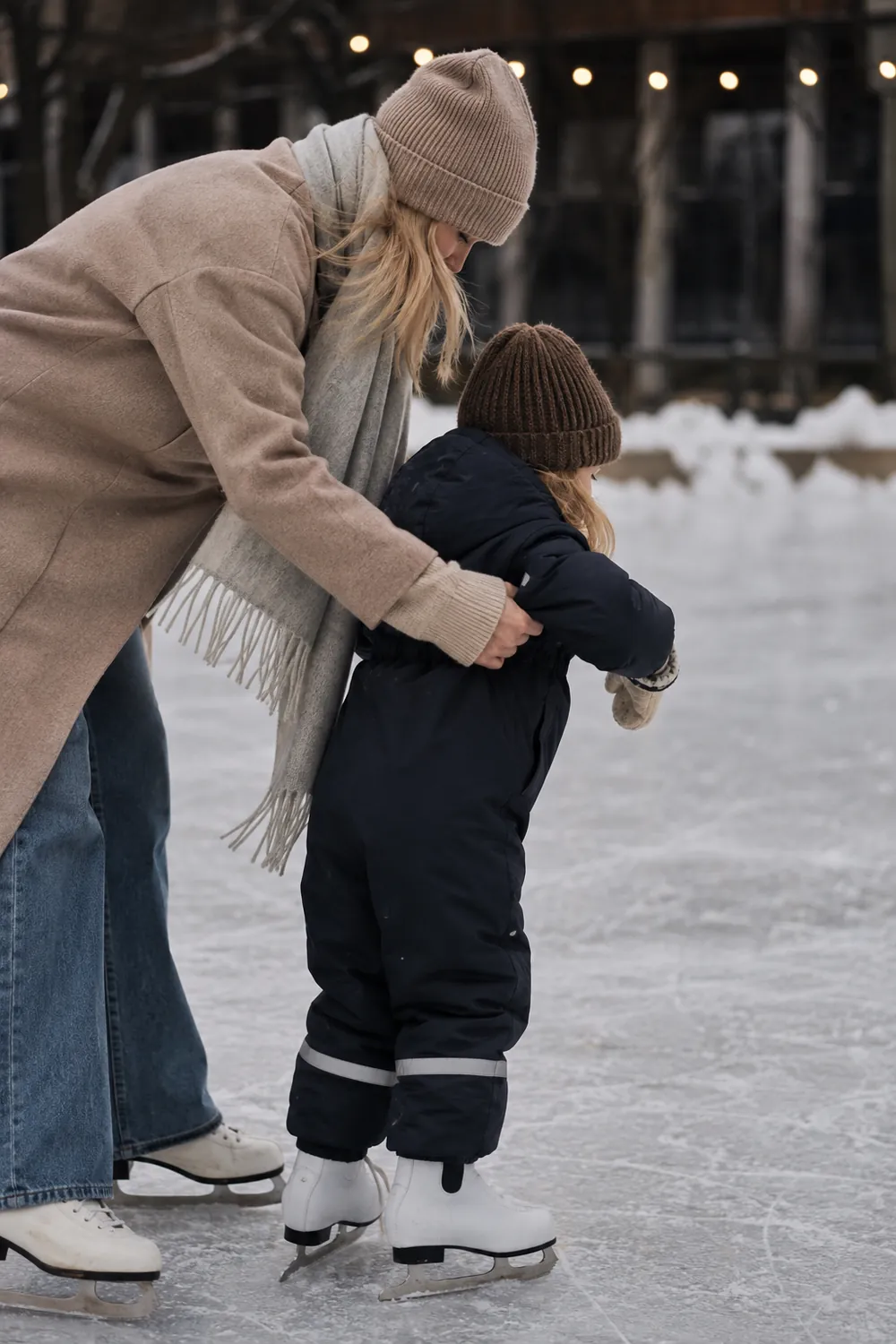
A kid loses heat from bare skin faster than an adult does. That is a big part of why the same twenty minutes outside can hit her so much harder than it hits you. Wind chill below freezing pushes that along. So do wet clothes and any skin left uncovered, per the CDC’s own guidance on preventing frostbite.
Add in a kid who will not admit she is cold until her lips turn a shade you do not like. That is a second problem stacked on the first. If getting mittens to actually stay on is already a nightly fight, that battle is worth winning before the temperature drops any further this season.
A day that reads twenty degrees on the thermometer can feel much colder once wind gets involved. That gap between the number and the feel is where a lot of these injuries start.
How can you tell frostnip from frostbite?
Frostnip is the everyday version. It is the one most kids who play outside all winter will get at some point. Skin turns red, then pale, stings or tingles, and goes numb. It bounces back once you warm it up and does not damage the skin underneath.
Frostbite is different because the skin itself starts to freeze. Boston Children’s Hospital explains that it happens when skin stays below 32 degrees for too long. Skin reddens first, then turns white, hard and swollen, most often right at the tips of cheeks, ears, nose, fingers and toes. Frostnip is the same pattern in a milder, shorter dose.
The order usually runs a burning or stinging feeling first, then numbness, then skin that looks hard, pale and cold to the touch. Once it starts to thaw, at home or at the doctor’s office, the skin often turns red. It can stay sore for a while before it heals.
What it looks like on cheeks, ears, fingers and toes
Cheeks, ears, the nose, fingers and toes take the worst of it. Those are the parts of a kid’s body a coat cannot fully cover. On cheeks and ears, watch for skin that goes from red to pale or waxy white, especially if she stops complaining about the cold in that one spot.
On hands, the giveaway is often behavior before it is color. A kid who suddenly stops using her fingers, drops things, or refuses to take her mittens off may already be past ordinary cold hands. Feet are harder to check mid-outing. That is exactly why boots come off the second you are back inside.
A lot of what shows up on a kid’s face after a long day outside is plain wind damage, not frostbite. Our guide to the chapped, cracked cheeks and lips cold air causes covers how to tell that apart and treat it. It is a different problem than the one this piece is about.
The right way to warm her up, and what never helps
The second she is inside, wet gear comes off. Coat, boots and mittens get swapped for something dry, and that step alone does more than people expect.
For skin that is cold, pale or numb, warm it gently instead of blasting it with heat. The American Academy of Pediatrics recommends water around 104 degrees Fahrenheit, about as warm as a hot tub. The goal is warm, never hot. Soak the area gently until color and feeling come back, and give her something warm to drink while you wait.
A mug of something warm afterward gives her a reason to sit still while the warming happens. That stillness matters almost as much as the drink. Our piece on building a simple hot chocolate bar is worth keeping stocked all winter for exactly this.
When this turns into an urgent care or ER visit
Most cold cheeks and stiff fingers warm up fine at the sink and are back to normal within the hour. A smaller number of kids need more than that. Knowing the difference matters more than getting every step of home care perfect.
Call your pediatrician or go in now if a blister forms. Also call if skin stays hard, white or grayish despite gentle warming, or if numbness has not faded back to normal feeling. The AAP is blunt about that last part: call your doctor if numbness continues for more than a few minutes.
Skin that is just dry and cracked from indoor heat, rather than truly frozen, is a separate problem with its own fix. Our guide to winter eczema in toddlers covers that side of dry-season skin. If the injury happened on a school day, you may already be weighing tomorrow’s drop-off. The same daycare and school judgment calls you would use for any illness apply here too.
Dress her one layer heavier than you would dress yourself
The rule of thumb doctors give for babies and young kids is simple: one more layer than an adult would wear in the same weather. It holds up better than any thermometer reading. Check hats, mittens and boots before she is out the door, not after she is already asking to go back outside.
If she is getting buckled into a car seat in that same puffer coat, check it first. Our two-second test for whether a winter coat is too bulky for the straps is worth doing before you pull out of the driveway.
Keep checking her hands and cheeks every so often once you are out there. Bring her in the second something looks different, instead of waiting for her to say so.
Leave the first comment
Share your thoughts
Frequently asked questions
Cheeks usually go from wind-burned red to pale, waxy white or grayish, and the skin can feel hard to the touch. A child may say it burns at first, then stop complaining once the spot goes numb. That drop in complaining matters more than the redness does.
Bring her inside, remove wet mittens, and soak her hands in warm (not hot) water, about 104 degrees Fahrenheit, until color and feeling return. Never rub the skin or use a heating pad. Call your pediatrician if a blister forms or numbness does not fade.
Watch for a child who suddenly refuses to walk, stops complaining about cold feet, or has skin that looks pale, white or grayish once boots come off. Carry her instead of letting her walk on numb feet, and rewarm them slowly in warm (not hot) water once inside.
Frostnip is the milder, far more common version of cold injury. Skin turns red, then pale, stings or tingles, and goes numb, but it recovers fully once warmed and leaves no lasting damage. It is uncomfortable rather than dangerous, though it is worth watching in case it worsens.
Look for pale, gray or waxy skin, hardness, blistering and numbness, usually on cheeks, ears, fingers or toes. Call your pediatrician or go to urgent care if a blister forms, skin stays hard and discolored, or numbness lasts more than a few minutes after warming.

I'm for the parent watching a feeling they can't name and wondering if it's normal. I've spent years close to the child-mental-health research and the specialists behind it, and I carry the heavy parts into plain language. I won't diagnose your child - I'll help you see what you're looking at, and say honestly when it's time to ask someone in person.
More from SofiaWhat's the one thing that calmed the chaos in your house?
No right answers here - tell us how it went. Someone reading needs to hear it.
Join the conversation