
He Has Two of Everything and Your Mother Wants a List by Friday
You have been staring at the same four websites for twenty minutes. Everything you click, he owns a version of.
The instinct is to find a cleverer object. That is the trap, and it is why the closet is full of cleverer objects nobody has touched since February. The gifts that land for a child like this are the ones that are not another thing on a shelf: something that gets used up, something that replaces what he already uses, content for a device he owns, or a day out instead of a package.
Why another object is the wrong answer
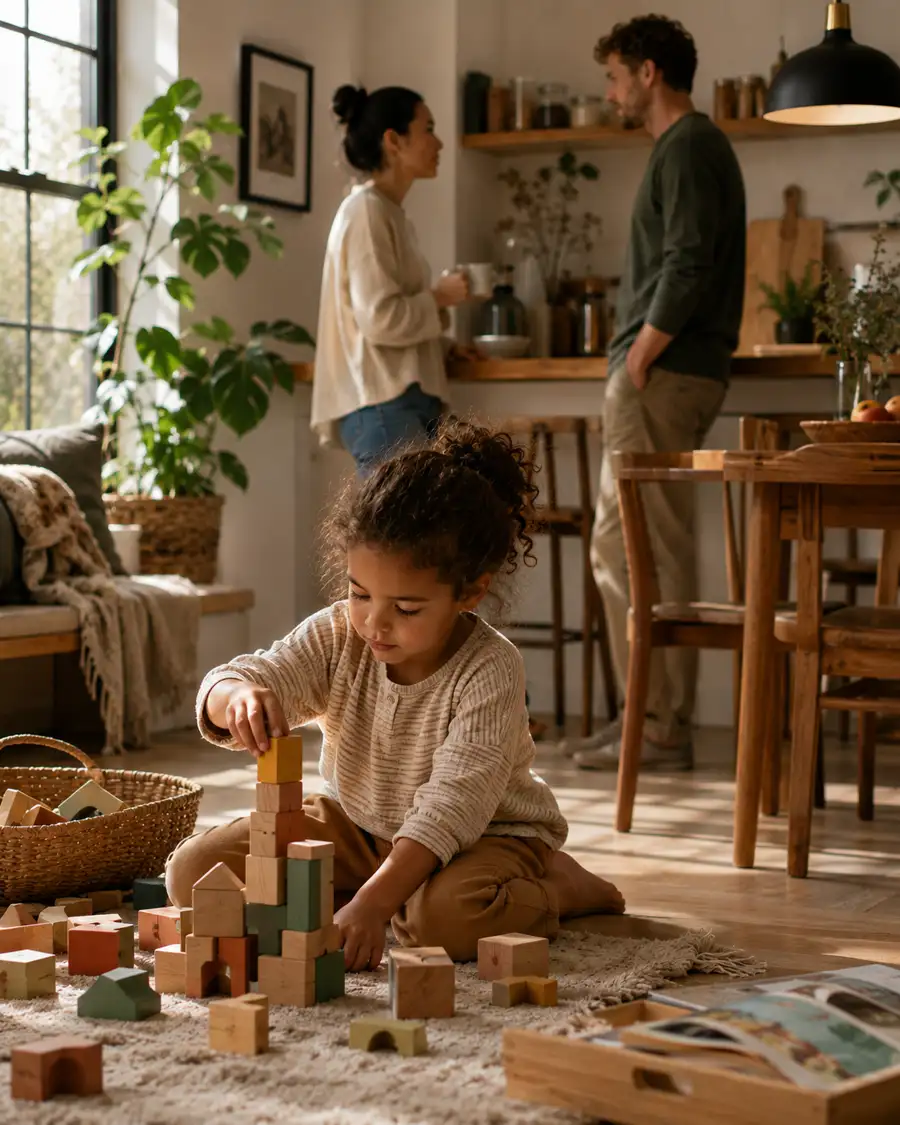
There is a study on this, and it is unusually clean. Researchers at the University of Toledo watched 36 toddlers play twice: once with four toys in the room, once with sixteen.
With four, the children played with each toy for longer and in more different ways. With sixteen, they skimmed. The paper is careful about what it proves, but the direction is clear enough to shop by.
So the child who has everything is not short of options. He has too many, and a seventeenth is worth less than the sixteenth was. That is the whole reason this list looks different from the others. If the floor is already the problem, the thinning-out guide is the companion piece to this one.
Things that get used up
A consumable cannot become clutter, because in three weeks it is gone. That sounds like a downside and it is the opposite.
Baking kits, a big pad of proper paper, modeling clay, a bag of plaster and molds, seeds and a pot. None of it survives to February, all of it produces an afternoon. Grandparents tend to hate this suggestion and then report back that it went well.
The same logic runs through the screen-free list, most of which is things to do rather than things to keep.
Upgrades, not additions
The trick here is to replace something he uses every day with a better version, then get rid of the old one. Net objects in the house: zero.
A proper water bottle instead of the leaking one. A real flashlight instead of the plastic one. Binoculars that really focus.
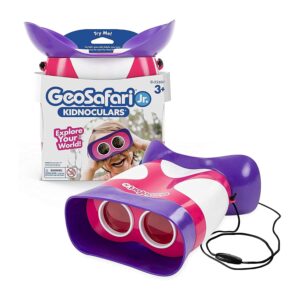
Educational Insights GeoSafari Kidnoculars Pink
As an Amazon Associate, Decoded Kids earns from qualifying purchases. Price checked live on Amazon.
These are the example I keep coming back to, because they are a tool rather than a toy. They go outside, they get used on a walk, and a child who owns every plastic thing going usually does not own one of these. Twenty-four thousand reviews suggest other people found the same.
Content for the thing he already owns
If there is a story player, a console, a bike or a craft kit in the house, buying for that thing beats buying another thing. You are extending something he has already chosen.
Story cards are the clean example. They take no shelf space, they get used at bedtime, and the player was the expensive bit and it is already bought. If you are choosing the player itself rather than cards for one, that is a separate decision with its own guide.
The ones that are not things at all
This is where the good answers live, and none of them arrive in a box.
A membership to the zoo or a climbing wall. Six weeks of a class he chose. Tickets to something, with a date already on them. A morning where he picks what the family does, written on a card so it is real.
The catch is that an experience feels thin on the day if it is the only package. So wrap something small alongside it. A card with a photo of the place, a flashlight for the trip, one chocolate thing. Children are not against experiences, they are against having nothing to open.
And if the number of packages is the pressure rather than the content of them, the four gift rule is a way of deciding that once instead of every December.
The thing nobody wants to say out loud
Some of this is not about him. A child with everything usually has adults around him who are competing a bit, or making up for something.
That is not a criticism. It is just useful to name, because it explains why the pile keeps growing when everyone agrees it should not. A grandparent who lives far away buys things instead of time. A parent who worked late all November buys the big one.
If any of that is you, the fix is not guilt. It is swapping the spend. Same money, different shape. A zoo pass you go to together, or a Saturday morning class you drive him to, does the job the package was trying to do.
And it lands better. He will not remember the sixteenth thing. He will remember that you went.
Before you buy anything
Go and look at what he actually played with in the last month. Not what he asked for, what he used.
For most children it is three or four things, and they are rarely the expensive ones. Buy near those, or buy an afternoon instead. The list your mother wants by Friday can honestly be quite short.
Leave the first comment
Share your thoughts
Frequently asked questions
Something that is not another object. Consumables that get used up, an upgrade that replaces something he uses daily, content for a device he already owns, or an experience with a date on it. A seventeenth toy is worth less to him than the sixteenth was.
A 2018 study of 36 toddlers compared a room with four toys to one with sixteen. With fewer toys, children played with each one for longer and in more varied ways. It is a small study, but it matches what most parents notice on a quiet afternoon.
Only when there is nothing to open. Wrap something small alongside it, like a photo of the place, a card with the date, or one thing connected to the trip. The opening is the ritual, and the experience is the gift.
Do not tell them what not to buy. Give three specific suggestions with a price range and a link, because vagueness is what produces the enormous plastic thing. Most relatives are relieved to be told exactly what will land well.
Take it seriously rather than talking him out of it. Children often want the better version of a thing they use constantly, which is exactly the upgrade approach. Buy it, and pass the old one on so the total in the house stays the same.

For nearly two decades I was the youth mentor across from the angry kid, the silent one, the parents out of ideas. I write the way I listened - slow, steady, never from above. If tonight feels heavy, I hope this felt like having someone in the room.
More from TheoWhat's the one thing that calmed the chaos in your house?
No right answers here - tell us how it went. Someone reading needs to hear it.
Join the conversation