
Sleep Regression Isn’t Your Baby Going Backwards. It’s Their Brain Growing Up

For four months your baby slept like a small, reliable miracle. Long stretches, easy wake-ups, the kind of nights that made you cautiously smug at the pediatrician’s office. Then, seemingly overnight, it all fell apart: waking every two hours, fighting naps, up at 4am and ready to party. The word everyone hands you is “regression,” which sounds like something broke.
Nothing broke. If anything, your baby just leveled up, and the word we use for it is doing you a disservice.
Why “regression” is the wrong word
A regression implies a step backward, a skill lost. What is happening at four months is the opposite: your baby’s brain is maturing. Their sleep is restructuring into the same architecture yours has, cycling through lighter and deeper stages. The catch is that between those cycles there is now a brief surfacing toward wakefulness, and a baby who never learned to drift back down will fully wake up and call for you instead.
That is why this one feels so brutal and so permanent compared to the others. Later regressions around eight, ten, and eighteen months are usually tied to something temporary, a developmental leap, a new tooth, separation anxiety, a growth spurt. The four-month shift is biology rewiring the machine for good.
As an Amazon Associate, Decoded Kids earns from qualifying purchases. Price checked live on Amazon.
What is really going on when they wake
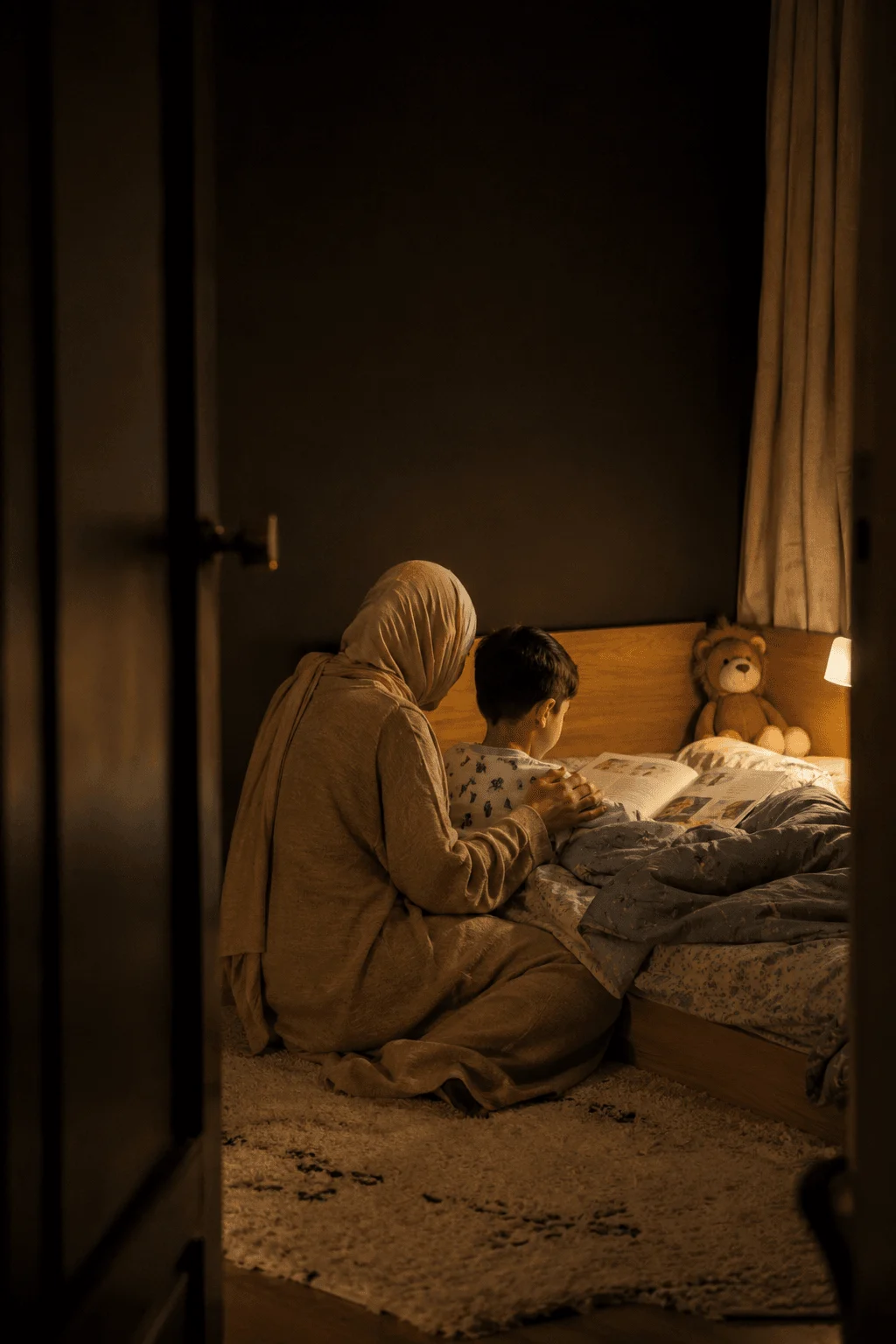
Once you see it as new wiring rather than a broken night, the 4am wake-ups make a different kind of sense. Your baby is not being difficult. They are hitting the seam between two sleep cycles, surfacing the way we all do several times a night, and then discovering they do not yet know how to knit the next cycle on themselves.
Most of the other reasons a small child wakes still apply on top of this, and it is worth ruling them out before you assume it is purely the regression; our rundown of the real reasons a child won’t sleep covers the usual suspects. But the core work of this particular phase is helping a baby practice the one new skill the rewiring just handed them: falling back asleep from a light, wakeful moment.
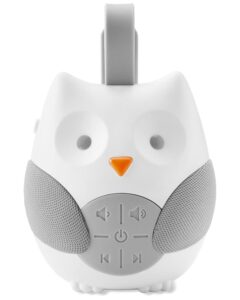
Skip Hop Portable Baby Sound Machine
What helps
Because the change is permanent, the goal is not to get the old sleep back. It is to help your baby settle into the new normal. A handful of unglamorous things do most of the work.
- Protect the wind-down. A short, boring, identical routine every night tells a maturing brain which direction it is heading. Dark room, low stimulation, same order every time.
- Give the drowsy window a chance. Laying a baby down calm but still awake, when you can, is how they get reps at the falling-asleep skill the new cycle now requires.
- Watch the wake windows. An overtired four-month-old fights sleep harder, not less, so a slightly earlier bedtime often helps more than a later one.
- Ride it out with consistency. Two to six weeks feels endless at 4am, but the adjustment does pass. Changing tactics every night is what tends to stretch it out.
And if a sudden change in sleep comes with fever, real distress, or anything that feels like more than a phase, that is a call to your pediatrician, not a regression to wait out. Sometimes what looks like a sleep problem is fear or discomfort wearing a costume.
It’s growth, not a glitch
The kindest reframe here is also the most accurate one. Your baby did not lose the ability to sleep; they gained a more grown-up brain, and the two of you are just negotiating the terms. The nights are hard and they are also temporary, and on the other side is a child whose sleep works the way yours does. That is not a regression. That is growing up, on schedule, at the least convenient possible hour.
Frequently asked questions
It is the point around four months when a baby’s sleep permanently reorganizes from the simple newborn pattern into mature cycles of light, deep, and REM sleep. Between cycles they now briefly surface toward wakefulness, and a baby who has not learned to resettle wakes fully. The rough patch lasts about two to six weeks, but the change in sleep architecture is permanent.
Most last roughly two to six weeks. The four-month one feels different because the underlying change is permanent, so you are helping your baby adjust to a new normal rather than waiting for the old sleep to return. Later regressions at eight, ten, or eighteen months are usually tied to temporary things like teething or a developmental leap and tend to pass faster.
You do not have to, and harder sleep training is not the fix the word “regression” implies. The most helpful moves are gentle and consistent: a steady wind-down, an occasional drowsy-but-awake lay-down so they practice resettling, sensible wake windows, and riding out the couple of weeks without changing tactics every night.
No. Melatonin is not appropriate for babies, and even for older children it is an unregulated supplement that pediatricians urge caution with. A sleep regression is a developmental phase to support with routine and patience, not something to medicate through. If you are worried, talk to your pediatrician.
Ordinary regressions are just disrupted sleep with an otherwise well, feeding, growing baby. Call your pediatrician if the sleep change comes with fever, unusual distress, poor feeding, or anything that feels like more than a phase. Those are signs of something to check, not a normal developmental shift to ride out.
Leave the first comment
Share your thoughts

I'm for the parent mid-meltdown - theirs or the kid's. I write from the actual floor of it: the crying that won't stop, the dinner thrown, the bedtime that unravels. Blunt because I respect you too much to pretend it's easy. Just what tends to work.
More from NourWhat's the one thing that calmed the chaos in your house?
No right answers here - tell us how it went. Someone reading needs to hear it.
Join the conversation