
Nothing Goes Down but the Popsicle, and It’s Only Day Two
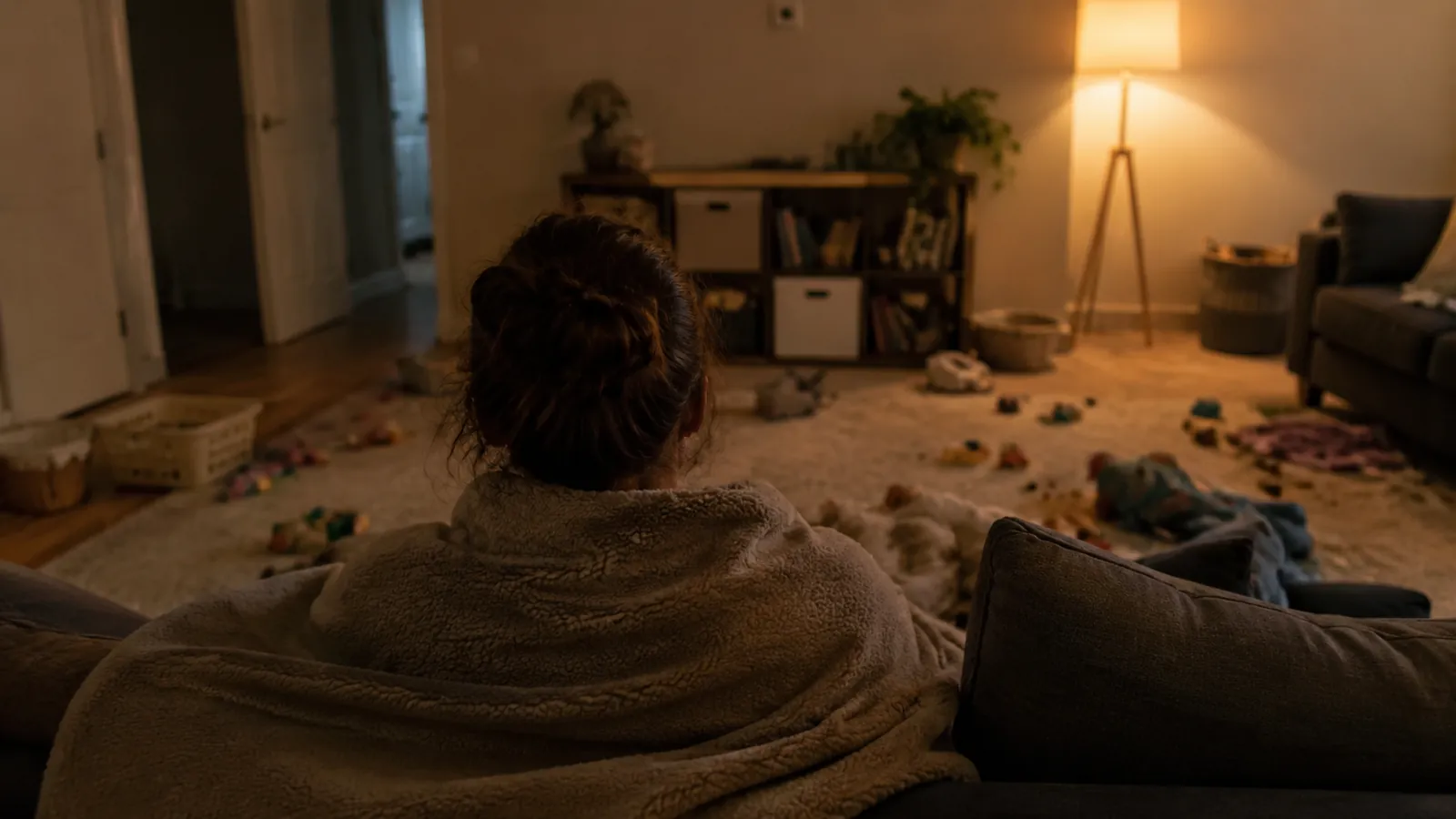
It’s 9:40 and you are on the couch, because the hallway light is on and you want to hear the second she wakes. The toys are still on the rug from before the fever. Nobody has touched them in two days.
She had three sips of water today. She pushed away the milk she loves, pointed at her mouth and said “ow” in a voice that sent you looking with your phone flashlight. Small red spots on her tongue. The popsicle was the only thing she took.
That is a normal day two of hand, foot, and mouth disease. It is also the day the job changes, because food can wait. Fluid going in and wet diapers coming out is the whole plan.
What do the sores and the rash look like?
It starts like a cold. A fever, a sore throat, a runny nose, a toddler who eats and drinks less than usual. The CDC says the fever and flu-like symptoms often show up 3 to 5 days after the virus gets in.
Then comes the mouth. The sores start as small red spots on the tongue and inside the mouth, then blister and hurt. The Children’s Hospital of Philadelphia (CHOP) says the sores mainly cluster in the back of the throat.
The rash lands on the palms and the soles of the feet. It can also show up on the buttocks, legs and arms. It usually isn’t itchy, the CDC says, and it looks like flat or slightly raised red spots, sometimes with blisters. With no itch to fight, the swallowing is your real problem.
A week or two later, fingers and toes may peel. HealthyChildren, the American Academy of Pediatrics site, calls that harmless, and the CDC says losing a nail is very rare.
Why won’t my toddler eat or drink, and what helps?
Swallowing hurts, so she stops. Soft and cold go down best. CHOP suggests yogurt, pasta, pudding, smoothies and ice pops. It also says to offer a variety of fluids, because if she isn’t eating, water alone gives no energy and none of the salt the body needs to keep blood pressure up.
Skip the orange juice and lemonade. Seattle Children’s tells parents to avoid citrus, salty and spicy foods, and Nationwide Children’s adds acidic juices like orange juice and lemonade.
Pain is the other half. The CDC says over-the-counter medicine can ease fever and mouth pain, and that aspirin should never go to a child. Which medicine and how much depends on her weight, so ask your pediatrician for that number. This page won’t guess it.
Nobody negotiates a bite this week. The rule in our dinner-table post, where you pick what is served and she decides how much, holds when the answer is “none.”
How do I know it’s dehydration?
Count. CHOP lists the signs: fewer wet diapers (none in six to eight hours, or four to six by Nationwide Children’s count), dry lips and mouth, no tears when crying, and dark yellow urine. If she is out of diapers, count bathroom trips instead. A few accidents are common this week, since illness can set potty training back.
Put the time of each wet diaper in your phone. At 2 a.m., a note beats your memory. Then make the call early. The CDC says to see a healthcare provider if your child cannot drink well and you are worried about dehydration, and HealthyChildren says to call your pediatrician now, or go to the ER, if you suspect it.
What do you do at 2 a.m. when they won’t sleep?

CHOP says the worst mouth pain usually comes in the first 3 to 5 days of illness, and a fever often runs for the first few days too. Expect the hardest nights early in the week.
When she wakes crying, start cold. A sip of something cold or an ice pop is what the hospital guides suggest.
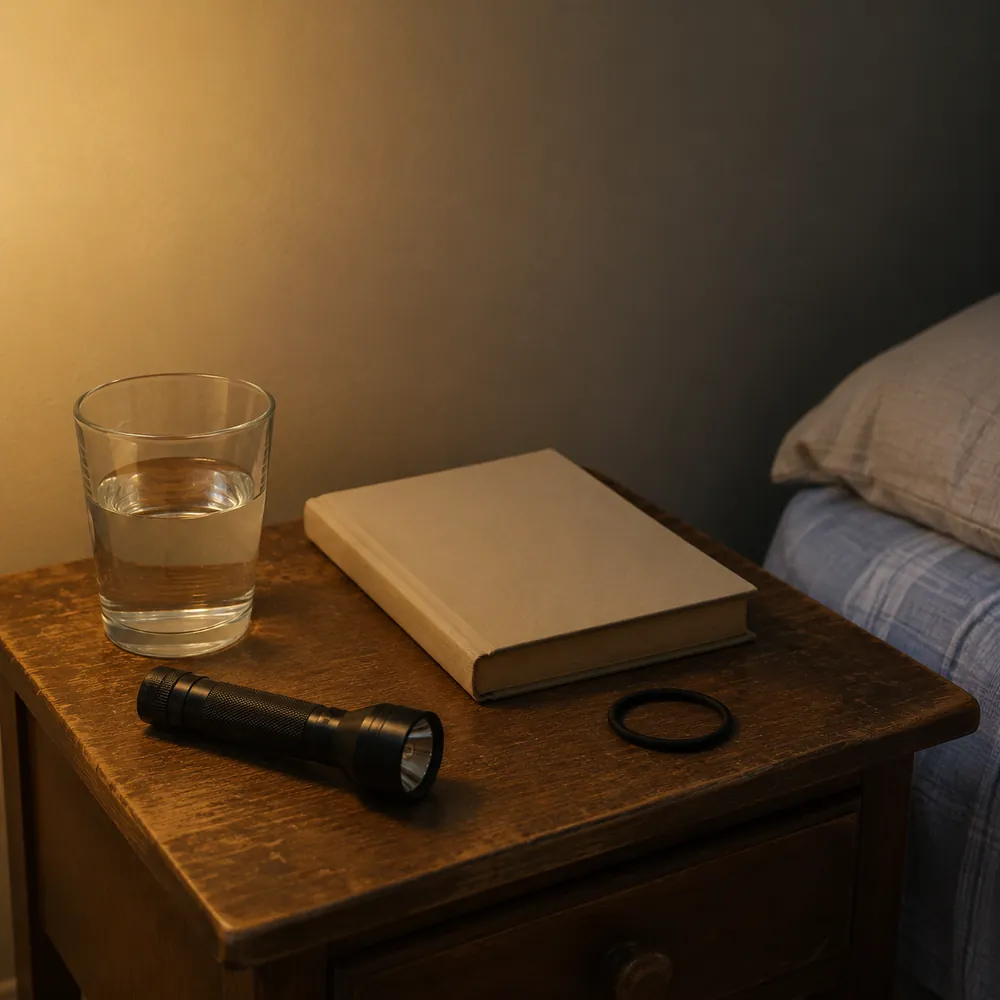
Ask your pediatrician about pain medicine in daylight, when you can still think, and not at 2 a.m. with a crying toddler on your shoulder. A dim night light lets you check a diaper without waking the whole house.
One check matters more than the rest. CHOP says to call if your child becomes lethargic, stops interacting the way they usually do, or is difficult to awaken. A child who is hard to wake is a call, tonight. And if the sound from that bedroom is a harsh bark instead of a cry, that may be croup, a different illness with its own rules.
How long are they contagious, and when can they go back to daycare?
Longer than you’d like. The CDC’s page on how it spreads says people are usually most contagious in the first week, can spread the virus for days or weeks after symptoms go away, and can spread it with no symptoms at all. So there is no clean all-clear day. Wash your hands after every diaper change, since the CDC lists poop, toys and doorknobs among the ways it spreads.
The daycare question gets three answers, depending on who you ask. The CDC says a child can stay in child care with no fever, enough energy to join in, and no uncontrolled drooling from mouth sores. HealthyChildren says a child with many open blisters can be kept out, and blisters usually take about 7 days to dry. CHOP says home until the fever and pain are gone, but not until the rash clears, which can take one to two weeks.
Your daycare’s written policy wins, and it may be stricter than all three. Call before you pack the bag. Our post on when to keep a child home covers the general fever rule, and the string of bugs that comes with group care has its own explanation in why kids keep getting sick.
What else means call the pediatrician now?
You already have the dehydration call, and the CDC’s list of reasons to see a healthcare provider has five more, so here they are.
- A fever that lasts more than 3 days
- A very young child, especially one younger than 6 months
- A weakened immune system
- Severe symptoms
- Symptoms that have not improved after 10 days
CHOP adds a lot of pain and any change in how she acts. If you are staring at the phone deciding whether this counts, it counts.
Leave the toys on the rug
The house can wait. Put a cup of something cold within reach of the couch, write down when she last peed, and let the rest go. The CDC says most kids are better in 7 to 10 days, and one night soon you will notice you slept.
Leave the first comment
Share your thoughts
Frequently asked questions
Most toddlers have mild symptoms for 7 to 10 days, according to the CDC. Fever tends to fade in the first few days, and the worst mouth pain usually falls in the first 3 to 5. The rash can linger a bit longer, and fingers and toes may peel a week or two later, which is harmless.
Toddlers are usually most contagious during the first week of illness. The CDC says the virus can still spread for days or weeks after symptoms go away, even in a child who never had symptoms. Because of that, daycare rules focus on fever, drooling and open blisters, and every daycare sets its own policy.
No medicine cures it, so treatment means comfort: plenty of fluids, plus over-the-counter medicine for fever and pain at a dose your pediatrician gives you. The rash usually isn’t itchy, the CDC says, and its home-care advice covers pain, fever and fluids. Ask your pediatrician before putting cream on sores or blisters.
Try a sip of something cold or an ice pop first, since mouth pain is worst in the first 3 to 5 days. Ask your pediatrician about pain medicine before bedtime. Call right away if your toddler is lethargic, stops responding as usual, or is difficult to wake, which CHOP lists as a reason to call.
On the soles, the CDC describes flat or slightly raised red spots, sometimes with blisters, that usually aren’t itchy. The same rash can appear on the palms, buttocks, legs and arms. In the mouth, sores start as small red spots that blister and hurt, so look there first if your toddler suddenly refuses to drink.

For nearly two decades I was the youth mentor across from the angry kid, the silent one, the parents out of ideas. I write the way I listened - slow, steady, never from above. If tonight feels heavy, I hope this felt like having someone in the room.
More from TheoWhat's the one thing that calmed the chaos in your house?
No right answers here - tell us how it went. Someone reading needs to hear it.
Join the conversation