
The Cough That Sounds Like a Seal Always Starts at Midnight
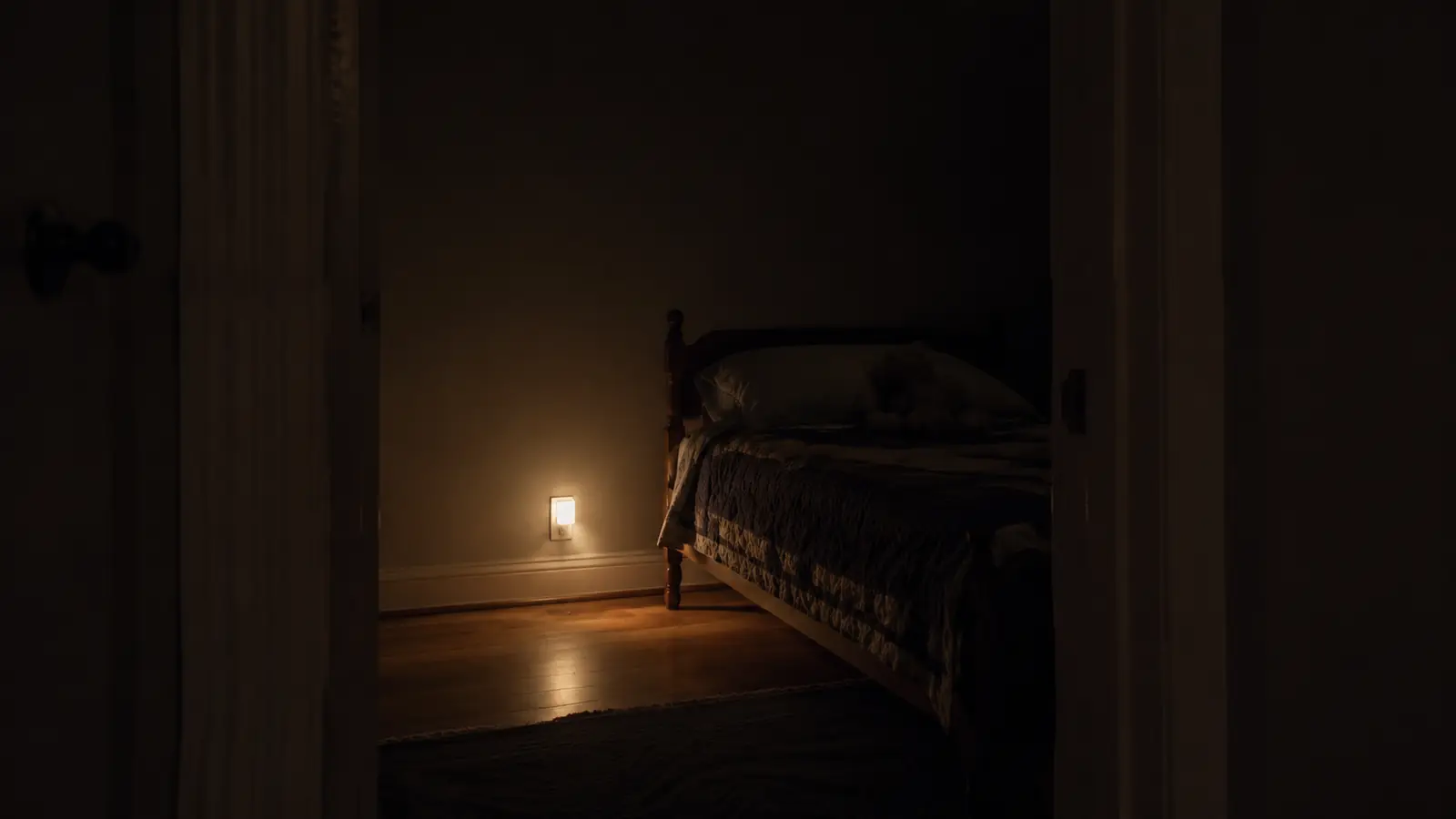
He went to bed with a slightly rough voice and nothing else. At half past midnight there is a noise from his room that you have never heard a human being make, and you are standing in the hallway with your heart going.
That bark is croup. It sounds far worse than it usually is, and knowing what it is at half past midnight is most of the battle.
Most parents meet croup once and never forget the sound. It turns up in fall and early winter, mainly in children between about six months and three years old, and the usual culprit is a parainfluenza virus that in an older child would only have been a hoarse week.
Why the middle of the night, every time

Lying flat lets fluid settle around an already swollen airway. Natural anti-inflammatory hormones dip overnight. And the airway of a two year old is roughly the width of a drinking straw, so a millimetre of swelling takes out a serious proportion of it.
The same child who barked like a sea lion at one in the morning will be eating cereal and demanding cartoons by nine, sounding merely croaky. Then it comes back the next night, often worse, which catches people out. Two bad nights and one mediocre one is the ordinary shape of it.
What to do in the first ten minutes
Pick them up and sit them upright against you. Talk in the flattest, most boring voice you own. Crying and panic make a child breathe harder and faster through a narrowed pipe, so your calm is not a nicety here, it is treatment.
Then take them to cold air. Wrap them in a blanket and stand at an open door or window, or step into the yard. There is no strong trial evidence that cold air fixes croup, and pediatricians are honest about that, but it settles a huge number of children within ten or fifteen minutes and it costs nothing. Steam over a hot tap is the old advice and has been dropped in most places, partly because the evidence never showed up and partly because of scalds.
Acetaminophen (Tylenol) or ibuprofen for comfort if there is a fever, fluids in small sips, and a nightlight on so you can see their chest without switching on the big light. Do not give cough medicine. It does nothing for this, and it is not advised for young children anyway. That is the same argument we make about reaching for melatonin. The NHS page on croup is the clearest short summary if you want to read one thing at three in the morning.
The line between frightening and dangerous
Croup is loud, which makes every case feel like an emergency. Most are not. Here is the honest sorting.
- Barking cough, hoarse voice, no noise on breathing in while they rest. This is the common version. Manage it at home and see the doctor in the morning.
- A high whistle or rasp when they breathe in, but only when upset or coughing. Borderline. Get them seen today rather than tomorrow.
- That whistle while they are sitting quietly, skin pulling in under the ribs or at the base of the throat, nostrils flaring, or a child too tired to fight you. Go now. This is the one that needs a hospital.
- Drooling, refusing to swallow, sitting very still and leaning forward, no cough but real distress. Emergency, and a different diagnosis. Do not put anything in their mouth, call for help.
A quiet child in the middle of a croup attack is more worrying than a screaming one. Screaming takes air.
The second night, and the mistake almost everyone makes

The mistake is assuming the good morning means it is over. It is a night illness. Plan the evening of day two as though it will happen again, because there is a decent chance it will.
That means a few boring preparations before bedtime, and boring is the point. Have the stroller or the car keys where you can find them. Know which hospital you would drive to. Put an extra pillow under the mattress at the head end so they sleep on a slight slope rather than flat, and leave a blanket by the back door.
Sleeping in the room with them for a night or two is reasonable. It does not create a habit that lasts past the illness, whatever you have read about sleep regressions. Anyway, you were not going to sleep in your own bed listening for it.
Is it catching, and can you stop it
The virus is catching in the ordinary way, though what one child does with it as croup another will do as a plain cold. Siblings often get the mild version. Hand washing and not sharing cups help at the margins, and there is no vaccine for the main viruses involved.
Children grow out of it. As the airway widens with age, the same infection stops being dramatic. Most families see croup a handful of times before school age and then never again, though a child who gets it repeatedly is worth mentioning to the doctor, because a few of them turn out to have something else going on underneath.
What stays with parents is the sound. If you have heard it once, you will identify it through a closed door from the other end of the house, and that is genuinely useful.
What tomorrow looks like
Tired. Both of you. A croaky child, an ordinary breakfast, a day of low expectations. Book the appointment in the morning even if the night ended calmly, because the steroid works best given before the third bad night rather than after it, and because it is easier to be reassured by a doctor in daylight than to make the call yourself at one in the morning again.
And if you are reading this standing in a doorway with a coughing child on your hip, wrapped in a blanket, waiting for the cold air to do its work: that is exactly the right place to be.
Leave the first comment
Share your thoughts
Frequently asked questions
A harsh barking cough that people compare to a seal or a sea lion, together with a hoarse voice. Some children also make a high rasping noise when they breathe in, which is called stridor and is the sound to pay attention to.
Lying flat lets fluid settle around a swollen airway, and the body’s own anti-inflammatory hormones dip overnight. A small child’s airway is about the width of a drinking straw, so a tiny amount of extra swelling makes a large difference.
Cold night air settles many children within ten to fifteen minutes, though the trial evidence for it is weak. Steam is no longer recommended because it never proved effective and carries a scald risk. Keeping the child calm and upright is the part that reliably helps.
Go right away if you hear a whistle or rasp on breathing in while the child is sitting quietly, if the skin sucks in under the ribs or at the neck, if they are drooling or cannot swallow, if their lips look gray or blue, or if they are too exhausted to protest.
Three to seven days in most children, with the worst of it on the second or third night. A single dose of oral steroid from a doctor shortens the bad part and cuts the chance of a return trip to hospital.

I started Decoded Kids because the calm, straight answer I needed at 2 a.m. just didn't exist. I'm a parent of two, still figuring it out - and I hold this whole place to one promise: real help, in plain language, with no one talked down to.
More from MayaWhat's the one thing that calmed the chaos in your house?
No right answers here - tell us how it went. Someone reading needs to hear it.
Join the conversation