
Eight Colds Since September and the Pediatrician Is Not Worried

I started keeping a list on my phone around the fourth cold. Dates, temperatures, which nose was running. By February it looked like a medical file, and I walked into the checkup ready to make a case.
Our pediatrician read it, nodded, and asked whether my daughter had started daycare that year. She had. That was more or less the whole answer, although it took me a while to believe it.
So if your kitchen calendar is mostly tissues right now, you are in very large company.
How many colds a year is normal for a young child?
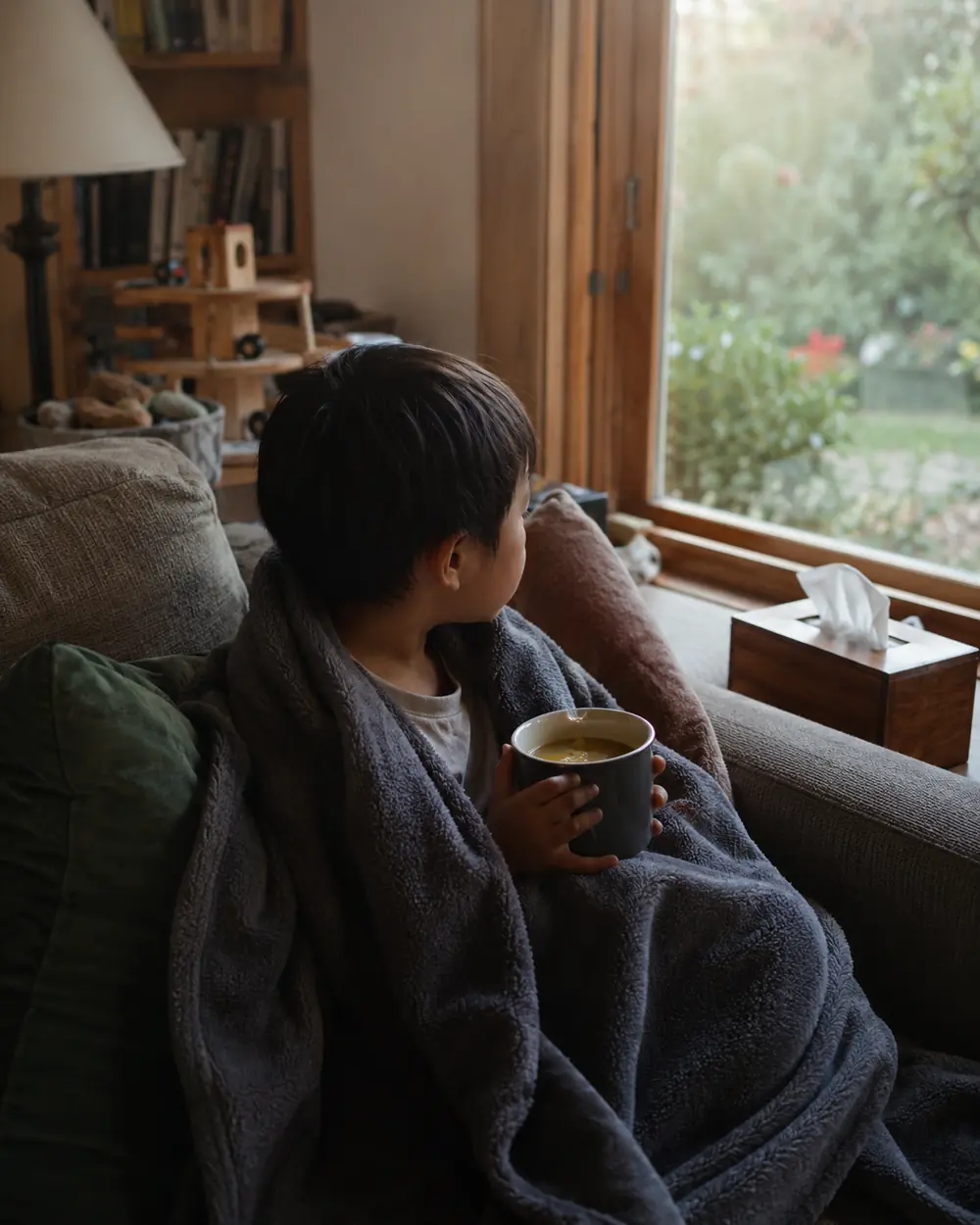
More than feels reasonable. The AAP says many young children get 6 to 8 colds a year, especially kids in child care. On its page about colds, the AAP adds that most children have around 8 to 10 colds in their first two years, and that kids in daycare, or with school-age siblings at home, may have even more.
Nemours KidsHealth puts it plainly too: kids can get eight colds per year or more.
Now do the math on the calendar. The AAP says cold symptoms like a runny nose, stuffiness and cough may last up to ten days. Eight colds that each hang around for a week or more can fill most of a school winter. From the outside, and especially from the couch at 6 a.m., that looks like one endless illness. Often it is a string of separate ones, back to back.
That was my phone list, by the way. When I lined the dates up, I could see where one cold ended and the next began. I had been too tired to notice.
Why do kids get sick so much in the winter?
You have probably heard that cold air makes kids sick. KidsHealth is clear that skipping a jacket, sitting in a draft, or going out with wet hair does not cause colds. Viruses do. (You can still win the coat battle for the sake of warmth. Just not for this reason.)
What changes in winter is how much virus is going around. The CDC says many respiratory viruses, like flu and RSV, usually circulate during winter. The AAP says colds spread easily among children in close contact, and that this is especially true in winter, when more people are sick with viruses.
Then think about how little kids play. They wipe their noses with their hands, then grab the same blocks as everyone else. The AAP describes exactly this: a virus lands on a child’s hand and spreads to whatever they touch, whether that is a sibling, a friend or a toy.
Why does the first year of daycare feel like the worst?
Because your child is meeting a room full of germs for the first time, all at once, in a place where sharing is the whole point.
Building is the word to hold onto. Each of those colds is part of how a young immune system learns its job. It does not feel like progress when you are wiping a nose for the ninth time before breakfast.
What lowers the number of colds?
Nothing gets it to zero. A few habits do cut the traffic, though, and none of them cost much.
Hand washing comes first. KidsHealth says kids should wash their hands well and often, especially after blowing their nose, and should not share towels, drinking glasses or eating utensils with someone who has a cold. Make the sink the first stop when you get home. Pack their own water bottle and label it, since daycare cups have a way of wandering.
Vaccines matter too. The CDC recommends a flu vaccine every year for everyone 6 months and older, and says it reduces flu illness, doctor visits for flu and missed school days. Children younger than 5 are at higher risk of serious flu problems, according to the CDC.
Sleep is worth protecting for its own sake, and a rested kid is easier to nurse through a cold. If bedtime has gotten ragged, this sleep guide is a good place to start.
When is getting sick this often not normal?
This is the part I actually needed at that checkup. Plain colds, even lots of them, are expected. The warning signs look different. A children’s hospital handout from University Hospitals Rainbow Babies & Children’s shares ten warning signs of a primary immune problem, developed by the Jeffrey Modell Foundation. They include:
- Ear infections. Four or more new ear infections within one year.
- Chest and sinus infections. Two or more pneumonias, or two or more serious sinus infections, within one year.
- Antibiotics that do not work. Two or more months on antibiotics with little effect, or needing IV antibiotics to clear infections.
- Growth. A baby who fails to gain weight or grow normally.
- Family history. A relative with a primary immune problem.
The handout says that if two or more of these signs apply, you should talk to a doctor about it. If any of this sounds like your child, bring it up with your pediatrician directly. And if your worry is a particular cough, the barking croup kind has its own set of rules.
What about the sick-day juggle?
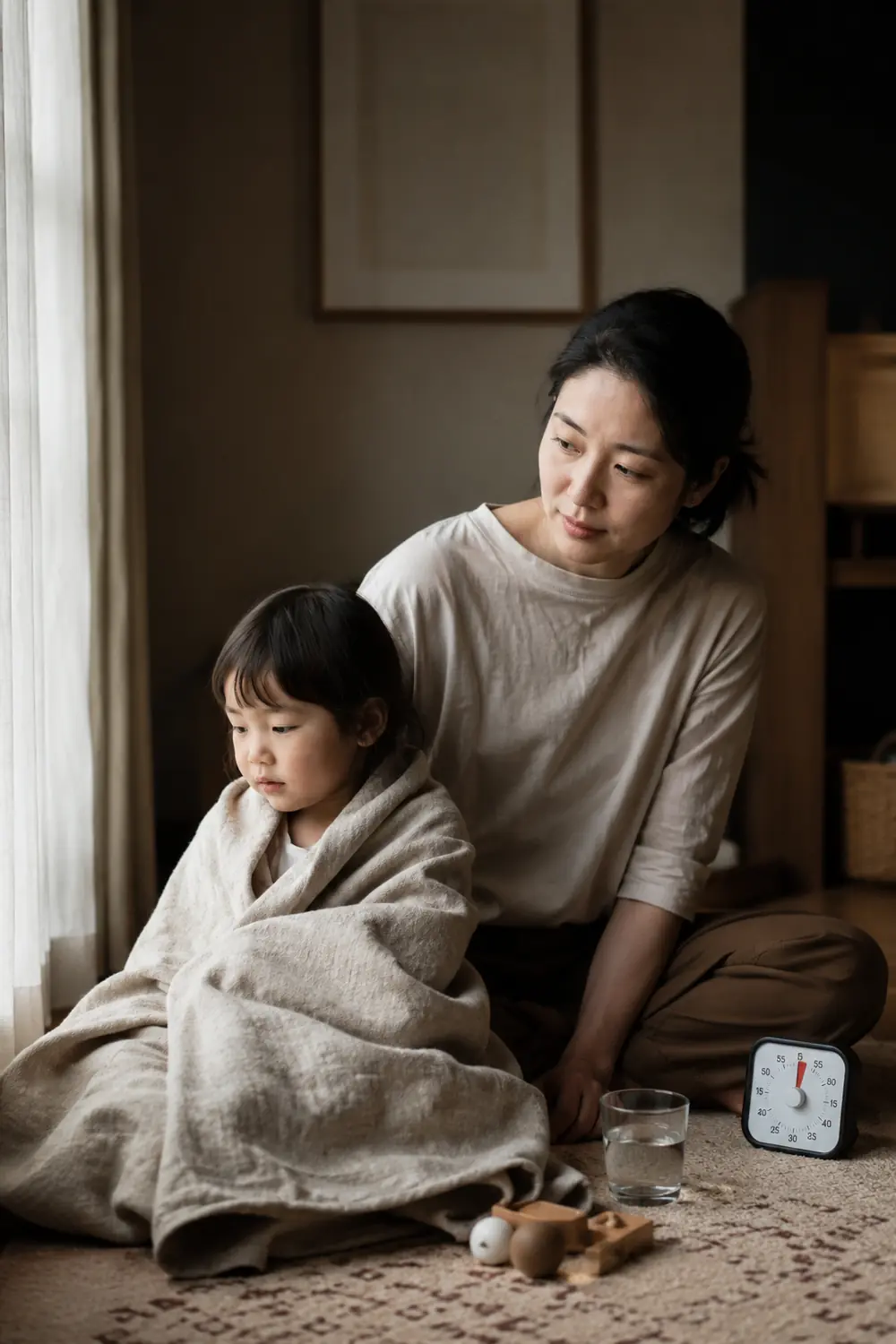
Nobody warns you about this part. The pediatrician can tell you eight colds is normal. Your boss did not get that memo, and your sick days ran out in November.
The guilt comes from two directions at once. You feel bad for sending a kid with a runny nose to daycare, and you feel bad for missing another morning at work. Neither feeling is proof you are doing it wrong. They are the cost of a stage that ends.
What helped us was deciding the rules ahead of time instead of at 6:45 a.m. Our guide on when to keep a child home walks through that choice, so you are not making it up half asleep. Then build a short backup list: a neighbor, a grandparent, a coworker you can swap shifts with. Ask them in October, before you need them.
If you are raising your kid alone, all of this lands on one set of shoulders, and each unpaid day hits harder. The single-parent money guide has ideas for padding the budget, and it is fine to read it with a sick kid asleep on your lap. I did, more or less.
Leave the first comment
Share your thoughts
Frequently asked questions
Young children get sick a lot while their immune systems are building up protection, and colds spread easily between kids in close contact. The American Academy of Pediatrics says many young children, especially in child care, get 6 to 8 colds a year. For most kids, that pattern is normal.
The AAP says most children have around 8 to 10 colds in their first two years, and kids in daycare or with school-age siblings may have more. Each cold can last up to ten days, so several colds in a row can feel like one long illness through the winter.
More viruses are going around. The CDC says many respiratory viruses, like flu and RSV, usually circulate in winter. Cold air itself is not the cause. Nemours KidsHealth says going out without a jacket or with wet hair does not cause colds. Viruses spread from hands, toys and close contact.
Talk to your pediatrician if your child has four or more new ear infections in a year, two or more pneumonias in a year, poor weight gain or growth, or infections that need IV antibiotics. These come from a list of warning signs for primary immune problems.
The evidence is weak. Nemours KidsHealth says experts are not sure extra zinc or vitamin C helps with cold symptoms, and large daily doses can cause side effects. Hand washing, not sharing cups and a yearly flu vaccine are the steps KidsHealth and the CDC point to. Ask your pediatrician before starting any supplement.

I'm for the parent whose mornings keep falling apart. I didn't train in ADHD - I lived it with three kids, then read the actual studies, so what you get here holds up in a real kitchen at 7:50 a.m. Specific, tested at home, never preachy.
More from MarcusWhat's the one thing that calmed the chaos in your house?
No right answers here - tell us how it went. Someone reading needs to hear it.
Join the conversation