
Potty Training Went Backwards? Regression Is Information, Not Failure
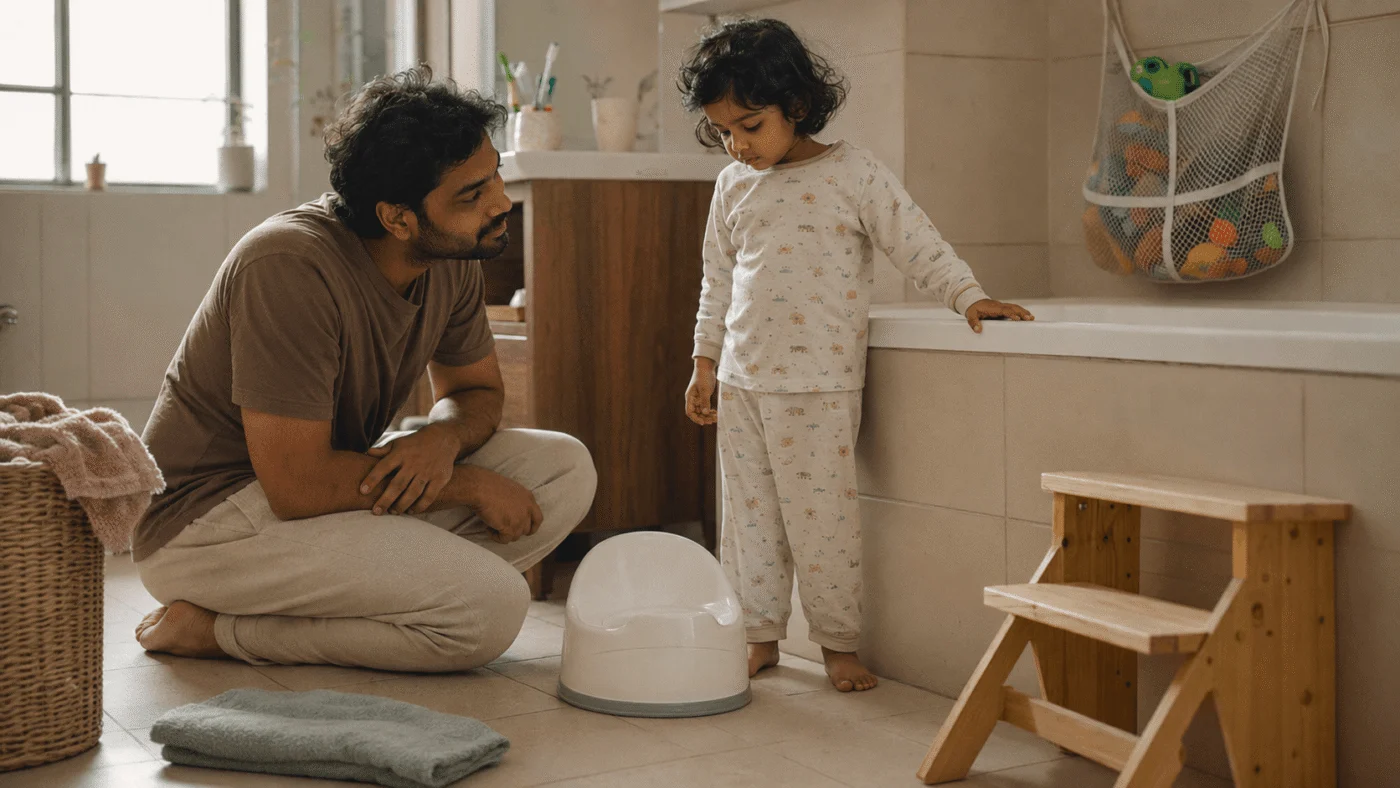
You’d stopped even thinking about it. Weeks of dry underwear, the little proud announcement every time, the potty finally just part of the day instead of the whole day. Then, out of nowhere, the accidents are back. Or worse, she won’t even sit on it anymore, arms crossed, like the last two months didn’t happen.
Your first thought is probably: what did I do wrong. Your second thought, right behind it, is: do we start all over.
Neither. A backslide like this almost never means the training failed. It means something in her world moved, and going back to what felt safe and familiar was the fastest way she had to cope with it.
As an Amazon Associate, Decoded Kids earns from qualifying purchases. Price checked live on Amazon.
Why the backslide is almost never really about the potty
Toddlers don’t have the words yet for “everything feels unstable right now,” so the feeling shows up somewhere else instead, often in the one skill that’s newest and least automatic. A new baby in the house is the single most common trigger. Watching an infant get carried everywhere and fed on demand is hard not to envy. “Going back to being the baby” can look pretty appealing to a two or three-year-old who just gave that up.
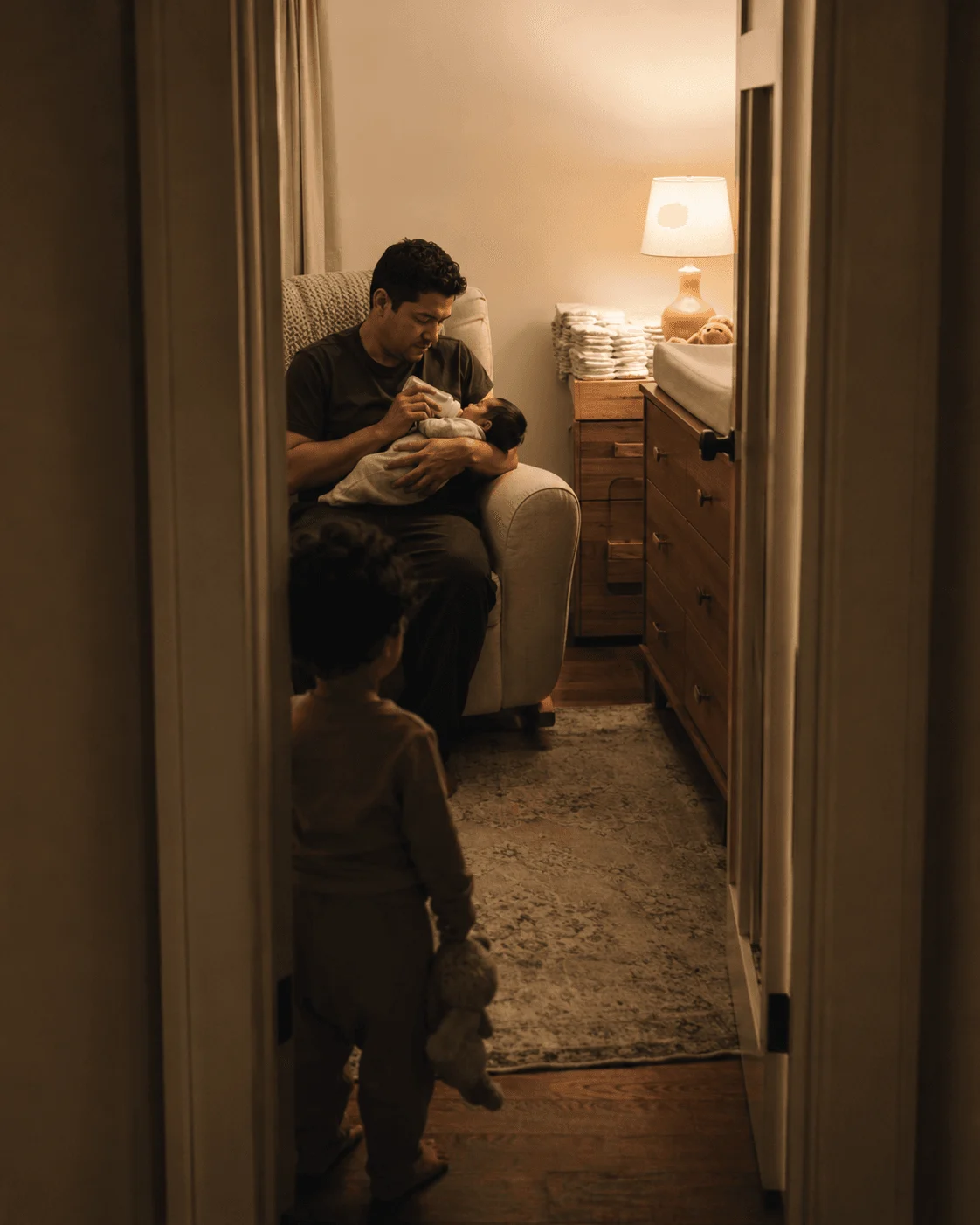
Other common triggers land just as hard: a move, a new daycare room, a parent traveling. Even a new babysitter can do it. Illness matters too, a stomach bug or a cold can genuinely undo the physical awareness of needing to go, not just the willingness. Before assuming it’s emotional, it’s worth ruling out a physical cause like constipation or a urinary tract infection. Both show up as sudden accidents, and both are easy to miss.

Jool Baby Real Feel 2-in-1 Potty with Wipes Storage
What helps a regression settle faster
Brazelton’s whole approach was built on one idea: this belongs to the child, not to you. That matters even more mid-regression, when the instinct to tighten control is strongest. A few things that genuinely shorten a backslide instead of dragging it out:
- Name the change out loud, gently. “Things have felt different since your brother came home, huh.” You’re not fixing it with words, you’re telling her you noticed.
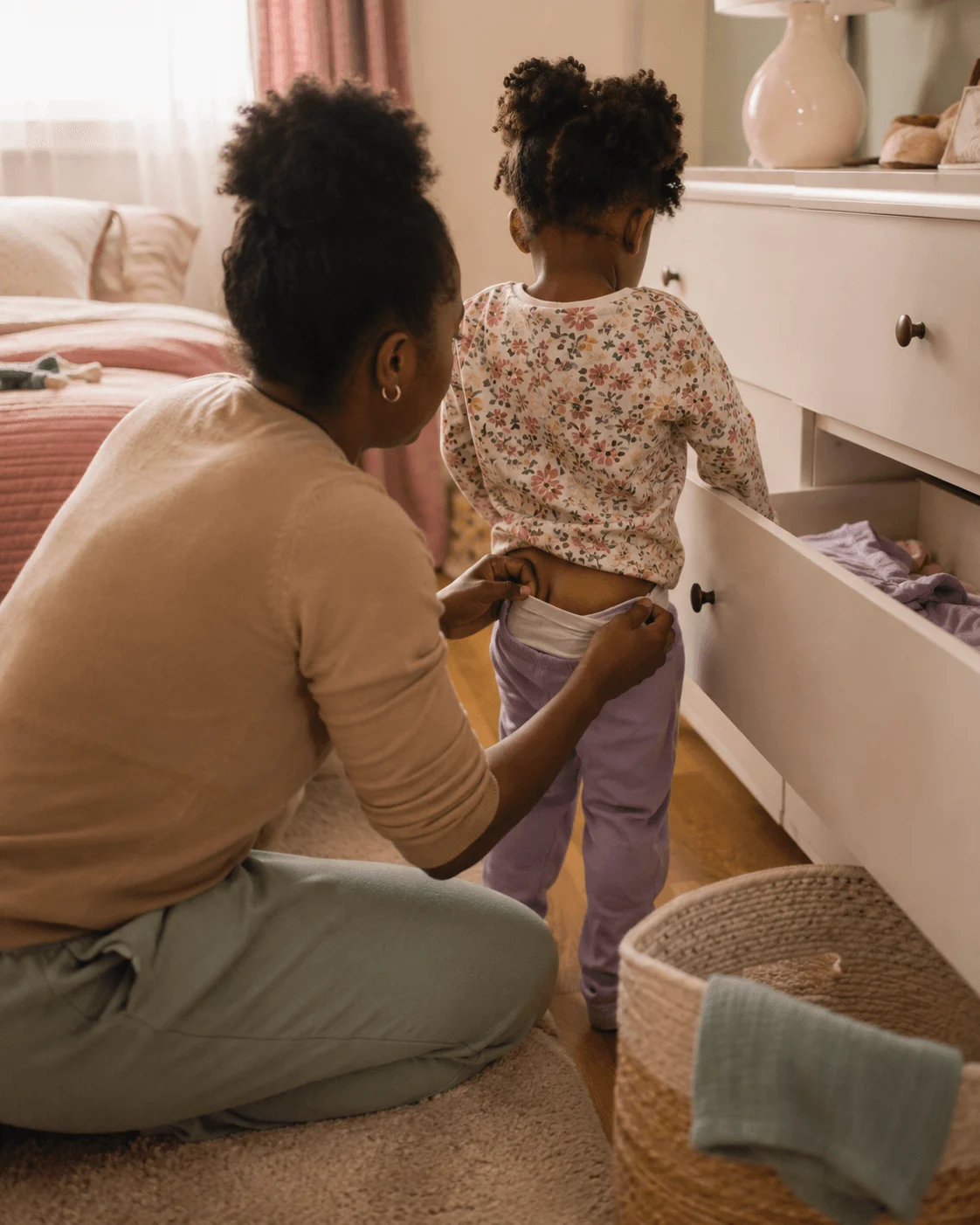
- Drop the pressure back to zero for a bit. Pull-ups for a week or two isn’t defeat, it’s giving her nervous system one less thing to manage while it settles.
- React to accidents like weather, not verdicts. A flat, unbothered “let’s get you changed” teaches more than any lecture would.
Give it a few weeks before you worry
Most regressions resolve within two to six weeks once the underlying trigger settles or she adjusts to it. If it drags past a couple of months, or comes with pain or constant withholding, talk to your pediatrician. That matters more than trying another strategy at home. But for the ordinary backslide after an ordinary hard season, the fastest way through is the least dramatic one. Less pressure. More patience. Same kid.
Frequently asked questions
Sudden refusal is usually a stress response to a bigger change, a new sibling, a move, illness, or starting school, rather than a sign that training failed. Rule out constipation or a urinary tract infection first, then lower the pressure and let things settle over a few weeks.
Yes, a new sibling is one of the most common triggers for potty training regression. Watching an infant get carried, fed, and changed without effort can make “going back to being the baby” appealing to a toddler who just gave up that role. It’s temporary in almost every case. If the reminders are the part that keeps slipping, a potty training watch can carry that job instead of you.
A short return to pull-ups isn’t a failure, it can lower the pressure while your child’s nervous system settles from whatever triggered the backslide. Frame it calmly rather than as a consequence, and revisit underwear once accidents have slowed on their own.
If your child is showing real distress, withholding for long periods, or accidents are increasing despite a calm approach, a full pause of a few weeks is reasonable. Readiness, not the calendar, should drive when you pick it back up.
Most regressions resolve within two to six weeks once the underlying trigger settles or your child adjusts to it. If it continues well past that, or comes with pain or physical symptoms, check in with your pediatrician to rule out a medical cause.
Leave the first comment
Share your thoughts

I'm for the parent doing it largely alone. I've done the single-dad decade - two homes, one income, the handovers, the very quiet Tuesdays - and I write from the far side of most of those days, with humor and hard-won calm. Not advice from above; a hand back from a few steps up the road.
More from DiegoWhat's the one thing that calmed the chaos in your house?
No right answers here - tell us how it went. Someone reading needs to hear it.
Join the conversation