
Three Weeks of Cough, No Fever, and He Still Wants to Go to Practice
The cough is in its third week, and he still asks for his cleats every morning. No fever. No stomach bug. Just a dry little hack at the breakfast table, in the back seat, and again at 9 p.m. when the house goes quiet.
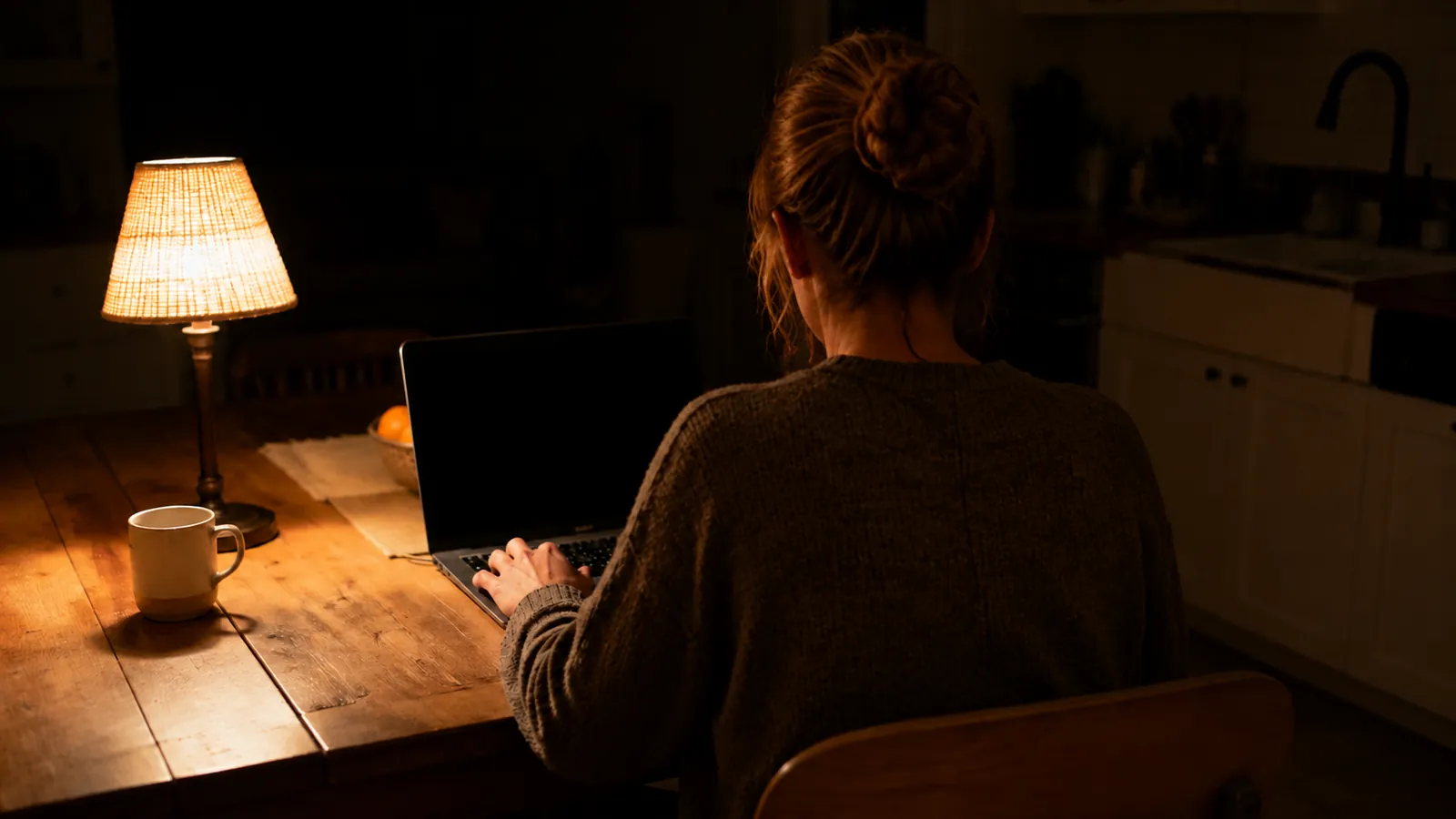
You told yourself it was a cold that overstayed. Then a mom in the pickup line said “walking pneumonia,” and now you are at the kitchen table with a laptop, typing it into a search bar after everyone else is asleep.
That is the trap with walking pneumonia in kids. The child looks fine, so nobody hurries.
Why is it called walking pneumonia?
Doctors use the name for a milder lung infection, most often one caused by bacteria called Mycoplasma pneumoniae. Nemours Children’s Health says other bacteria or viruses can cause it too.
Most of the time those bacteria only give a kid a chest cold. Sometimes they settle deeper into the lungs. HealthyChildren, the American Academy of Pediatrics site for parents, says these infections usually show up more in school-age kids and teens.
The “walking” part is what fools a tired parent. Your child does not look sick enough to cancel anything, so a cough can run for weeks.
Can a child have walking pneumonia with no fever?
Yes, some do. Connecticut Children’s says the fever is usually low, and some kids might not get one at all. When one does show up, HealthyChildren calls it a low fever, 102°F or less.
So a normal thermometer does not close the case. The cough is the clue. Connecticut Children’s says it can stay for several weeks even without any other symptoms, and Nemours says a cold that lasts longer than 7 to 10 days, especially with a cough that is getting worse or not going away, could be walking pneumonia.
The rest of the list is dull. A runny nose, a headache, a sore throat, tiredness, a poor appetite. Younger kids may throw up too, HealthyChildren says, and symptoms tend to creep in slowly.
Nemours adds a twist. When the infection sits low in the lungs, near the belly, a child may have no breathing problems at all, only an upset stomach, nausea, or vomiting. That puts a stomach ache with a stubborn cough in a different picture from the school-morning kind, and vomiting with that cough is not always a stomach bug.
Is walking pneumonia contagious to siblings and adults?
Yes. People spread it by coughing or sneezing, HealthyChildren says, and it moves easily through crowded places like schools, camps, college dorms and households. Your kitchen counts as crowded.
Adults can catch it too. Connecticut Children’s says symptoms can take up to four weeks to appear, so a parent’s cough can start long after the child’s, and the order of who got sick first can look backward.
A child can get it more than once, HealthyChildren says, though repeat infections are usually milder. Wash hands often and cough into an elbow or a tissue. Nemours says not to let the sick child share drinking glasses, utensils, towels or toothbrushes, and that a child on antibiotics is less likely to pass the illness to the family.
School is the odd part. Nemours says even a child who feels fine should stay home for a few days until treatment kicks in and symptoms improve. Ask the pediatrician for the return day instead of guessing.
How long does walking pneumonia last, and do kids need antibiotics?
Nemours says most bacterial pneumonia goes away within 1 to 2 weeks with treatment. Coughing can take up to 4 to 6 weeks to stop. So he can be back on the field in week two and still hacking in week five.
Watch the direction. A cough that fades a little each week fits that timeline. One that gets worse does not, and either way you need the start date to judge it.
Antibiotics are often part of the treatment, and that is the doctor’s call. Nemours says they work when the cause is Mycoplasma pneumoniae, and a 5- to 10-day course is usually recommended. HealthyChildren says the doctor may prescribe an antibiotic such as azithromycin, and that sometimes a different type is needed.
The pediatrician usually decides from the exam and your child’s symptoms. Sometimes a chest X-ray helps, and sometimes the doctor sends a throat or nose swab to a lab. Once a prescription starts, finish every dose, even when your child feels better. Call back if symptoms have not improved within several days of starting, or if they get worse.
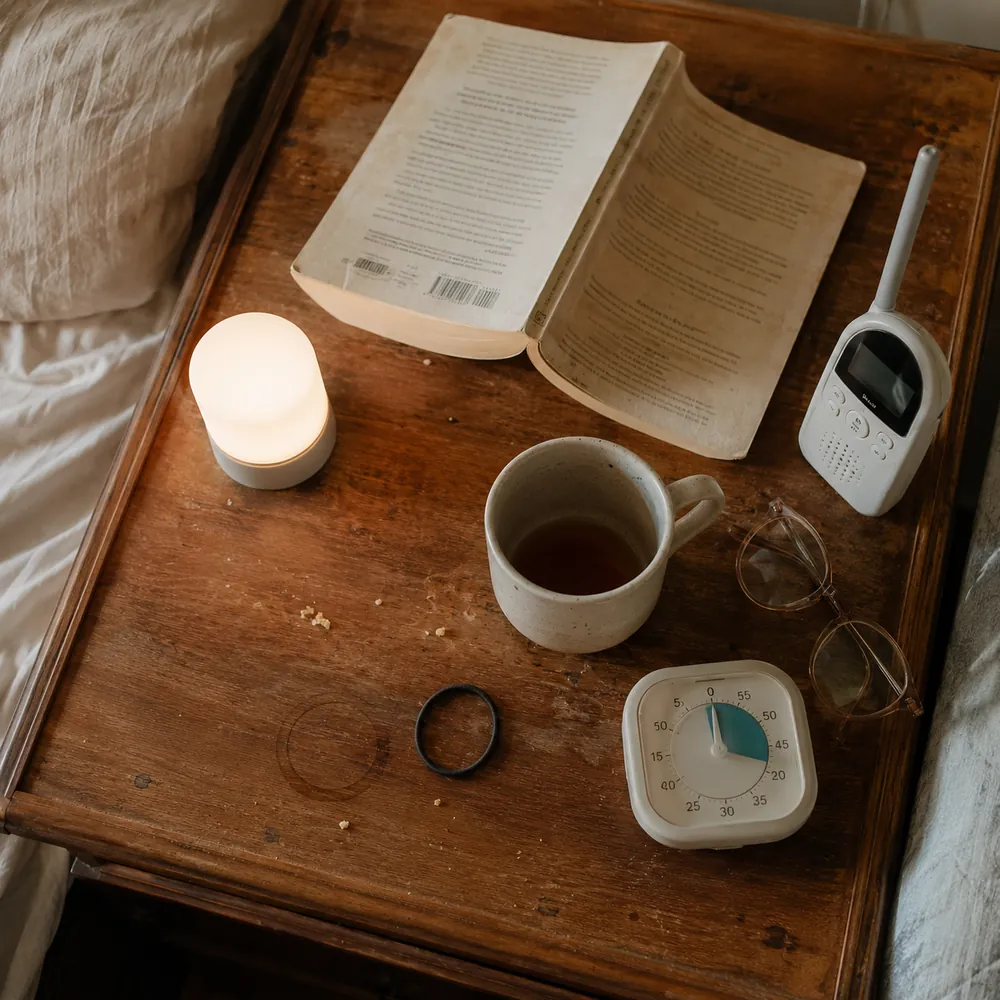
Nights can be the loud part, and a dim night light lets you check on your child without flipping on the ceiling light. If the sound is a harsh bark in a small child, that points somewhere else, and our croup guide covers the midnight version.
When do you call the pediatrician, and when do you go in?
HealthyChildren says to contact the pediatrician for any of these:
- a fever that does not get better after 5 days
- a cough that lasts more than 2 weeks or gets worse
- pain in the chest when they breathe
Breathing changes skip the callback. Connecticut Children’s puts difficulty breathing or rapid breathing on its list for the emergency room or 911, along with vomiting that will not stop and signs of dehydration, like a dry mouth or peeing much less. Nemours describes hard breathing this way: the skin below the ribs, between the ribs, and in the neck sinks in with each breath, and you may hear grunting. Pale, gray or blue lips or fingernails belong on the list too.
Serious trouble is rare. HealthyChildren says the germ can, rarely, set off an asthma flare or cause severe pneumonia. Still, a child who seems much sleepier or weaker than yesterday deserves a call to the pediatrician, even when the thermometer looks fine.
Write three dates on a sticky note tonight
Grab a sticky note. Write down the day the cough started. Add the last day of any fever, and the day an antibiotic began, if one did. Stick it on the fridge or save it in your phone. Then the person on the other end of the call gets facts instead of a guess, and the midnight searching can stop.
Leave the first comment
Share your thoughts
Frequently asked questions
A cough that will not quit is the main one, along with tiredness, a headache, a sore throat, a runny nose and a poor appetite. A fever, if there is one, tends to stay low, and younger children may vomit. Symptoms build slowly, and a child often feels well enough to keep playing, which is why it gets missed.
The pediatrician sets the return date, since it depends on treatment and how your child is doing. Nemours says starting antibiotics lowers the chance of spreading it at home, and that a child who feels fine still needs a few days out of school while symptoms improve.
Doctors often prescribe an antibiotic such as azithromycin, usually as a 5- to 10-day course, according to Nemours. At home, offer plenty of fluids and rest. Ask the doctor before using any cough medicine, and give every dose as directed, even once your child seems back to normal.
Yes. Coughs and sneezes carry it, and HealthyChildren names households and college dorms among the places it spreads easily. Since symptoms can take up to four weeks to appear, a parent may start coughing weeks after the child. Washing hands and coughing into an elbow help.
Usually it is mild, but HealthyChildren says the germ can rarely cause an asthma flare or severe pneumonia. Fast or hard breathing, blue or gray lips, vomiting that will not stop, or a child who seems much worse means going in now. A fever past 5 days or a cough past 2 weeks means a call.

I'm for the parent watching a feeling they can't name and wondering if it's normal. I've spent years close to the child-mental-health research and the specialists behind it, and I carry the heavy parts into plain language. I won't diagnose your child - I'll help you see what you're looking at, and say honestly when it's time to ask someone in person.
More from SofiaWhat's the one thing that calmed the chaos in your house?
No right answers here - tell us how it went. Someone reading needs to hear it.
Join the conversation