
Grandma Kept the One Where He Drew the Truck Wrong
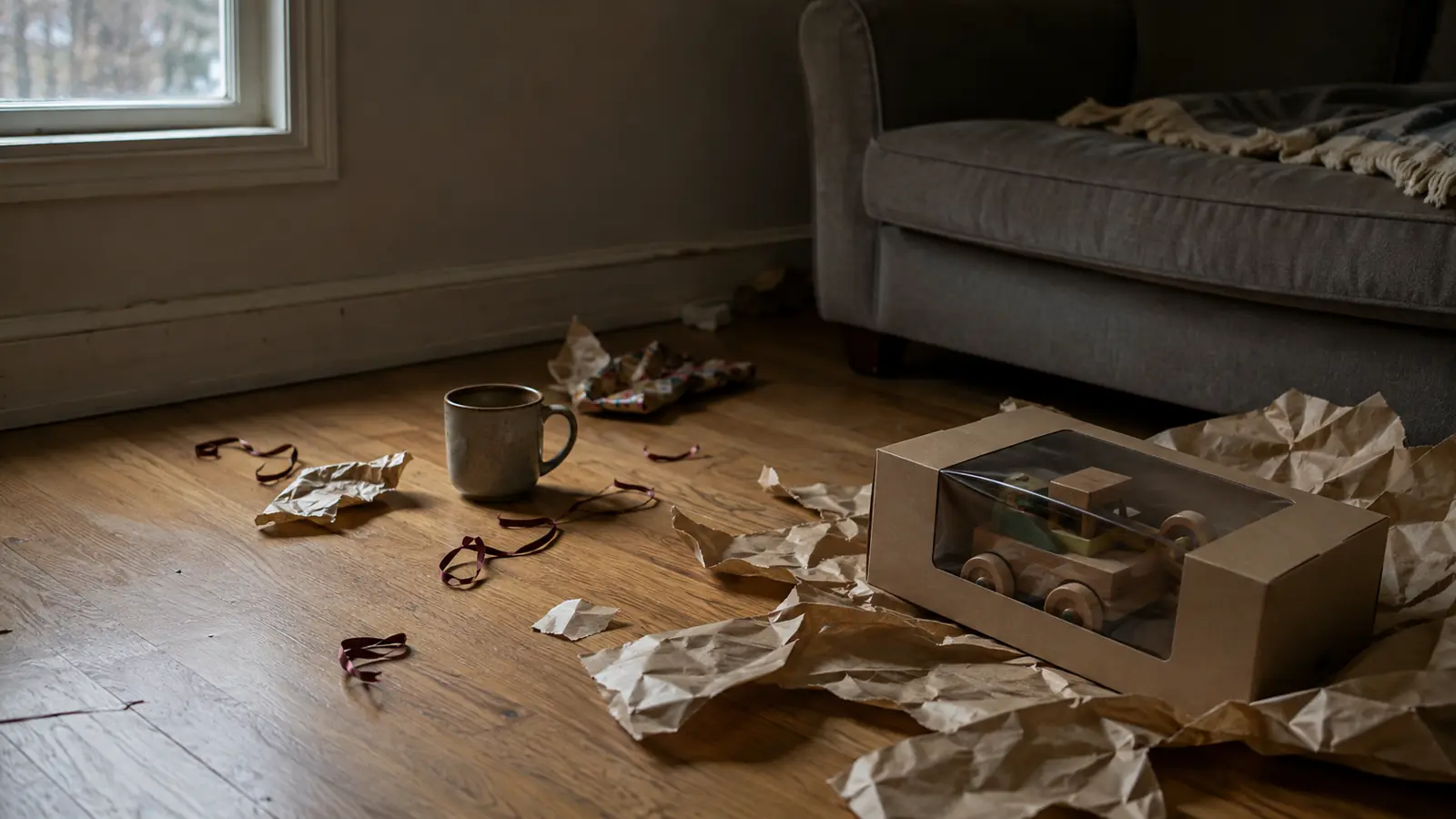
The wrapping paper is still under the sofa and somebody has already asked when they have to do the cards. You said soon. You meant it, too, until the week filled up with leftovers and lost Lego.
So the stack of gifts sits there with no notes attached, and a small voice in your head sounds a lot like your own mother. Thank you notes for kids can be short, messy and done in ten minutes a day.
No fancy cards needed. Folded printer paper works fine, and a kid who liked making the Thanksgiving place cards already has the skills for this.
Why bother with thank you notes at all?
Because the note does something for your child, too. Psychologists Giacomo Bono and Jeffrey Froh have studied gratitude in school kids for years. In one test, children who had daily gratitude lessons went on to write 80 percent more thank you cards to their school PTA. Their teachers also found them happier.
The lessons taught kids to notice three things about a gift. Someone meant to do it. It cost them something, like time or money. And it matters to the person who got it. You can teach the same thing at your kitchen table, with a crayon and no curriculum at all.
When your son writes that Aunt Jo picked the dinosaur book because she knows he likes dinosaurs, he is doing that exact work. He is noticing that a person thought about him. That is a bigger idea than good manners, and it sticks longer (much longer than the dinosaur phase, anyway).
What can a child write at each age?
Match the job to the hand. A four year old asked to write five lines will cry, and so will you.
- Ages 2 to 4: they draw, you write. Ask what they want to say to Grandpa and write it down word for word, even the odd parts. Then they scribble a picture of the gift. If they want to add a sticker or a handprint, great. This is close to the idea behind homemade gifts for grandparents, where the wobbly bits are what people keep.
- Ages 5 to 7: fill in the blanks, plus one line. Write a short frame, like “Dear ____, thank you for the ____.” Your child fills the gaps and adds one sentence that is all theirs. Keep it to one. If writing is already a fight, the tips on making handwriting less of a battle help here too.
- Ages 8 and up: a real three-line note. Line one names the gift. Line two says what they will do with it. Line three is personal, like a memory or a question for the giver.
What should a child’s thank you note say?
Kids freeze at a blank page, so give them something to borrow. Here are four short notes a child could copy, change or ignore.
A toddler, in their own words: “Dear Nana, thank you for the red truck. It goes fast. I love you. (Drawing of a truck with six wheels.)”
A six year old, with the frame: “Dear Uncle Sam, thank you for the slime kit. I made green slime and it got on the dog.”
A nine year old: “Dear Grandma, thank you for the art set. I am going to draw our whole street with it. Can you tell me which colored pencil you like best?”
For a gift card or cash: “Dear Mr. Patel, thank you for the gift card. I am saving it for a book about space. I will tell you which one I pick.”
Notice what they have in common. Each one names the actual thing, and none of them says “I really appreciate your kindness,” because no child talks like that. Grandparents would rather have the slime and the dog. If you want ideas for steering next year’s gifts, the list of gifts grandparents can buy is a friendly one to share.
How soon should the notes go out?
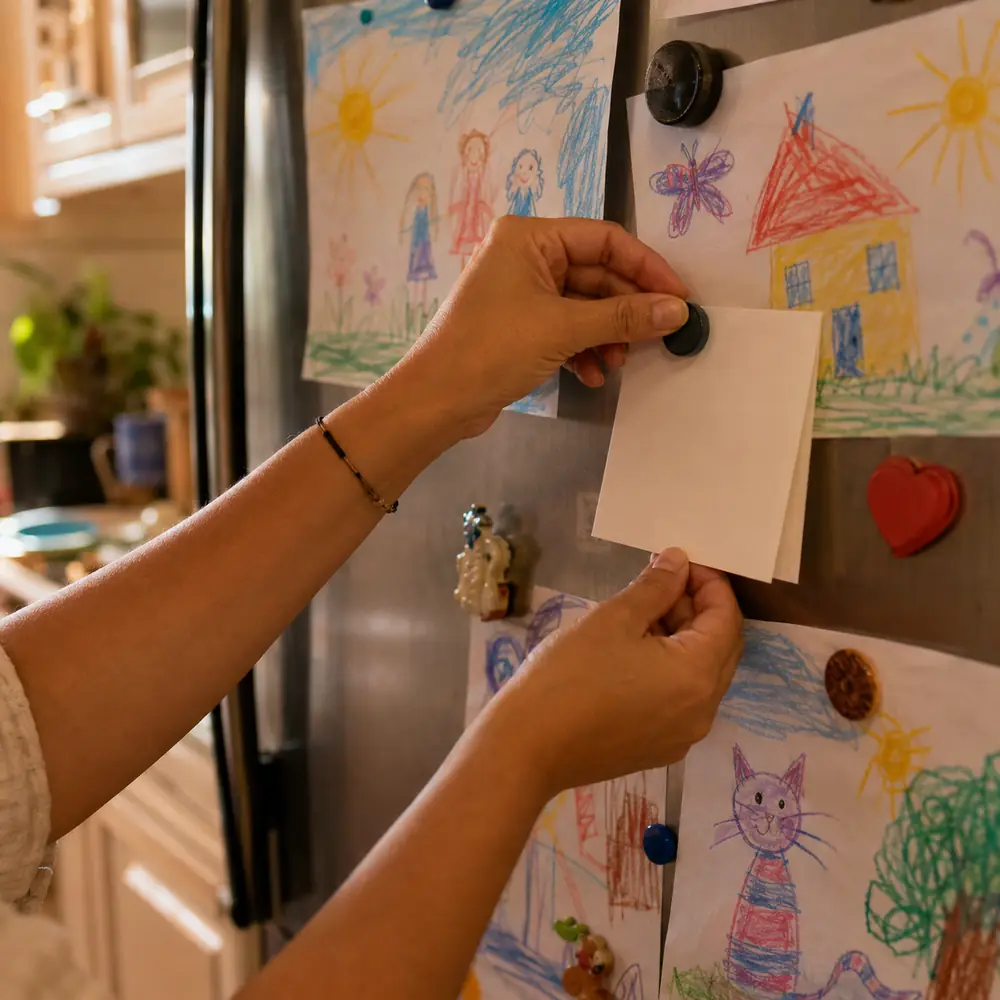
Sooner is kinder, but late is fine. The etiquette experts at the Emily Post Institute say to write your notes as soon as you can, and they add that a late note is always better than no note at all. That should take some pressure off.
What wrecks it is the Sunday marathon. Twelve notes at one table is misery for everyone, and the last four always come out grumpy. Try one note a day instead. Do it after breakfast or in the slow hour before dinner. Those dark winter afternoons need filling anyway, and a few more ideas are in the piece on what to do when it gets dark at four.
For relatives far away, a paper note is not the only option. A short video of your child holding the gift and saying thanks counts. So does a voice message sent on your phone. Some grandparents play those clips over and over, which a card cannot do.
What if they did not like the gift?
This happens in every family. The sweater itches, or the book is for babies. Your child still has to say thank you, but they do not have to lie.
Teach them to thank the person for the thought and skip the verdict. “Thank you for thinking of me and sending a present all the way from Ohio” is true. “It was so nice that you remembered I like cats” is true, even if the cat is on a scratchy sweater. Kids are better at this than we think once you show them it is allowed.
If your kid gets upset about a gift they do not like, name it first. It is okay to feel let down. Then help them find the one kind thing that is still true.
Why the imperfect note is the one that gets kept
A friend of mine found a note in her late mom’s jewelry box. Her son wrote it at four. He had drawn the fire truck from that Christmas, but with the ladder on the bottom and the wheels on top.
Her mom kept it for eleven years. She never kept the store-bought cards, or the neat ones my friend helped him copy later.
So let the spelling be wrong. Let the truck be upside down. Your job is to sit nearby, hand over the pencil, and fold the paper when it is done. The child does the rest, and that gets easier each year.
Leave the first comment
Share your thoughts
Frequently asked questions
Keep it to three short lines. Name the gift, say what they will do with it, and add one personal line such as a memory or a question for the giver. Younger kids can draw a picture while a parent writes down their exact words. Short and real beats long and polished.
Kids can take part from about age two by drawing a picture while you write their words. From five to seven, a fill-in-the-blank card with one sentence of their own works well. By eight, most children can write a simple three-line note mostly on their own.
There is no real cutoff. Sending notes soon after the holiday or birthday is kind, but the Emily Post Institute says a late note is always better than no note at all. If weeks have passed, have your child write it anyway and skip the long apology.
Yes, especially for relatives who live far away. A short video of your child holding the gift and saying thank you, or a quick voice message, does the same job as a card. Many grandparents enjoy replaying these clips, and it is easier for kids who struggle with writing.
Help them thank the person for the thought instead of praising the gift. Lines like thank you for thinking of me, or it was nice that you remembered I like cats, are honest and kind. Kids do not need to pretend they loved it, only that they noticed the effort.
Which book changed something at home - and which did you put back?
No right answers here - tell us how it went. Someone reading needs to hear it.
Join the conversation