
Twenty-Six Kids, One Classroom, and You Have Forty-Five Minutes
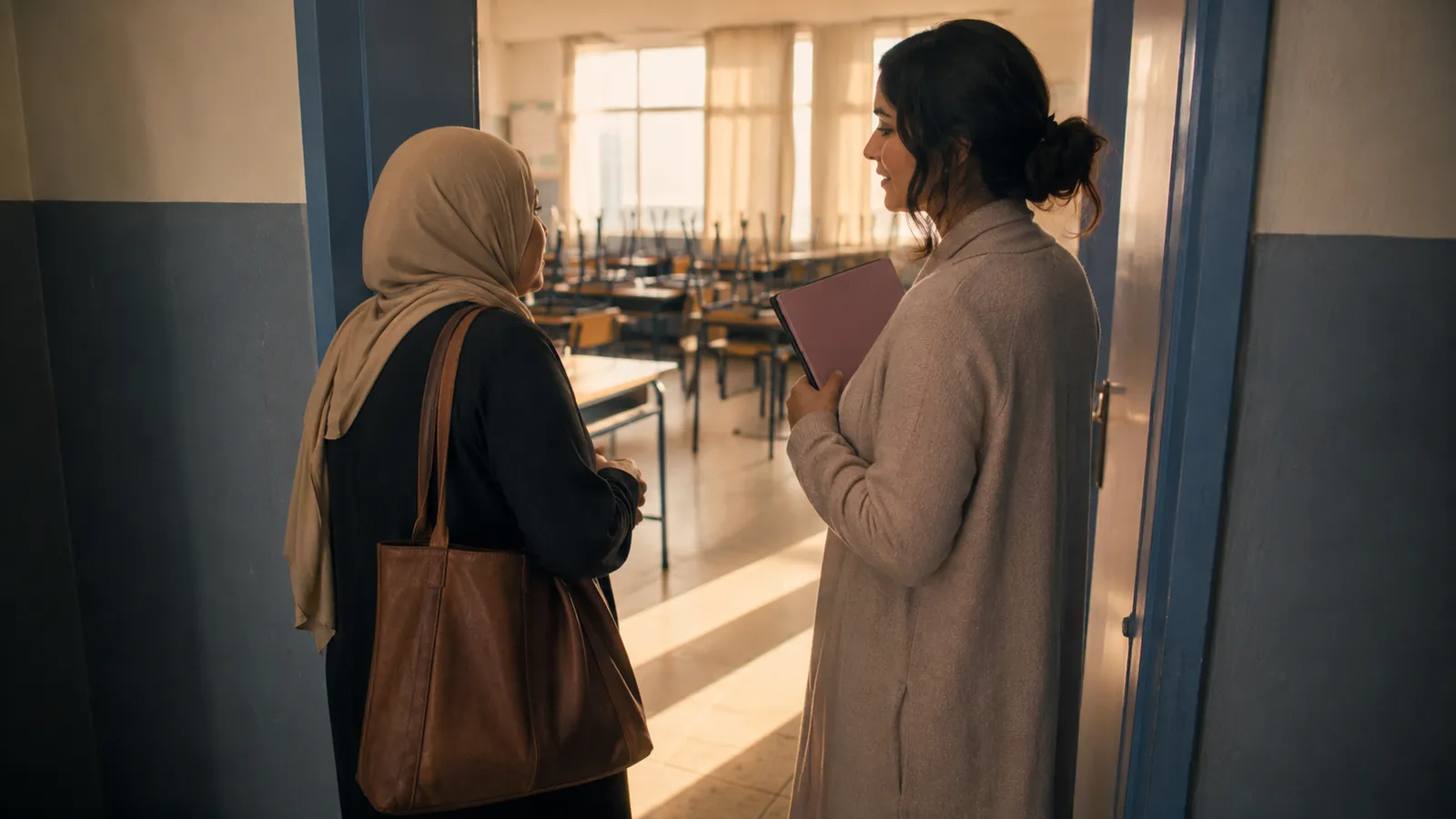
The email lands on a Tuesday afternoon. “Still need one room parent for the December party!” You hit reply before your coffee is even cold. Now the whole thing is yours: a folding table, a 45-minute window between math and dismissal, and twenty-six kids who already have opinions about candy canes.
Room parent turns out to mean party planner, allergy checker and craft-supply buyer, all in one afternoon before winter break. Last year’s room parent posted a photo that looked effortless. She was not working with a 45-minute slot and five allergies she only heard about on Monday.
If this feels like the trunk-or-treat sign-up sheet from October, it kind of is. Somebody always ends up running the party. This time, it’s you.
Get the classroom rules straight before you plan anything
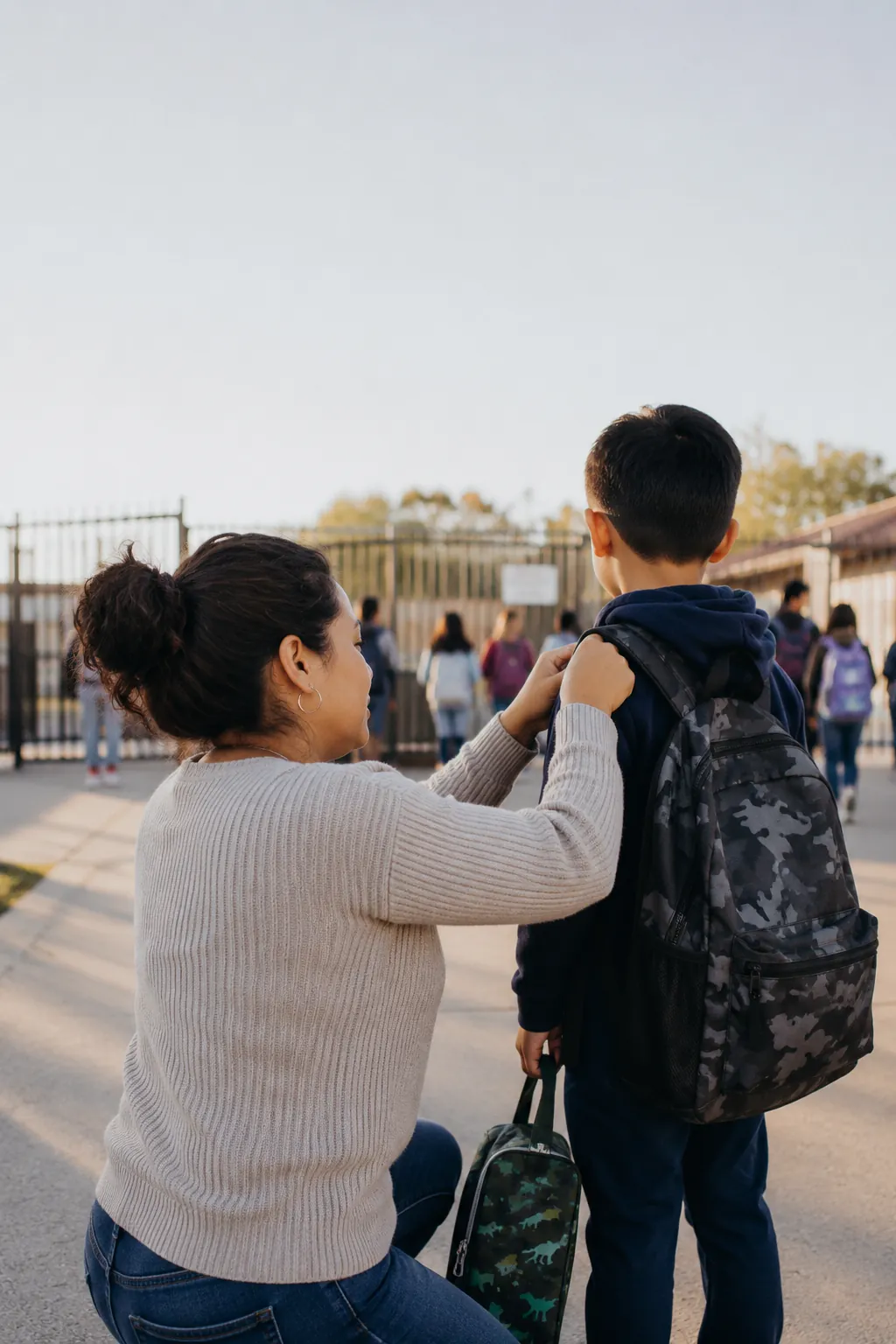
Most classroom Christmas party ideas start with a Pinterest board. Start with the teacher instead. She knows what the room can hold in 45 minutes.
Ask for the real time slot first. Most elementary parties run 45 to 60 minutes, usually right before dismissal or a lunch period. Ask next about food. Many schools have gone nut-free. Some require every snack to be store-bought and sealed in its own wrapper. A few skip food in the classroom and save treats for the walk home. That’s not your call, so get it from the teacher in writing.
Ask what the school calls this, too. Some say “holiday party” on purpose. Some parents still say “Christmas party” out of habit. Both work fine here. What matters more is who’s actually in the room.
That responsibility follows the class right into your afternoon. About eight in ten food allergy reactions at school happen in the classroom, not the cafeteria, according to FARE, which is why so many schools default to store-bought and sealed. A teacher who says no homemade treats is going by that data.
Build a station rotation that runs itself
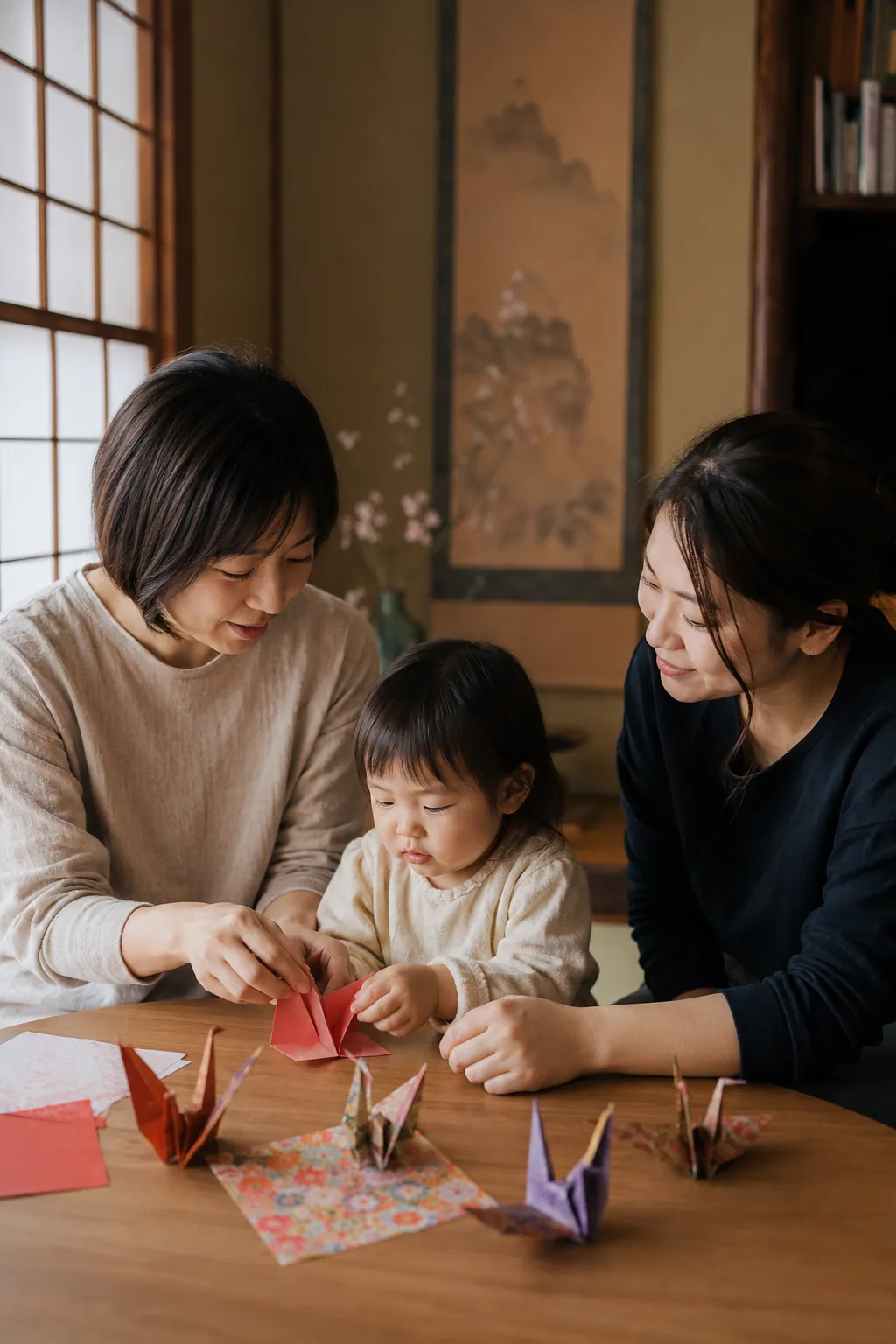
Four stations cover a 45-minute slot without you talking the whole time: a craft, a game, a snack, and a story or quiet activity. Split the class into small groups and rotate every 8 to 10 minutes, with a two-minute buffer for the shuffle. That buffer is the part people forget, and it’s the difference between ending on time and running past the bell.
The craft doesn’t need to be fancy. A folded paper ornament, a simple card, or beads on a pipe cleaner all take under ten minutes and go home with the kid. Our roundup of Christmas crafts for kids has a few that hold up fine at a folding table.
Hand each station to one parent. That’s why you line up two more people early, not the week of. One runs the craft, one runs the game, and you float between the snack table and whichever station falls behind. A story corner works as the fourth stop, good for a kid who needs a minute to sit down.
A living room party can run long. Our guide to a Christmas party at home with fourteen kids has room for that. A classroom doesn’t. The next class needs the space back on time, so the rotation matters more here than at your own kitchen table.
Games that work by grade band
Kindergarten through second grade wants movement and almost no rules. A mitten-and-box unwrapping relay, or a jingle bell hunt around the room, holds attention without long instructions. Keep the game under five minutes. This age group is done the moment the first kid wins.
Third through fifth grade can handle more structure and more competition. A minute-to-win-it style challenge, like stacking cups into a tree shape or balancing an ornament on a spoon, gives older kids something real to try at. Our minute-to-win-it games for kids has several that need almost no setup and pack down into one bin between rounds.
Whatever the grade, skip games with one winner and everyone else watching. A relay where every group finishes keeps the room from ending in tears.
The allergy-safe snack plan, without turning it into a production
About one in thirteen kids has a food allergy. That’s close to two in a typical classroom of 25, according to FARE and the CDC. At least one kid in your class probably can’t eat what felt normal at last year’s party, so plan around that early.
The same idea behind the teal pumpkin project applies here: a real, visible non-food option next to whatever food is allowed, so no kid has to ask for it out loud. A small bin of stickers, pencils and little toys beside the treat table does the job quietly.
If the teacher allows any food, keep it store-bought and sealed, with a readable ingredient list. Skip homemade anything, even the recipe that has never bothered anyone at your own table. A sealed label is the whole point, not a judgment on your baking.
Non-food favors and an inclusive holiday framing
A goodie bag full of candy clashes with the allergy plan, and it leaves out any kid whose family doesn’t do Christmas at home. Stickers, a small notebook, a bouncy ball or a silly pencil topper cost about the same and work for every kid in the room.
The framing matters just as much. If a few kids in your class celebrate Hanukkah, Kwanzaa or nothing in December, a party built entirely around Santa and candy canes tells them this one isn’t for them. Call it a holiday party. Pick a craft like a paper snowflake instead of anything specifically Christmas, and mention more than one December holiday during the story station. Our Hanukkah activities for kids has ideas that fit a mixed-holiday rotation.
Watch, too, for the kid struggling with all of it: the noise, the sugar, sitting still between stations. That looks different from a kid acting out on purpose. Our piece on a child who gets overloaded around the holidays covers what that usually looks like, including the quiet corner job as an easy fix.
Ask for help before you need it
Send the two-more-parents ask with the first note home, not the week before. Name the job specifically. “Can you run the craft table for fifteen minutes” gets a yes far more often than “can you help with the party,” which sounds open-ended.
If the class is also pooling money for a teacher gift, keep that separate from the party budget. Our teacher gift guide from students covers that side of things, so this list can stay just about the 45 minutes in the room.
Once the stations are covered and the teacher has signed off on the food, the party mostly runs itself. Let it. You don’t have to hold every part of this together for it to count as a good afternoon.
Leave the first comment
Share your thoughts
Frequently asked questions
Keep kindergarten games short, under five minutes, and low on rules. A mitten-and-box unwrapping relay, a jingle bell scavenger hunt around the room, or passing a wrapped gift to music all work because they need almost no instructions and end before anyone loses interest waiting for a winner.
Third through fifth graders do well with a minute-to-win-it style challenge: stacking cups into a tree shape, balancing an ornament on a spoon, or a timed ornament relay. These games give older kids something real to try at and pack down into one bin between rounds, so setup stays fast.
Most elementary classroom parties run 45 to 60 minutes, usually scheduled right before dismissal or a lunch period. Plan for cleanup and transition time inside that window, not on top of it, and build activities that rotate every 8 to 10 minutes so the whole class gets through every station.
About one in thirteen kids has a food allergy, close to two per classroom, according to FARE and the CDC. Ask the teacher for the class rules first; many schools require snacks to be store-bought, sealed, and nut-free, and keep any non-food treats on a separate plate from food items.
Call it a holiday party, choose crafts like paper snowflakes instead of anything specifically Christmas, and mention more than one December holiday during the story station. Non-food, non-candy favors also help, since they work for every child in the room regardless of what their family celebrates in December.

I started Decoded Kids because the calm, straight answer I needed at 2 a.m. just didn't exist. I'm a parent of two, still figuring it out - and I hold this whole place to one promise: real help, in plain language, with no one talked down to.
More from MayaWhat's the one thing that calmed the chaos in your house?
No right answers here - tell us how it went. Someone reading needs to hear it.
Join the conversation