
9 Things That Make Handwriting Less of a Fight
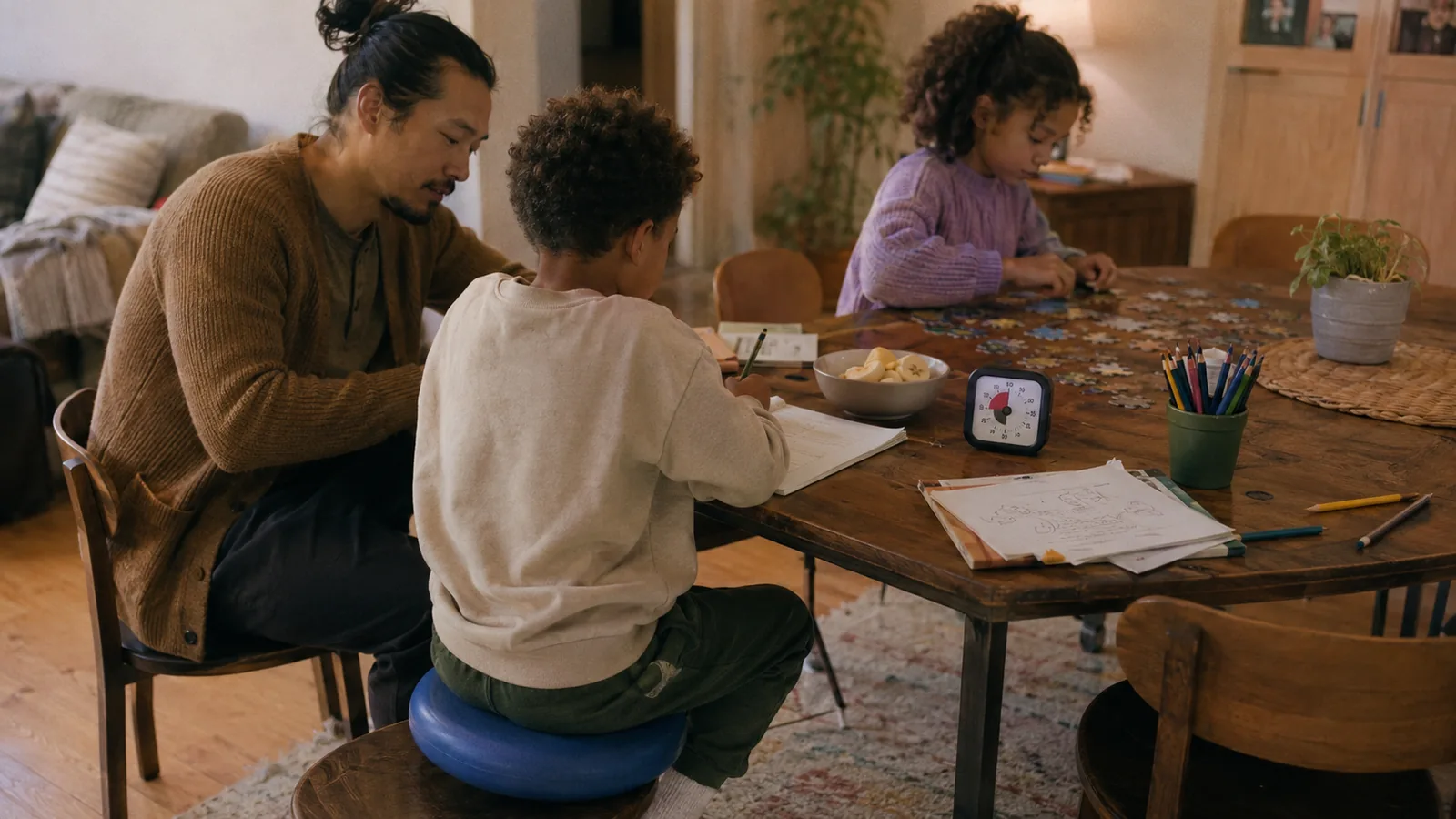
Nobody argues about handwriting because of the handwriting.
They argue because a child who finds it physically hard has been asked to do twenty minutes of the hardest thing in their day, at the end of it, at a table that is the wrong height, with a pencil they cannot hold comfortably. The letters are the last part of that chain, and they are the only part anyone looks at.
These nine picks are grouped by which part of the chain they fix. Start further up than you think.
Nine picks in three groups. Ratings are live Amazon ratings, never ours.
- 1
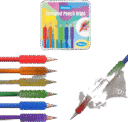 Textured silicone pencil gripsBest if you only buy one thing
 - 2
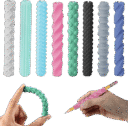 Eight pack of grip sleevesBest for a child who loses everything
 - 3
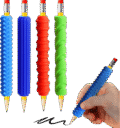 Molded finger-position gripsBest for a hold that keeps collapsing
 - 4
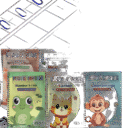 Grooved copybook set with pensBest for letters that come out backwards
 - 5
 Grooved practice book for ages 3 to 5Best first one, before school starts
 - 6
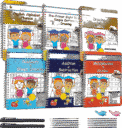 Reusable grooved writing setBest for repeating the same page
 - 7
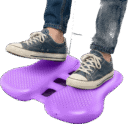 Wiggle cushion for the feetBest for legs that will not stay still
 - 8
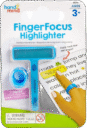 Finger highlighter for keeping the lineBest for losing their place mid-sentence
 - 9
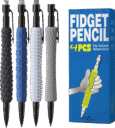 Silent fidget pencilBest for a hand that needs somewhere to go
Group one
The ones that change the hold
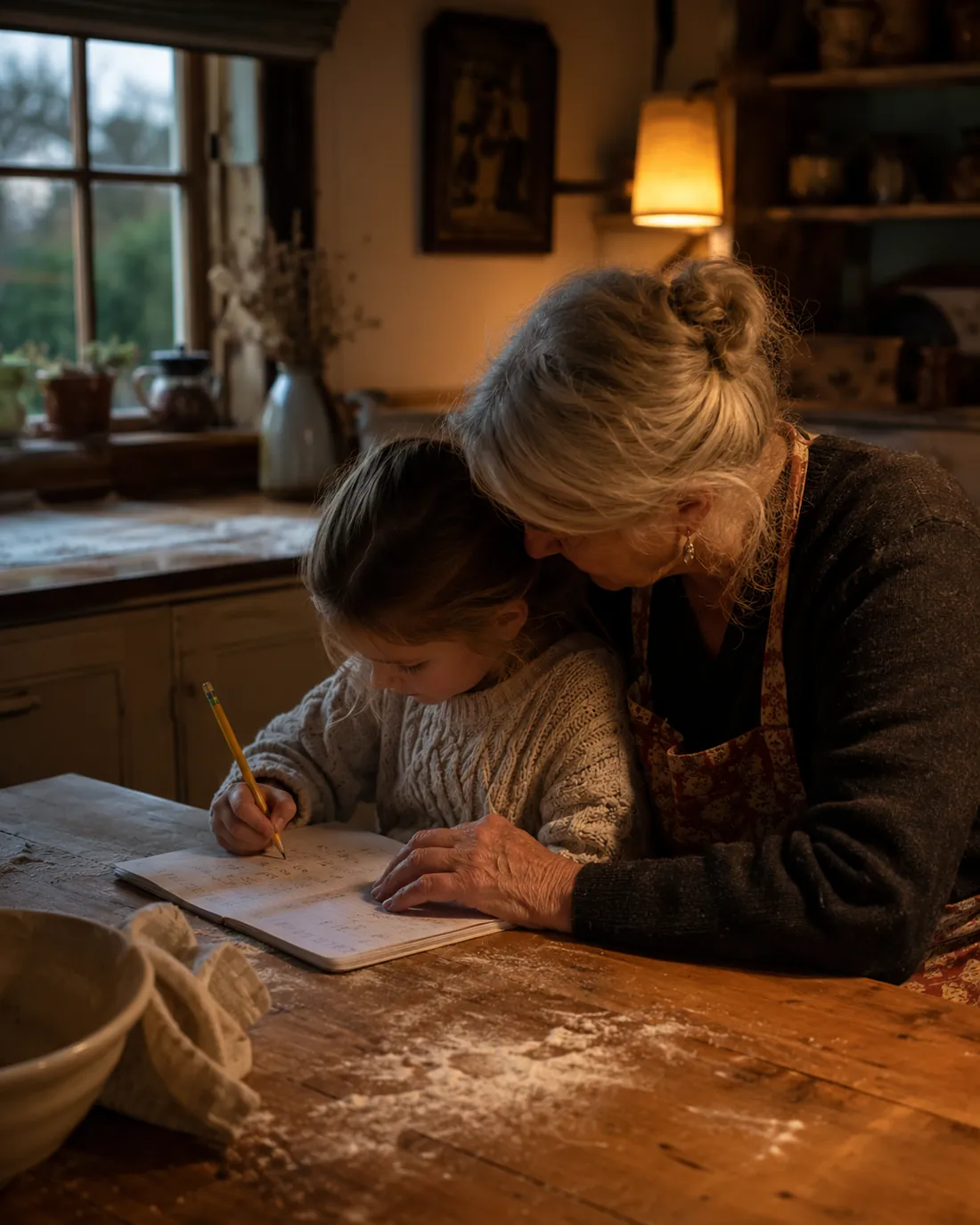
A grip is the smallest possible intervention and it is the one to try first, partly because it costs very little and partly because it is reversible on a bad day.
What it does is give the fingers something to land on, so the hand stops squeezing. Children who press hard enough to tear paper are usually not being careless, they are holding on. A grip takes some of that effort away.
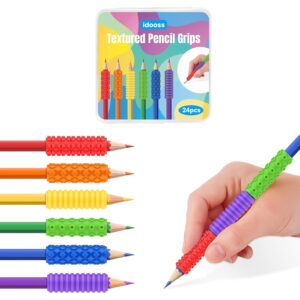
Silicone Textured Pencil Grips
As an Amazon Associate, Decoded Kids earns from qualifying purchases. Price checked live on Amazon.
Buy more than one shape if you can. There is no single correct grip, and the one that helps your child is the one their hand keeps choosing after a week, not the one the package says is ergonomic.
Group two
The ones that take you out of the argument
Here is the part most guides miss. The reason handwriting practice goes badly at home is that the parent is the one saying it is wrong, over and over, at the end of a long day.
Grooved books move that job to the paper. The child feels where the letter goes instead of being told, and you get to sit next to them and say nothing at all, which is a much better position to be in.
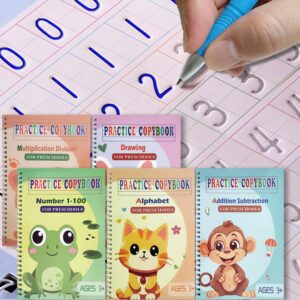
Keep the sessions short. Five focused minutes beats twenty resented ones, and the same is true of every routine at this end of the day. If getting to the table is the harder problem, the morning routine kit and our honest look at chore charts deal with the getting-started half.
Group three
The ones that fix the body, not the hand
Writing is a whole-body job. Feet flat, forearm supported, shoulder still. Take any of those away and the hand has to do the stabilizing as well as the writing.
This is why a child can write neatly at school and illegibly at your kitchen table. The school chair fits them and yours does not. Before you buy anything in this group, try a box under their feet and see what happens.
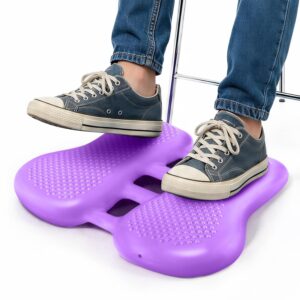
That one has a good rating on a small number of reviews at the time of writing, so treat it as promising rather than proven. It is the sort of thing worth trying cheaply.
If the wriggling is the whole story rather than a detail, the answer is usually movement earlier in the day rather than a better chair. We have a list of indoor movement ideas for exactly that.
What we would skip this year
Expensive ergonomic pens sold as a fix. A pen that costs as much as a school sweater still cannot make a tired child want to write. Try the cheap grips on the pencils you already own first, and only spend more if one shape clearly wins.
Handwriting apps as a replacement. Tracing on glass is a different physical job to dragging graphite across paper, with no friction and no resistance. As extra practice they are fine. As the only practice they are not.
And one thing that is not a purchase at all. Is writing painful? Is your child a long way behind the rest of the class? Has a year of practice changed nothing? Then the next step is the school and your doctor, not another product. Nothing on this page is a substitute for that.
The honest caveat: we have not tested every item here in our own homes. Ratings are live Amazon ratings, pulled from our product library rather than typed in by us, and where a rating rests on very few reviews we say so.
Neat is not the goal
The goal is a child who can get a thought onto paper without the writing costing them all their attention.
That is worth remembering when you are looking at a page of wobbly letters. Legible and comfortable is the finish line. Beautiful is a bonus that some children never collect, and they do fine anyway.
More for the school table
Frequently asked questions
For many children they help, mostly by reducing how hard the hand has to squeeze. They are not a cure for every difficulty. The right shape varies by child, so a mixed pack that they choose from works better than one you pick alone.
Gently and early, if the hold is causing pain or slowing them down. By around seven a grip is fairly established, and forcing a change then often costs more in frustration than it gains in neatness. Comfort and speed matter more than a textbook hold.
Five to ten minutes, most days, beats a long session on the weekend. Short and regular fits how the skill is built, and it keeps practice from becoming the thing everyone dreads after school.
Leave the first comment
Share your thoughts

I'm for the parent about to spend money they're not sure about. I buy the gadget, live with it, and give you the honest verdict - including the 'don't'. I've burned through enough hype to save you the cash, and when something truly earns its place, I'll show you exactly why.
More from TylerWhich tool earned its place - and which was a waste of money?
No right answers here - tell us how it went. Someone reading needs to hear it.
Join the conversation