
The Car Turning the Corner Almost Didn’t See Her
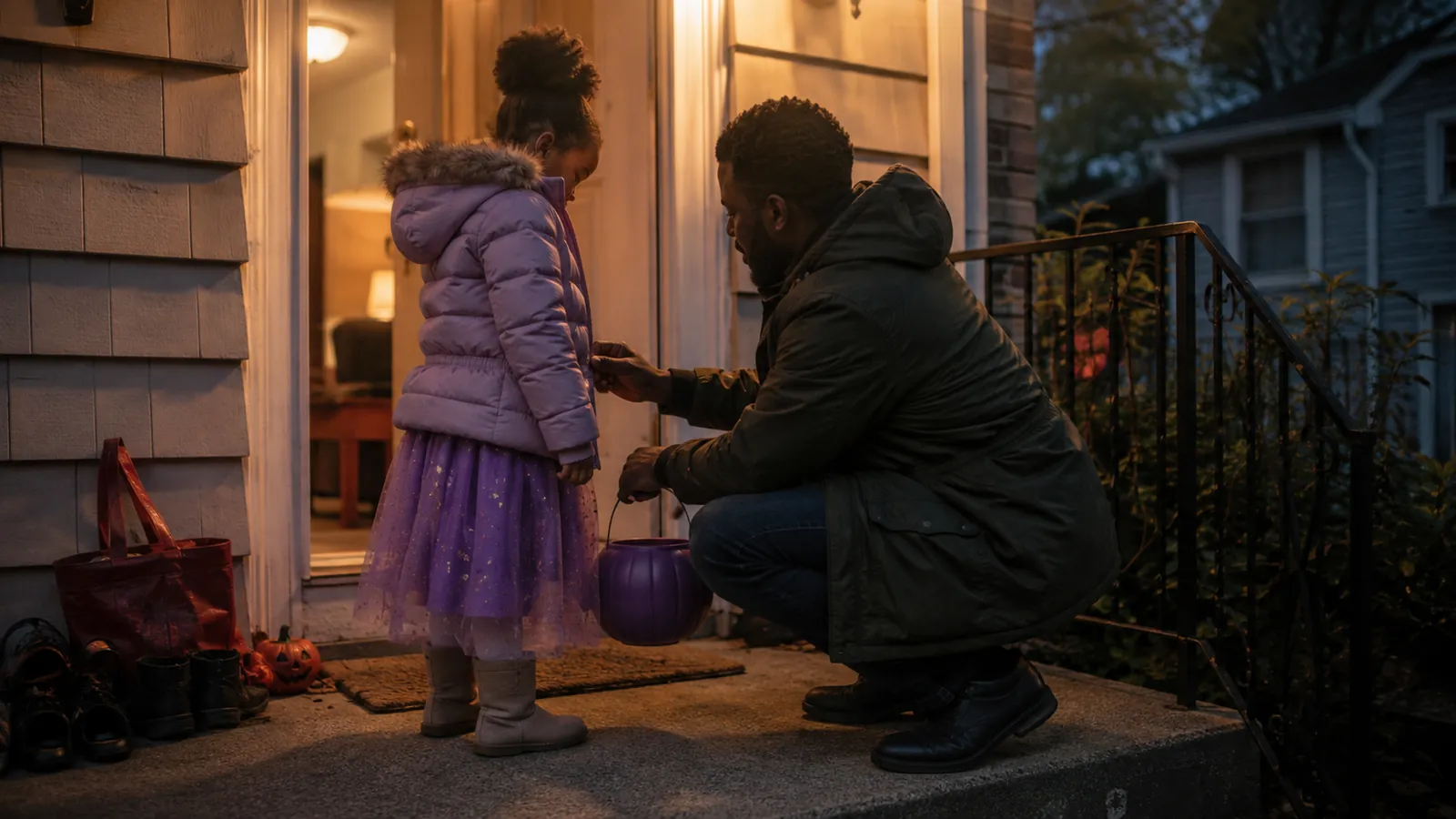
A minivan turned right at the corner just as her sneaker left the curb. The driver was watching the oncoming lane, not a small ghost stepping off a dark sidewalk. Nobody got hurt. It was close enough that the mom behind her grabbed her own son’s sleeve before she’d worked out why.
That is the Halloween story worth being scared of. Not the candy.
Rank the actual dangers of trick-or-treat night, the ones that send kids to the emergency room. Cars come out far ahead of anything in a stranger’s candy bowl. The mask, the cape, the loose gum, all of it matters too. Just not first.
What makes Halloween night dangerous for kids on foot
Skip the poisoned-candy story. Researchers and police have looked hard for real cases of a stranger lacing handed-out candy, and it turns up close to nothing, year after year.
Cars are not a myth. A 42-year analysis of national crash data, published in JAMA Pediatrics, found the relative risk of a pedestrian death was 43% higher on Halloween evenings than on comparable nights. That gap held across 608 deaths on 42 Halloweens versus 851 on 84 control nights. Break it down by age and it gets worse. Kids between 4 and 8 had roughly ten times their normal risk of being killed as a pedestrian on Halloween night.
Timing makes it worse too. Most crashes cluster between 5 and 7pm, right as costumes head out and dusk turns to dark. Drivers aren’t expecting kids to dart from between parked cars instead of a crosswalk.
Does your street have no sidewalks? Are your kids young enough that every crossing feels risky? Then ask whether you need to walk the neighborhood at all this year. A trunk-or-treat event trades street crossings for a parking lot. For a toddler, that’s a real safety upgrade.
How to make a costume a driver can see
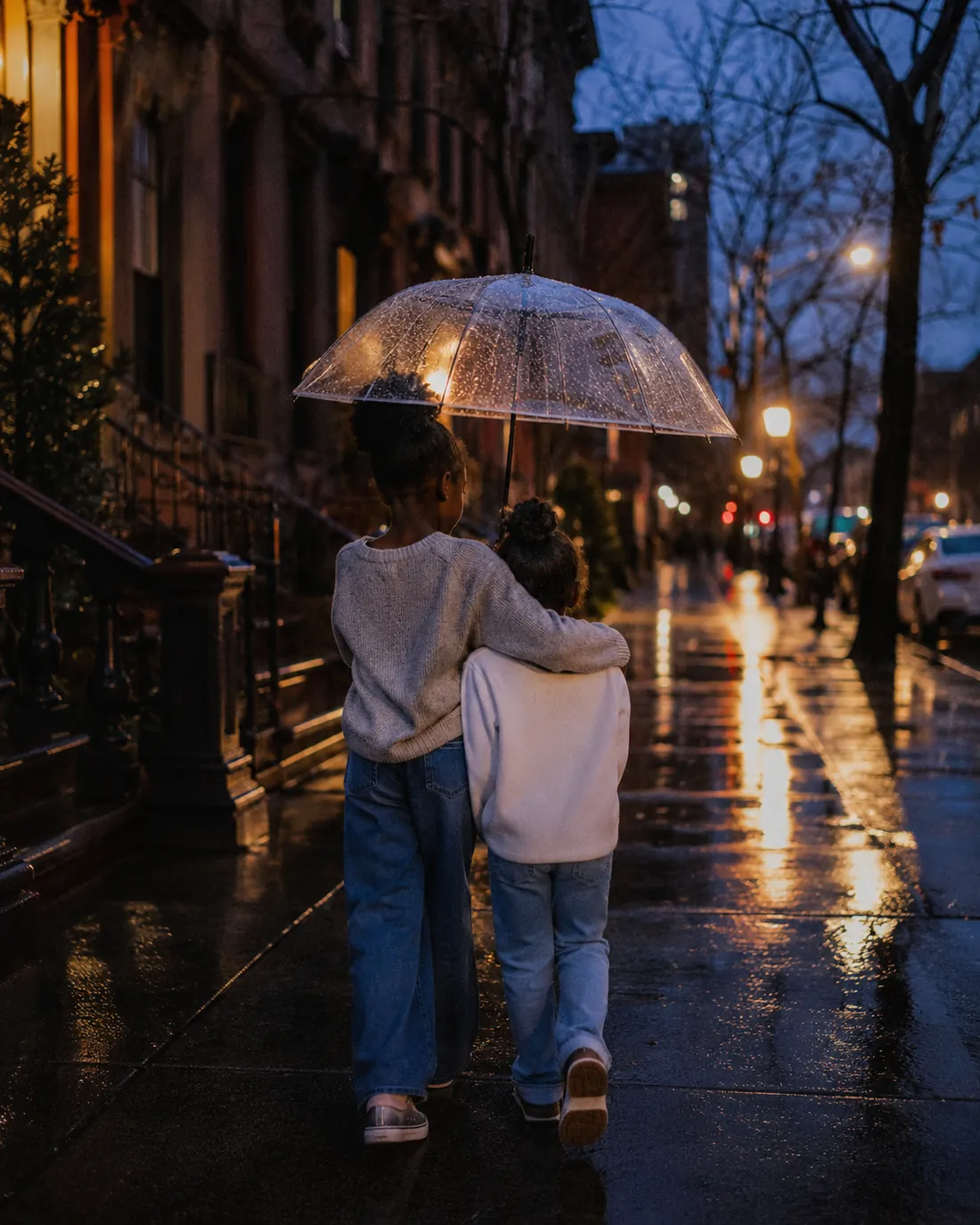
A black cat costume or a dark wizard robe looks great on the porch. Then it disappears the second your kid steps off the curb. The cheapest fix is reflective tape. The U.S. Consumer Product Safety Commission says exactly why it works: reflective tape “will glow in the beam of a car’s headlights,” which is the one moment that actually matters.
Stick a strip on the front and back of a costume, or wrap one around a treat bag handle. Glow sticks do the same job, looped onto a bucket handle or worn as a necklace. CPSC also recommends every child carry a flashlight, to see the curb and to be seen.
A line of reflective tape under a cape reads as a costume detail in daylight. Then it lights up like a stop sign the second headlights hit it. Five minutes with a roll of tape, against being seen from a block away. That one isn’t close. Buy the tape.
What to check before the costume leaves the porch
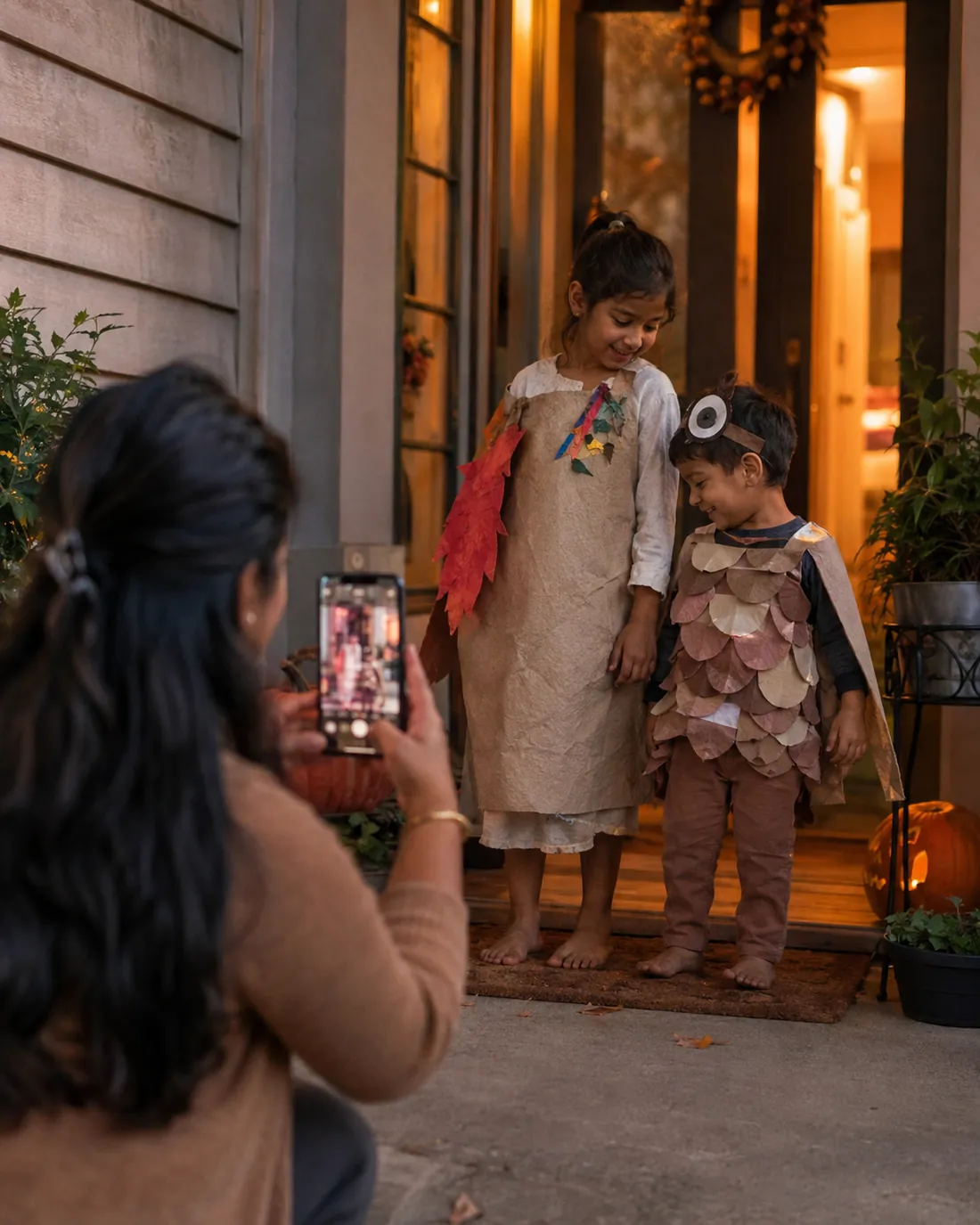
Two minutes on the porch catches most of what goes wrong later. Costumes should fit well and not drag on the ground, the CPSC advises, since a hem underfoot on dark front steps is how sprained ankles happen. A cape that reaches the knees photographs beautifully and trips its wearer on the way down a stranger’s stairs.
Flammability matters more than most parents think, since jack-o-lanterns and candles are everywhere that night. Look for costumes labeled flame-resistant, or fabrics that naturally are, like nylon and polyester, per CPSC guidance. A battery candle does the same job as an open flame, without the risk.
Masks are the other porch check. If your child wears one, make sure it fits securely and lets them breathe. The eye holes need to be wide enough for full side vision, not just a straight line ahead. Face paint sidesteps the whole problem. If itchy fabric or a hot mask is the real fight in your house, a sensory-friendly costume approach solves a different problem than this one. Still worth reading before the argument starts at 5:45.
What goes under the costume matters too. Fall evenings cool fast, and a thin base layer under the costume beats one bulky coat over the top. Driving somewhere first? Remember why a puffy coat and a car seat harness don’t mix. Padding underneath does the same thing.
The candy myth versus the candy risks that are real
Start with the tampered-candy fear. It’s almost entirely folklore. Documented cases of a stranger poisoning or hiding a blade in handed-out candy are close to nonexistent. The real candy risks are duller and a lot more common.
For a toddler, the risk is choking, not poisoning. The Consumer Product Safety Commission puts it plainly: “do not allow young children to have any items that are small enough to present a choking hazard.” That covers hard candy, gum and whole nuts. It covers the small toy at the bottom of the bucket too.
Food allergies are the other real risk, common enough that a whole national project exists around them. A teal pumpkin on a porch means that house has non-food treats too, the entire point of the Teal Pumpkin Project. Worth knowing if you’re handing out the teal bucket or scanning porches for one.
Sort the bucket at home, under a real light, not on the sidewalk by flashlight. Separate the fun candy from what a 2-year-old could choke on first. Then deciding what happens to the rest of it is a far calmer conversation than the one at the door mid-costume.
What’s the plan if someone gets separated
Pick the corner, the porch or the car, whatever it is, before anyone puts a costume on, not after a kid has wandered ahead chasing a friend into the dark. Say it once in the driveway: if we lose each other, this is where we meet.
Younger kids need an adult within arm’s reach, full stop. Safe Kids Worldwide is blunt about it: “Join kids under age 12 for trick-or-treating. If kids are mature enough to be out without supervision, tell them to stick to familiar areas that are well lit and trick-or-treat in groups.” Whether your almost-tween is ready for that step down is its own decision, worth more thought than a blanket rule gives it.
A phone helps, but only if it’s charged and on the kid, not zipped in a bag. For younger kids without one, your number written on their arm in marker means a stranger who finds them can reach you fast.
Pick one thing off this list and do it tonight
You don’t need a five-point plan executed at 5:30 with a toddler half in her costume. Grab the reflective tape or the flashlight first, the change most likely to matter if a driver looks away for one second. Everything else here still counts. It just counts less than being seen.
Leave the first comment
Share your thoughts
Frequently asked questions
The biggest one is visibility. Add reflective tape or a flashlight to every costume, since drivers are the top real danger on Halloween night, not candy tampering. After that, check costume fit and flame resistance, sort candy for choking hazards before young kids eat it, and agree on a meeting spot before anyone leaves the house.
Stay with an adult under age 12, cross only at corners and crosswalks, and carry something reflective or a flashlight after dark. Walk facing traffic where there’s no sidewalk, watch for cars pulling out of driveways, and agree on a specific meeting point with your group before anyone splits up.
Keep a toddler within arm’s reach the whole night and skip streets without sidewalks. Check their bucket for hard candy, gum or small toys, since choking is the real candy risk at this age, not tampering. A stroller or wagon also keeps a tired toddler off the curb near passing cars.
A short list covers most of it: reflective tape or a flashlight, a costume that fits and won’t drag, a flame-resistant label, a charged phone or a written phone number, and a set meeting spot. Sort candy for choking hazards before anyone eats it. Print the list and stick it by the door for a rushed night.
Rarely, and almost never from tampering, which is largely a myth with no real documented cases behind it. The actual risks are choking hazards for toddlers, like hard candy, gum and whole nuts, and allergic reactions. Sort treats before a young child eats them, and look for teal pumpkins marking non-food, allergy-safe treats.

I'm for the parent mid-meltdown - theirs or the kid's. I write from the actual floor of it: the crying that won't stop, the dinner thrown, the bedtime that unravels. Blunt because I respect you too much to pretend it's easy. Just what tends to work.
More from NourWhat's the one thing that calmed the chaos in your house?
No right answers here - tell us how it went. Someone reading needs to hear it.
Join the conversation