
The Costume Is the Whole Battle: a Sensory-Friendly Halloween That Works
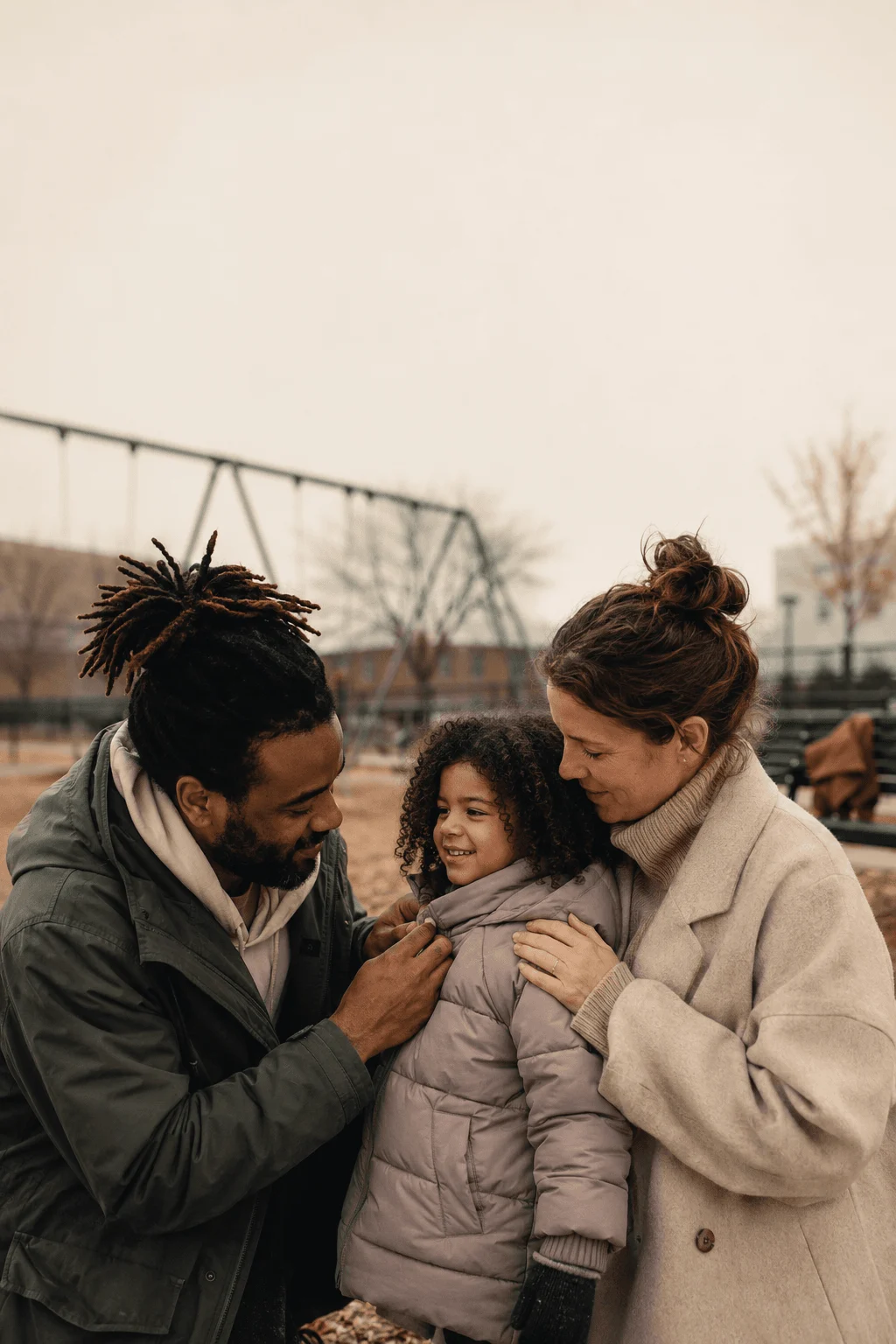
The costume worked in the store. Your kid picked it, hugged it, slept next to the bag it came in. The same gap shows up at the pumpkin patch, where the photos you pictured and what a toddler actually does there turn out to be two different days.
Then October 31st arrives, you slide it over their head, and they come apart at the front door. Screaming, pulling at the collar, done with Halloween before the first porch light.
If that scene lives at your house, you are not raising a difficult child. You are raising a child whose skin takes clothes personally, and Halloween is the one night we hand that child the itchiest outfit of the year and a deadline.
Why the costume melts down at the door
Most costumes are everything a sensory-sensitive kid avoids all year, sewn into one garment. Scratchy polyester, thick seams, tags in strange places, elastic at the wrists, a mask that presses on the face. A kid who already fights you over sock seams was never going to shrug off a full-body dinosaur suit.
Timing makes it worse. By the time the doorbell night arrives, your child has been marinating in Halloween excitement for weeks. School party, decorations, siblings counting down. Anticipation is not free for these kids; it spends the same energy they need for coping. So the costume goes on at the exact moment their tank is lowest. The decorations do their own share of that work, which is why a toddler can be frightened by Halloween decorations weeks before the costume ever comes out.
And the meltdown at the door is information, not defiance. The same nervous-system logic behind why some kids seek input and others hide from it decides whether your child wants to be the loudest ghost on the block or wants the whole street to stop flashing.
The costume rules that save the night
Every rule here exists because a parent learned it the hard way, usually at 6 p.m. on the 31st.
Size up, always. A costume one size too big stops touching the skin at every point, and it leaves room for a soft long-sleeve shirt and leggings underneath. Your child is basically wearing their own pajamas, with a costume floating on top. The advice comes straight from the people who field this question most:
Rehearse it like a school play. That practice run is the single highest-value move on this page. First wear: five minutes, at home, no pressure, taken off the moment they ask. Second wear: through dinner. Third: a walk around the block. By the real night the costume is old news, and old news does not trigger anyone.
Cut the labels, skip the mask. Tags out, face paint only if your child already tolerates touch on their face, and no masks for a kid who hates hats. A headband version of the same character reads just as well on a doorstep.
Or skip the costume entirely. A Halloween shirt over a soft hoodie counts. Pajama-style costumes count double; some kids wear theirs to bed for months, which is the best value in the whole store. One family we read about had a son who only wanted to dress up his finger, so his mom made a pumpkin finger puppet, and he was thrilled. That is not giving up. That is knowing your kid.
The coat problem, solved in September
In half the country, Halloween is cold. Which sets up the standoff every parent knows: the costume they love versus the coat they need, negotiated on a dark porch while the child wins.
The size-up rule quietly solves this too. Buy the costume big enough to fit over a fleece, and the coat argument never starts. The other honest options: build the costume around warm clothes (a black tracksuit becomes a cat, a spider, a ninja), or offer the wear-it-or-carry-it choice and let the cold make your argument for you. Ten feet of October air is more persuasive than any parent.
Plan the night in doses
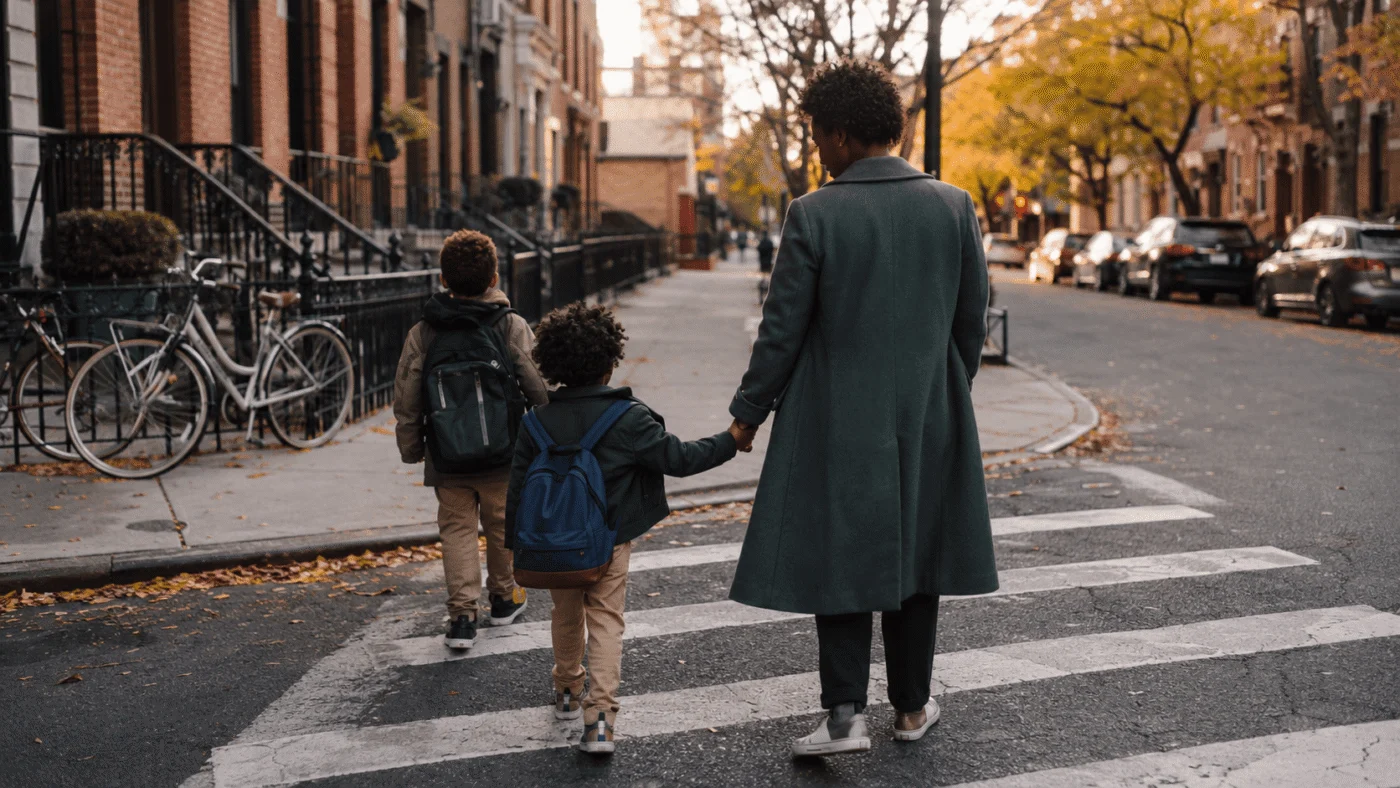
Trick-or-treating is a sensory gauntlet: strangers, masks, fog machines, motion-activated screamers, and a social script at every door. The fix is dosing, not avoiding.
Walk the route once in daylight, days before. Point at the houses you will visit. On the night itself, go early, while it is still light and the packs of teenagers are still home. Three houses is a complete Halloween. So is one. The American Academy of Pediatrics safety list is worth a skim the same week; short costumes and good visibility matter more once you are out after dusk.
Agree on a quit signal before you leave, a word or a hand squeeze that means we go home now, no questions. And if the doorbell side of the night is the loud part for your child, volume-limited headphones or ear defenders under a hood turn the street down without turning the fun off.
Many towns now run sensory-friendly trick-or-treat events, quieter trunk-or-treats in daylight, often listed by local autism groups in early October. Worth one search for your area; the phrase parents use is exactly that, sensory-friendly Halloween events.
If the night still goes sideways
Sometimes you do everything right and the street is still too much. Have a version of Halloween waiting at home: hand out candy together from your own doorstep, sort the loot into color piles, watch the same not-scary movie as last year. A printable activity at the kitchen table beats a meltdown on a stranger’s lawn every time.
And for the kid who chews collars and costume strings when the evening gets big, a proper chew necklace under the costume gives that energy somewhere safe to land. Candy engineering helps too: trade the hard candies out early, keep the favorites, and nobody argues about the rest. Some of the quiet fidgets from our sensory stocking stuffer list earn their keep in a coat pocket on this exact night.
Take the photo before the door
Get the picture at home, in the hallway, while the costume is still funny and the tank is still full. Whatever happens on the street after that, you already have the version of the night worth keeping.
Frequently asked questions
Soft, tag-free fabric, no masks or tight elastic, and a loose fit, ideally one size up so regular clothes fit underneath. Pajama-style costumes and character shirts work well. The biggest factor is familiarity: a costume worn several times at home before Halloween rarely causes a meltdown on the night.
No. Forcing a costume usually ends the whole evening, outfit included. Offer a soft backup like a Halloween shirt or hoodie, let them trick-or-treat in regular clothes, or let them skip dressing up entirely. Kids remember the fun of the night, not whether they wore polyester.
Go early and keep it short. Walk the route in daylight beforehand, start before dark, visit a few familiar houses, and agree on a quit signal in advance. Ear protection or volume-limited headphones help sound-sensitive kids. Three houses can be a complete, successful Halloween.
Masks are the most commonly refused costume piece: they press on the face, trap heat, and muffle vision and sound. Most sensory-sensitive kids do better with a headband, hood, or hat version of the same character, or with no headpiece at all. Face paint only works if your child already tolerates face touch.
Daytime or low-stimulation alternatives to street trick-or-treating: quiet trunk-or-treats, sensory hours at local farms or malls, and events run by autism organizations with no fog machines, strobes, or jump scares. Search your town’s name plus “sensory-friendly Halloween” in early October; local parent groups usually keep lists.
Leave the first comment
Share your thoughts

I'm for the parent mid-meltdown - theirs or the kid's. I write from the actual floor of it: the crying that won't stop, the dinner thrown, the bedtime that unravels. Blunt because I respect you too much to pretend it's easy. Just what tends to work.
More from NourWhat's the one thing that calmed the chaos in your house?
No right answers here - tell us how it went. Someone reading needs to hear it.
Join the conversation