
Is Melatonin Safe for Kids? The Poison-Control Numbers Say Slow Down
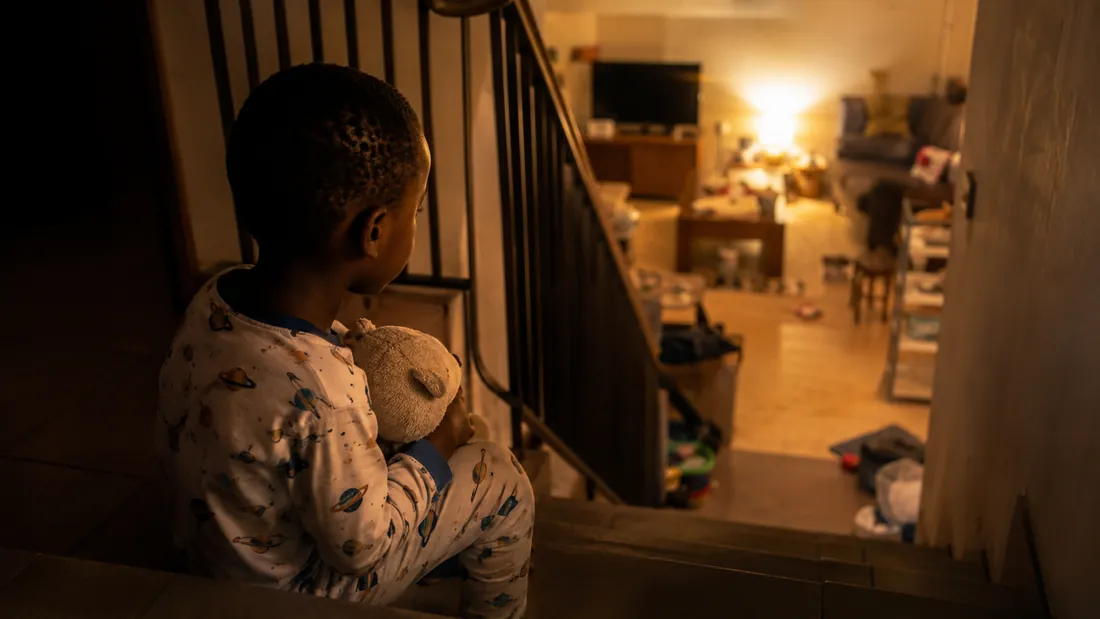
It is 9:40pm, the third bedtime standoff this week, and there is a bottle of strawberry melatonin gummies on the pharmacy shelf promising to end all of it. Half the parents you know swear by it. That is exactly why it feels harmless: it tastes like candy, you do not need a prescription, and it is sitting right there next to the kids’ vitamins.
None of which is the same thing as safe. And the numbers on how often this is going wrong are worse than most parents realize.
Why melatonin stopped looking harmless
The core problem is a labeling one. Melatonin is sold as a dietary supplement, not a medicine, which means no agency checks that what is printed on the bottle is what is actually inside it. A 2023 analysis of gummy brands found the real melatonin content was all over the map: some products held far more than the label claimed, a few held almost none, and some contained CBD that was never listed at all.
Stack a candy texture on top of an unverified dose and you get the exact scenario the poison-control data keeps describing: a young child who found the bottle, decided it was fruit snacks, and ate a fistful. Roughly 83% of those kids had no symptoms. The ones who did are why pediatricians stopped calling this a harmless sleep aid.
What melatonin does, and what it does not
Melatonin is a signal, not a sedative. It is the hormone that tells the body night has arrived; it does not knock a child out the way parents sometimes expect. That distinction matters, because it explains why melatonin works well for one kind of sleep problem and does almost nothing for another.
It can genuinely help when a child’s internal clock is in the wrong place: jet lag, a delayed sleep phase, or certain diagnosed cases in autistic and ADHD kids under a doctor’s guidance. It does very little for the far more common situation, which is a child who will not settle because the room is too bright, the day was too big, or bedtime has quietly become a negotiation. Most of those standoffs are behavioral or environmental, and our rundown of the real reasons a child won’t sleep covers what is usually going on.

SNOOZ Smart White Noise Machine
As an Amazon Associate, Decoded Kids earns from qualifying purchases. Price checked live on Amazon.
The order that works
Before a supplement, the boring stuff earns its keep. A consistent wind-down, the same bedtime every night, a dark and cool room, and screens off at least an hour ahead, because the blue light is working directly against the melatonin a body already makes on its own. If screens are the flashpoint in your house, the way you set the limit matters more than the limit itself.
From there it is worth checking the small physical things, the ones worth a spot on the nightstand, before you reach for a pill. And sometimes what looks like stalling is fear: a child who suddenly fights bedtime may be telling you the dark got scary, which no gummy will fix.
If you are going to try it anyway
Plenty of families land here after the routine is solid and sleep is still a fight, and that is a reasonable place to be. If you go there, do it the careful way rather than the pharmacy-shelf way.
- Talk to your pediatrician first, especially if your child takes any other medication.
- Start at the lowest dose. Research doses for kids are often 0.5 to 1 mg, a fraction of the 5 or 10 mg packed into an adult gummy.
- Give it about 30 to 60 minutes before bed, since it is a clock-setter, not an off switch.
- Treat it as a short bridge while you fix the routine, not a permanent nightly habit.
- Buy a child-proof cap and store it up high with the medicines, never with the snacks.
If you remember one thing
None of this means melatonin is poison or that you failed by considering it at 9:40 on a hard night. It means the thing marketed as harmless is not quite that, and the sequence matters: fix the room and the routine first, keep the bottle locked up and out of reach, and if you still need help, get it in a dose a doctor signed off on. Later, careful, and lowest-dose beats a fruit-flavored guess every time.
Frequently asked questions
For most children it can be safe in a low dose for a short time and with a pediatrician’s guidance, but it is not the harmless candy the packaging suggests. Poison control calls about kids and melatonin rose 530% between 2012 and 2021, driven mostly by young children finding gummies and eating too many. Fix sleep routines first and treat melatonin as a short-term, doctor-approved bridge.
Research doses for children are typically low, often 0.5 to 1 mg, which is a fraction of the 5 to 10 mg in many adult gummies. Because melatonin is an unregulated supplement, the actual amount in a product can differ from the label, so confirm the dose and product with your pediatrician before giving any.
No. Melatonin is a hormone that signals to the body that it is night, not a sedative that forces sleep. It helps most when a child’s internal clock is off, such as jet lag or a delayed sleep phase, and does little for bedtime resistance caused by a bright room, a busy day, or bedtime fear.
Melatonin became widely available in candy-like gummy form at the same time that more households kept it on hand. Young children mistake the gummies for candy and eat several. A 2023 analysis also found gummy products often contained more melatonin than the label stated, which raises the dose an accidental ingestion delivers.
Start with sleep hygiene: a consistent bedtime, a calming wind-down, a dark cool room, and screens off at least an hour before bed. Rule out fear or a too-stimulating evening. Most bedtime battles come from routine and environment, not a melatonin shortage, so those changes fix more than a supplement usually will.
Leave the first comment
Share your thoughts

I'm for the parent doing it largely alone. I've done the single-dad decade - two homes, one income, the handovers, the very quiet Tuesdays - and I write from the far side of most of those days, with humor and hard-won calm. Not advice from above; a hand back from a few steps up the road.
More from DiegoWhat's the one thing that calmed the chaos in your house?
No right answers here - tell us how it went. Someone reading needs to hear it.
Join the conversation