
When Your Child’s Anxiety Looks Like Anger
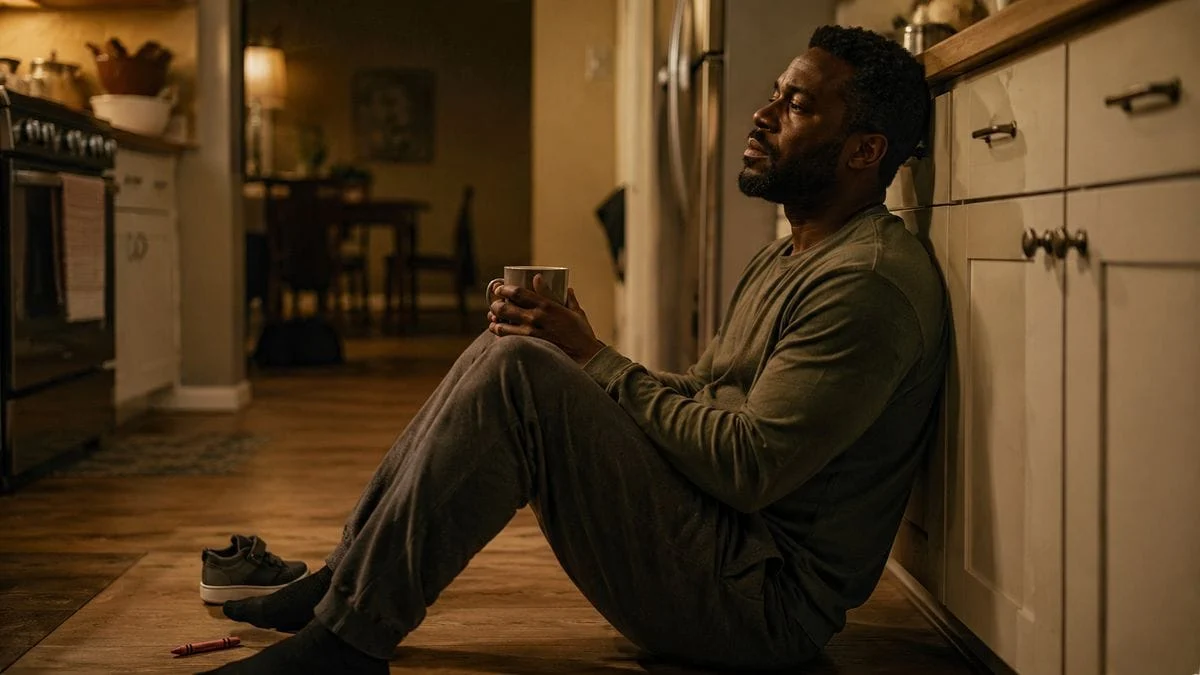
Your kid snaps over nothing and the whole room changes temperature. A cup is wrong, the sock feels evil, the homework page is suddenly impossible, and now you are standing there thinking: why is everything a fight?
Sometimes anger is anger. Sometimes it is fear with its fists up. And if someone has already used the word oppositional about your child, it is worth knowing what that label does and does not explain. Child anxiety can come out as shouting, refusal, stomach aches, bossiness, door-slamming, or a child who needs the answer to the same question again and again because their body will not believe it the first time.
The hard part is that anxious anger can feel personal. Your child aims it at you because you are there, because you are safe, because you are the person holding the boundary, the backpack, the bedtime, the appointment, the plate they suddenly cannot tolerate. None of that makes it fun to receive. It still lands. Sometimes the trigger really is physical, like a seam in a sock that will not stop shouting.
Is it anger or anxiety? What to look for
The CDC says childhood mental health concerns deserve attention when symptoms are severe, persistent, and interfering with home, school, or play. That is a clean sentence. Real life is messier. It looks like a child who seems fine all afternoon, then detonates when you say it is time to leave. Teachers see the fine part; you get what is left at the end of the day. Or one who controls the route to school down to the last turn because the unknown feels like a cliff edge.
Anxious kids do not always announce themselves. Clinicians at the Child Mind Institute point out that anxiety in children is routinely misread as defiance or anger, while the quiet, compliant, eager-to-please worriers get missed entirely. Different costume, same little alarm system underneath.
So look for patterns around pressure points. School mornings. Bedtime. Handovers. New places. Loud rooms. Tests. Sleepovers. Anything where your child has to separate, perform, wait, be watched, or not know what happens next. A kid who melts down before a birthday party may not be ungrateful. They may be picturing every possible way the room could go wrong. If the pattern clusters around the classroom, the piece on when school suddenly feels too big walks through that specific fear.
The body gives clues too: stomach aches, headaches, tight throat, sudden tiredness, needing the toilet, not eating, not sleeping, or asking for reassurance until you feel your own patience start to fray. If bedtime is part of the loop, the piece on why your child won’t sleep sits right beside this one. An anxious brain gets very busy when the house goes quiet.

What helps in the hot minute?
Start by lowering the amount of language in the room. I know, the urge is to explain. To correct the tone. To make sure they understand why this is not okay. But a flooded child cannot take in your full TED Talk on respect. A flooded adult cannot either, honestly.
Try one short line: “Something feels too big right now.” Or: “I am not scared of your anger. I am staying close.” Then pause. Let your face do half the work. Calm is not a magic trick, and you may be faking it with your jaw clenched, but even fake calm gives a child something sturdier to borrow.
This is the kitchen-floor version of what cognitive behavioral therapy often teaches more formally, and it is the same ground The Whole-Brain Child covers chapter by chapter: notice the body alarm, name the thought, choose the next doable action. With children, that next action may be tiny. Shoes by the door. One sip of water. Sitting on the bottom stair. Anyway, tiny still counts.
What do you do after the storm?
Do not rush straight into the lesson. Give their body time to come down. Offer water, food, a blanket, quiet. Once their shoulders look less like earrings, you can wonder out loud: “I think something started feeling too much before you shouted. Was it the noise, the hurry, or not knowing what was coming?”
You are not excusing the behavior. You are looking for the fuse. That is different. The words can still need repair. The boundary can still hold. If they said something brutal, the article on when your child says I hate you may help you separate the sentence from the child underneath it. And some kids find it easier to borrow language from a story than from a parent; the picture book reviewed in Hey Warrior gives a worried kid words for the alarm going off inside.
If sensory overwhelm is part of the picture, keep the autistic meltdown guide nearby too. Some children need fewer words, lower light, less touch, or a clear exit before they can even begin to think.
When do you bring in help?
Bring in help when the worry is shrinking your child’s life: school refusal, lost friendships, daily pain, panic, sleep falling apart, or anger that scares them afterwards. You do not need to wait until the house is in ashes. Start with your pediatrician, the school counselor, or a licensed child therapist, and bring the scrappy note.
If your child talks about wanting to die, hurting themselves, or not being able to stay safe, treat that as urgent. In the U.S., call or text 988. You can stay warm and still move quickly.
Mostly, I want you to know this: seeing the fear under the anger does not make you soft. It makes you accurate. And accurate is where the useful parenting usually starts, even on the kitchen floor with one shoe missing.
Frequently asked questions
Yes. Anxiety in children often shows up as refusal, arguing, controlling behavior, anger, stomach aches, or clinginess rather than visible worry. The pattern matters more than one single outburst: anxious anger clusters around pressure points like school mornings, bedtime, transitions, and new or unpredictable situations.
Use fewer words first. Try one calm sentence like “something feels too big right now,” then wait. A flooded child cannot absorb explanations. Save the teaching and any repair of hurtful words for after their body has settled, with water, food, or quiet in between.
Ask for help when anxiety is interfering with school, sleep, friendships, eating, family life, or safety, or when the anger frightens your child afterwards. Start with your pediatrician, school counselor, or a licensed child therapist. Any talk of self-harm is urgent: in the U.S., call or text 988.
Cognitive behavioral therapy is a common evidence-based treatment for childhood anxiety. A trained professional helps a child notice their body’s alarm signals, name the anxious thought, and choose a small doable next step, the same sequence parents can practice informally at home during calm moments.
Leave the first comment
Share your thoughts

For nearly two decades I was the youth mentor across from the angry kid, the silent one, the parents out of ideas. I write the way I listened - slow, steady, never from above. If tonight feels heavy, I hope this felt like having someone in the room.
More from TheoWhen did you last feel out of your depth - and what helped, even a little?
No right answers here - tell us how it went. Someone reading needs to hear it.
Join the conversation