Hey Warrior, Reviewed: The Book That Finally Explains Anxiety to a Worried Kid
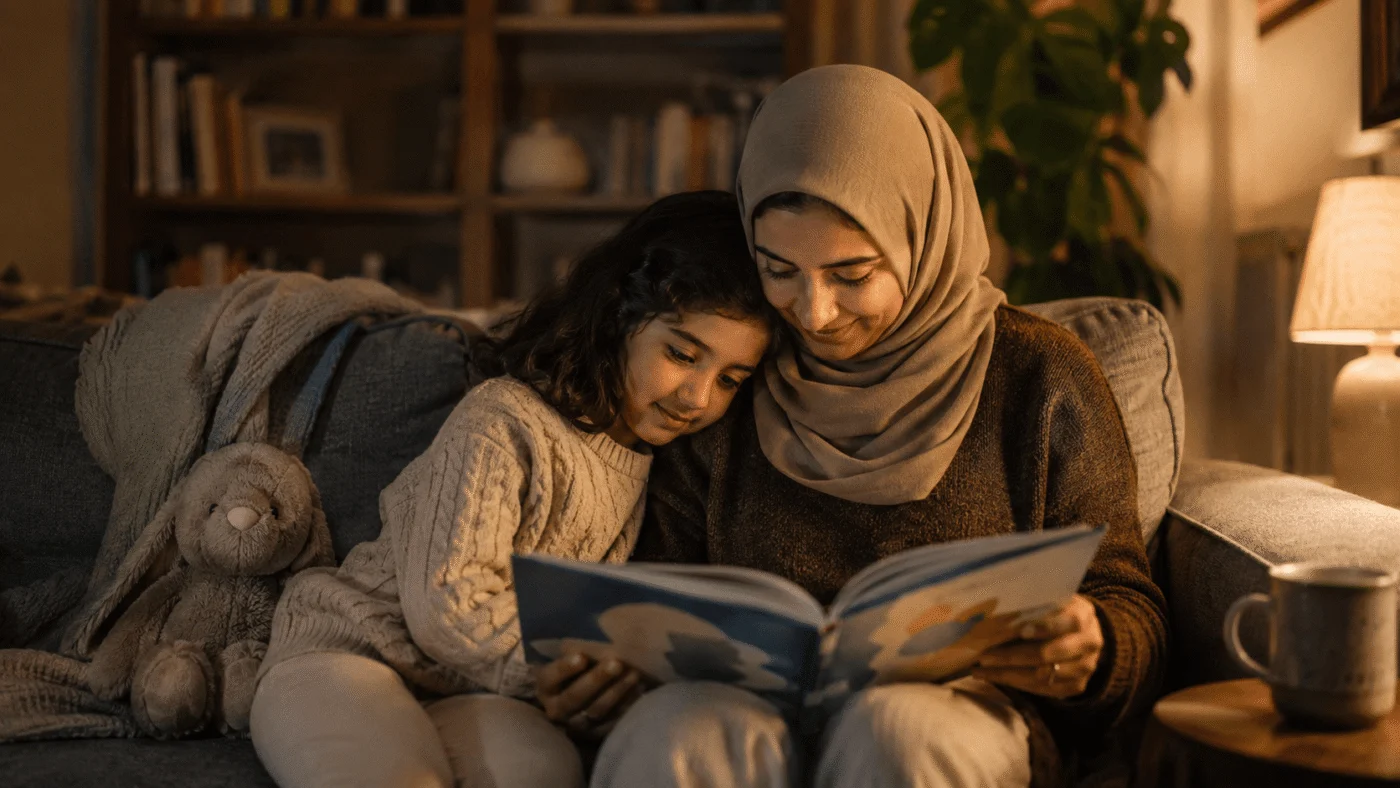
The questions always came at the worst possible time. Lights off, the day finally winding down, and then the small voice in the dark: what if there’s a fire, what if you forget to pick me up, what if I’m sick tomorrow. You can answer every single one and it changes nothing, because the worry was never really about the fire. If that loop sounds familiar, a slim picture book called Hey Warrior might do more for your child than another hour of your reassuring ever will. Here is what it gets right, and where it falls down.
What is Hey Warrior about?
Hey Warrior is a picture book by Karen Young, the Australian psychologist behind the parenting resource Hey Sigmund. It does one deceptively big thing: it explains to children what anxiety is, in words a six-year-old can hold. The star of the book is the amygdala, the small almond-shaped part of the brain that Young recasts as a slightly overenthusiastic guard dog, forever scanning for danger and sometimes barking when there is nothing there. Anxiety, the book tells them, is not proof that something is wrong with you. It is your brave, twitchy warrior brain trying to keep you safe and getting its wires crossed. The child gets to understand the feeling instead of being frightened by it.
Why does explaining the brain calm an anxious child?
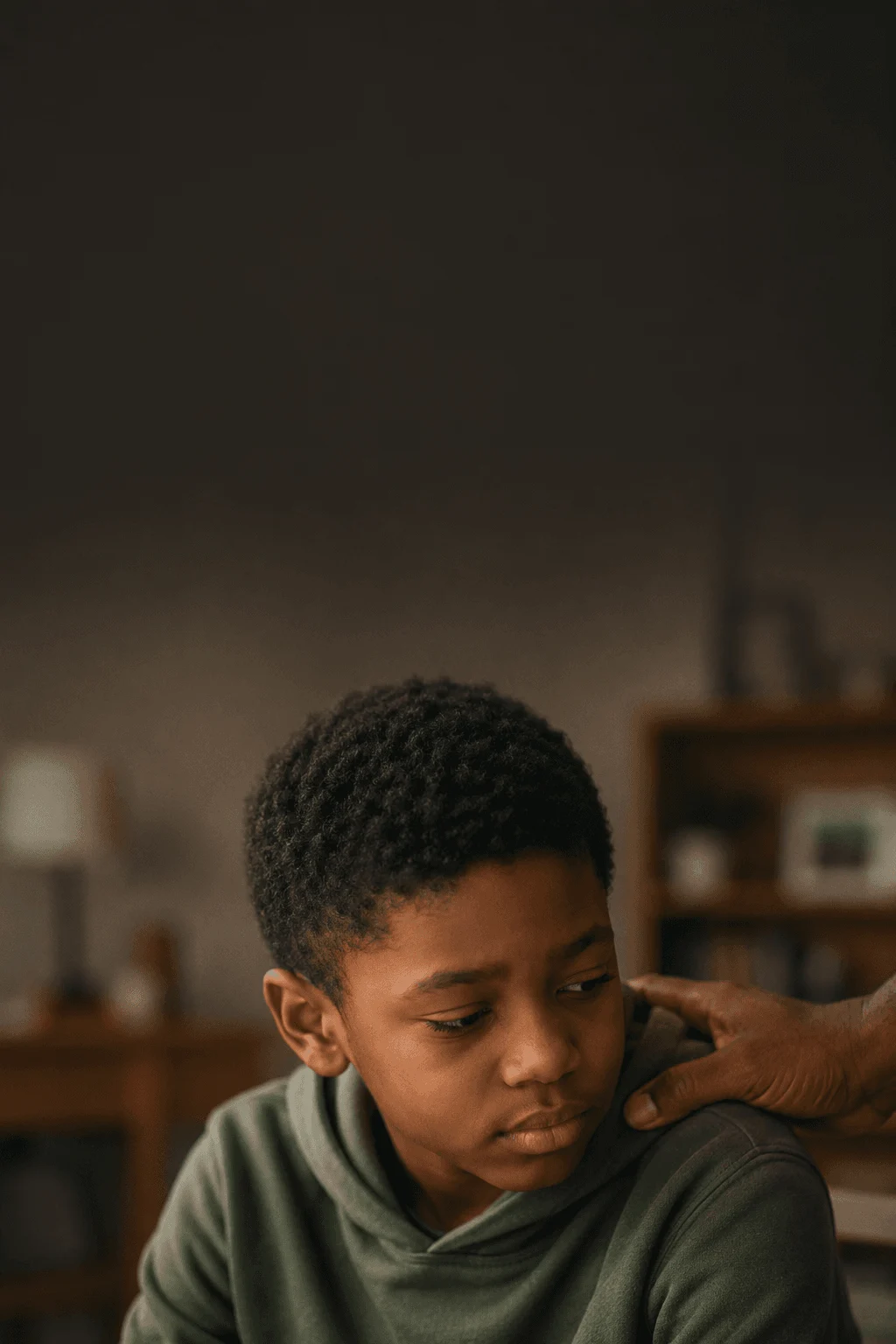
There is real psychology under the cartoons. When a child can name what is happening inside their body, the feeling tends to loosen its grip, the idea Dan Siegel and Tina Payne Bryson made famous as name it to tame it. Hey Warrior hands a child that exact tool: a word and a picture for the thing thudding in their chest. And this matters more than it might sound, because childhood worry is common, not rare. About 1 in 9 children aged 3 to 17 in the US has a diagnosed anxiety condition, going by CDC data, and far more carry the everyday kind that never reaches a clinic. Giving them a way to understand it early is genuinely protective. So much of what shows up as defiance or clinginess is really anxiety with no words attached yet, and a book like this quietly hands over the words.
How do you read Hey Warrior with your child?
Do not treat it as a one-off bedtime story you tick off. The book earns its keep on the second read, the fifth, the tenth, the point where its language slowly starts to belong to your child.
- Read it on a calm day first, never in the middle of a meltdown, so the ideas land while the guard dog is asleep and are there to reach for later.
- Let your child name their own amygdala. Ours became “Nigel,” and suddenly “Nigel’s barking again” was something we could say at school pickup without a scene.
- Feed the book’s words back to them in the moment. “That is your warrior brain working too hard” lands very differently from “there’s nothing to worry about.”
- Pair it with one calming thing, slow breathing or a hand on the chest, so your child has something to do once the feeling finally has a name.
Where Hey Warrior falls short
No single book fixes anxiety, and this one has limits worth knowing before you bring it home. It is text-heavier than a board book, so for a wound-up two or three-year-old it can be a lot, and the gentler, rhymier The Worrysaurus or Ruby Finds a Worry suit the very young better. The science is simplified by design too, which means the child who asks forty follow-up questions will have you filling in the gaps yourself. It also teaches rather than treats, so for anxiety that stops a child eating, sleeping or facing school at all, the book belongs alongside proper support and never in place of it. The spelling is Australian and British as well, which throws some American kids for a second, a small thing, but worth the heads-up.
So who is Hey Warrior really for?
If you have a school-age child, roughly five to ten, who feels big worries and has no language for them, this book is close to essential. It is the one I hand to parents who tell me their kid is anxious and they have no idea where to start, because it starts the conversation for you. It will not do the work on its own. What it will do is give your child a way to look at their own fear and think, oh, that is just Nigel, instead of something is wrong with me. For a worried kid, that small shift is close to everything, and it tends to outlast the book by years.
We have a whole stack of feelings books in this house, most of them read once and quietly retired to the bottom shelf. Hey Warrior is the one with the cracked spine, the one that still gets pulled out on the wobbly nights. Some books teach your child a lesson and are done. A few hand them a word they will use for the rest of their lives, and that is far rarer, and worth a great deal more than the cover price.
Frequently asked questions
Hey Warrior by Karen Young is a children’s picture book that explains anxiety to kids. It describes the amygdala as an overprotective guard dog in the brain that sometimes raises the alarm when there is no real danger, helping children understand their worry instead of fearing it.
It suits roughly ages 5 to 10 best. The ideas and the amount of text work well for school-age children who can follow a short explanation. For toddlers and preschoolers, a simpler rhyming book like The Worrysaurus is usually a gentler place to start.
For many families, yes. By naming what anxiety is and giving it a friendly character, it makes the feeling less frightening and easier to talk about. It works best alongside calming strategies, and it is not a substitute for professional help when anxiety is severe.
Karen Young, an Australian psychologist and the founder of the parenting resource Hey Sigmund. She writes about child anxiety and the developing brain, and created Hey Warrior to put that science into language children can understand.
Leave the first comment
Share your thoughts

I'm for the parent standing in the bookshop, overwhelmed. I read them all - the wise, the smug, the single good idea stretched to 240 pages - so your nightstand stack stays short. I'll point you to what's truly worth it, and kindly, what to put back.
More from MeiWhich book changed something at home - and which did you put back?
No right answers here - tell us how it went. Someone reading needs to hear it.
Join the conversation