
My Child Says Their Teacher Is Mean. What Do I Do First?
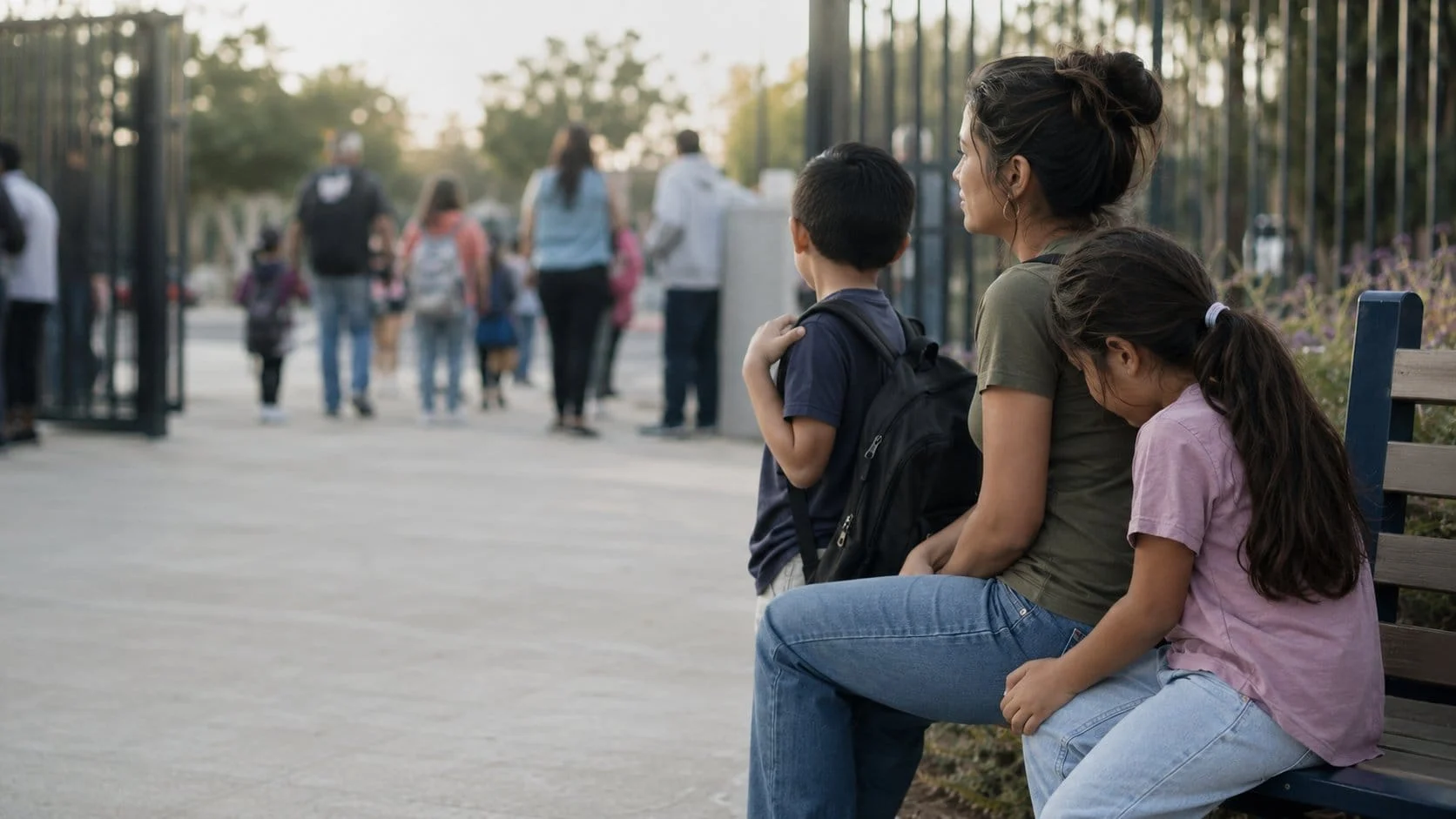
“My teacher is mean.” It can land in your chest like a stone. You want to protect your child, and you also know you have to send them back tomorrow. That is an awkward place to stand.
Do not brush it off, and do not send an angry email from the grocery-store parking lot. Your child may be describing one sharp moment. They may feel singled out. Or they may be telling you about something that needs adult action. The first job is to make the story safe enough to hear.
A feeling is real, even when the facts are still fuzzy

Children often use “mean” for many different experiences. It may mean a teacher raised their voice or corrected them in front of peers. It may also mean a rule felt unfair, a need was missed, or the teacher seemed impatient. It can also mean something genuinely worrying. You will not know which by debating the word.
Child Mind Institute notes that children with ADHD, anxiety, or learning differences can hear ordinary feedback as heavy criticism. That does not mean the child is making it up. It means the relationship may feel strained from their side, and that matters.
Try: “What happened right before you felt they were mean?” Then wait. You may get an “I don’t know.” That is okay. A detail might arrive while you are driving, washing up, or reading at bedtime. Children are inconveniently brilliant at choosing the moment you are about to switch the light off.
Turn the headline into one scene
Keep your questions open and plain. “What did your teacher say?” “Who else heard it?” “Did this happen once or a few times?” “What did you do next?” You are looking for a sequence, not trying to cross-examine your child.
Also ask what is hard around the teacher’s class. Is it handwriting, sitting still, forgotten homework, reading out loud, transitions, or a classmate who winds your child up? This is not about making your child the problem. It helps you see where support could change the next day.
If your child comes home angry after holding it together at school, anxiety that looks like anger may help you read the reaction without excusing a difficult classroom pattern.
How to contact school without lighting a fire
When the concern repeats, send a short, curious message. Something like: “My child has said they feel singled out in class. I am trying to understand what is happening from both sides. Could you share what you have noticed, especially around transitions and correction?”
That wording does two useful things. It tells the teacher there is a problem, and it leaves room for information you do not have yet. Child Mind Institute recommends approaching a meeting to find a solution, rather than to vent. It gives the teacher a chance to notice a child who is embarrassed, overwhelmed, or missing the support they need.
Bring one or two specific examples, not a pile of old frustrations. Ask what helps similar moments go better. You might agree on a private correction or a quick check-in. A seat change, break signal or clearer way to ask for help may also help.
Let your child keep some agency
Ask what they want you to do first. They may want you to listen, help them make a sentence for the teacher, or contact school. You still step in when the situation calls for an adult, but asking gives your child a little ground under their feet.
A useful script can be tiny: “I felt embarrassed when that was said in front of everyone. Can we talk after class next time?” Your child may never use it word for word. Practicing it says they deserve respectful help, which is the point.
When criticism becomes “I’m stupid,” link the feeling to something steadier with our guide on what to say when your child calls themselves stupid. One difficult adult relationship should not get to become your child’s whole school story.
For the broader moments when school starts feeling too heavy:
Frequently asked questions
Start with the feeling and one open question: “That sounds hard. What happened?” Avoid telling your child they are wrong or deciding the teacher is at fault before you hear a specific scene. Your calm attention makes it easier for your child to share more.
Believe that your child is having a real experience, then gather details. Children may use “mean” for a correction that felt embarrassing, a mismatch with a teacher, or a serious problem. Listening carefully protects your child without forcing an early conclusion.
Email when the concern repeats or your child dreads the class. Also reach out if mood, sleep, attendance or self-esteem changes. Use neutral wording and ask for observations. A short conversation can reveal patterns and create a practical support plan.
Ask for concrete examples, what happens before the difficulty, and what support has already been tried. Keep the conversation focused on solutions. If communication stays dismissive or your child remains distressed, involve a counselor, special education lead, or school administrator.
Act promptly if your child reports being hit, threatened, humiliated, touched inappropriately, targeted because of identity, or told to keep secrets from you. Record the words your child used and contact school leadership or the appropriate local safeguarding authority without waiting for more incidents.
Leave the first comment
Share your thoughts

I'm for the parent watching a feeling they can't name and wondering if it's normal. I've spent years close to the child-mental-health research and the specialists behind it, and I carry the heavy parts into plain language. I won't diagnose your child - I'll help you see what you're looking at, and say honestly when it's time to ask someone in person.
More from SofiaWhen did you last feel out of your depth - and what helped, even a little?
No right answers here - tell us how it went. Someone reading needs to hear it.
Join the conversation