
10 Things That Make a Shared Bedroom Work for Two Kids
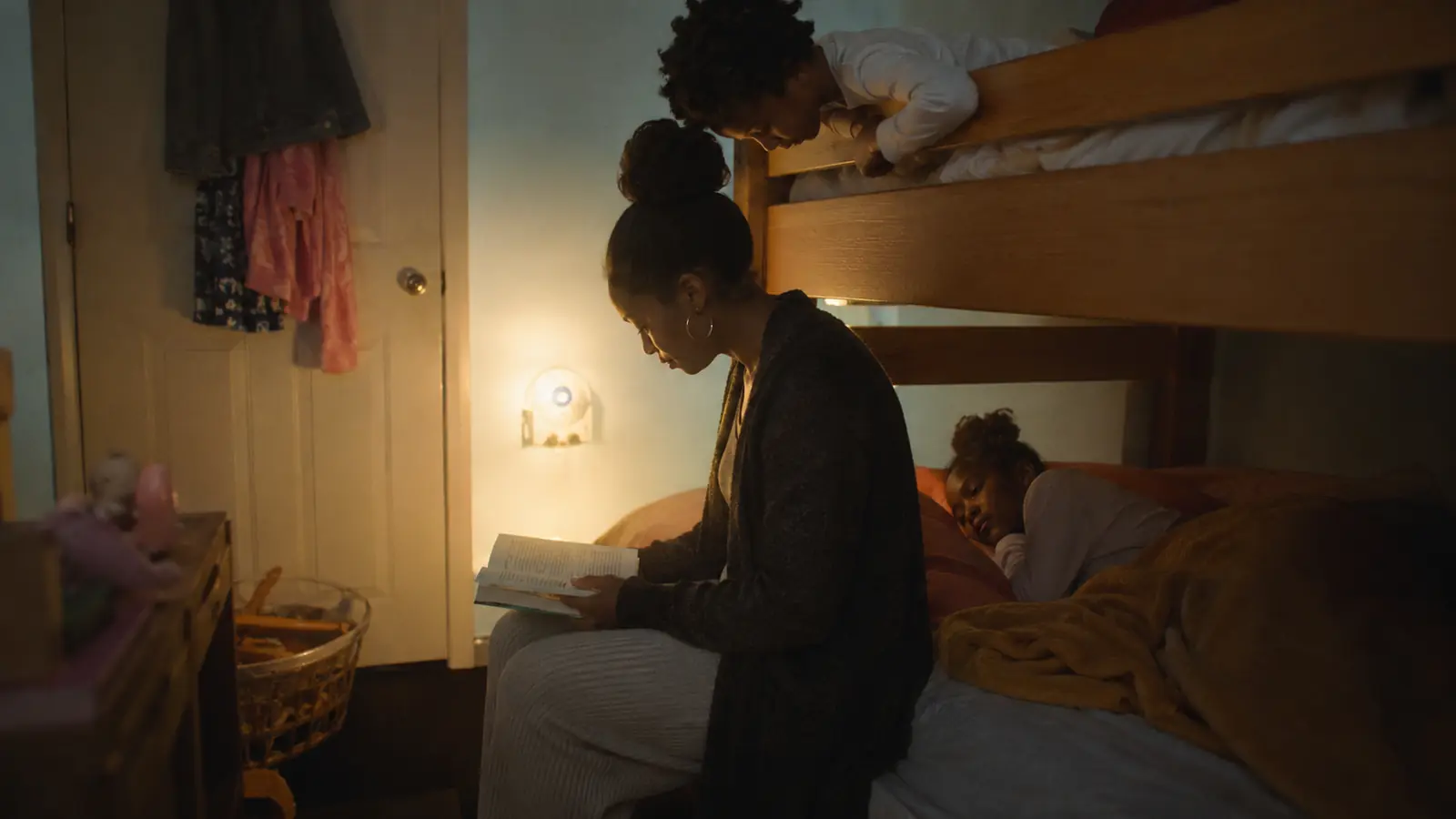
The room is not the problem. The half hour is.
Two children in one bedroom is a housing arrangement, and most of the time it is a good one. What breaks it is a narrow window between lights out and actual sleep, when one child is ready and the other is not, and neither of them can get away from the other.
Almost everything below is aimed at that window. The goal is not silence. It is giving each child one thing that belongs to them alone and that the other one cannot reach.
Ten things in three groups. Ratings are live Amazon ratings, never ours.
- 1
 A plain sound machineBest if you only buy one thing
 - 2
 A sound machine with a projector built inBest for one device doing two jobs
 - 3
 Ear defenders for the one who wakes firstBest for daytime, not sleeping
 - 4
 An okay to wake clockBest for the early riser
 - 5
 A star projector for one side of the roomBest for the child who needs some light
 - 6
 A plug in projector night lightBest where there is no bedside space
 - 7
 A slider routine chartBest for two different bedtimes
 - 8
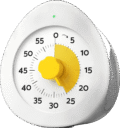 A visual timer with a pause buttonBest for the whispering that will not stop
 - 9
 A weighted blanket for one bedBest for the restless sleeper
 - 10
 A book about moving to a big bedBest when a toddler is joining the room
Group one
The things that buy each child their own quiet
Sound is the first thing to fix, because it is the one a child cannot shut out by closing their eyes. A steady noise in the room does not make it silent. It raises the floor, so the creak of a door and a sibling climbing into bed stop being events.
A plain machine is usually the right one. Fewer settings means fewer arguments about which setting, and it will still be working in three years.

MyBaby Sound Machine
As an Amazon Associate, Decoded Kids earns from qualifying purchases. Price checked live on Amazon.
If there is only one plug socket worth using, a machine that also throws stars on the ceiling covers both jobs from the same spot. We looked at how much of this helps in which kids’ sleep tools are worth the money.
Ear defenders belong here with a caveat. They are for the early riser who is awake and needs to play quietly, not for sleeping in. Nobody should sleep in ear defenders. For the sensitive child there is a fuller comparison in our look at noise canceling headphones.
Group two
The things that end the argument about the light
Two children almost never want the same amount of light, and the child who wants more is not being difficult. Trying to settle it with one ceiling light guarantees that one of them loses every night.
An okay to wake clock is the piece that changes the mornings rather than the evenings. It turns a rule you have to enforce at six in the morning into a color on a shelf. We reviewed the one most people end up with in our Mella review.

For the child who needs light while the other needs dark, aim a projector at one wall rather than lighting the room. There is more on choosing between them in our guide to night lights and sound machines.
Where the beds are pushed against the walls and there is no bedside table at all, a plug in projector is the version that survives. Nothing to knock off, nothing to trip on in the dark.
Group three
The things that stop one bedtime becoming two
The hardest version of a shared room is two children on different schedules. A four year old and a nine year old cannot go to bed at the same time, and the younger one should not be kept up while the older one should not be sent up early.
A slider chart is the honest fix. Each child has their own column, the steps are the same, and the later bedtime is written down rather than argued about. It stops being your decision and starts being the chart.
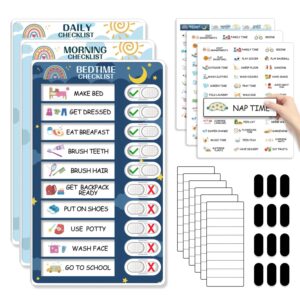
Upgraded Slider 3 in 1 Bedtime/Morning/Daily Routine Chart for Kids
A timer with a pause button is for the talking. Ten minutes of whispering is allowed, the timer says when it ends, and the pause exists for the night somebody actually needs the toilet.
If one of them is a thrasher who wakes the other, weight on that bed alone is worth trying before you move anybody out. Ours is not a blanket recommendation for both beds. It is for the one child who needs it.
And when the room is about to gain a toddler, the transition is easier if it has been read about first. A story about moving to a big bed gives a two year old the plot before it happens to them.
What we would skip this year
A second tablet so they each have their own. It moves the problem rather than solving it, and it puts a screen in a room where the whole aim is winding down.
Blacking out the room completely. It sounds like the obvious answer and it usually makes things worse, because the child who is scared of the dark now has nowhere to look. Give that one their own small light instead.
Matching everything. Identical bedding and identical lamps feel tidy and quietly remove the thing a shared room is short of, which is a boundary. Let each side look different on purpose.
The honest caveat: we have not tested every item here in a shared room of our own. Ratings are live Amazon ratings pulled from our product library rather than typed in by us, and the picks are chosen on whether they solve the half hour rather than on features.
More on rooms, sleep and siblings
Frequently asked questions
There is no fixed age in most places, and plenty of children share happily into their teens. The signals worth watching are privacy and sleep rather than birthdays. If one of them is regularly losing sleep because of the other, or has started getting changed elsewhere, that is the point to start planning.
Put the younger one down first with sound covering the room, then bring the older one in quietly once the first is properly asleep. A written routine chart with a column each stops the later bedtime being renegotiated every night, which is usually the part that costs you the most time.
It helps most with the specific problem of one child arriving after the other is asleep. Steady sound stops single noises standing out, so a door and a creaking bed frame do not wake anybody. It does far less for a child who is being deliberately kept awake by their sibling, which is a rules problem rather than a noise one.
Leave the first comment
Share your thoughts

I'm for the parent doing it largely alone. I've done the single-dad decade - two homes, one income, the handovers, the very quiet Tuesdays - and I write from the far side of most of those days, with humor and hard-won calm. Not advice from above; a hand back from a few steps up the road.
More from DiegoWhat's the one thing that calmed the chaos in your house?
No right answers here - tell us how it went. Someone reading needs to hear it.
Join the conversation