The Kids’ Sleep Tools That Earn Their Spot on the Nightstand
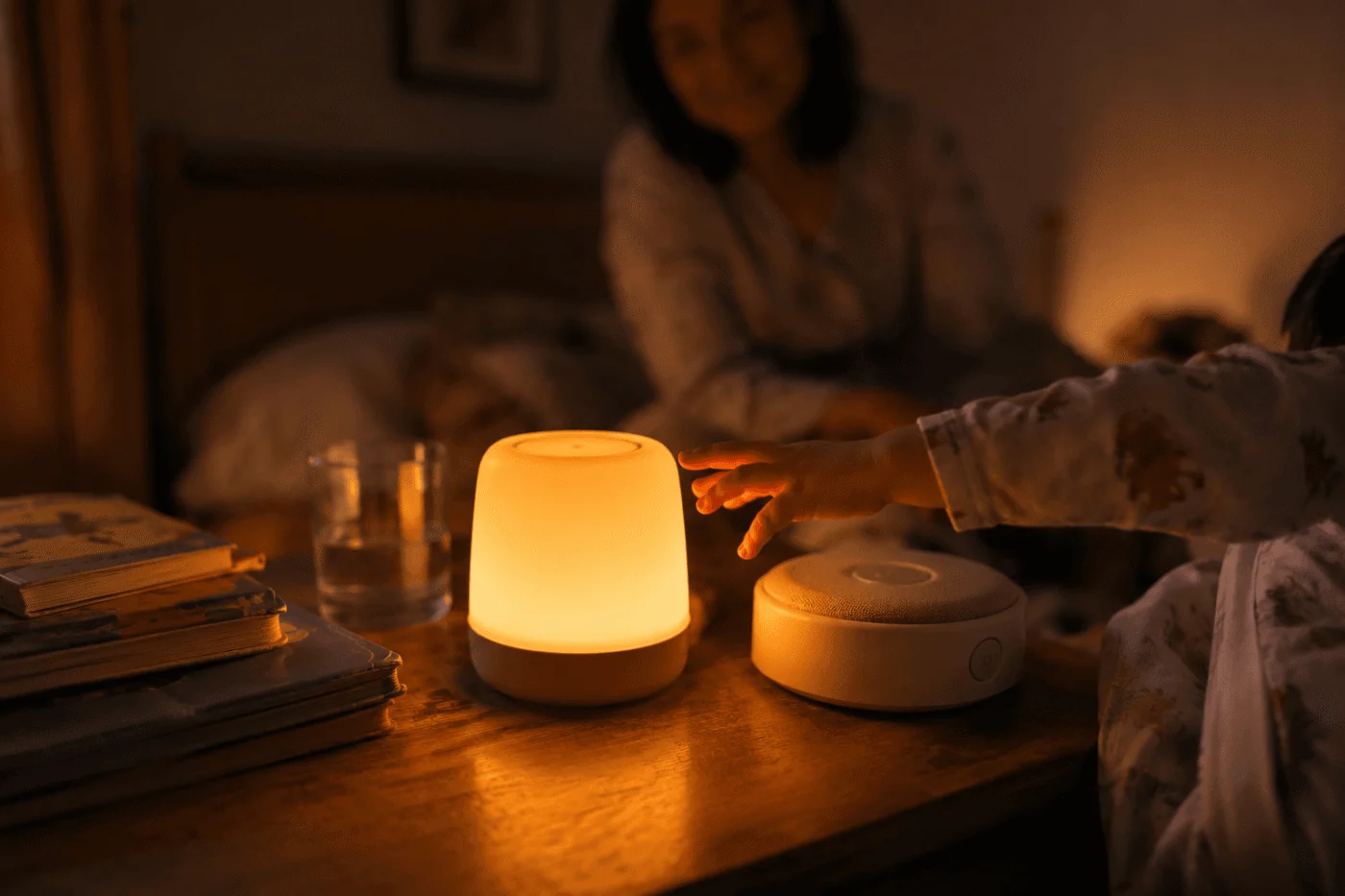
Half the sleep stuff sold to tired parents is a gadget pretending to be a solution. You already know this, which is probably why you’re reading a list instead of just adding the first thing with five stars to your basket. So let’s keep it honest. These are the tools that pull their weight in a real bedroom, the ones I’d tell a friend to spend money on, and the couple that quietly do nothing.
\n
One that earns its spot on the nightstand: read our LittleHippo Mella sleep-clock review.
One rule before the list, because it saves you the most cash: gear supports a routine, it doesn’t replace one. A sound machine on top of a chaotic, lights-blazing, screen-until-bedtime evening is money down the drain. Get the wind-down boring and consistent first, then let a few good tools make it easier, the kind of calm that also helps with the usual sleep struggles.
What helps a child sleep (and what’s just noise)
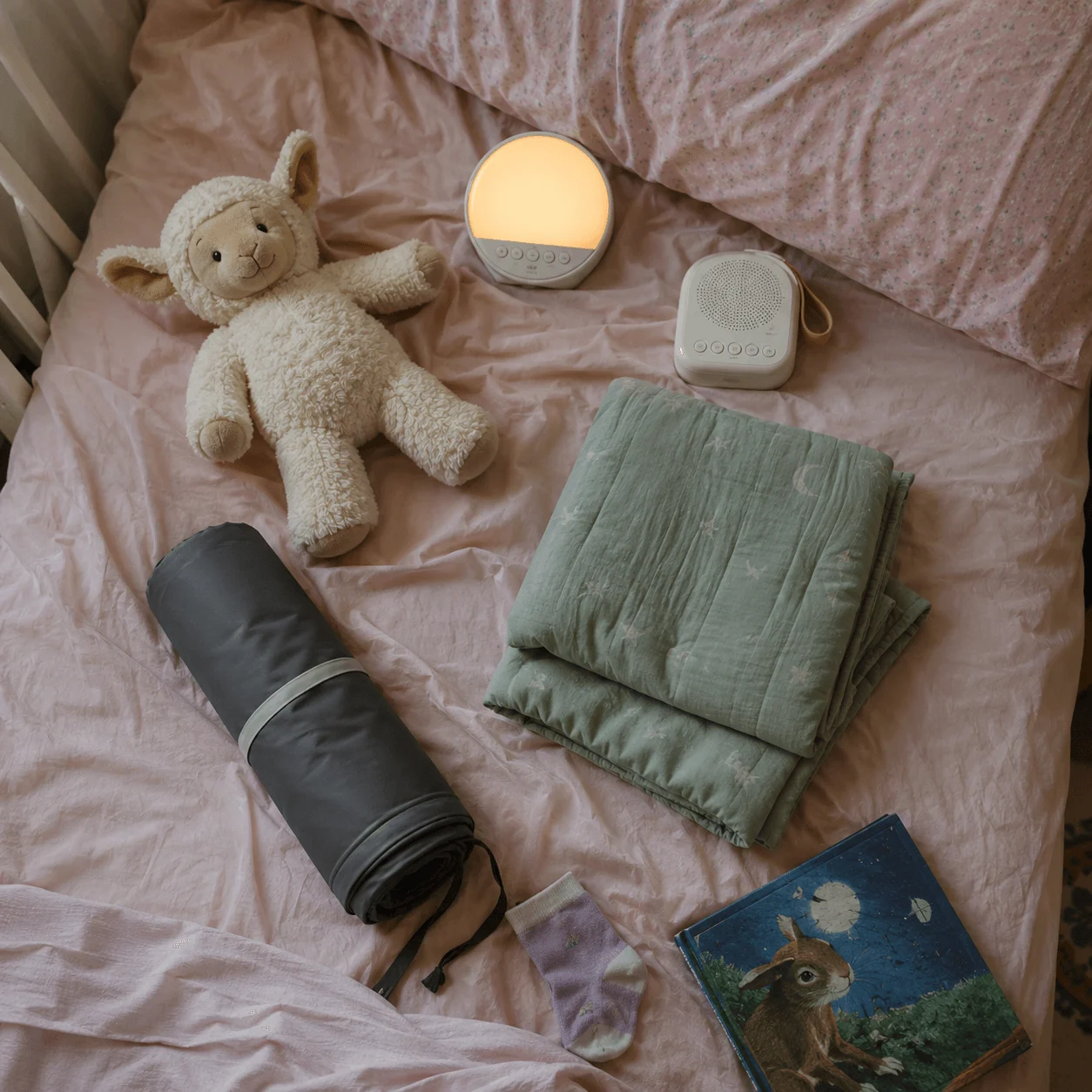
The Sleep Foundation keeps landing on the same short list of things that move the needle: darkness, a steady low hum to mask the house, a warm (not blue) light, and a clear signal for when night is over. Almost everything worth buying is doing one of those jobs. If a product can’t tell you which job it’s doing, that’s your answer.
The trap is buying for the symptom instead of the job. A projector that throws stars on the ceiling looks lovely and does none of the four things above, while a plain amber bulb does one of them properly. Before anything lands in your basket, ask which job it covers, and be wary of the ones that answer everything in glossy marketing language.
The sound + light + clock that does three jobs
If you buy one thing, this is it. A combined sound machine, dimmable amber light and “okay-to-wake” clock means you’re not cluttering the nightstand with three separate gadgets that all need charging. Ratings below are the current Amazon / Google averages.
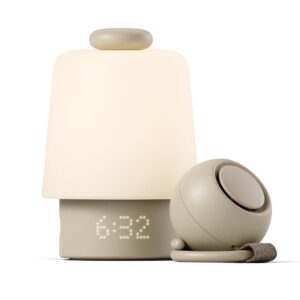
Hatch Rest (2nd Gen)
Sound machine, warm night-light and a color-changing clock that tells a pre-reader when it’s allowed to get up, all in one device. The 2nd-gen version finally unplugs and travels, which matters more than you’d think on the first holiday. The closest thing to a do-everything sleep tool.
As an Amazon Associate, Decoded Kids earns from qualifying purchases. Price checked live on Amazon.
The simple white-noise one, if you want less tech
Not everyone wants an app controlling their kid’s bedroom. Fair. A plain, brilliant sound machine still does the single most useful job: masking the door slam, the TV downstairs, the sibling who is somehow still awake.
Three sounds, a battery that lasts, a child-lock so little fingers can’t switch it off, and it clips to a stroller or a suitcase. No phone, no fuss. For a lot of families this is genuinely all the white noise they’ll ever need. We put it through its paces in our full Yogasleep Hushh review, including the volume mistake most parents make.
The summer problem nobody warns you about
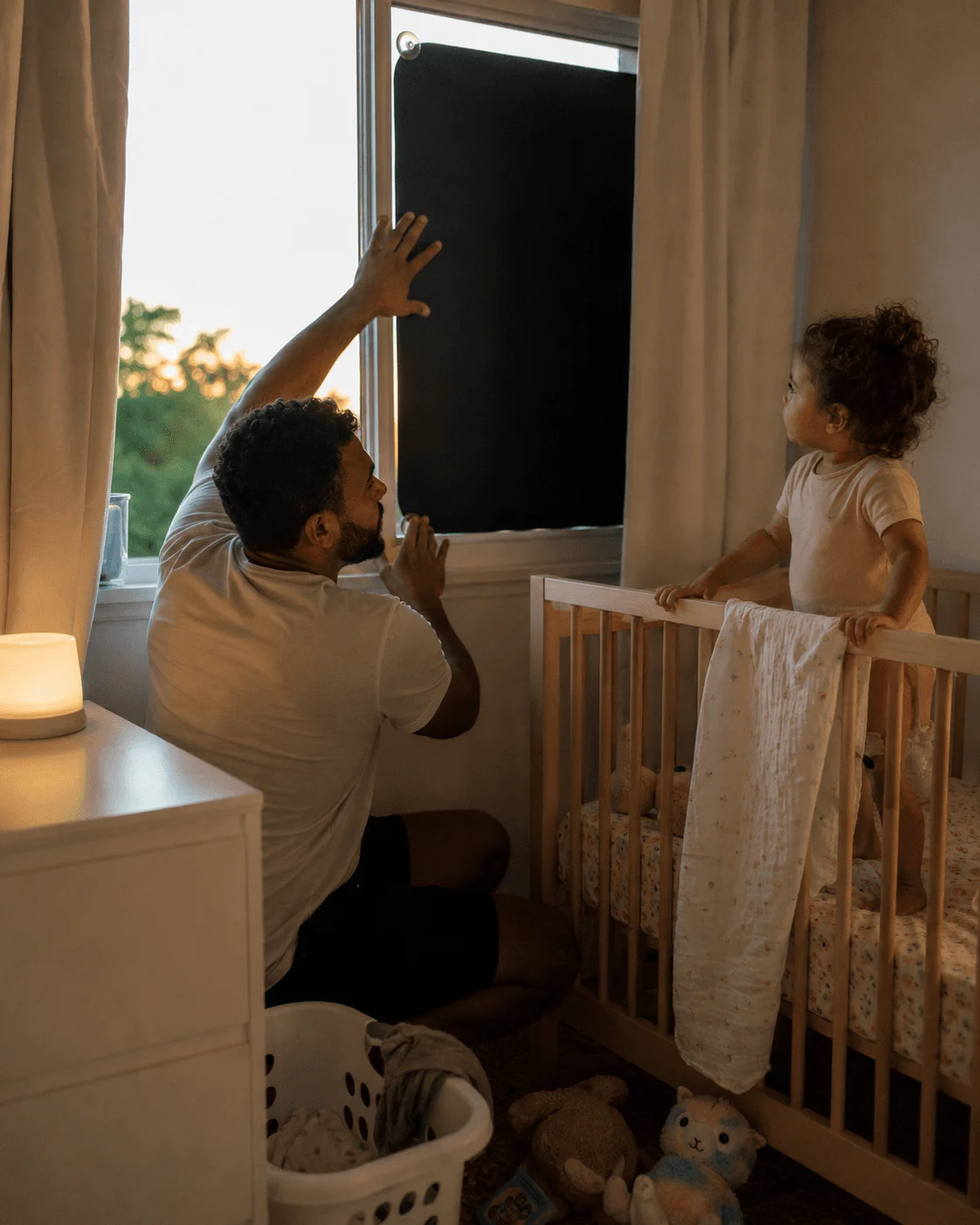
Here’s the one that gets overlooked until June arrives and bedtime falls apart. Bright evenings wreck a young child’s sense of when night is. They can’t read a clock, so they read the sky, and right now the sky is lying to them. A proper blackout fix resets the whole thing.
It is not only about comfort. Light is the master switch for melatonin, the hormone that tells a small body the day is done, so a bedroom still glowing at eight is quietly working against you. Darken it, and you hand that switch back.
The fix does not need to be permanent or pretty. A panel that blacks out the room for the summer, then comes down again, is plenty. And it travels well, since an unfamiliar room and a late sunset can undo weeks of good bedtimes in a single holiday night. Pop it on the glass, and the room finally agrees with the clock.
Suction-cup blackout panels that stick straight onto the glass and travel flat in a suitcase. The difference between a 7:30 bedtime and an 8:45 battle in July, honestly. The unglamorous hero of summer sleep.
Two more that earn their keep
A weighted blanket gives the same settling, hugged feeling that calms an overtired or sensory-seeking kid, useful at the start of the night and again if they stir at 2am. (Sizing matters; go by your child’s weight, and skip it for under-3s.) And for babies, the one with the awards behind it.
The gentle, even pressure helps an active nervous system downshift. Get the weight right for your child and it becomes the thing they ask for, not the thing you nag about. Torn between a blanket and a wearable vest? Here’s how to choose between a weighted blanket and a vest.
Pink-noise sounds layered with a resting heartbeat and a soft glow. It took Silver at the Mother & Baby Awards 2026 for a reason. For a baby who only settles on you, this is the gentlest step toward settling in the crib.
What about the actual apps?
Worth a mention, since half this category lives on a screen. A plain white-noise app on an old phone you’ve stopped using is a genuinely free stand-in for a sound machine: flip it to airplane mode, plug it in across the room, done. For an older kid who lies there with a busy head, the slow audio of something like Moshi or Calm Kids (sleep stories and breathing read in a voice that isn’t your worn-out 9pm one) can settle a brain you’ve run out of patience for. One catch worth holding firm on: keep the screen itself out of the bed. Audio in, light off, phone face-down somewhere small hands can’t fish it back out.
The shortlist, side by side
Ratings are current Amazon and Google averages.
If you’re piecing together the earlier stage, the baby-stage sleep kit covers cribs, swaddles and monitors. And before you buy any light at all, it’s worth two minutes on why a warm light beats a bright one. The warm-versus-bright thing matters more than the brand. And if you’re running bedtime solo with more than one kid, the routine itself changes more than the gear.
Frequently asked questions
For most families an all-in-one device like the Hatch Rest (2nd Gen) gives the best value. It covers sound, a warm night-light and an okay-to-wake signal in one. If you want no app, a standalone white-noise machine like the Yogasleep Hushh does the core job brilliantly.
Yes, for many kids. A steady low hum masks sudden household noises (doors, TV, siblings) that cause night wakings. Keep it at a soft volume, a little distance from the bed, and on all night rather than timed to switch off.
Warm amber or red. Blue and bright white light suppress melatonin and keep children alert. A dim, warm glow soothes a nervous child without disrupting their sleep hormones.
For children aged 3 and over, yes: choose roughly 10% of their body weight and make sure they can lift it off themselves. For desk work and car seats, a weighted lap pad gives the same pressure in a smaller, safer format. Never use a weighted blanket for babies or toddlers under 3.
Leave the first comment
Share your thoughts

I'm for the parent standing in the bookshop, overwhelmed. I read them all - the wise, the smug, the single good idea stretched to 240 pages - so your nightstand stack stays short. I'll point you to what's truly worth it, and kindly, what to put back.
More from MeiWhich tool earned its place - and which was a waste of money?
No right answers here - tell us how it went. Someone reading needs to hear it.
Join the conversation