
He Is Not Cold Yet, and That Is the Whole Problem
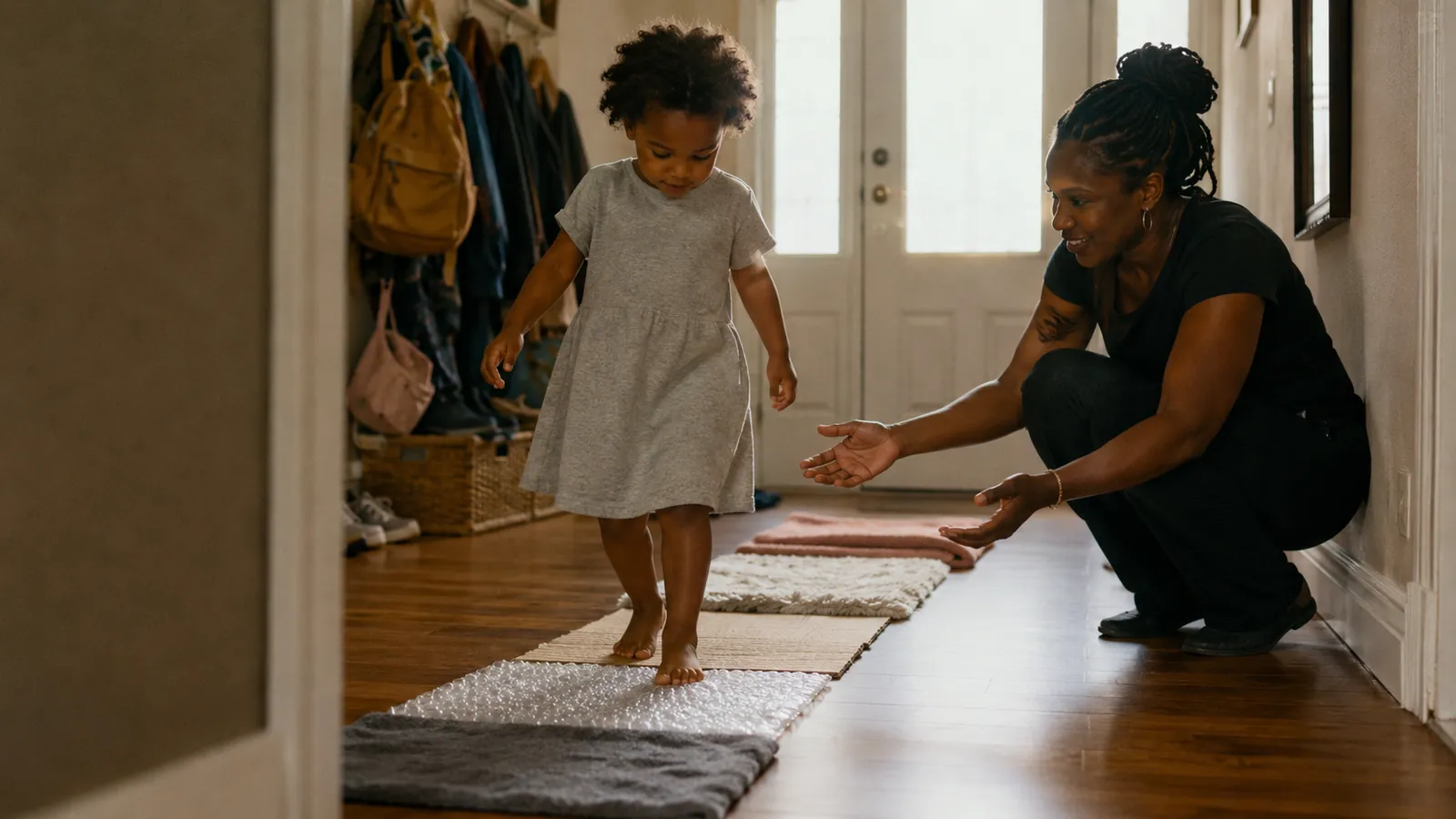
It is minus two outside. The coat is in your hand. He is standing in the hallway in a t shirt, saying no, and there are four minutes until you have to leave.
You say he will be cold. He does not care, because he is not cold yet, and nothing you say about the next ten minutes means anything to a three year old standing in a warm hallway.
And there is a second reason to stop fighting this particular fight, which most parents have not been told, and which turns the whole argument around. More on that below.
The two real reasons
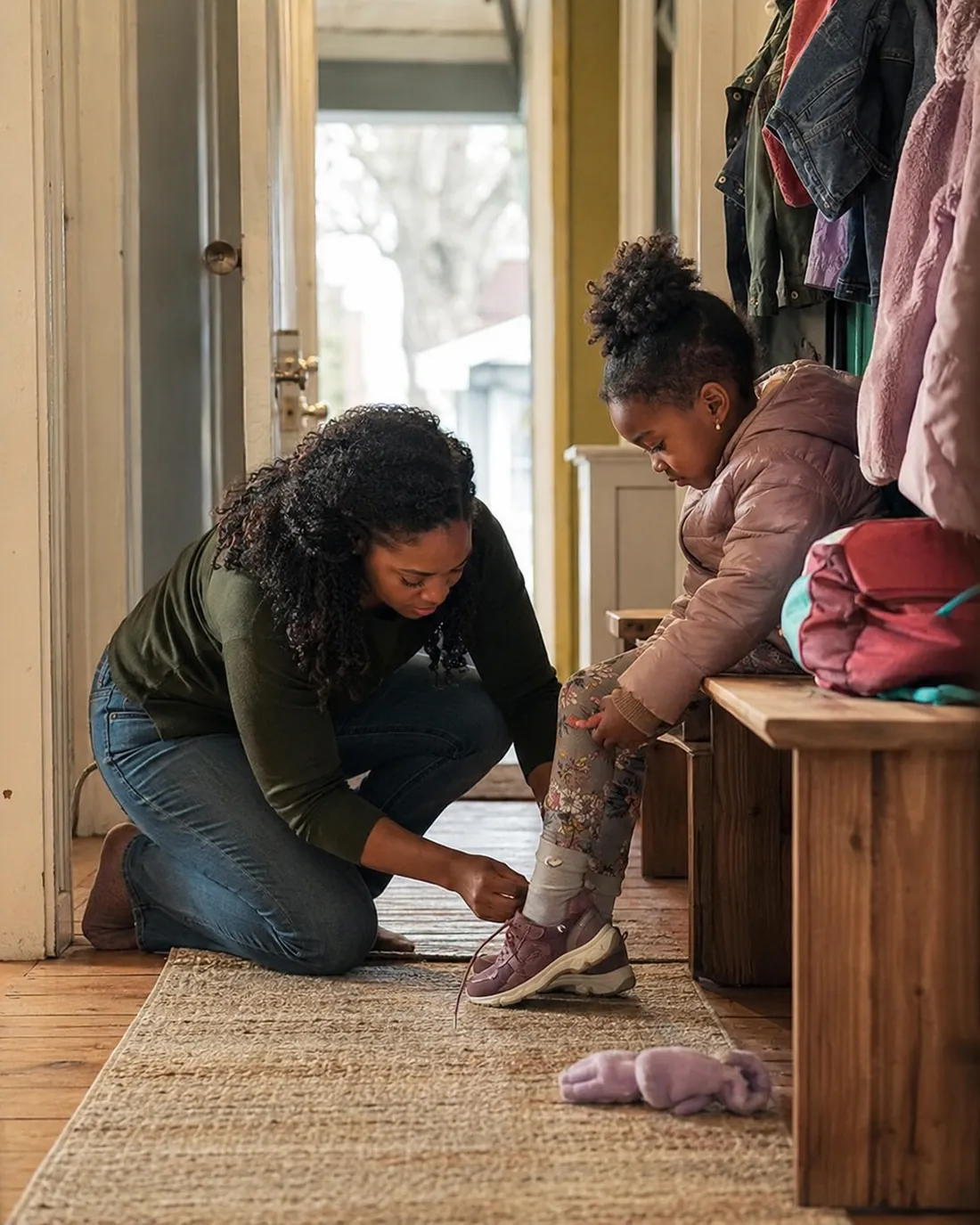
The first is the coat itself. Padded coats are heavy, stiff and loud. The arms do not bend properly. The lining rubs. There is a label at the neck. For a child who feels clothing more than most, putting one on is like being asked to work in oven gloves.
If this is your child, you probably already knew, because it is the same child who has opinions about socks and seams. We went through that pattern in the child who will not wear socks, and a coat is the same problem in a bigger garment.
The second reason is control. Getting out of the door is the least democratic ten minutes of a small child’s day. Shoes on, in the buggy, hurry up, this way. The coat is the one thing in that sequence they can physically refuse, so it becomes the place the refusing happens. The coat is the ground, not the war.
The car seat rule that ends the argument
Here is the part that helps most, and it is a safety rule rather than a trick.
The American Academy of Pediatrics says bulky clothing, including winter coats and snowsuits, should not be worn under a car seat harness. In a crash the padding flattens immediately, which leaves slack under the straps, and a child can slip through them. Their guidance is thin layers instead, with the coat put on backwards over the buckled harness, or a blanket over the top once the child is strapped in.
So if your child goes to daycare by car, the coat was never supposed to be on in the seat. The fight you have been having in the hallway did not need to happen there. Buckle first, coat after, or coat over the top.
The full version of that, including what to use instead, is in the winter coat and car seat piece.
What to change about the coat
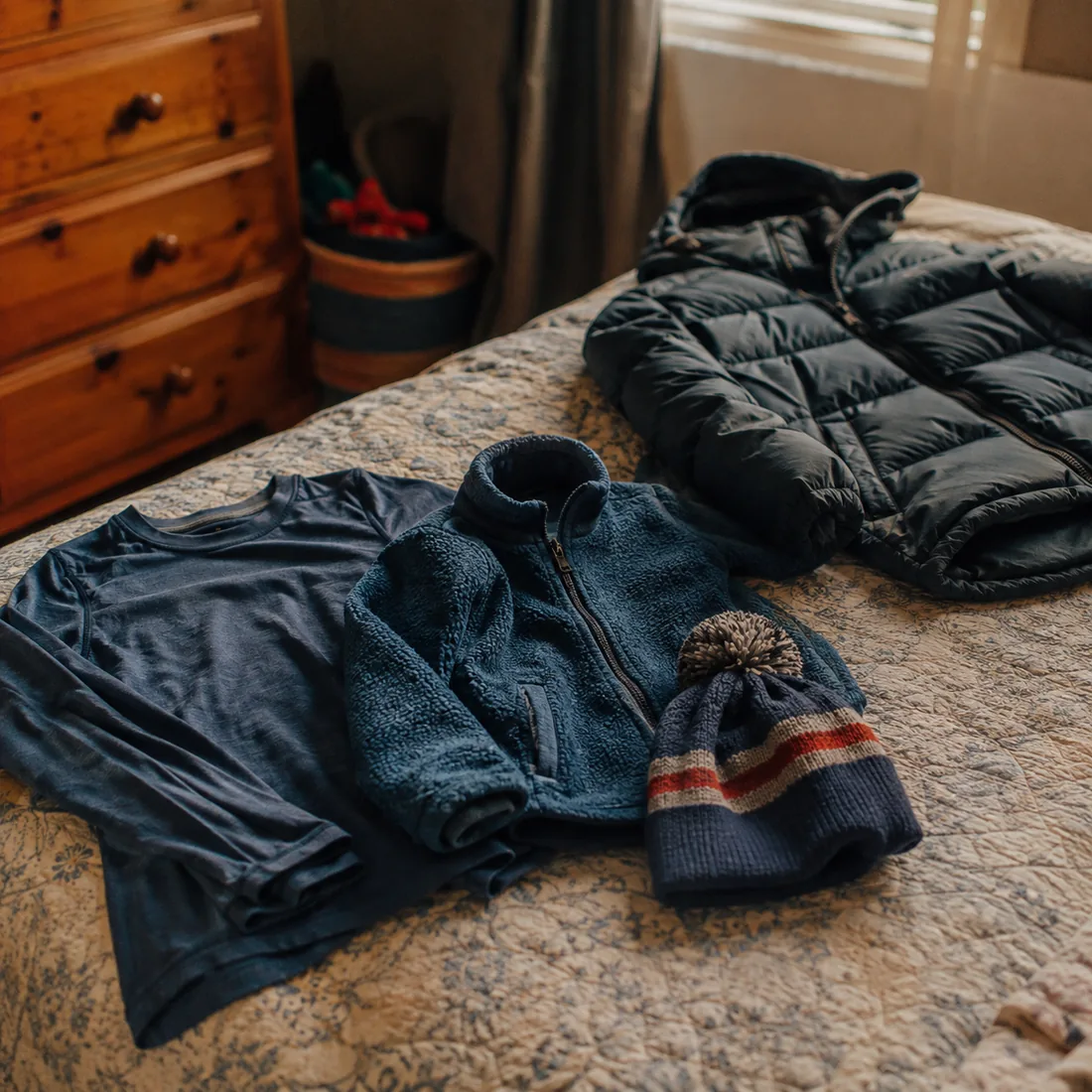
Go thinner and warmer rather than thicker. Two thin layers, a long sleeved top and a fleece, are warmer than one padded coat and they move properly. Most refusals stop here.
Cut the label out. All of them.
Try a hoodie under a thin shell instead of a padded coat. The bulk is what most children object to, not the warmth.
Warm the coat on a radiator for two minutes. A cold coat on warm arms is genuinely unpleasant and this fixes it for about the price of nothing.
And check the fit at the shoulders. A coat that is slightly too small pins the arms down and a child cannot tell you that in words. They can only tell you by refusing it.
Giving the choice back
Offer two coats, not one. Two real options, both fine by you. This is the oldest trick there is and it keeps working because it is not really a trick. It is a genuine choice in a morning that had none.
Let the coat go in the bag instead of on the body. Walk to the gate. They will ask for it within four minutes, or they will not, and either way you left on time. Cold is a better teacher than you are, and it teaches in about a hundred meters.
Put it on yourself, badly, and get it wrong. Arm in the hood, coat upside down. A two year old who is refusing will very often come over to correct you, and correcting you means touching the coat, and touching the coat is most of the battle.
Do it earlier. Coat on ten minutes before you leave, while they are still playing, rather than at the door under time pressure. The garment is the same. The moment is different.
And stop narrating it. A running commentary about how cold it is and how we are going to be late adds pressure to a moment that is already the tightest part of the day. Hand them the coat, say one sentence, and wait.
When it is worth a longer look
If it is not only coats but socks, seams, sweaters, hats, waistbands and anything with a collar, this is not a coat problem. It is how that child processes touch, and the answer is a wardrobe change rather than a morning strategy. There is more on the wider pattern in what helps a child who feels everything.
If it is only coats, and only this winter, and everything else about mornings is fine, then it is control, and it will pass faster than you expect once you stop being the person who has to win.
Either way, the hallway is the wrong place to settle it. Nobody makes a good decision in a hallway with a bag on their shoulder and three minutes left.
Leave the first comment
Share your thoughts
Frequently asked questions
Usually one of two things: the coat feels wrong, being stiff, heavy and loud on the arms, or the coat is the one part of the leaving routine they can refuse.
Forcing it rarely works and costs you the morning. Take it with you instead and let them ask for it, which most children do within a few minutes outside.
No. The American Academy of Pediatrics says bulky coats and snowsuits should not go under the harness, because the padding flattens in a crash and leaves slack in the straps.
Thin layers, with the coat put on backwards over the buckled harness or a blanket laid over the top once they are strapped in.
When it is not only coats. If socks, seams, sweaters, hats and collars are all a fight, the answer is a wardrobe change rather than a morning strategy.

I'm for the parent whose mornings keep falling apart. I didn't train in ADHD - I lived it with three kids, then read the actual studies, so what you get here holds up in a real kitchen at 7:50 a.m. Specific, tested at home, never preachy.
More from MarcusWhat finally made your child's focus click - even a little?
No right answers here - tell us how it went. Someone reading needs to hear it.
Join the conversation