
Sixty Seconds Is Short Enough That Nobody Loses Properly
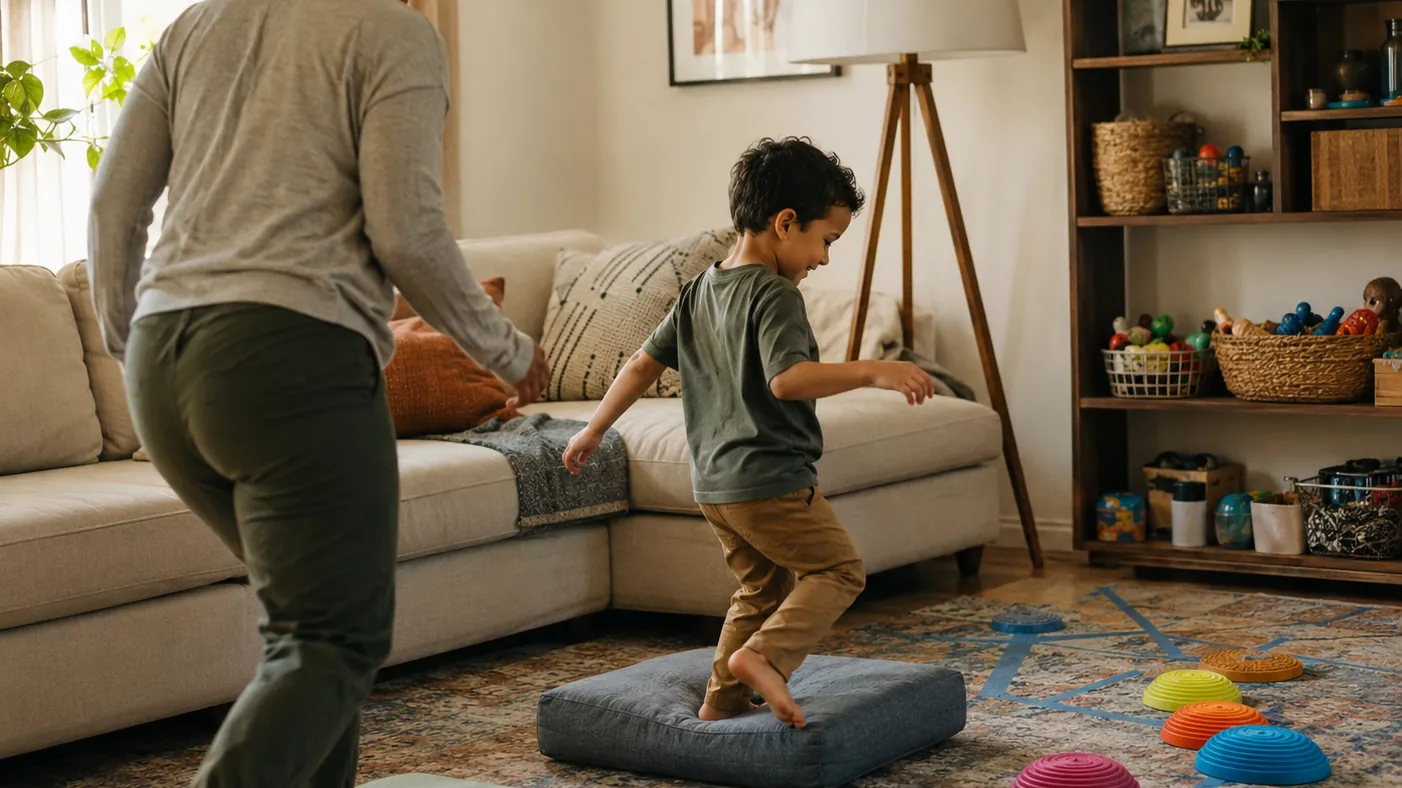
It is twenty past three. Dinner is at four. There are eleven people in the house, six of them under twelve, and the noise has changed pitch in the way that means something is about to go wrong.
Somebody says the children should go and play. The children look at each other. Playing is not a thing you can start on command in a room full of adults you half know.
The format comes from an NBC game show that first aired on March 14, 2010, hosted by Guy Fieri. Contestants had sixty seconds per task and the tasks used ordinary household objects. It has been copied in more than fifty countries, mostly because you can do it at home with no equipment.
Why sixty seconds is the whole trick
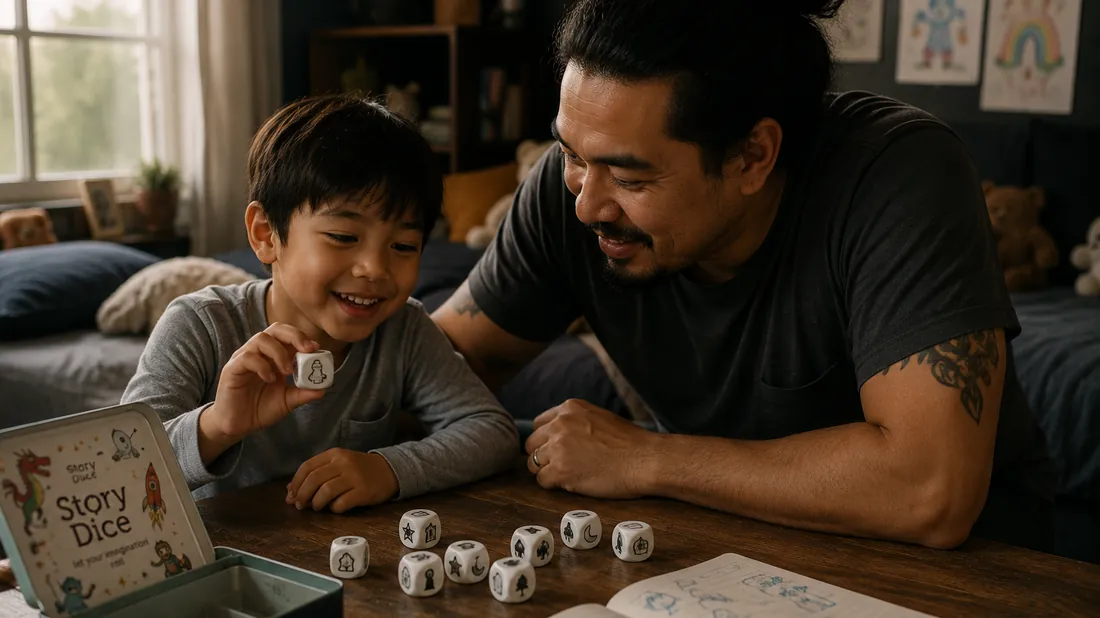
A long game splits a room. The good ones win, the small ones drift off, and someone ends up crying about a rule. A sixty second game cannot do that. It is over before the mood has time to set.
It also means an eight year old and a four year old can be in the same game without it being unfair, because nobody is playing long enough to be beaten properly.
And it gives the adults something the afternoon usually lacks: a thing everyone is watching at once. The 2018 clinical report from the American Academy of Pediatrics, The Power of Play, makes the point that play with parents and with other children is where self regulation gets built, and that it becomes more important, not less, when things are stressful. A crowded house on a holiday afternoon is exactly that.
Ten that need nothing you do not own
Stack five plastic cups into a pyramid and take it down again. Move a cookie from your forehead to your mouth using only your face. Bounce a ping pong ball into a mug. Carry a spoon with an egg on it across the room and back. Pull a tissue out of the box one at a time until the box is empty.
Hang a spoon off your nose for the whole minute. Get five rubber bands onto a tin can. Sort a bowl of mixed dried pasta into two piles. Move ten cotton balls from one bowl to another with a spoon while blindfolded. Build the tallest tower you can from whatever is on the table.
Pick three. Not ten. Three is a set, ten is a program, and you will not get through it.
Choose the three by mess, not by fun. The cotton ball one is quiet and clean. The one with dried pasta is not, and somebody is hosting. Pick two low mess games and one that is worth the vacuuming.
And read the room first. A house where the food is late and two adults are stressed does not need a game with a lot of shouting in it. That is the night for the spoon on the nose.
Who runs it and how

An adult has to start it out loud, in the room, without asking whether anybody wants to. Asking is how it dies. Announcing is how it begins. Put the cups on the table, say that this takes one minute, and start.
Then give a job to the child who does not want to play. Timekeeper is a real job. So is counting. A child who will not compete will very often referee, and refereeing puts them in the middle of it without any risk.
Use a timer everyone can see rather than a phone. A phone timer belongs to whoever is holding it, so the countdown is invisible and slightly disputed. A visual timer sits on the table and the shrinking color does the shouting for you.

60 Minute Visual Timer for Kids
As an Amazon Associate, Decoded Kids earns from qualifying purchases. Price checked live on Amazon.
The same timer earns its place the rest of the year, which is why we compared them properly in the visual timer review. On a holiday afternoon it does one extra thing: it ends the game for you, so you are not the one saying stop.
The rules that keep it from turning
No prizes. The moment there is a prize, the four year old is going to lose something real and the afternoon changes shape. Applause is a prize. It is enough.
Pair a small child with an adult. Not to help them win. To make sure they are inside the game rather than watching it.
Let people leave. A child who wants to sit on the sofa and watch is still part of it. Dragging them in is the fastest way to lose them for the whole visit, and some children need the edge of the room. That is a real need, not sulking, and there is more on it in what a loud family day does to a child who cannot filter noise.
And stop early. Stop while they still want another one. The next family gathering is easier if the last thing anybody remembers is wanting more.
The version for the smallest ones
Under four, the minute is the wrong unit. They do not track it and losing is not fun yet. Take the same objects and take the clock away. Cups still get stacked. Cotton balls still get moved. The pleasure was never the countdown, it was that an adult sat on the floor and paid attention to one thing for a while.
Which, on the loudest afternoon of the year, is most of what any of them were after.
Leave the first comment
Share your thoughts
Frequently asked questions
About four and up for the competitive version. Under four, use the same objects and drop the timer, because the countdown is not yet the fun part.
Plastic cups, spoons, cotton balls, rubber bands, a package of cookies and a timer. Nothing needs buying.
Three. Run them one at a time with a gap in between, and stop while the children still want another one.
No. A prize means a young child loses something real, which is what usually turns the afternoon. Applause is enough.
Give them a job. Timekeeper and referee are real roles, and they put a reluctant child in the middle of the game with nothing at stake.

For nearly two decades I was the youth mentor across from the angry kid, the silent one, the parents out of ideas. I write the way I listened - slow, steady, never from above. If tonight feels heavy, I hope this felt like having someone in the room.
More from TheoWhat's the one thing that calmed the chaos in your house?
No right answers here - tell us how it went. Someone reading needs to hear it.
Join the conversation