
You Probably Already Own a Calm Down Corner (You Just Haven’t Set It Up)
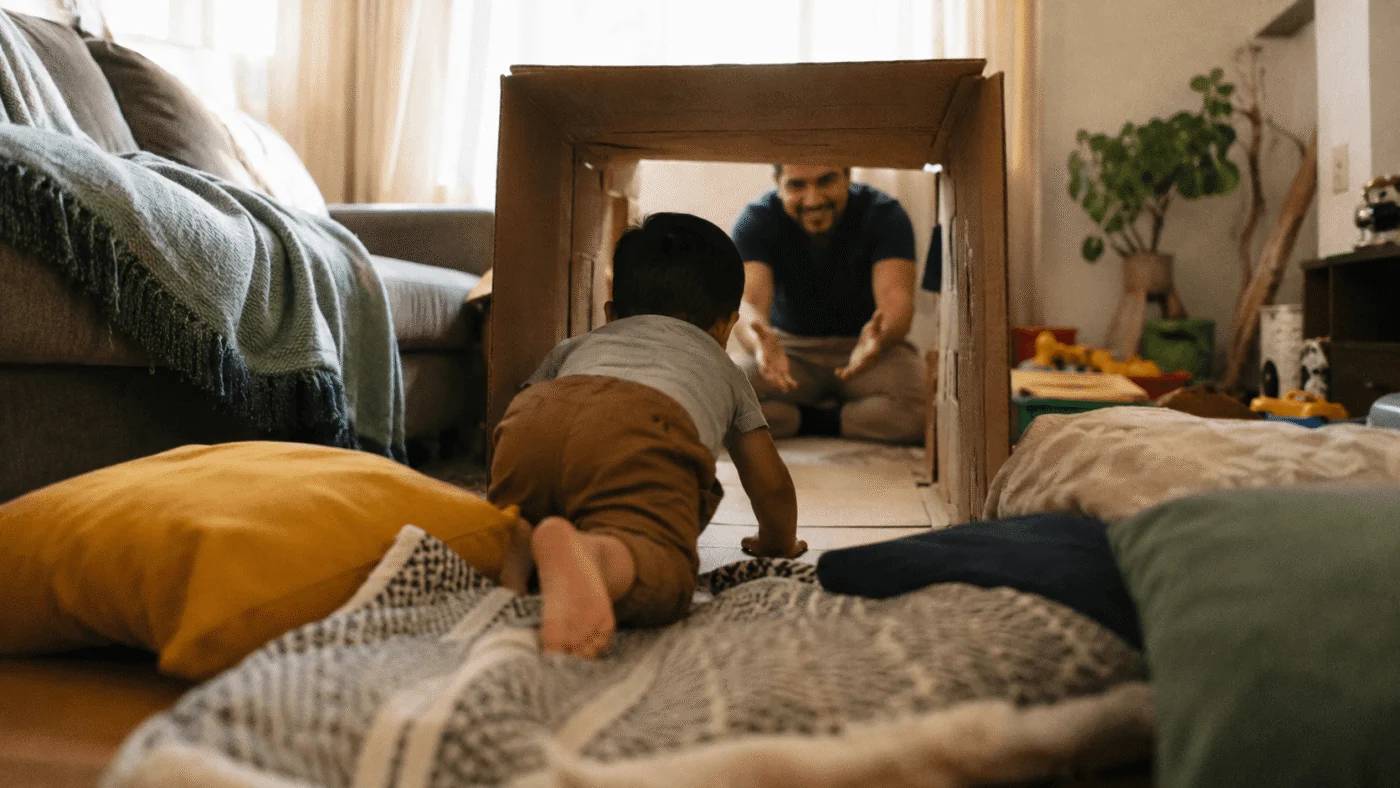
You’ve probably looked at a “calm down corner kit” online and felt like you needed to order one before the next meltdown hits. You don’t. Look around your living room right now. There’s a blanket, a pillow, an empty jar in the recycling, a flashlight in a drawer somewhere. That’s most of a calm down corner, already sitting in your house, doing nothing.
Why the first version should cost you nothing
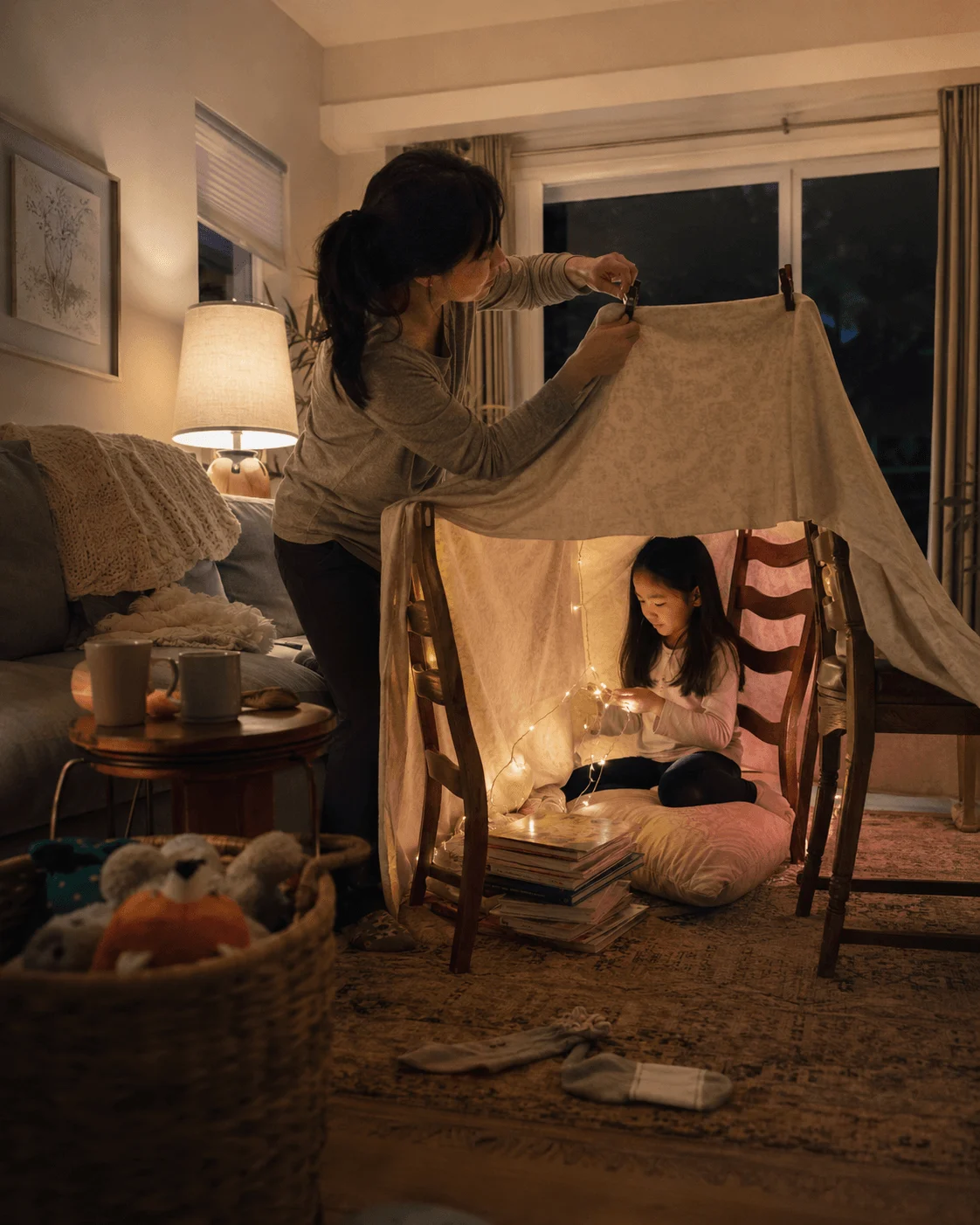
Open one of the popular kit listings and read what’s inside: a feelings chart, a stuffed animal, a soft ball, sometimes a pop-up tent. None of that requires a manufacturer. A drawn feelings chart on a piece of paper works the same way. The stuffed animal your kid already sleeps with works better, because it’s already theirs. Two chairs and a bedsheet make the tent. Our breakdown of the actual kit pieces worth buying makes the same point: the honest version of that list is short, and most of it can be improvised before it’s bought.
Kids don’t respond to the branding on a calm down corner. They respond to it being theirs, being consistent, and being somewhere they’re allowed to go without it turning into a punishment.
Start with these 3, the rest is optional
Most DIY lists dump twenty ideas on you with no order. Here’s the order that matters, cheapest and most-used first.
- A blanket fort or pillow nest. Two chairs, a sheet, and every pillow in the house. This is the “space” itself, and it’s the one piece that has to exist before anything else does.
- A calming jar. Any clear jar or empty water bottle, warm water, a squeeze of clear glue or dish soap, and a spoonful of glitter you already have from a craft drawer. Shake it, watch it settle, that’s the whole activity.
- One comfort object and one light source. The stuffed animal already on the bed, plus a flashlight or a string of leftover holiday lights. Most households already have both, and both do the actual soothing work.
That’s the corner. It costs nothing and it’s built in the next twenty minutes, not the next Amazon delivery window.
If you’re genuinely missing something
Two things are harder to improvise than the rest, so if you don’t already have a stand-in at home, these are the only two purchases we’d make, and neither is dressed up as more than it is.
We couldn’t find a public rating we’d stand behind for this exact listing, so treat it as a cheap convenience, not a verified best pick. If you’ve got a bag of rice or dry beans in the pantry, use that first and save the money. As an Amazon Associate, Decoded Kids earns from qualifying purchases. Price checked live on Amazon. Same honesty here, no public rating we could verify. This is only worth buying if you genuinely have nothing to hold the jar and the fidget pieces in already. A shoebox does the same job for free.Kinetic Sand Beach Play Sand
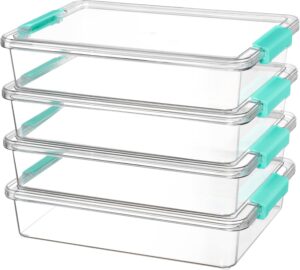
Vtopmart Clear Sensory Bins

Compare that to the pieces we said were worth buying if you’d rather skip the DIY step entirely, the flipbook and the weighted plush earn their price in a way these two don’t.
Build it this week, not the fancy version
Pick the blanket fort or the pillow nest, set it up today, and leave it up for a week before you judge whether it’s working. A corner your child actually uses beats a corner that looks good in a photo. For what to do once they’re standing in it, our breakdown of Whole-Brain Child meltdown strategies and our 5-step calm-down plan both pick up exactly where the space itself leaves off.
And if space, not money, is your actual problem, we covered how to fit one into a closet gap too.
Frequently asked questions
A dedicated spot (a blanket fort or pillow nest), one comfort object your child already has, and a way to occupy their hands, like a homemade calming jar. Most households already own everything needed for this.
The effectiveness comes from having a consistent, dedicated space your child associates with calming down, not from the specific products inside it. A homemade version works the same way a purchased one does.
Yes, though which specific items help can differ by child. A sensory-seeking child may want more to touch and move, while a sensory-avoiding child may want less stimulation. Build the basic version first, then adjust based on what your child reaches for.
Fill a clear jar or empty bottle with warm water, add a squeeze of clear glue or dish soap, and a spoonful of glitter. Shake it and let your child watch it settle. No kit or special ingredients are required.
A closet gap, a corner of a shared bedroom, or a single labeled floor cushion can work just as well as a full room. The space itself matters less than using it consistently.
Leave the first comment
Share your thoughts

I'm for the parent mid-meltdown - theirs or the kid's. I write from the actual floor of it: the crying that won't stop, the dinner thrown, the bedtime that unravels. Blunt because I respect you too much to pretend it's easy. Just what tends to work.
More from NourWhat's the one thing that calmed the chaos in your house?
No right answers here - tell us how it went. Someone reading needs to hear it.
Join the conversation