
Threw Up Twice, Said the Text. Now You Are Counting to Forty-Eight.

The text comes at 10:40, in the one meeting you can’t leave. “He threw up twice. Please come get him.” You’re already standing, and already doing the math on tomorrow.
Nobody at the front desk says how long he’s out, because that number lives in a handbook you signed in August. Meanwhile the virus has a head start, and it will follow him home.
Most of what makes this week hard is not knowing the rules. Once someone lays the numbers out, the argument at the front desk gets a lot shorter.
Is norovirus common in daycare?
Yes, and the official count is lower than the real one. A CDC-authored study in Pediatrics counted 1,972 stomach-bug outbreaks in US child care programs between 2009 and 2019. Norovirus was named in 686 of them, about one in three. The authors say the true number is likely higher, since not every outbreak gets reported.
The everyday version is more common still. The AAP says the typical child has diarrhea once or twice a year, and that children of any age catch a lot of infections in their first year of group care. That is the pattern behind why a first daycare year feels like one long sick week.
What do daycares require after vomiting or diarrhea?
Rules vary from place to place, and the same CDC-authored study says so. The AAP’s child care exclusion list is the yardstick to hold yours against.
On vomiting, the line is two or more times in the previous 24 hours. The one exception: a doctor finds a cause that isn’t infectious, and the child isn’t at risk of dehydration.
Diarrhea has its own list, and any one of these keeps a child home: stool the diaper can’t contain, toilet accidents in a child who is trained, more than two stools above his usual in 24 hours, or stool with more than a drop of blood or mucus.
Read your handbook against that list tonight. If it’s stricter, that’s normal. If it’s vaguer, ask the director what sends a child home in practice.
How long until he can go back?
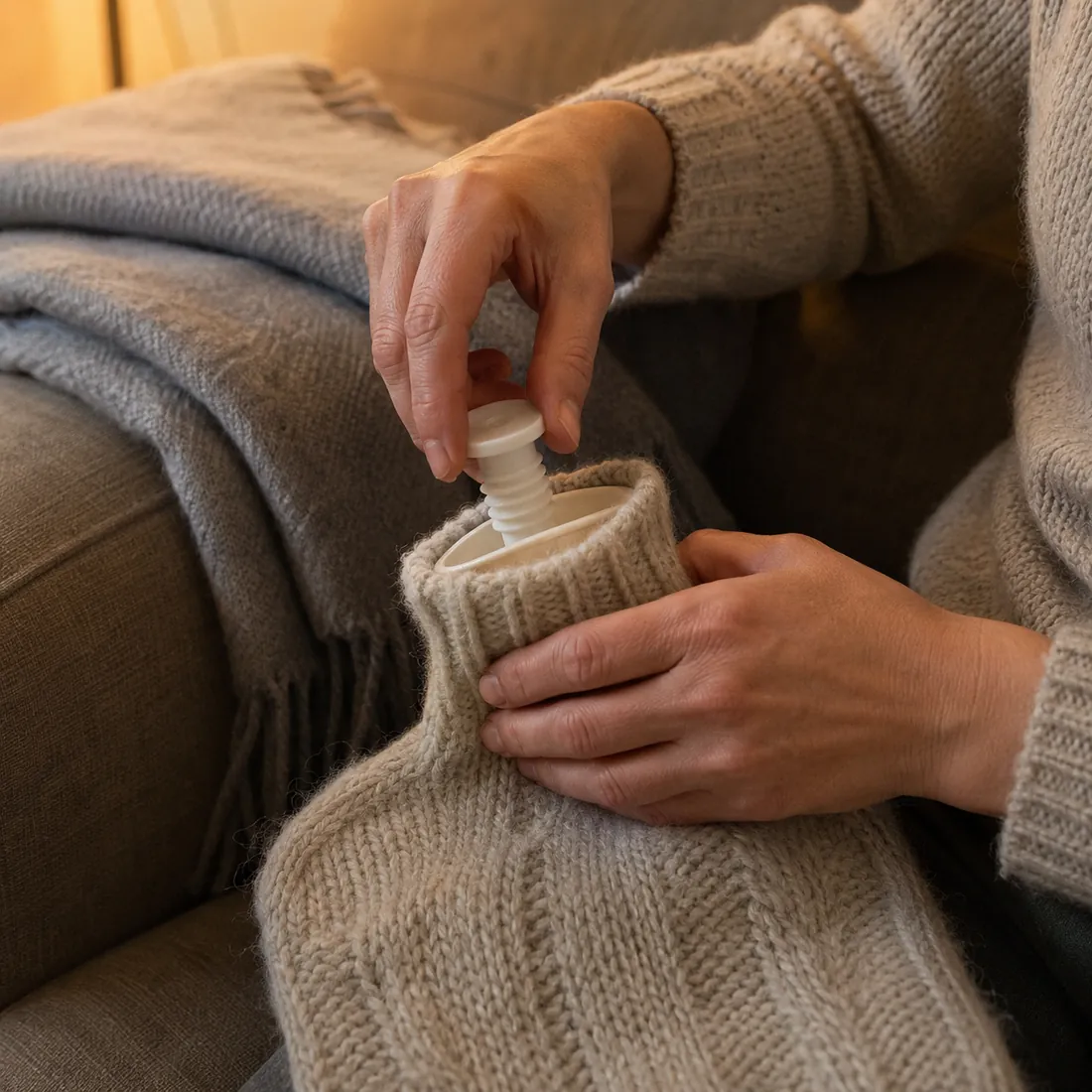
Count 48 hours from the last vomit or the last bout of diarrhea, whichever came later. The AAP’s page on norovirus says a child is less likely to pass it on once vomiting and diarrhea have been gone that long. It also says a child can spread the virus easily for at least 48 hours after symptoms end, maybe longer. So a kid bouncing off the sofa at hour 20, announcing that he feels fine, is still on the clock.
Two more tests apply. The AAP wants stool the diaper can hold, or no toilet accidents if he’s trained, and no more than two stools above his usual, even if they stay loose. It also says staff may ask for a longer stay at home, so a handbook can beat the number. If a test names Shigella, the AAP says to follow the health department’s return rules. If a trained child starts having accidents again after the bug, potty training regression explains why.
The 24 you keep hearing is the window for counting vomits. The AAP suggests relaxing the family media plan for a day or so if he needs entertainment, and sensory play ideas that take five minutes to set up fill the rest of the afternoon.
How does an outbreak get from one room to your whole house?
It starts in one room. The typical child care outbreak in the CDC-authored study had 10 cases and lasted 15 days. That median mixes norovirus, Shigella and every other cause, so read it as a rough shape. Among outbreaks that reported attack rates, the median was about 19 percent of children and 13 percent of staff.
The authors point to a room full of children, some in diapers, all touching the same surfaces. The AAP adds that norovirus travels on light switches, doorknobs, water taps and other surfaces, and that it spreads easily from hand to hand.
Then it follows him home. The study notes that children infected in these outbreaks can pass it to people in their household, and the AAP says a sick child can spread it before you even know he has it. The AAP admits that keeping him apart is tricky when siblings share a bathroom or a bedroom. Its fix is a solo nest for the sick child, wherever you can make one.
Can I pass norovirus to my baby?
Yes. It spreads hand to hand, so the bottle and the baby’s own fingers are all in range of whatever is on yours. The AAP calls hand washing the single most important step, and it means soap and warm-to-hot water for at least 20 seconds. It also says hand sanitizers can’t kill norovirus, so the gel by the classroom door doesn’t count.
Babies do get it. The AAP’s child care return rule covers infants by name, and the same page says about 460,000 people a year in the US, mostly young children, go to an emergency department with severe cases.
Call your pediatrician if a baby can’t keep anything down. Fewer wet diapers, a dry mouth, crying without tears, or a sleepy, fussy day are the AAP’s signs of dehydration, so mention them on the call. For a baby under 2 months, the AAP says to get urgent medical advice for a temperature above 100.4°F, whether or not there are other symptoms.
With a newborn at home, the door matters more. The post on hand-washing rules for visitors around a newborn has wording you can borrow.
What should you ask your daycare?
Ask early, while nobody is sick.
- What is the written return rule, and when does the clock start?
- Do you send a child home after one vomit or after two?
- When two children in one room have the same symptoms, how do you tell families, and how fast?
- Do children wash with soap and water, or use sanitizer at the door?
- What do you disinfect after a case, and how often?
- If I can’t come, who else can you release him to, and how do you reach me?
A center that can’t answer the first question in one sentence has a policy gap. It’s better to find that out in September than at 10:40.
Write the rule on the fridge
When the director gives you the number, write it on a sticky note for the fridge. The next time the text comes, you’ll already know when he’s back.
Leave the first comment
Share your thoughts
Frequently asked questions
Usually it’s miserable and short, but dehydration is the danger. The AAP says most children recover in 2 to 3 days, or a little longer for younger ones. Call your pediatrician if your toddler can’t keep anything down. If your child has a weakened immune system, call at the first signs of norovirus.
Yes. In a CDC-authored study of child care outbreaks, the typical outbreak had about 80 percent of its cases in children under 5. Wash your hands with soap and warm water before you touch a baby’s bottle or pacifier. Call your pediatrician if a baby can’t keep anything down or has fewer wet diapers than usual.
Often the two numbers measure different things. The AAP’s 24 hours is the window for counting vomits, and its 48 hours is the wait after vomiting and diarrhea stop. The AAP also says staff may ask for a longer stay at home. Ask the director for the written rule, since that policy decides when the door reopens.
No. The AAP says hand sanitizers can’t kill norovirus, so the method that counts is soap and warm-to-hot water for at least 20 seconds. Ask whether staff and children wash at the sink after diaper changes, after toilet trips and before food.
In a CDC-authored study, the typical child care outbreak lasted 15 days, and the middle half of them ran from 8 to 26 days. That counts norovirus, Shigella and other causes together. Your own child is usually back sooner, since the AAP says most kids recover in 2 to 3 days once symptoms start.

I'm for the parent whose mornings keep falling apart. I didn't train in ADHD - I lived it with three kids, then read the actual studies, so what you get here holds up in a real kitchen at 7:50 a.m. Specific, tested at home, never preachy.
More from MarcusWhat's the one thing that calmed the chaos in your house?
No right answers here - tell us how it went. Someone reading needs to hear it.
Join the conversation