
Twenty Minutes a Night and Eleven of Them Are Arguing
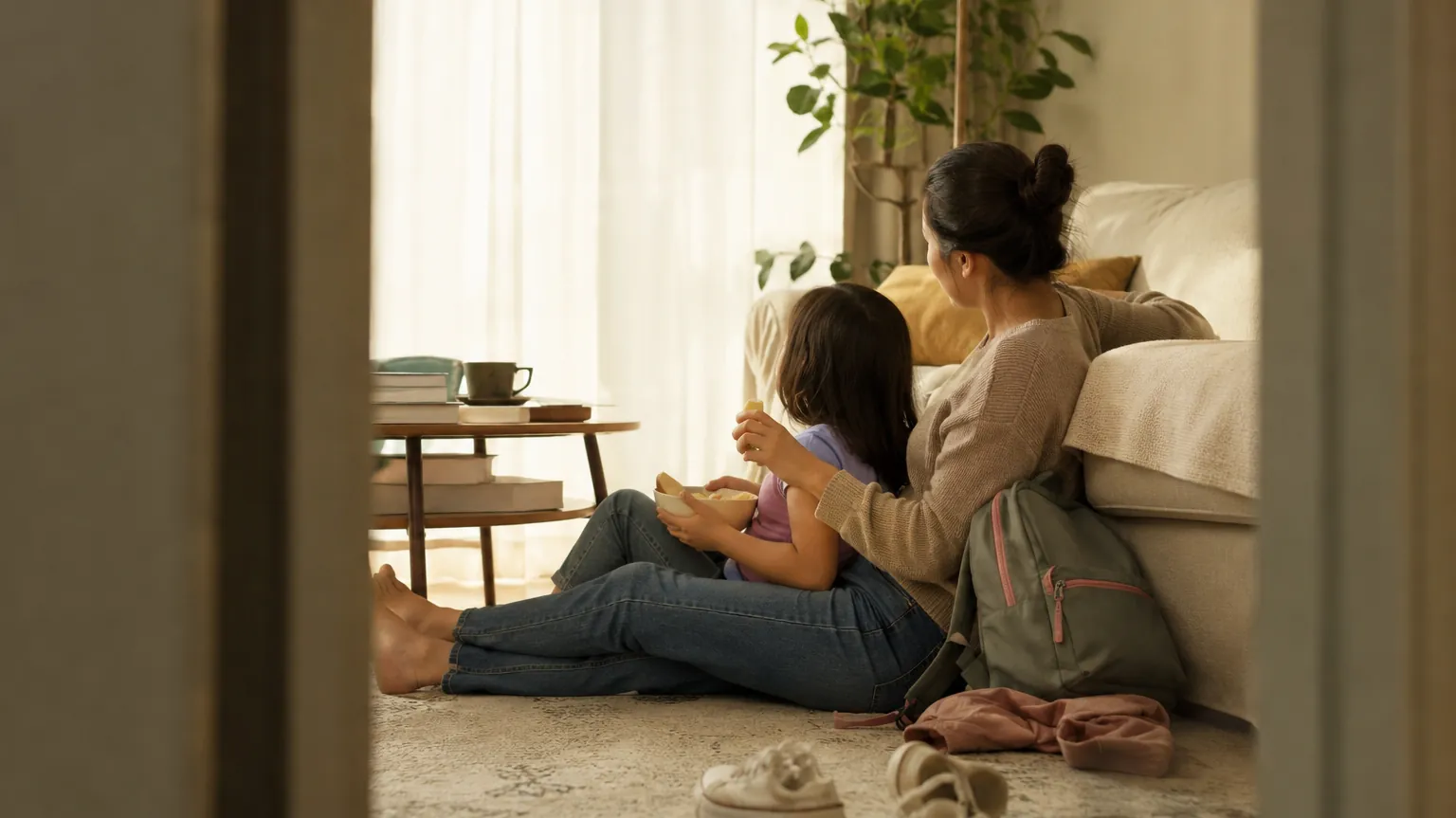
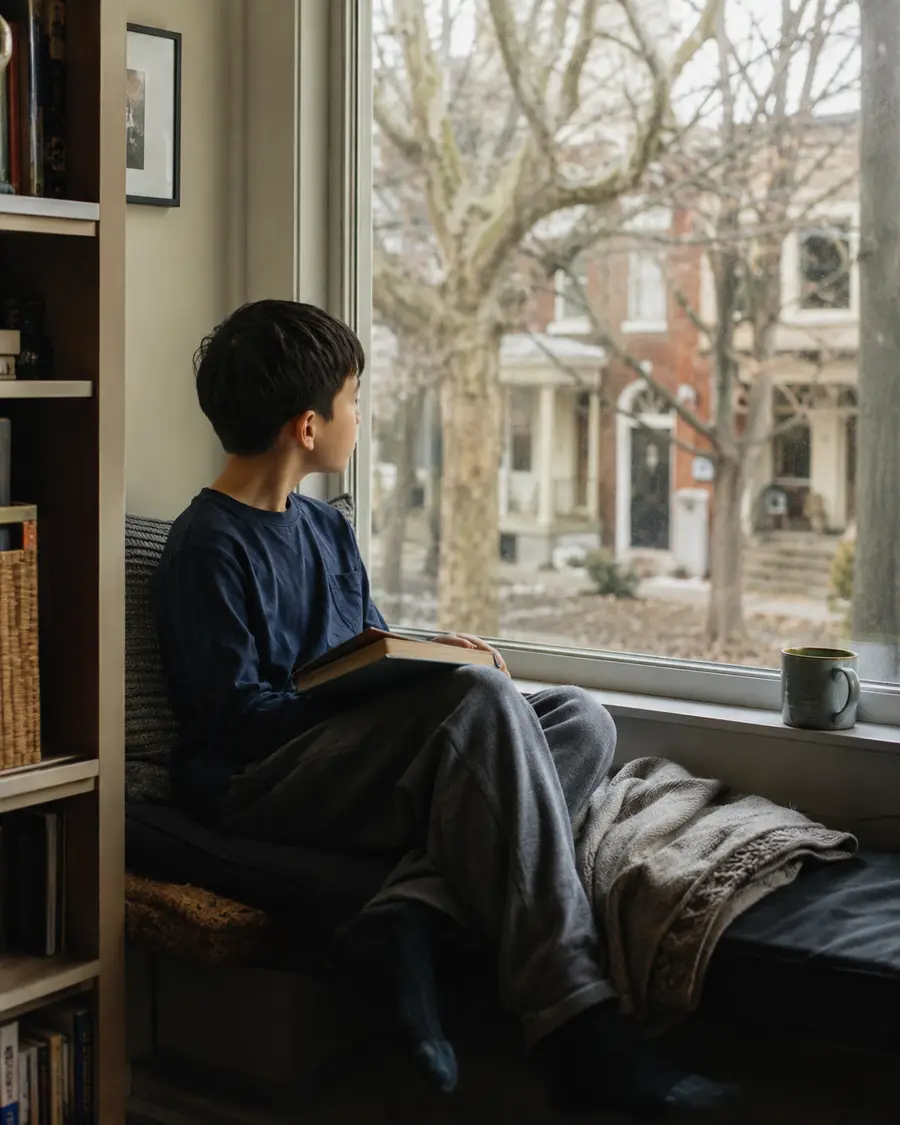
The reading log is on the counter with Monday filled in and the rest of the week blank. He can read. That is the part that stings.
He read the back of the cereal box out loud this morning, correctly, with a joke at the end. Then he sat down with the book from school and went limp like a cat you are trying to put in a carrier. So it is not a decoding problem, and you knew that already. Somewhere between learning how and being asked to prove it every single night, the whole thing turned into homework. The books below get picked up by kids who have decided they are not readers, mostly by being short, funny, half-illustrated, or about something other than a lesson.
Around 70 percent of six to eight year olds say they enjoy reading. By twelve to seventeen that is down to 46 percent, going by Scholastic’s Kids & Family Reading Report. Peter Warwick, who runs Scholastic, said it flatly when that edition landed: fewer children today identify as frequent readers, and reading frequency plummets as kids age. People in publishing call the drop the decline by nine, and it tends to arrive in the same year the nightly reading log does. If you want the wider numbers, we pulled them together in the reading statistics round-up.
- 1
 Partypooper (Wimpy Kid 20)The fastest way to a finished book
 - 2
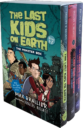 The Last Kids on EarthMonsters, and it looks nothing like school
 - 3
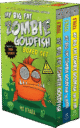 My Big Fat Zombie GoldfishSilly on purpose, four books in
 - 4
 Magic Tree House 1 to 4Chapters short enough to finish before lights out
 - 5
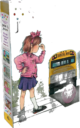 Junie B. Jones boxed setA narrator who is rude, which helps
 - 6
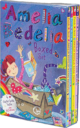 Amelia Bedelia chapter booksFor the kid who likes a joke they can explain
 - 7
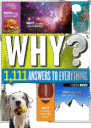 National Geographic Kids Why?Dip in anywhere, no plot to keep hold of
 - 8
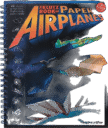 The Klutz Book of Paper AirplanesReading that ends in a thing that flies
 - 9
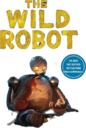 The Wild RobotThe read-aloud that changes their mind
 - 10
 RestartFor an older one who has gone quiet about books
Band one
The ones that are half drawing and still count
Someone will tell you these are not real books. Ignore them. A child who finishes something is a child who has just learned that finishing is possible, and that is the whole job this year.
The trick with all three of these is density. Fewer words on the page means faster page turns, and fast page turns feel like progress in a way that a wall of text never will.
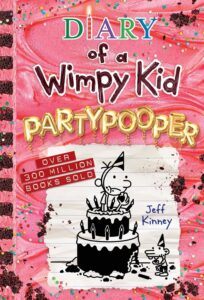
Partypooper (Diary of a Wimpy Kid Book #20): A side-splitting
As an Amazon Associate, Decoded Kids earns from qualifying purchases. Price checked live on Amazon.
Twenty books in and Greg Heffley is still a bit of a weasel, which is exactly why it works. Nobody is being improved here. Start with this one rather than book one if your kid is nine or older, because starting at the newest makes it feel like something happening now instead of a series they are behind on.
Monster apocalypse, treehouse fortress, cartoons every few pages. This is the one that works on the kid who says reading is for school. It is also long enough that finishing it is a genuine brag.
A goldfish comes back from the dead with hypnotic powers. Right. That is the pitch, and for a seven to nine year old it is a very good pitch. Four books in the set, so the second one is already in the house when they want it.
Band two
Short chapters, so finishing one feels like winning
This is the band for the child who is not resisting the story, just the length. A chapter that ends in six pages gives them a stopping point they chose, instead of you saying time is up mid-scene.
Boxed sets earn their keep here for a reason that has nothing to do with money. When book two is already on the shelf there is no gap between finishing and starting, and that gap is where most reading habits quietly die.
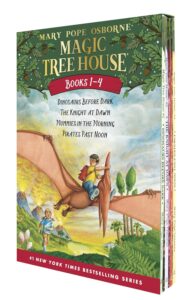
Jack and Annie go somewhere, something mildly alarming happens, they come home. Ten chapters, none of them long. It is formula, and formula is a gift when a child needs to know what they are getting before they commit.
Junie B. says things your child is not allowed to say, and gets them wrong in ways your child will spot. That spotting is the hook. Worth knowing before you buy: the grammar is deliberately bad, which bothers some adults more than any six year old.
Every joke turns on someone taking a phrase literally, so a kid who likes explaining a joke back to you gets a lot out of these. Four books, and they work read alone or shared.
Band three
For the kid who will read facts but not stories
Not everybody is a story person, and the school reading log rarely says so out loud. A page of facts is reading. A set of folding instructions is reading, and harder reading than most novels, because getting it wrong shows up immediately in a plane that will not fly.
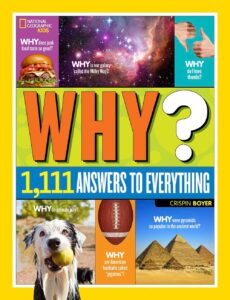
Answers to 1,111 questions, none of which need the one before it. You can open it anywhere, which suits a child who cannot hold a plot across a week of interruptions. Ours mostly gets read on the floor, sideways.
Instructions, diagrams, tear-out paper. They will read every word because a step they skipped is a plane that nosedives. If this is the direction your child leans, the wider list in gifts for kids who do not want toys runs along the same line.
Band four
The one you read out loud until they take it off you
Reading aloud to a nine year old feels like going backwards. It is not. It takes the performance pressure off entirely, and a child who is not busy being assessed can finally just listen to the thing.
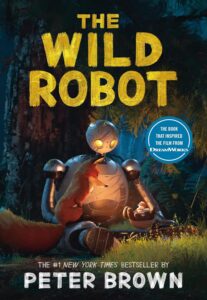
A robot washes up on an island and has to work out how to live there. Short chapters, and it gets emotionally heavier than the cover suggests, so it lands well with a child who feels things hard. If that is yours, the books for an intense child list is the natural next shelf.
A school bully loses his memory and has to find out who he was. For eleven and up, and it is the one that works on a kid who has decided books are childish. Nothing about it reads young.
What we would skip
Leveled readers keyed to his school reading level. A box of books stamped with the level he is already being measured against is the same experience that put him off, in a different cover. If you are buying to repair the relationship, the level on the spine works against you. Save those for school.
Anything with “for reluctant readers” printed on it. Kids read the cover too, and being handed the special book is its own small insult.
A minutes-read reward chart. It turns twenty minutes into a transaction, and the day you stop the chart is the day the reading stops with it.
One thing worth ruling out first
If the refusal is fierce rather than bored, if he loses his place a lot, or reads a word right on one line and wrong on the next, that is worth a look before you buy anything. The early signs of dyslexia are easy to miss in a child who has learned to cover for it by memorizing. A kid who is working three times as hard as his classmates to read the same page is not avoiding books because he is lazy. We went through what that looks like day to day in reading the words is not the same as reading.
Assuming that is not it, the boring truth is that choice does most of the work. Let him pick badly. A whole year of graphic novels is not a wasted year.
If your question is a bit different
Leave the first comment
Share your thoughts
Frequently asked questions
Yes. Reading images alongside text is its own skill, and heavily illustrated books carry vocabulary a child would skip in a denser one. For a reader who has stalled, the thing that matters most is finishing a book at all. Plenty of strong readers spent a year reading almost nothing else first.
It is one of the better moves at that age. Listening comprehension runs well ahead of reading ability until around twelve, so reading aloud lets them enjoy a story they could not yet decode alone. It also removes the sense of being tested, which is usually what the resistance is about.
School reading is performance, and holding that together all day costs something. Home is where the effort gets put down. Try dropping the log for two weeks, letting them choose anything at all, and reading near them rather than listening to them. Refusal at home is usually tiredness, not dislike.
Which book changed something at home - and which did you put back?
No right answers here - tell us how it went. Someone reading needs to hear it.
Join the conversation