
She Dug Through the Rice, You Swept Up the Rest
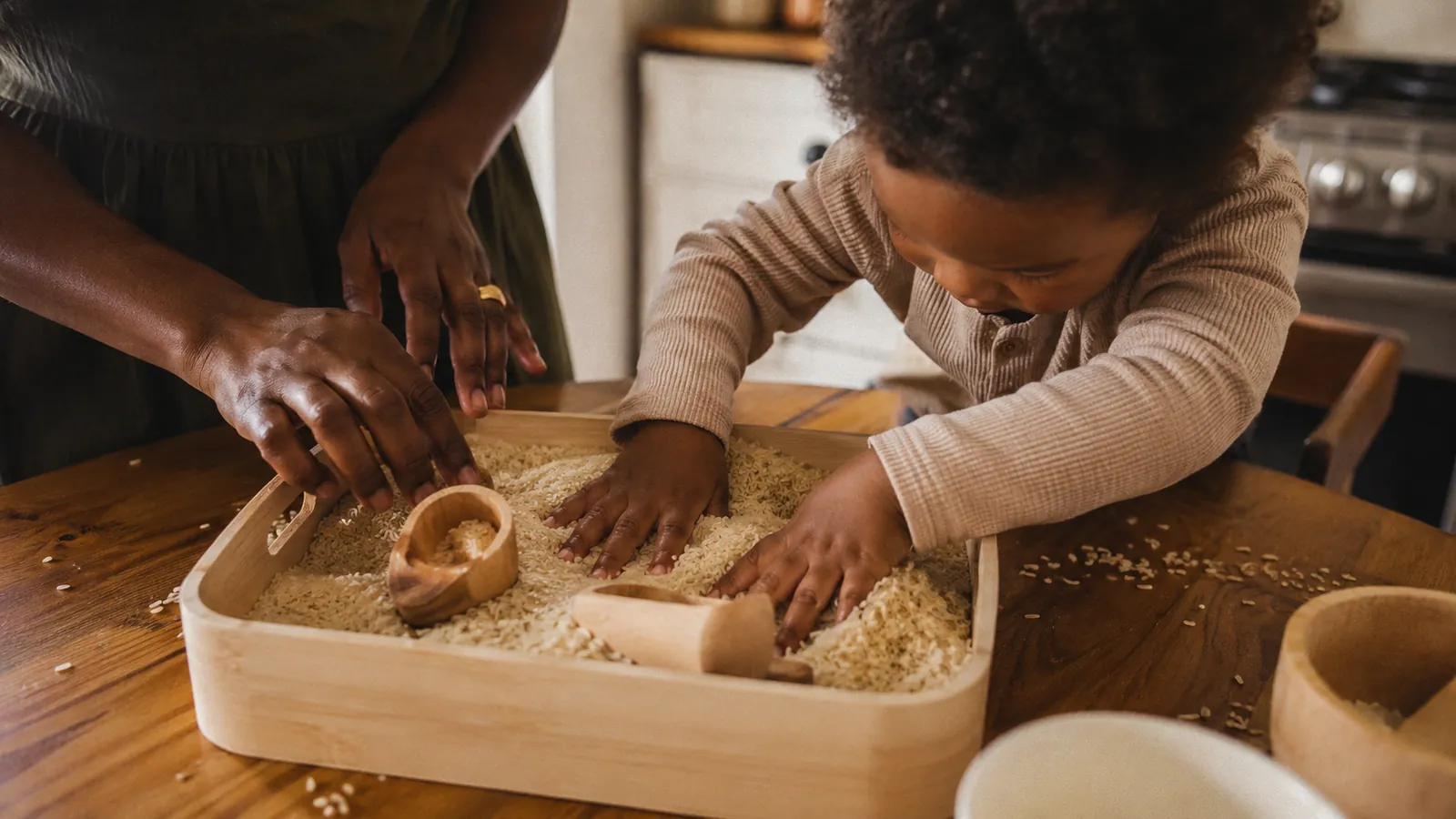
Door three is a spoon and a bowl of dry rice. That’s it. No countdown candy. No eight-dollar toy stuffed into a paper pocket you’ll refill by December tenth. Your two-year-old digs both hands in. She dumps most of it on the table. She stays there for eleven minutes while you drink a whole cup of coffee, still warm.
That’s the trade an activity advent makes. You swap the candy or the trinket for five real minutes with one small task, sized for small hands. Repeat some version of it for twenty-four days. It sits well next to the everyday wonder of a toddler’s first real Christmas, and our piece on watching a two-year-old discover Christmas digs into that stage. Nobody needs a new toy behind every door. She needs one thing to do with you. And you need a plan for the days you don’t feel like making anything at all.
Why Five Real Minutes Beat an Hour of Pinterest

A toddler’s attention for one activity runs short. That’s not something to fix. It’s the whole point. ZERO TO THREE studies the first three years of life, and the group frames play as the real work of childhood, not a break from it. A kid pouring rice from bowl to bowl for four straight minutes is doing exactly what her brain is built to do at this age: sort, dump, notice, and do it again. It’s the same instinct behind good sensory play at any age.
A calendar built around five-minute activities isn’t a smaller version of a real project. For a one- to three-year-old, it is the real project. A forty-five-minute Pinterest craft needs older hands and more patience than she has yet. Sizing the day to the child in front of you, instead of the photo online, is most of the job.
How to Lay Out Twenty-Four Days Without It Becoming Your Own Chore
Twenty-four unique activities is a lot to invent. Nobody needs to. Pick six or seven you already know work: a rice or bean scoop, dot stickers, a washable-paint handprint, blocks stacked into a paper “tree.” Reuse each one two or three times across the month. A one-year-old won’t remember that door twelve was the same tray as door four. A three-year-old often asks for the repeat on purpose.
Split the twenty-four days into rough thirds. About a third get a five-minute prepped activity. A third are low-prep: hand over a muffin tin and a bowl of pom-poms for sorting, or let her “help” wrap a small box while you wrap the real gifts. A reusable sticker book covers a low-prep day well too. No mess, no cutting, and the same book comes back out in January.
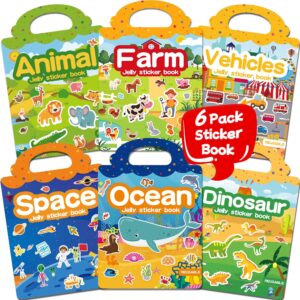
Reusable Sticker Book for Toddlers
As an Amazon Associate, Decoded Kids earns from qualifying purchases. Price checked live on Amazon.
The last third are honest rest days. A single sticker behind the door. A favorite ornament to hold. Two quiet minutes with a picture book about the season. For a version of this whole idea with zero daily setup:
And if she’s ready for more mess than a five-minute tray can hold, our bigger Christmas crafts for kids round-up is the next stop once the calendar starts feeling too small.
Sensory and Movement Days That Use What the House Already Has
A sensory bin doesn’t need a theme or a store trip. Dry rice, oats, torn tissue paper, even the shredded paper from a gift box works the same way a fancier bin does. It gives small hands something to scoop, sort, and dump with a spoon or an old measuring cup. Our tub of cinnamon and pinecones is a good model for the full themed version. A Tuesday-night version can be whatever’s already in the pantry.

Movement counts too, and it doesn’t need a craft table. Hop between two couch cushions like stepping stones. March around the tree banging a wooden spoon on a pot. Take a short walk to collect pinecones and leaves, the same instinct behind fall crafts sized for small hands, then glue them to paper the next day. Each one fills five minutes without asking a toddler to sit still. Sitting still is usually the real challenge on a long December afternoon, not the activity itself.
What’s Safe for a One- to Three-Year-Old (and What Isn’t)
A dry-rice tray is safe once a toddler has outgrown putting fistfuls of small objects straight into her mouth. If your one-year-old is still in that mouthing stage, swap the rice for cooked-and-cooled pasta shapes, big enough that a stray piece won’t disappear. Or use a water table instead. Either way, stay at the table the whole time, the same as you would for a plate of grapes.
The federal size rule is worth knowing. The CPSC, the government’s safety agency, tests toy pieces meant for kids under three with a small cylinder. It’s 1.25 inches wide and 2.25 inches deep, about the size of a toddler’s wide-open throat. The CPSC also offers a rough home test: a toilet-paper tube. If a piece fits inside one, treat it as too small. The real tester is a bit narrower than a toilet-paper tube, so the tube test leans extra safe, not the other way around. The same rule covers craft add-ins. Pompoms, beads, buttons, and loose gems from a craft kit are a hard no for this age group, calendar or not. HealthyChildren.org, the AAP’s parent site, has a plainer version of the same rule. A toy piece has to be bigger than your child’s mouth. If it’s not, keep it out of reach.
A Note for Families Keeping Advent as More Than a Countdown
Some families keep Advent as a season of waiting, more than a countdown to gifts. The same five-minute frame works with a different door. Try a one-line verse read aloud. Add a felt Nativity piece to a board each morning. Hang a Jesse Tree ornament on a small branch. Each one gives a toddler a version of the season sized for her attention span too. An adult always handles any candle or open flame. A Jesse Tree ornament does the same job as the rice tray: one small, repeatable thing a toddler can do herself, day after day.
What to Do on the Days You Forget
Skip the door. Don’t double up the next day to make up for it. Don’t explain yourself to a two-year-old who wasn’t counting anyway. Tape the empty door shut, or slip a sticker in after breakfast instead of first thing, and keep moving. If missing a day turns into a real meltdown, not just a shrug, our piece on telling a tantrum from a true meltdown walks through what that usually means. Once the twenty-four days run out, the bare afternoons right after Christmas are their own kind of long. That’s what our winter boredom busters round-up is for.
Leave the first comment
Share your thoughts
Frequently asked questions
A five-minute sensory tray of dry rice or oats, dot stickers on a printed shape, stacking blocks into a paper tree, or a single ornament to hold and examine all count. The goal for a one- to three-year-old is one small task with real materials, not a big craft with steps she can’t follow alone.
Repeat six or seven reliable activities across the month instead of inventing twenty-four: a rice scoop, washable-paint handprints, dot stickers, block stacking, and a couple of true rest days with just a sticker or a picture book. A toddler won’t notice the repeats, and repetition is part of how she learns each one.
Swap the day’s activity for a one-line Bible verse read aloud, a felt Nativity piece added to a board, or a Jesse Tree ornament hung on a small branch, with an adult always handling any candle or flame. The same five-minute frame that works for a sensory tray works for a season of waiting too.
Let her wander off. A few minutes of real interest is normal at this age, and the tray can come back out after her nap. A meltdown over stopping mid-activity usually means she’s done, not that something went wrong with the activity itself.
Dry rice or beans are fine once a child has outgrown putting fistfuls of objects in her mouth, and should always be supervised. Skip loose pompoms, beads, buttons, and anything that fits inside a toilet-paper tube, the Consumer Product Safety Commission’s rough test for a piece too small for a child under three.

I'm for the parent standing in the bookshop, overwhelmed. I read them all - the wise, the smug, the single good idea stretched to 240 pages - so your nightstand stack stays short. I'll point you to what's truly worth it, and kindly, what to put back.
More from MeiWhat's the one thing that calmed the chaos in your house?
No right answers here - tell us how it went. Someone reading needs to hear it.
Join the conversation