
Her Resolution Lasted Until the Fourth of January

She wrote it on the second, in her best handwriting, and taped it to the closet. Read more. Be kinder to her brother. Learn the whole of the piano piece.
By the fourth the paper was behind the dresser and nobody mentioned it again, which is roughly the national average and not a character flaw.
That last bit is not folk wisdom. It comes out of the data quite clearly, and it changes how you set the thing up.
Why the first of January is oversold
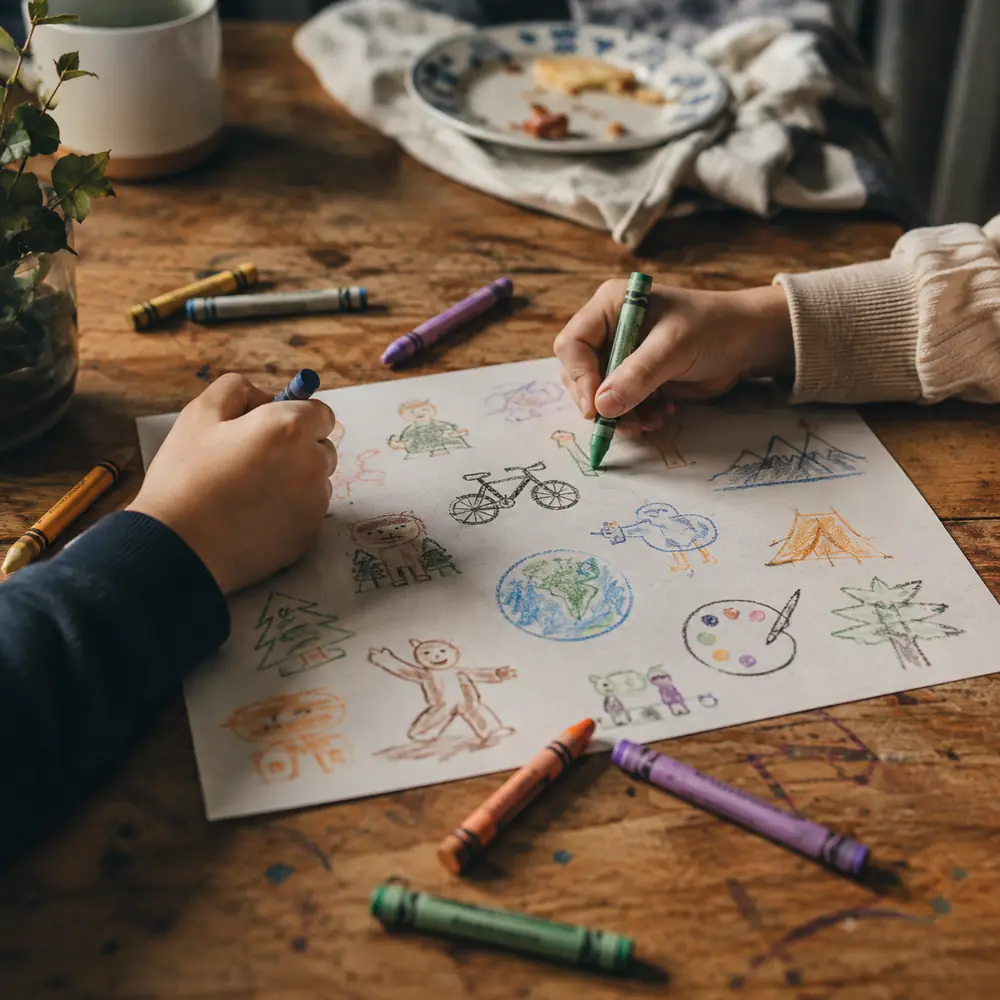
Three researchers at Wharton went looking for what makes people suddenly decide to change, and found a pattern they called the fresh start effect.
A landmark, in their sense, is any date that feels like a line: a new week, a new month, a birthday, the start of a term. Cross one and the old failures get filed under last time, which makes trying again feel possible.
Here is the part worth knowing before you sit down with a seven year old and a pen. New Year produces the biggest burst of wanting and one of the smallest bursts of doing. Google searches for diets jump 82 percent in the first days of January. Actual gym visits rise only 12 percent. The start of an ordinary new week lifts them by 33 percent, and the start of a new term by 47.
So the first of January is the day to choose the thing. It is not a good day to expect the thing to hold. Build the restart into the plan and nobody has failed by the fourth.
Making it small enough
Most children’s resolutions fail because they are wishes rather than actions. Be kinder is a wish. Say one nice thing to my brother at breakfast is an action, and a child can tell you whether it happened.
Ask two questions and let them do the work. What do you want to be different? What is the smallest bit of that you could do on a Wednesday when everything is horrible?
The answer should sound almost too easy. Read one page, not read every night. Two minutes of piano, not the whole piece. The point at the start is not progress, it is proving to themselves that the thing happens at all, and easy is what makes that true.
One goal, too. Three resolutions taped to a closet is a to-do list, and a child who fails at one abandons all three by association.
Hooking it to something real
A new habit needs a doorway rather than a time. After I brush my teeth. When I get in from school. As soon as the plates are cleared.
Times get missed and negotiated. Moments already exist in the day, and they carry the new thing along with them. It is the same principle that makes a chore actually get done rather than nagged about, and it is why a morning routine chart beats a list of times taped to a door.
For a child who loses track of how long anything takes, put a timer next to the habit rather than a clock. Two minutes with a visual timer running is a completely different job from two minutes in the abstract, and the timer comparison covers which ones survive a family.
Then make it visible, because out of sight really is out of mind at this age. A calendar with a cross for every day it happened, hung where they will walk past it, does most of the work.
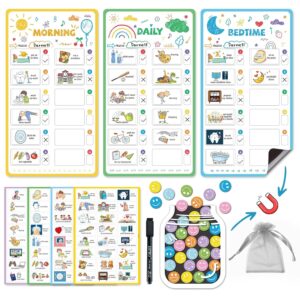
JJPRO Magnetic Bedtime/Morning/Daily Routine Chart for Kids with
As an Amazon Associate, Decoded Kids earns from qualifying purchases. Price checked live on Amazon.
Ten crosses in a row become a thing they do not want to break, and that is roughly the whole psychology of habit in one sentence.
What to do when it stops
And restart on a Monday, or the first day of the new term, since those are the landmarks that measurably move people. February the first falls nicely and has none of the January weight on it.
If the goal turns out to be the wrong one, let it go without ceremony. A nine year old who picked piano because you looked pleased will not keep it up. Swapping it for something they chose themselves is progress, not giving up.
It also helps to aim at what their age can hold. Planning, starting and keeping track are skills that arrive slowly, and the guide to what to expect at each age is a useful sanity check before you decide a child is being lazy.
The one worth picking for them
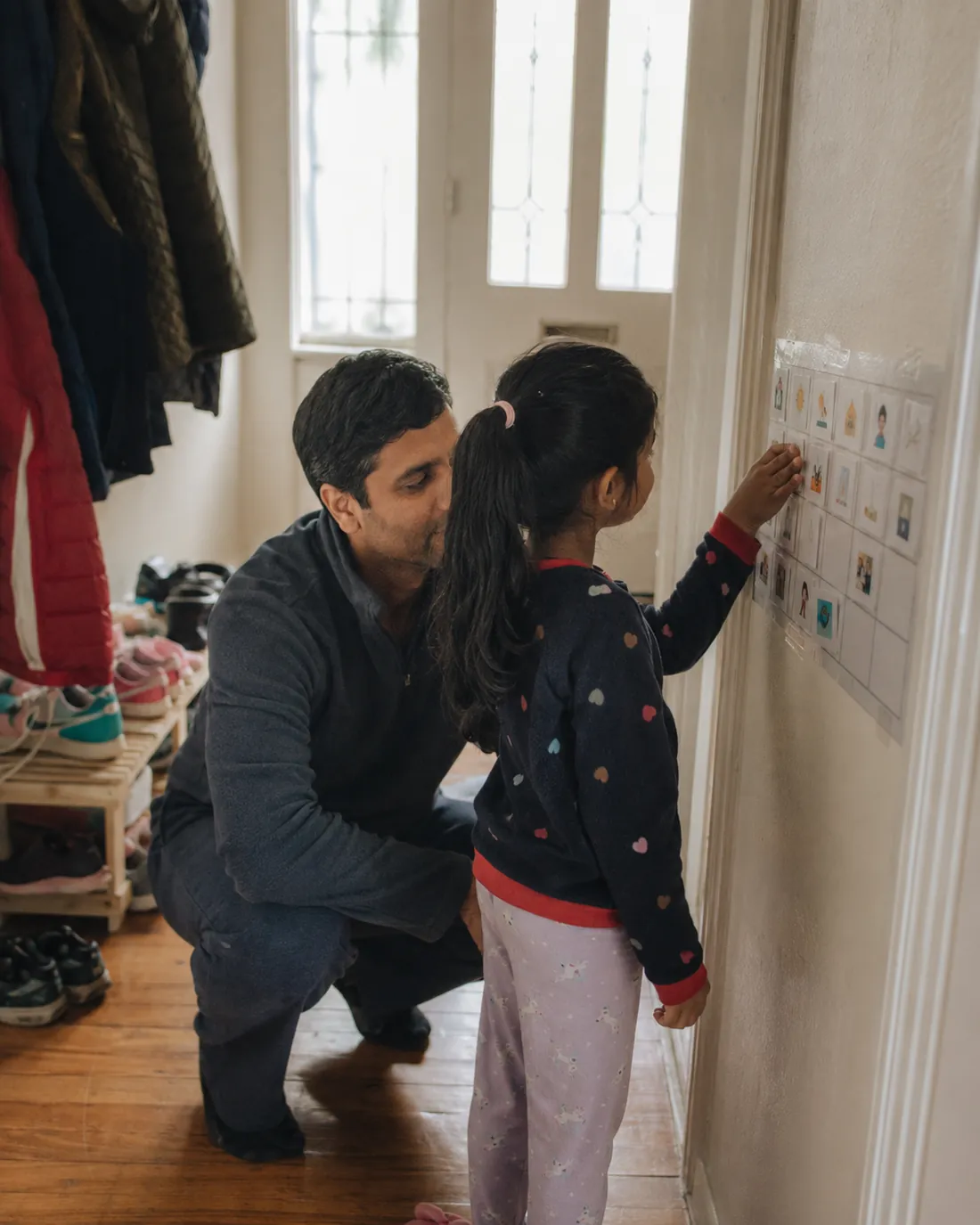
Sleep, if you are only doing one. January is when the bedtime that slipped over the holidays needs pulling back, and everything else a child is trying to do rests on it.
Move it by fifteen minutes every few nights rather than all at once, which is the same approach set out in the piece on resetting a bedtime that has drifted. Do it before the term starts if you possibly can.
The other quietly useful one is a household resolution rather than an individual one. Everybody eats at the table on Sundays. Nobody takes a screen upstairs. Children keep shared habits far longer than private ones, and nobody has to be the one who failed.
Hers is back up on the dresser, in worse handwriting, and it says read one page. It has been there since February.
Leave the first comment
Share your thoughts
Frequently asked questions
Ones small enough to do on a bad day and specific enough to answer yes or no. Read one page, two minutes of practice, one kind sentence at breakfast. Avoid wishes like be kinder or work harder, because a child cannot tell whether those happened.
One. Three goals on a list is homework, and children who miss one tend to abandon the others by association. A single habit that survives to February is worth more than a full list that lasted four days.
New Year creates a big surge of intention and a small surge of action. Research on temporal landmarks found gym attendance rises far more after an ordinary new week or new term than after the new year, even though interest in dieting spikes in January.
Say nothing for a couple of weeks, then offer a restart with a date attached. Reminding them while it is fresh attaches a sense of failure to the goal. Restarting on a Monday or at the start of a term works better than restarting on any random day.
Attach it to something that already happens rather than to a clock time, keep it small enough to be almost effortless, and make the record visible. A calendar with a mark for every day it happened does more than any amount of reminding.
Which tool earned its place - and which was a waste of money?
No right answers here - tell us how it went. Someone reading needs to hear it.
Join the conversation