
The Baby Sleep Books, Sorted by What They Ask You to Do
Nobody buys a sleep book at two in the afternoon. You buy it at half past three in the morning, on a phone, with one thumb.
Which is exactly why the reviews are so hard to read. Every one of these books has five star reviews calling it the thing that saved a family, and one star reviews calling it cruel or useless. Both are usually true, because the reviewer bought a method they were never going to be able to carry out.
So this list is not ranked best to worst. It is sorted by what the book asks of you at midnight, which is the only thing that decides whether you finish it.
Nine books below, in three bands. The band tells you what you will be doing at three in the morning if you follow it.
- 1
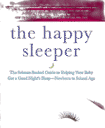 The Happy SleeperThe middle path, and the one to start with
 - 2
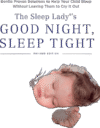 The Sleep Lady’s Good Night, Sleep TightStay in the room, move a little further each night
 - 3
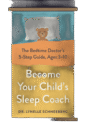 Become Your Child’s Sleep CoachAge by age, if your child is past the baby stage
 - 4
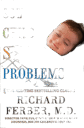 Solve Your Child’s Sleep ProblemsThe original method, with the timed checks
 - 5
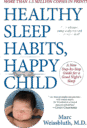 Healthy Sleep Habits, Happy ChildIf the problem is timing rather than settling
 - 6
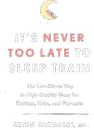 It’s Never Too Late to Sleep TrainFor toddlers and older, not newborns
 - 7
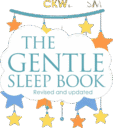 The Gentle Sleep BookNo training at all, and honest about the timescale
 - 8
 I Sleep in My Big BedThe one you read to the child, not about them
Band one
You stay in the room
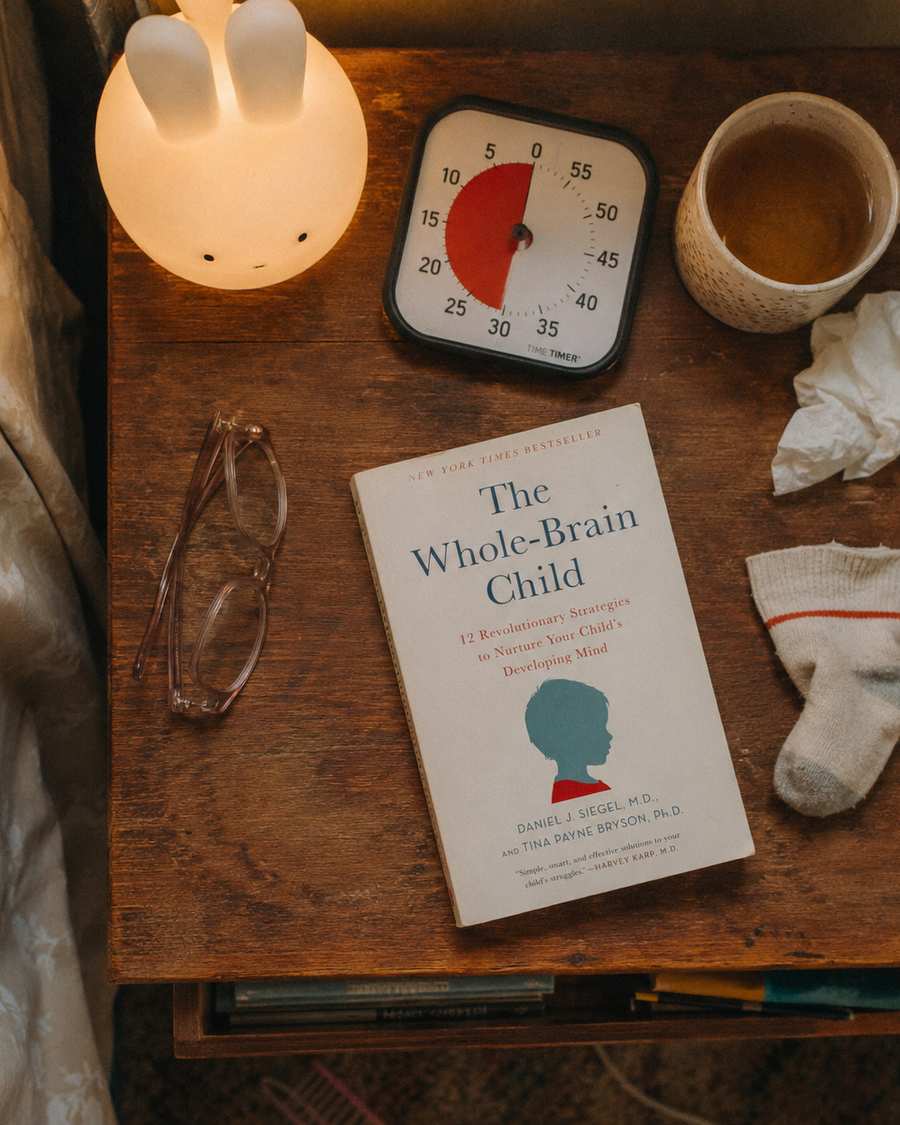
These three ask you to be present while your child learns to fall asleep without being held. You sit by the crib, you say very little, and every few nights you move the chair further towards the door. It takes longer than the leave the room methods, usually two to three weeks rather than five nights, and most parents find it far easier to keep doing.
This is the band to start in if the thought of shutting the door makes you feel sick. That reaction is not squeamishness. A method you abandon on night two is worse than no method, because the child now has two rules instead of one.
The Happy Sleeper
As an Amazon Associate, Decoded Kids earns from qualifying purchases. Price checked live on Amazon.
The Happy Sleeper is written by a psychotherapist and a nurse, and its version is called the Sleep Wave: brief, scheduled check ins with a set script. It also has the best explanation of why a baby who could sleep through last month suddenly cannot. If somebody made me pick one sleep book for a friend, it is this one, mostly because it is the least likely to make anyone feel judged.
The Sleep Lady’s Good Night, Sleep Tight is the fullest version of the stay in the room approach, and the shuffle it describes is the plan that turns up in a hundred blog posts without credit. It is long, and it is repetitive if you read it front to back. Read the chapter for your child’s age and skip the rest.
Become Your Child’s Sleep Coach is the practical one if your child is no longer a baby. It splits by age, which sounds obvious and is rare, and it gives you scripts for a four year old who appears at your bed at one in the morning. That child is not sleep training. They are negotiating, and this book knows the difference.
Band two
You leave the room
Faster, harder, and the source of every argument on the internet. These books ask you to leave and come back at set intervals, or in one case not come back at all. Families who complete them usually report a change within a week. Families who cannot complete them often feel like they failed, which they did not.
One thing worth clearing up before you order any of them. The method everybody calls crying it out is not what the best known book actually says.
Solve Your Child’s Sleep Problems is the Ferber book, and it is nothing like its reputation. It asks you to go back in at increasing intervals, comfort briefly, and leave again. Most of the book is about sleep rhythms, night terrors and schedules rather than crying at all. If you have only heard about it secondhand, you have probably heard about a version that is not in the book.
Healthy Sleep Habits, Happy Child is the one to read if the settling is not really the problem and the clock is. Its argument is that most children are put to bed too late and are overtired by the time they get there, and the fix is often moving bedtime earlier rather than doing anything at bedtime. The writing is dense. The core idea is worth the effort.
It’s Never Too Late to Sleep Train is for the family who missed the window everyone talks about and now has a two or three year old with a bedtime that takes ninety minutes. It is direct and short. It is not for newborns, and it says so.
Band three
You wait
This band is one book plus one for the child, and it is the honest option for parents who are not willing to do any version of the above. It does not promise a fast fix, because there is not one.
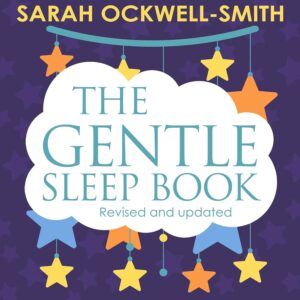
The Gentle Sleep Book argues that a lot of what gets called a sleep problem is normal infant sleep meeting adult expectations, and that the fix is often to change the expectation. That will read as either a relief or a cop out depending on where you are standing at three in the morning. What it does well is remove the guilt, and it gives you things to adjust that are not the child.
I Sleep in My Big Bed is the only one on this list aimed at the child. For a toddler moving out of a crib, a picture book that shows the new arrangement does more than any explanation you give at bedtime. Read it in daylight, a few days before the change, and then again on the night.
If the issue is fear rather than habit, the better starting point is why bedtime suddenly feels scary, because no sleep method touches a frightened child.
What we would skip
Twelve Hours’ Sleep by Twelve Weeks Old. It sells the exact promise you want at four in the morning, which is why it keeps selling. The plan is a rigid feeding and sleeping schedule for a very young baby, and it leaves little room for a baby who is small, feeding often or just not on that timetable. Plenty of families do report it worked. We would still not hand it to a new parent, because the ones it does not work for tend to conclude they are the failure.
Anything promising a fix in one night. Three nights is fast. One night is marketing.
The book your relative pressed on you in 1994. Sleep advice from before the safe sleep guidance changed can contain positions and props we now know to avoid. Check the edition year before you follow anything.
Before you buy any of them
Read the method summary first, on a normal evening, and ask yourself whether you would do it on the third night when it is not working yet. That question sorts these books faster than any review does.
And if two adults are in the house, both need to read the same one. The most common reason a sleep plan fails is not the plan. It is one parent doing the checks and the other picking the baby up.
If your question is a bit different
Leave the first comment
Share your thoughts
Frequently asked questions
The Gentle Sleep Book asks the least of the child and does not involve leaving them to cry at all. If you want something gentle that still gives you a plan with an end point, The Happy Sleeper is the better fit, since you stay in the room and follow a set script.
No. Full extinction means not returning at all. The method in Solve Your Child’s Sleep Problems asks you to return at planned and gradually longer intervals to comfort briefly. Much of the book is about sleep schedules and common sleep problems rather than crying.
Most of these books put the earliest point at around four to six months, once night feeds are no longer needed and the baby can settle without help. Below that, the advice in all of them is about routines and timing rather than training. Ask your own doctor before starting with a small or premature baby.
Not if bedtime is broadly working. Books earn their place when you are stuck in a pattern you cannot see out of, mainly because they give two tired adults one shared plan. If you only take one thing from any of them, take the consistent bedtime routine, which every book on this list agrees on.

I'm for the parent standing in the bookshop, overwhelmed. I read them all - the wise, the smug, the single good idea stretched to 240 pages - so your nightstand stack stays short. I'll point you to what's truly worth it, and kindly, what to put back.
More from MeiWhich book changed something at home - and which did you put back?
No right answers here - tell us how it went. Someone reading needs to hear it.
Join the conversation