You can buy a whole drawer full of calming tools and still have nothing useful when your kid is under the table, chewing their sleeve, or melting down because the room got too loud.
So this is not a giant list of forty sensory toys. Most of those become clutter with good intentions. This is the shorter version: five tools parents actually reach for again and again, because they solve a real moment.
Exact test sentence: A small tool in the right place can make the hard moment easier to handle.
Old mark: A small tool in the right place can make the hard moment easier to handle.
New mark: A small tool in the right place can make the hard moment easier to handle.
“The best sensory tool is not the cutest one. It is the one your child can use when life gets too loud, too fast, or too much.
Start with the problem, not the product. If sound is the fight, look at ear defenders. If sitting still is the fight, try movement or deep pressure. If busy hands keep stealing the show, go quiet and simple.
One good tool in the right place beats a perfect sensory basket nobody remembers to use.
| Product | Best for | Rating |
|---|---|---|
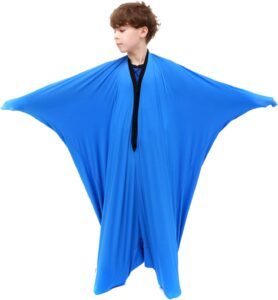
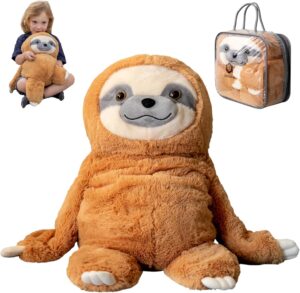
| Body sock | Deep pressure | ★ 4.6 |
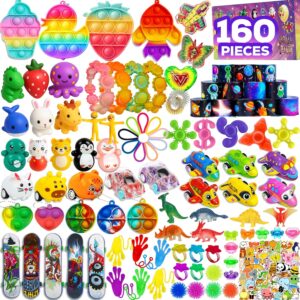
| Quiet fidget set | Busy hands | ★ 4.5 |
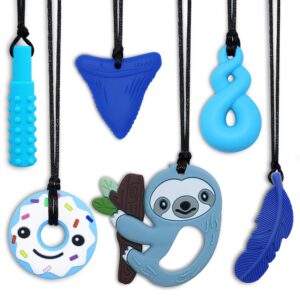
| Chewelry | Chewing sleeves | ★ 4.6 |
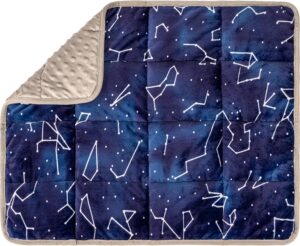
| Weighted lap pad | Homework and reading | ★ 4.7 |
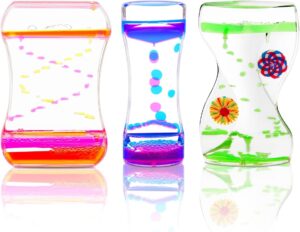
| Liquid motion timer | Transitions | ★ 4.5 |
You do not need all five. Pick the tool that matches what your child already does when they are trying to cope.
If they chew, start with chewelry. If they seek pressure, try a lap pad or body sock. If their hands need a job, try a quiet fidget. If they stare at spinning fans or falling glitter, a visual timer or bubbler may help.
Keep the tool where the hard moment happens. A lap pad in the homework chair beats one hidden upstairs. Ear defenders in the car beat ear defenders in a perfect basket by the sofa.
Start with the problem you see most. If noise is the trigger, try ear defenders. If your child seeks pressure, try a weighted lap pad or body sock. If busy hands are the issue, try a quiet fidget.
No. Autistic and ADHD kids may use sensory tools, but any child can need help with sound, movement, touch, waiting, or calming their body after a long day.
Sometimes. A quiet fidget can give busy hands somewhere to go. Loud, flashy, or toy-like fidgets can become the distraction instead.
Use a sensible weight, supervise younger children, and make sure your child can remove the lap pad by themselves. Ask a clinician first if your child has breathing, mobility, or medical concerns.
AFFILIATE DISCLOSURE: THIS GUIDE CONTAINS AFFILIATE LINKS. DECODED KIDS MAY EARN A COMMISSION AT NO EXTRA COST TO YOU.
© 2026 DECODED KIDS · PRIVACY · AFFILIATE DISCLOSURE · TERMS