Books for the Kid Everyone Calls Too Much
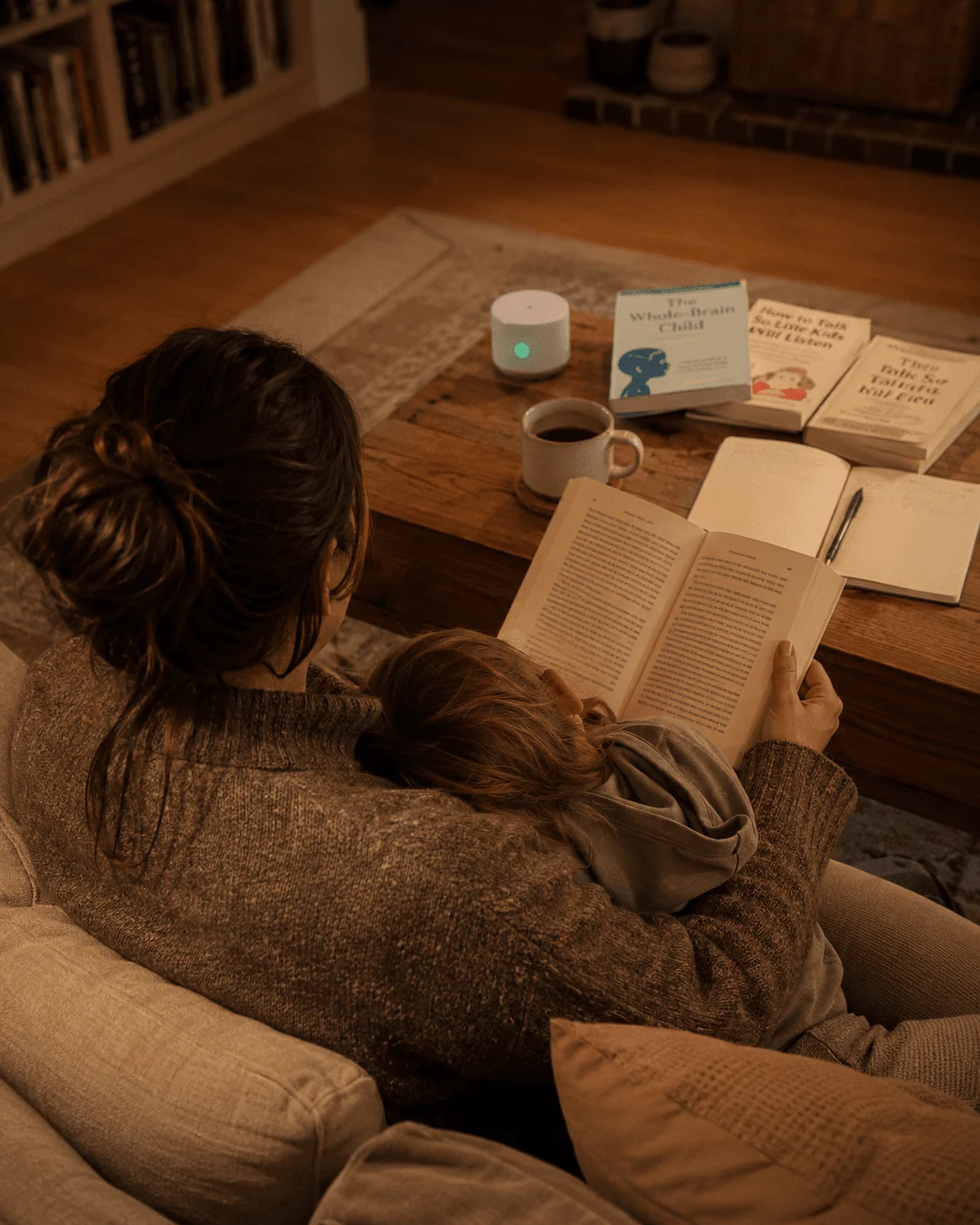
By the time someone hands you a book, you have usually already heard the word. Too much. Too loud, too fast to anger, too big for the room, too slow to let a thing go. Teachers say it gently. Relatives say it less gently. And somewhere along the way you started quietly wondering whether they had a point.
Here is what the good books understand and the offhand comments miss: intensity is not a character flaw. It is a nervous system running hot in a child who has not yet been handed the wiring to manage it. None of the books below promise a calmer kid by Friday. What they give you is a different way to see the child you already have, plus a few concrete things to do at the exact moment it all tips over.
Start with the reframe, not the strategy
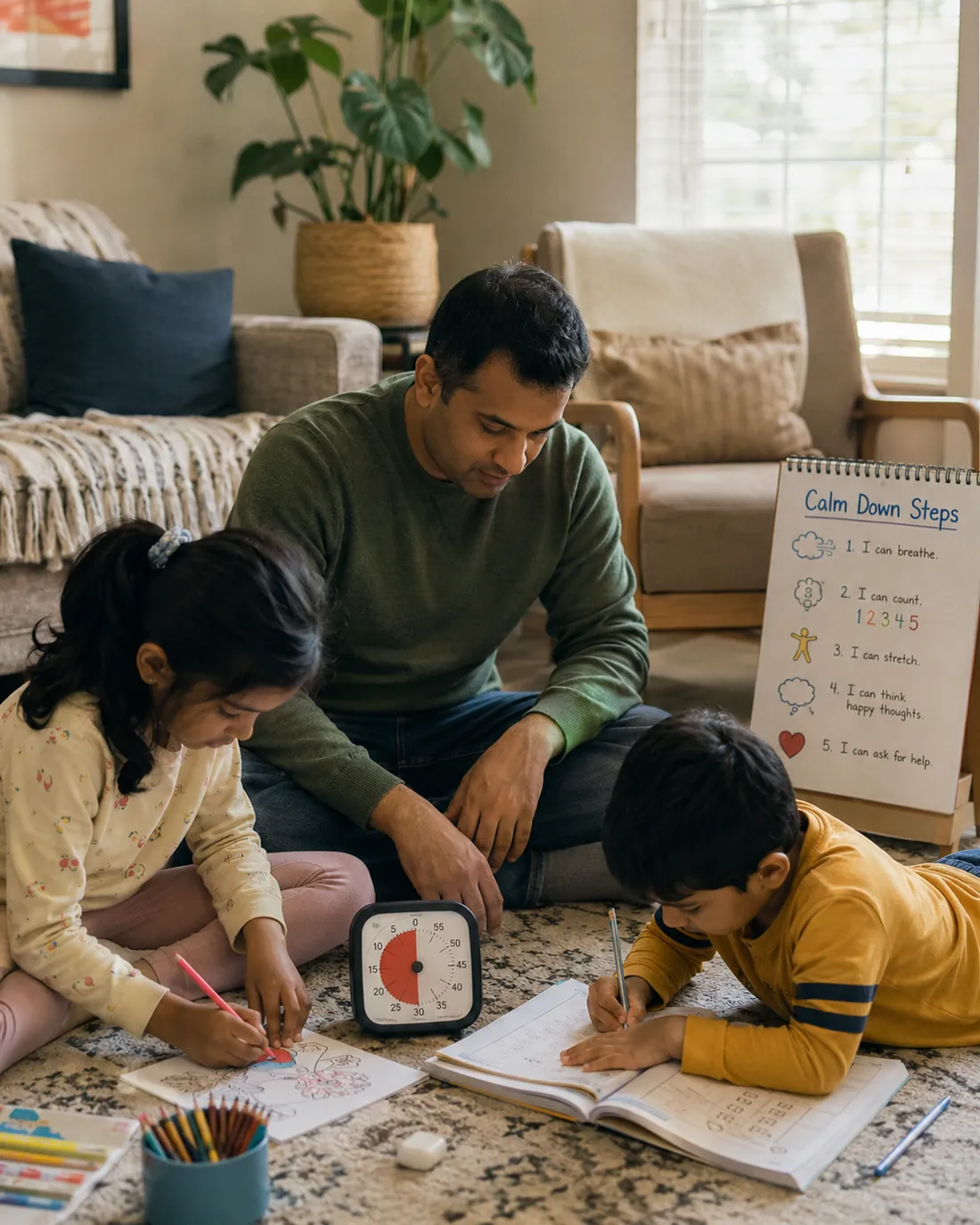
Dr. Ross Greene, the child psychologist behind Collaborative & Proactive Solutions, built his whole approach on one deceptively plain sentence: kids do well if they can. Not if they want to. If your child could get through the moment without coming apart, they would. When they cannot, it is a skill they are missing, not a punishment they are dodging. Once that idea actually lands, a lot of the daily standoffs stop looking like defiance and start looking like a kid stuck without the right tool.
That shift is the whole reason a book helps more than a louder voice does. You cannot discipline a child into a skill they do not have yet. You can, slowly, teach it. The four below each take a different run at that.
The four worth your evening
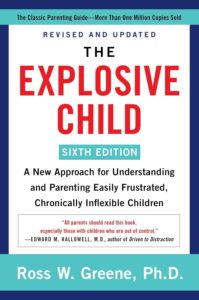
The Explosive Child
As an Amazon Associate, Decoded Kids earns from qualifying purchases. Price checked live on Amazon.
Greene’s book is the one I would put in your hands first, especially if the word people use about your child is explosive. It is not soft. It asks you to do the harder, slower work of solving the recurring flashpoints with your child rather than at them. But parents who stick with it tend to describe the same thing: the house gets quieter, because the fights that used to repeat every single day finally get solved.
When ‘too much’ is also about focus
Plenty of intense children are spirited, and stay that way in the happiest sense. But for some, the intensity travels with a shorter attention span, a hair-trigger impulse switch, and a memory that drops the second half of every instruction. When that is the pattern, the two ADHD books above earn their place. Taking Charge of ADHD is the authoritative, evidence-first one; Smart but Scattered is gentler and more hands-on, built around the specific executive skills your child has not grown into yet.
You do not need a diagnosis in hand to get something from either. Both are just as useful for the parent who suspects, who is on a waiting list, or who recognizes their kid on the page.
How to read them without drowning
Do not buy four books and try to read four books. That is the fastest route to a guilty pile on the nightstand and no change at all. Pick the one that matches the loudest problem right now, read a single chapter, and try one thing from it this week. These are working manuals, not novels; nobody finishes them cover to cover, and nobody is supposed to.
The other quiet truth is that the intensity wears you down too, and a depleted parent cannot be the steady one in the room. That is exactly what Mindful Parenting for ADHD is for, and why it made the list even though it barely mentions the child. Your regulation is the thing they borrow until they grow their own. Protecting it is not indulgence. It is the actual work.
Frequently asked questions
Most parents start with The Explosive Child by Dr. Ross Greene, because its core idea works for almost any intense child, diagnosis or not: your child does well when they can, and struggles when a skill is missing. If the intensity comes with focus and organization difficulties, pair it with Smart but Scattered or Taking Charge of ADHD.
Almost certainly not. Persistent intensity, big reactions, and a short fuse usually point to a nervous system that runs hot and hasn’t yet built the skills to regulate it. That is a developmental gap, not a character flaw. The books here are built entirely around that distinction.
No. The Explosive Child and the Whole-Brain Child approach apply to any intense or spirited child. Taking Charge of ADHD and Smart but Scattered are more useful if your child also struggles with focus, impulse control, and organization, whether or not there is a formal diagnosis yet.
Pick one, not four. Read a single chapter, try one thing from it that week, and ignore the rest until it sticks. These books are designed to be used in pieces, not finished like a novel. One workable strategy beats a whole shelf you never opened.
If home life feels manageable and your child is thriving, you may not need one at all. Reach for these when the intensity is regularly tipping into distress, for them or for you. A book is a tool for the hard stretches, not a verdict on your parenting.

I'm for the parent standing in the bookshop, overwhelmed. I read them all - the wise, the smug, the single good idea stretched to 240 pages - so your nightstand stack stays short. I'll point you to what's truly worth it, and kindly, what to put back.
More from MeiWhich book changed something at home - and which did you put back?
No right answers here - tell us how it went. Someone reading needs to hear it.
Join the conversation