
The Kid Who Doesn’t Want More Toys
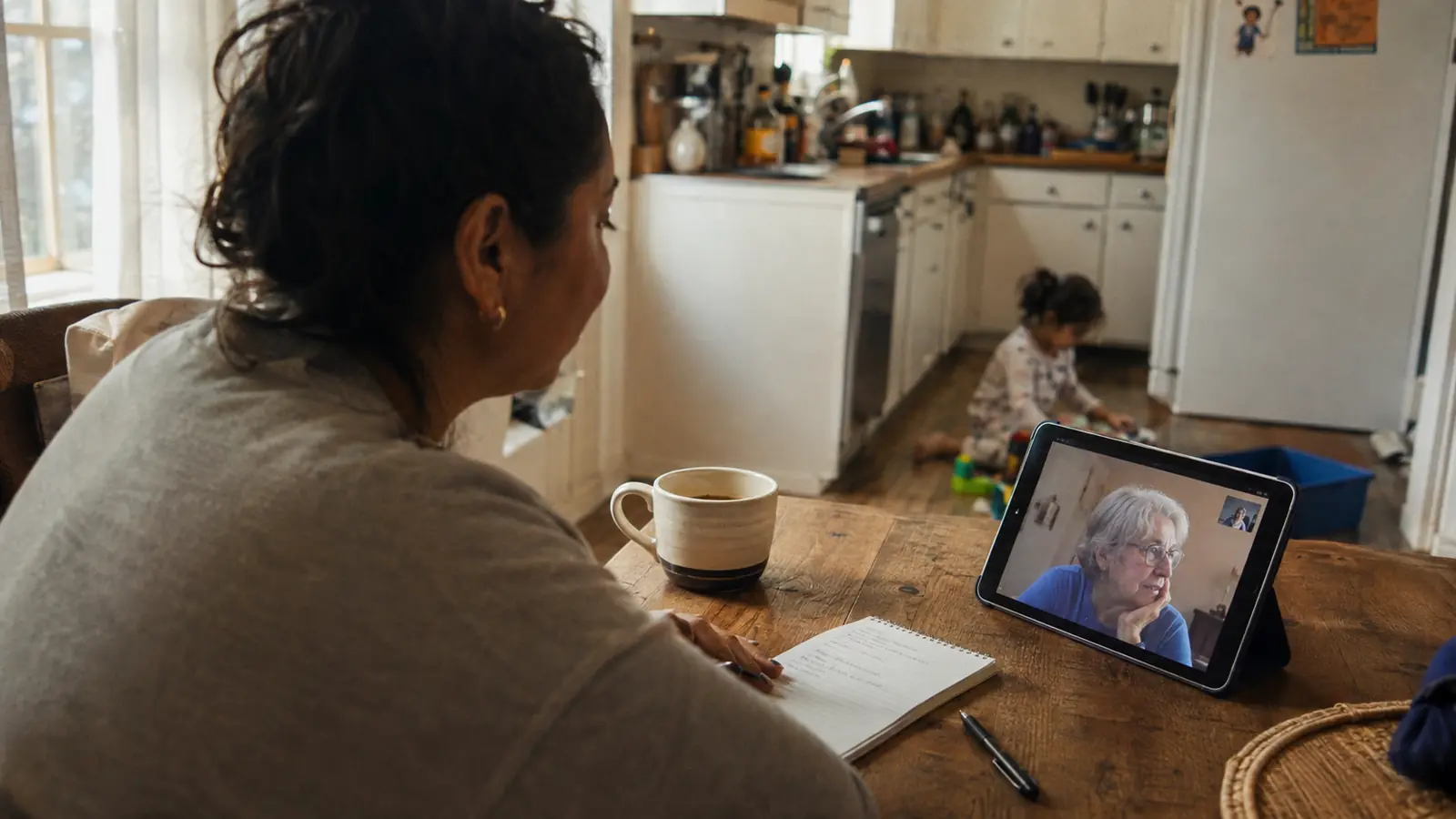
Somewhere around eight or nine, a lot of children stop being interested in the toy aisle. They still want Christmas. They just do not want another box of plastic that will sit on the floor until March.
The trouble is that everyone asking what to get them defaults to toys, because toys are what the stores sell for that age, and because nobody wants to hand over something boring. So the pile grows and the interest does not.
The obvious answer is experiences, and that answer is right for some children and quietly wrong for others. It depends almost entirely on age, and there is decent research on where the line sits.
Why experiences work later than people think
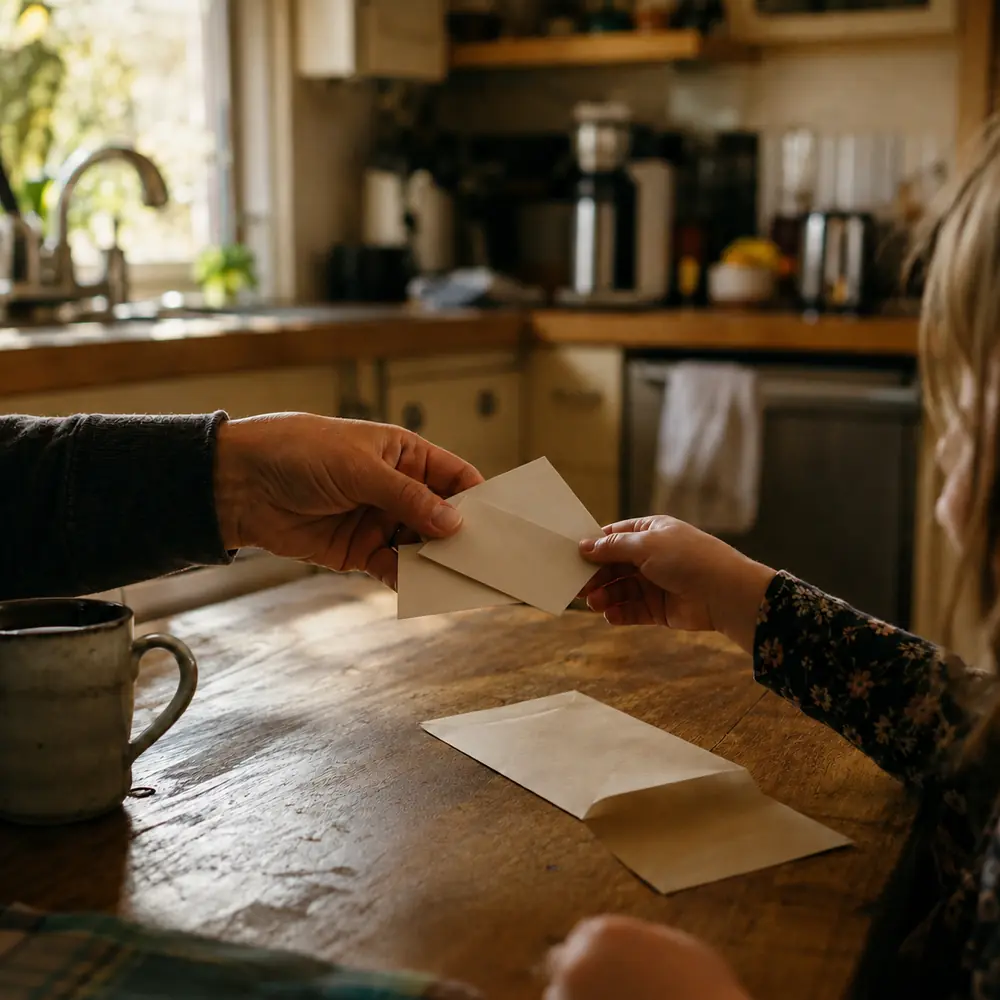
Lan Nguyen Chaplin, an associate professor of marketing at the University of Illinois Chicago, studied how much happiness children get from things compared with experiences, and published the results in the International Journal of Research in Marketing. The finding is more useful than the slogan.
Between roughly three and twelve, children get more happiness from material things. In later adolescence that flips, and experiences overtake possessions.
That is the opposite of the advice most parents are given, and it explains a specific disappointment. You book the trampoline park instead of buying the box, your seven year old enjoys the afternoon, and by the following week they are talking about what their cousin got. Nothing went wrong. They do not yet keep the day in the way you assumed they would.
The reason is memory. An experience pays out mostly afterwards, in the remembering, and younger children do not yet hold and replay events the way older ones do. A day out is genuinely lovely at six and largely gone by February. A box they can hold is still there.
So the honest version of this advice is split. For a teenager, tickets are the best thing you can give them. For an eight year old who is bored of toys, the answer is usually not an experience. It is an object that is not a toy.
The category most people forget
Between toys and experiences there is a large middle shelf that almost nobody shops from: real things. Not scaled down pretend versions, but the actual item, in a smaller size, that does the thing it claims to do.
- Kit for something they already do, upgraded. Better paints, a real sketchbook, proper headphones.
- Anything for their room rather than their toy box. Bedding, a lamp, something on the wall.
- Tools that work. A flashlight that is genuinely bright, a knife that cuts, a stopwatch that is not a toy.
- Consumables they can use up without asking. Tape, film, clay, ingredients.
- Membership or a subscription that arrives monthly, so the gift shows up again in March.
The common thread is respect. A child who has outgrown toys is usually signaling that they want to be treated as someone who does real things, and the gift that lands is the one that takes that seriously. This is where it differs from a screen free gift list or a run of nostalgic toys. Those are still toys, just better chosen ones. This is the shelf next door.
Three that get used
We keep these deliberately short. The point of this piece is that most of the answer is not something you buy.
Start with the book, because a child who is done with toys is often ready for something that treats their inner life seriously rather than cheerfully.
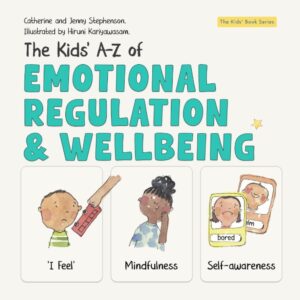
The Kids’ A-Z of Emotional Regulation and Wellbeing
As an Amazon Associate, Decoded Kids earns from qualifying purchases. Price checked live on Amazon.
For a younger child in this position, usually four to seven, the thing that lands is being let into the actual work of the house. A standing tower puts them at counter height so they can cook with you instead of playing at cooking nearby. If you are weighing the options there, we compared them in learning tower versus step stool.
And for the room rather than the toy box, weight on the bed is the least gimmicky thing on this list. It is not exciting to unwrap and it gets used every single night, which is the opposite trade to most Christmas presents. Check the weight guidance before you buy, which we set out in weighted blanket or weighted vest.
What to tell the relatives
This is the part that decides how the day goes, and it happens in November.
Give specifics, not a philosophy. No more toys please sounds like a criticism of what they bought last year and it will be ignored. A list of three real options with links will not be. Grandparents are usually delighted to be told exactly what to do, and there is a longer version of that conversation in gift ideas from grandparents.
Offer the joint option. Four relatives putting fifteen pounds each into one good thing beats four separate boxes, and most people prefer it once someone else has organized it.
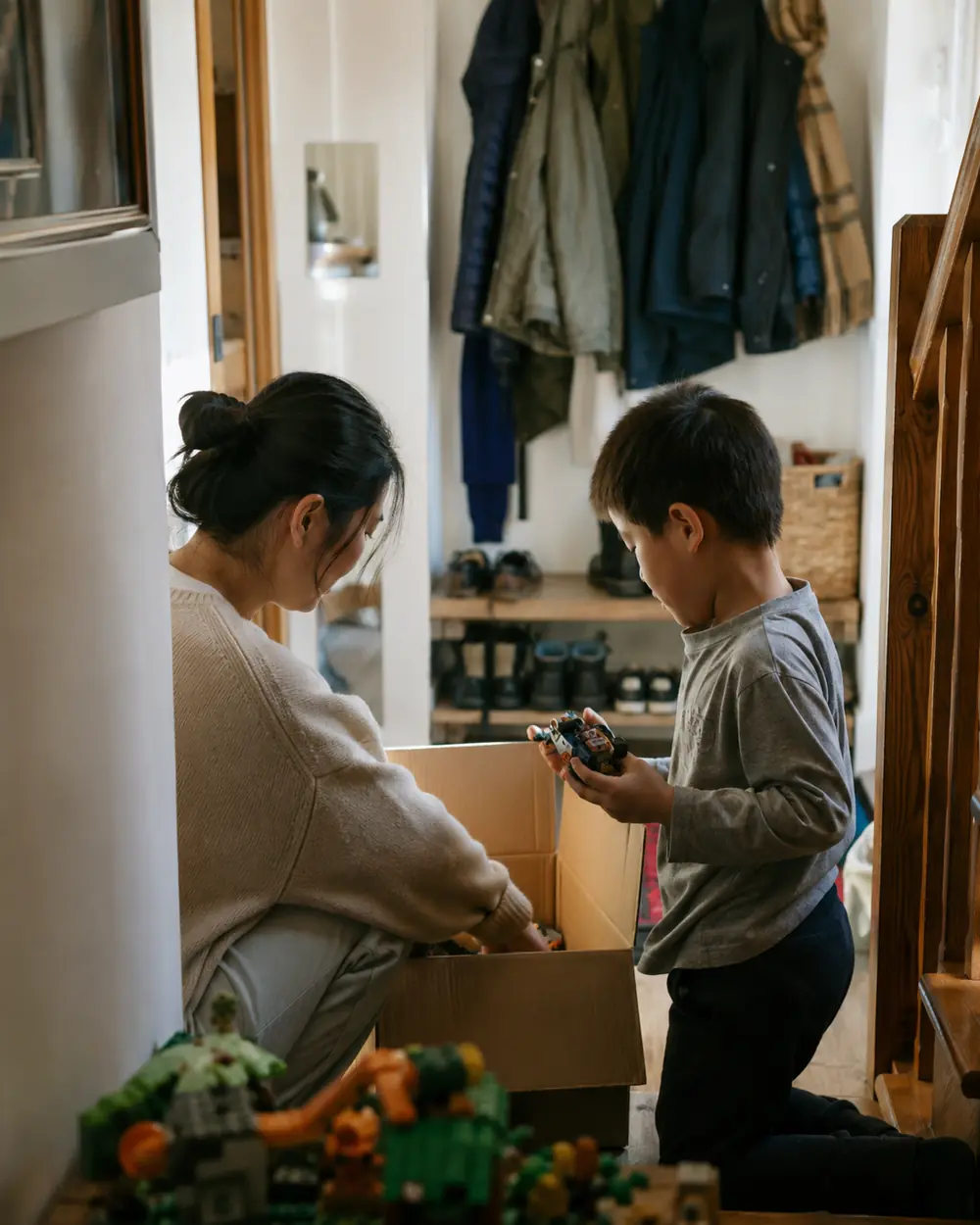
And do the clear out before the day rather than after. A child who helps choose what leaves is far more able to enjoy what arrives, and the room has space for it. Doing it on the twenty seventh, when everything is new and nothing has settled, is a fight you do not need.
The last thing is the easiest to miss. A child who says they do not want anything sometimes means it, and the gift that suits them is a day with nothing in it, spent with you. That is allowed to be the whole answer.
Leave the first comment
Share your thoughts
Frequently asked questions
Real things rather than scaled down versions. Upgraded kit for something they already do, items for their room instead of their toy box, tools that genuinely work, consumables they can use up freely, and subscriptions that arrive again later in the year.
It depends on age. Research published in the International Journal of Research in Marketing found children aged roughly three to twelve get more happiness from material things, while experiences overtake possessions in later adolescence. Tickets are a teenage gift more than a young child gift.
Do not state a rule, give a list. Three specific options with links, sent in November, works far better than asking for no more toys, which reads as a complaint about last year. Offering a joint gift they can all contribute to works even better.
Yes, and before rather than after. A child who helps decide what leaves keeps some control over it and can enjoy what arrives. Sorting on the twenty seventh, when everything is new and nothing has a place yet, tends to end in an argument.
What's the one thing that calmed the chaos in your house?
No right answers here - tell us how it went. Someone reading needs to hear it.
Join the conversation