
Why Do Some Kids Bully Others? What It Usually Means, and What Parents Can Do Tonight
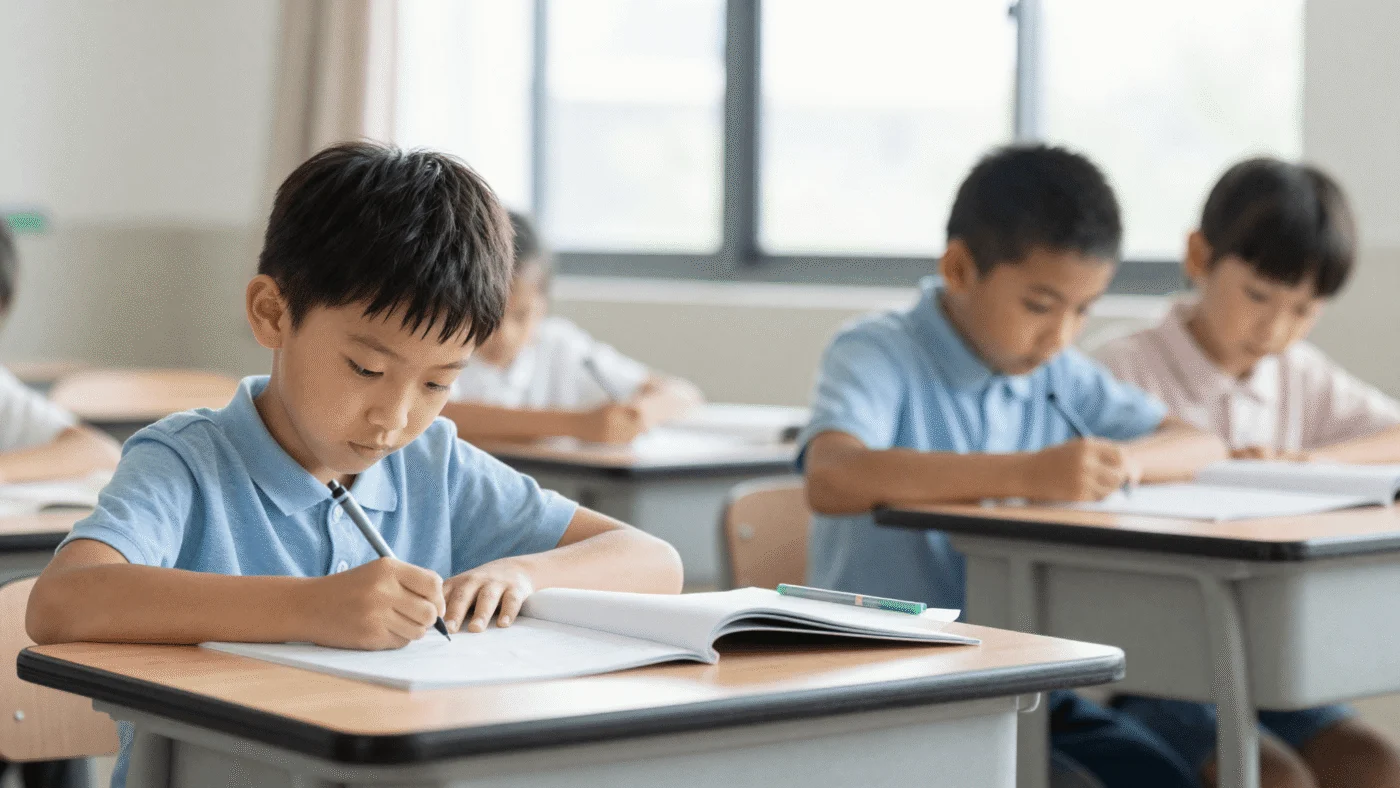
You got the message from school, and your stomach dropped.
Not because your child was hurt. Because someone is saying your child did the hurting. And now your brain is doing that awful parent math: what happened, what did I miss, and does this mean something terrible about them?
Some kids bully others because they are chasing power, attention, peer approval, revenge, or control they do not know how to ask for in a healthier way. Some are copying what they see. Some are struggling with impulse control, insecurity, or social skills. None of that excuses the behavior. It gives you a map for what to do next.
Why would a child choose power over kindness?
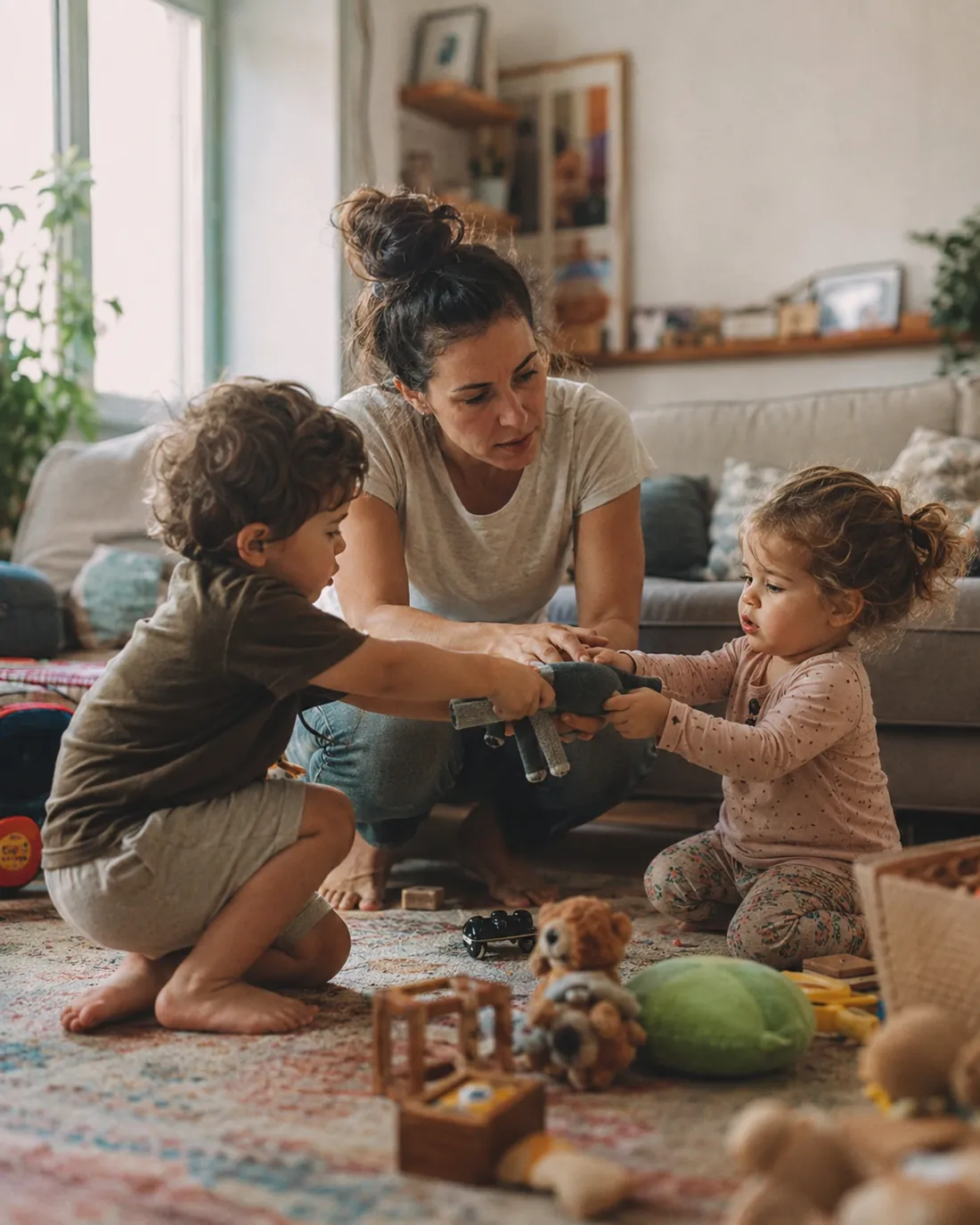
Bullying usually gives a child something, at least for a minute. Status. Laughs. Control. A way to feel bigger when they feel small. A way to stay inside a group that has decided one child is outside it.
StopBullying.gov lists peer status, fitting in, exclusion, control, family stress, emotion skills, and school climate as possible factors behind bullying behavior. That matters because it keeps you out of the two traps parents fall into fast: “my child is evil” and “my child would never.”
Neither one helps. The useful question is smaller: what is this behavior doing for them?
That does not soften the harm. It keeps the door open long enough for you to do the adult job: protect the other child, hold your child responsible, and teach the missing skill.
What are the most common reasons kids bully?
Sometimes the reason is social. A child wants to belong to a group, so they join the group behavior. They laugh, repeat the nickname, forward the photo, leave someone out, or pretend it was all a joke. Belonging can make smart kids do cowardly things.
Being on the receiving end of that feels very different. If your own child comes home saying nobody likes them, start with the feeling before you start solving.
Sometimes the reason is emotional. A child feels embarrassed, jealous, rejected, anxious, or powerless, then dumps that feeling onto someone easier to target. KidsHealth notes that some kids bully because they have trouble managing anger, frustration, or insecurity, or because they have not learned better ways to handle conflict.
Sometimes the reason is learned. If a child sees people at home, online, in games, in group chats, or at school getting status by humiliating others, they may copy the pattern before they understand the cost. Right. That one stings.
And sometimes the child who bullies has also been bullied. That does not make them innocent in the new situation. It does mean punishment alone may miss the bruise that is driving the behavior.
How serious is bullying, really?
Serious enough that you do not wait to see if it fades by itself. The CDC says about one in five high school students reported being bullied on school property in the past year, and more than one in six reported electronic bullying. This is not playground noise.
StopBullying.gov also reports that about 19.2% of students ages 12 to 18 experienced bullying during the 2021-2022 school year. For the child on the receiving end, that can mean stomachaches, school refusal, shame, anger, loneliness, and the slow belief that adults cannot keep them safe.
So yes, understand why. Also act.
What should you say first if your child bullied someone?
Start calmer than you feel. Your first sentence can be plain: “I heard there was a problem at school, and I need to understand what happened.” Then stop talking long enough to let them answer.
Avoid opening with “How could you?” That sentence usually gets you denial, panic, or a performance of shame. You are not trying to win a courtroom scene in the kitchen. You are trying to find the truth.
Once you have enough, be clear: “Bullying hurts people. It has to stop. I will help you fix this, but I will not pretend it is small.” That mix matters. Warmth without a boundary feels like permission. A boundary without warmth can send the behavior underground.
What helps a child stop bullying?
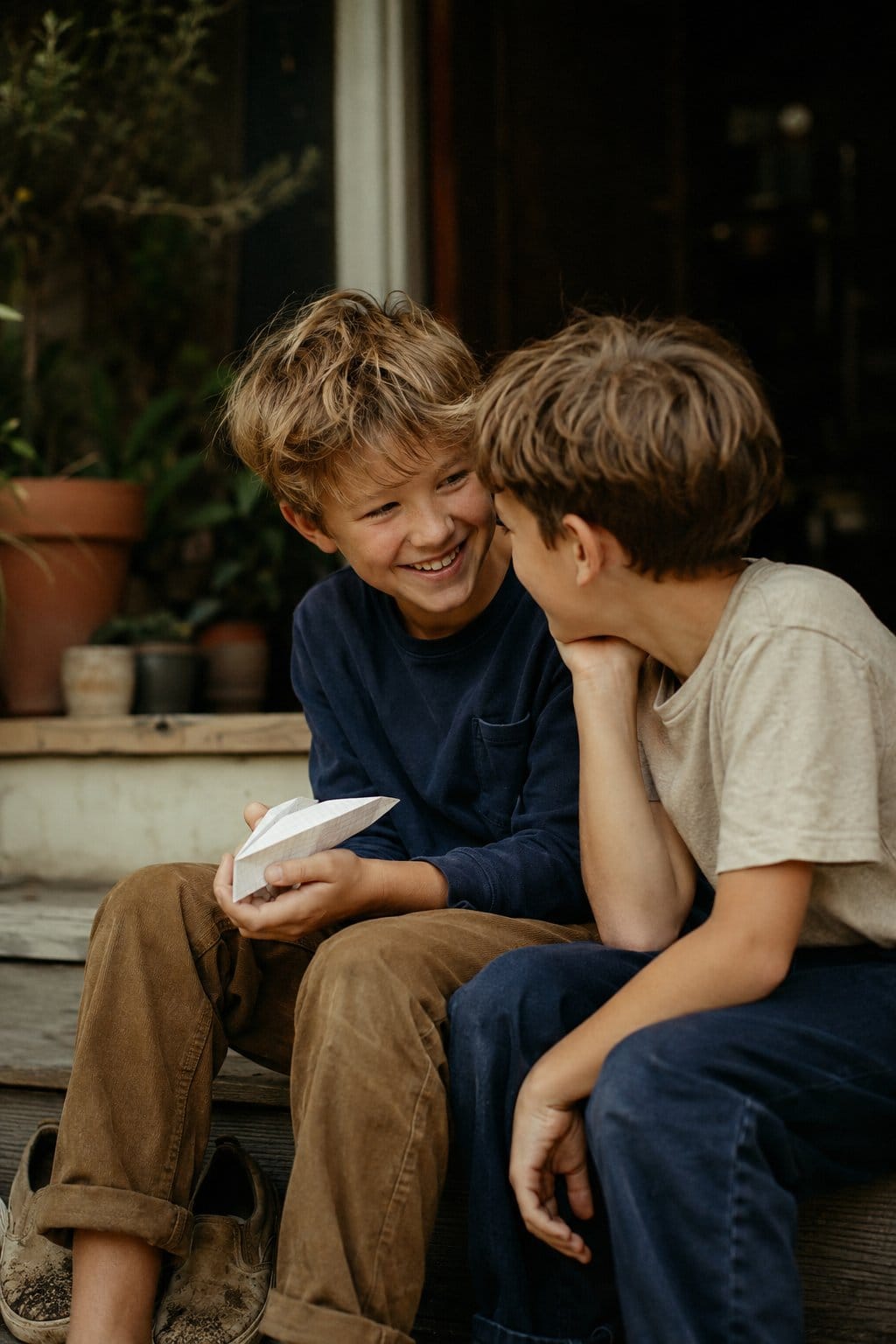
Work with the school early. Ask what happened, who was affected, where adults were, and what plan will prevent a repeat. You do not need every private detail about the other child. You do need a shared plan.
At home, look for the missing skill. Does your child need help with impulse control? Empathy? Losing? Jealousy? Online behavior? Handling embarrassment without attacking? The answer changes the repair.
If screens or group chats are part of it, tighten supervision for a while. Our guide to parental control apps is useful when the bullying has moved into messages, games, or social media. If the stress is showing up as avoidance, our piece on school refusal can help you spot when fear is part of the pattern.
Then give your child a better script. “I was trying to look funny, but I hurt you.” “I repeated something I should have stopped.” The exact words depend on the situation. The practice matters more than one perfect sentence.
When is this bigger than a parenting talk?
If the bullying is repeated, cruel, physical, sexual, racist, disability-based, threatening, or happening online after limits are set, get help fast. That means school leadership, a counselor, your pediatrician, or a child therapist.
Also pay attention if your child shows big anger, no remorse, secrecy with devices, or a pattern of blaming everyone else. Those are reasons to stop doing this alone.
If your child has ADHD, anxiety, trauma, or big emotional swings, the support plan may need to be more specific. A child can need help with regulation and still be responsible for repair. Both can be true in the same messy Tuesday.
Keep the door open, and keep the line firm
Your child needs to know you are not leaving. The other child needs the behavior to stop. Those two needs are not enemies.
So you stay close, and you stay clear. You do not make your child into a monster. You do not make the harmed child carry the lesson. You help your kid become someone who can feel powerful without making someone else pay for it.
Frequently asked questions
Some kids bully to gain power, attention, or status with peers. Others copy behavior they have seen, act from insecurity, struggle with emotion control, or have been bullied themselves. The reason matters because it guides the repair, but it does not excuse the harm.
No. Bullying is serious behavior, not a permanent identity. A child who bullies still needs clear limits, consequences, and repair. They may also need help with empathy, social skills, anger, peer pressure, or insecurity. Holding them responsible works better than shaming them as bad.
Yes, sometimes. Kids can copy aggression, humiliation, name-calling, exclusion, or controlling behavior they see at home, online, in games, or in peer groups. That does not mean every parent caused the bullying. It means adults should look honestly at the behavior a child is absorbing.
Stay calm, get facts from the school, and tell your child the behavior has to stop. Set a clear consequence and make a repair plan that protects the child who was hurt. Then look for the reason underneath: peer pressure, anger, insecurity, online behavior, or missing social skills.
Get help if the bullying is repeated, physical, threatening, discriminatory, sexual, online after limits, or your child shows no concern about the harm. Start with the school counselor, pediatrician, or a child therapist. Bigger patterns need more than one serious talk at the kitchen table.