
Chore Chart for Kids With ADHD: A No-Nag Setup That Gets Used
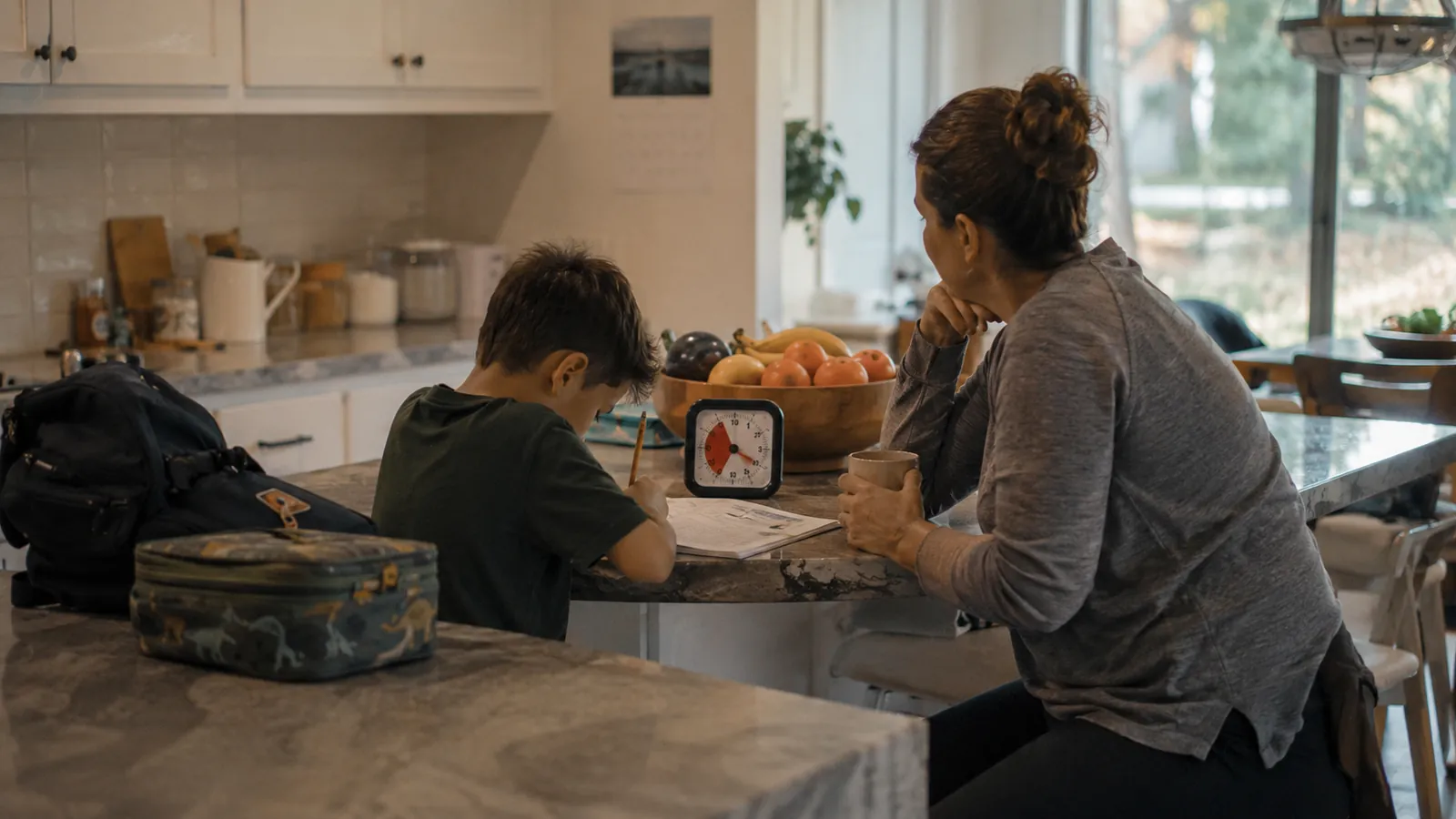
The chart is usually not the problem. It is the distance between the chart and the actual mess.
A chore chart for kids with ADHD works best when it is short, visible, and tied to one tiny first action. Think three jobs, one room, and a finish your child can see. The chart should lower how much talking you have to do, not become one more thing you have to chase.
Why do chores feel bigger for ADHD kids?

From the adult side, chores look small. Put shoes away. Clear the table. Bring laundry downstairs. Done.
For an ADHD brain, each one hides a stack of smaller jobs: notice the mess, stop the current thing, remember what finished looks like, begin, stay with it, and switch back after. That is executive function work, not a character flaw.
The CDC reports that 12.0% of U.S. children ages 3 to 17 had ever been diagnosed with ADHD in 2024. So if your home keeps getting stuck at the same backpack, shoes, dishes, repeat loop, you are in a very crowded kitchen.
That line is useful on the days you want to take the chart personally. If your child could smoothly remember and finish the chore after one reminder, this would already be over. The setup has to carry more of the remembering.
What should go on the first chart?
Use jobs your child can do without translating adult words. “Clean your room” is too big. “Put dirty clothes in the basket” is a real action.
Pick one part of the day first: morning, after school, dinner, or bedtime. Then choose three chores that take less than ten minutes total. Keep them the same for a week before changing anything. Boring is good here. Boring is how the system gets legs.
- Backpack on hook.
- Lunchbox on counter.
- Shoes in basket.
The American Academy of Pediatrics’ HealthyChildren.org says written lists of chores or daily tasks can be especially useful for children with ADHD. The point is not fancy. The point is that the reminder stays put when your voice is tired.
Where should the chore chart live?
A fridge chart can work for kitchen jobs. It is weaker for bedrooms, bathrooms, backpacks, and shoes. For many ADHD kids, “go check the chart” becomes its own forgotten task.
Put the bathroom chart on the mirror. Put the backpack checklist next to the hook. Put the laundry card on the closet door. You are designing for the path your child really walks, including the part where a sock on the floor becomes a side quest.
If mornings are the pressure point, pair this with an ADHD morning routine chart. If the crash happens after school, use a tiny chore reset before homework from our after-school routine guide.
Which kind of chart is worth buying?
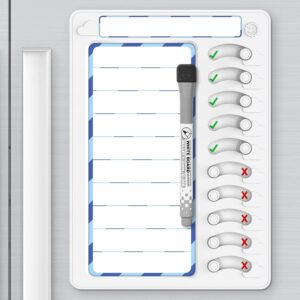
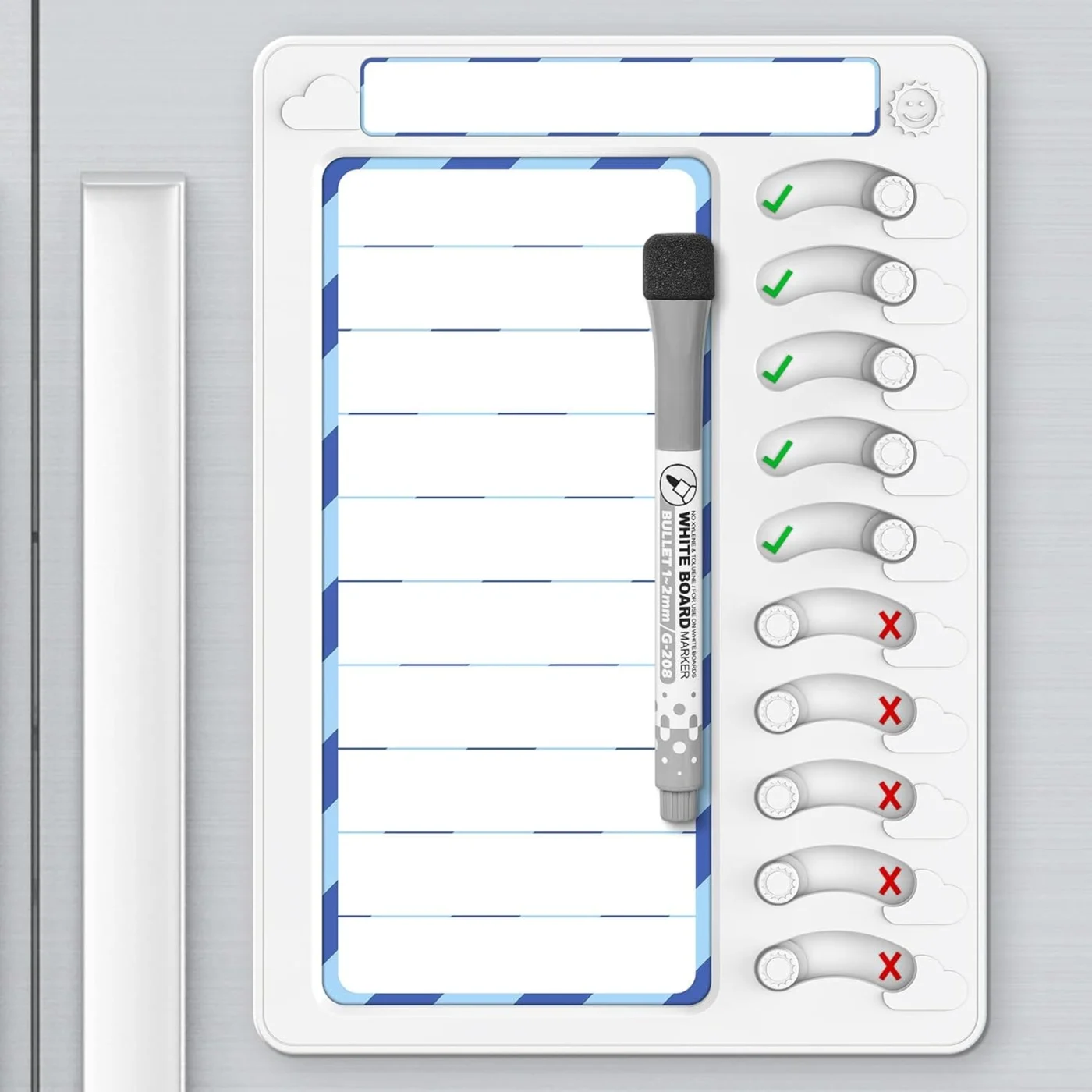
The best chart is the one your child can touch and understand fast. Magnets, sliding tabs, wipe-off boxes, and picture cards can all work. The mistake is buying a command center that looks beautiful to adults and exhausting to a seven-year-old.
For younger kids, a magnetic move-the-card board gives the hands something to do. For one-room routines, sliding tabs can make the finish line obvious. For older kids and blended schedules, a shared family calendar can help when everyone needs to see the same plan.
As an Amazon Associate, Decoded Kids earns from qualifying purchases. Price checked live on Amazon.Chore Chart for Kids
What if your child ignores the chart?
Check the setup before you call it defiance. Is the chart too far away? Are the words vague? Are there too many jobs? Did the ask land right after a hard transition?
CHADD has noted that youth with ADHD may be less engaged in household chores, which can mean fewer chances to practice executive function skills. That is the reason to keep the entry point small. You are building the muscle without turning the whole evening into a trial.
Try this: point to the first card and say, “Start here.” Stay nearby for the first minute. Praise the start, not the whole identity. “You got the backpack on the hook” teaches more than “Finally, you are being responsible.” Anyway, nobody likes being turned into a lesson while holding one shoe.
How do you keep it from becoming another fight?
Reset the chart daily. Do not carry yesterday’s unfinished boxes into today. ADHD kids often get buried under old evidence, and then the chart starts to feel like a scoreboard they already lost.
Keep one grown-up job attached to it: notice the first start. That is the tiny moment most charts miss. When your child glances at the card, reaches for the shoe, or moves the magnet, name that. The beginning is the behavior you are trying to grow.
If chores are mixed with homework battles, separate the two. A three-minute home reset can happen before schoolwork, then homework gets its own cue. One pile of demands is how everyone ends up loud.
Frequently asked questions
They can work when the chart is short, visible, and tied to one clear start. ADHD kids often struggle with remembering, task switching, and seeing the finish line. A good chart lowers talking and decision-making. A crowded chart usually becomes another thing to avoid.
Use specific actions your child can complete without guessing. “Put shoes in basket” is better than “clean entryway.” Start with daily jobs that happen in one place. Add pictures for younger kids or readers who shut down when the chart looks too text-heavy.
Start with three chores or fewer, especially if the routine is new. You can add more after the first jobs become familiar. The aim is repeatable success, not a complete home system. Short routines are easier to repair after a rough day.
Rewards can help if they are simple and tied to effort, such as choosing music during cleanup or earning screen time after a daily reset. Avoid complicated point systems at the beginning. The chart should first teach what to do next, then rewards can support consistency.
Move closer to the first step. Point, say “start here,” and stay nearby for one minute. If that still fails, shrink the chore or move the chart to the exact place the task happens. Ignoring often means the cue is weak or the job feels too big.