
There Was No One to Leave Them With, So They Came Too
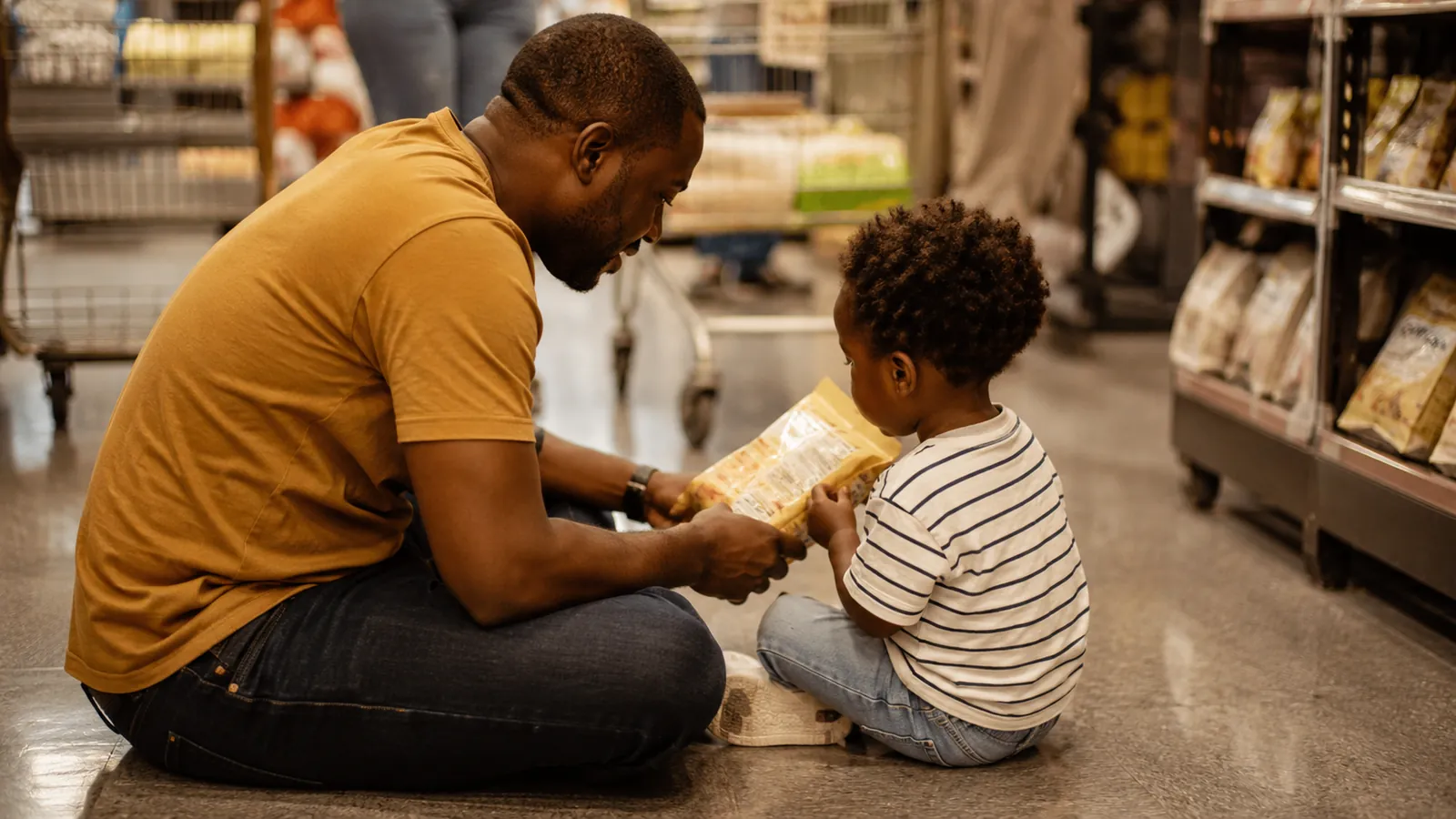
The cart already has diapers and a rotisserie chicken in it before you have bought a single present, and the store closes in ninety minutes. Somebody in this house has to buy the gifts this year. There is no one else free to watch the kids while you do it.
That is the real shape of Christmas shopping with kids when you are the only parent in the building. It is not about finding the right gift. It is about getting through a store with children attached to you. And walking out with a bag that has nothing inside with their name on it.
Some of this month’s errands can happen with them right next to the cart. One cannot.
The one trip that can’t happen with them in it
Every other errand this month, you can bring them along. Their own presents are the exception. A four-year-old standing beside you while you choose the exact toy from their own list has already spoiled the surprise before you reach the register.
This trip is usually the smallest one of the season if you let it be. It only takes forty-five minutes without a small person narrating what you are buying, instead of three hours at the mall. Trade a morning with another parent on the block, or go during the hour they are at school or a nap you actually trust. If neither exists, order it online after bedtime. A kid-free trip can happen from your kitchen table at nine at night.
If this is your first December alone, that ache shows up in strange places, sometimes a checkout line. The first Christmas after the split covers more of what nobody warns you about.
Christmas shopping for kids on a budget gets easier once you split the list this way. The secret list stays yours alone, and most of what a kid loves about the day is the surprise itself. Our guide to picking a number and sticking to it walks through how to set that one. If the whole month is stretched thin on one paycheck, a budget built for one income covers the bigger picture.
How do you keep a toddler going in a store?
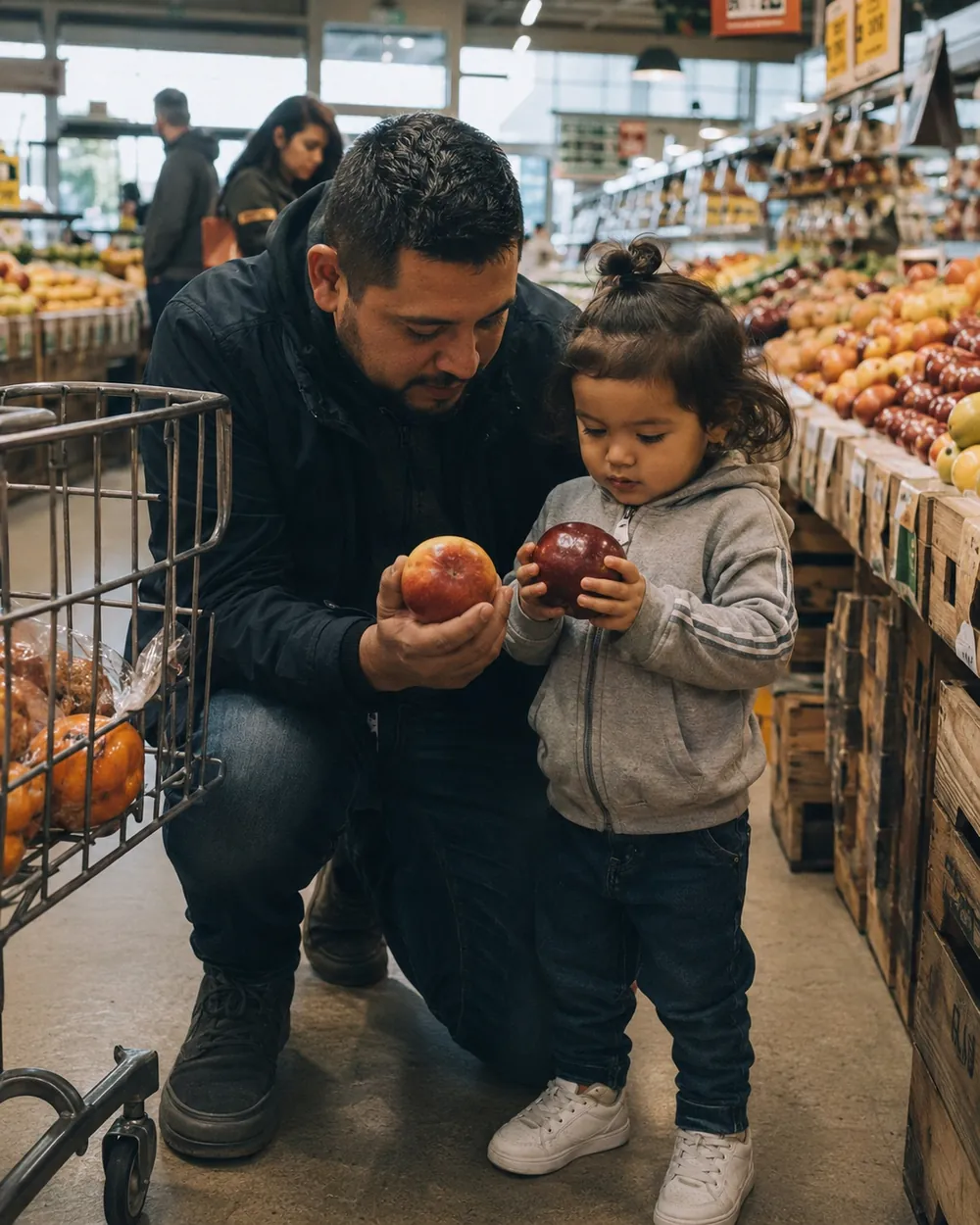
A toddler in a store is running on a clock you do not control, and it is a short one. Shopping past its end is how a fun outing turns into a floor tantrum by the yogurt case.
Go right after a nap and a snack, never right before one. Give the trip an actual end time in your head, twenty to thirty minutes for most two- and three-year-olds. Hold to it even if the list is not done.
Give them one job for the whole outing, holding the list, picking which apples look best, or pushing a toy cart next to yours. A job keeps their hands busy instead of pulling things off shelves, and turns them into your helper instead of your problem.
If they ride in the cart, use the seat belt every time and keep them in the seat, never standing or riding in the basket. If the cart seat is a fight some days, a small toy that only comes out in the store buys real minutes.
Can your ten-year-old buy for their sister?

Older kids can absolutely buy a sibling’s gift alone, and most of them want to. Handing that over mostly comes down to giving them a number they cannot go over.
Set a cash budget before you leave the house rather than handing over a card with a limit to explain later at the register. Ten or fifteen dollars in an envelope makes the math visible in a way an app never does. When the money runs out, the shopping is over.
A sibling gift is one more item on a pile some families are already trying to shrink. Counting the pile before you fill it helps decide where this one fits. The same cash-envelope trick works for a class Secret Santa exchange, where a ten-dollar limit does most of the budgeting for you.
Let them pick something a little wrong by your standards. A ten-year-old who buys his little brother a whoopee cushion with his own cash has learned something. He has practiced budgeting, waiting in a checkout line, and thinking about somebody else’s taste. That beats a perfect gift you would have picked yourself.
What happens to the boxes on the porch?
Online orders solve the toddler problem and create a new one. A package sitting on the porch all afternoon is visible to your six-year-old before it is visible to you. Cardboard is never subtle about what shape is inside.
Time deliveries for a day you are home, or ask a neighbor to grab boxes off the porch before school pickup. Slide packages straight into the trunk of the car or a closet with a lock, somewhere a determined eight-year-old will not stumble across them.
Order confirmations and shipping texts are the other leak, since a kid old enough to check a shared tablet can see exactly what got ordered. Keep tracking notifications on your own phone this month.
The quiet signal that says go now
Every kid has a tell before the real meltdown starts, and it is quieter than people expect. Watch for it instead of waiting for the loud version everyone in the store notices.
A toddler who stops touching things and goes still is the quiet version of the warning. So is a kid who suddenly needs to be picked up. A preteen’s version looks different: short and irritable instead of chatty. Either way, it shows up two or three minutes before the moment that gets stares, and that is the signal to head for checkout.
Leaving with half a cart beats finishing the trip and paying for it in the parking lot or at bedtime. A calm exit tonight is worth more than the last item on today’s list.
Protect one trip this week
Pick the one trip that has to happen without them: the presents with their name on it. Get it on the calendar before anything else this week. Everything else on the list can survive a small audience standing next to the cart.
Eighty-three percent of parents with kids under 18 say they feel at least one negative emotion while holiday shopping, according to a 2025 YouGov survey for Mixbook. Most of that pressure comes from treating every trip like the big one, and it usually is not. The traditions kids remember later often are not about the shopping at all. A list of the ones that cost nothing might be worth more of this week’s energy than a perfect find under the tree.
And if the reaction on the day is a flat “is that all”, that usually says more about a tired kid than a disappointing present.
Leave the first comment
Share your thoughts
Frequently asked questions
Split the list. Buy their own presents alone, timed around a nap, school, or a swap with another parent. Handle the rest together: give a toddler one job and a short window, hand an older kid a cash budget for a sibling’s gift, and watch for packages before curious hands find them first.
Go right after a nap and a snack, not before one. Set a real time limit, around twenty to thirty minutes, and give them one job, like holding the list or picking produce. A buckled cart seat and a small store-only toy both buy extra calm minutes.
No. That is the one trip worth keeping kid-free. Time it around a nap, a school day, or a friend willing to trade an hour, and if none of those exist, order it online after bedtime instead of skipping it.
Ten to fifteen dollars in cash usually works, handed over before you leave the house rather than a card with a limit explained later. A visible envelope makes the budget real, and letting them pick something imperfect teaches more than stepping in to fix the choice.
Time deliveries for days you are home, or ask a neighbor to grab boxes before school pickup. Skip the hiding spots you used in past years, since a kid who found one there before will check it first, and keep order and tracking notifications on your own phone only.

I'm for the parent doing it largely alone. I've done the single-dad decade - two homes, one income, the handovers, the very quiet Tuesdays - and I write from the far side of most of those days, with humor and hard-won calm. Not advice from above; a hand back from a few steps up the road.
More from DiegoWhat's getting you through right now? Be honest - we're all figuring it out.
No right answers here - tell us how it went. Someone reading needs to hear it.
Join the conversation