
She Wants the Matching Set and He Has Decided He Is a Traffic Cone
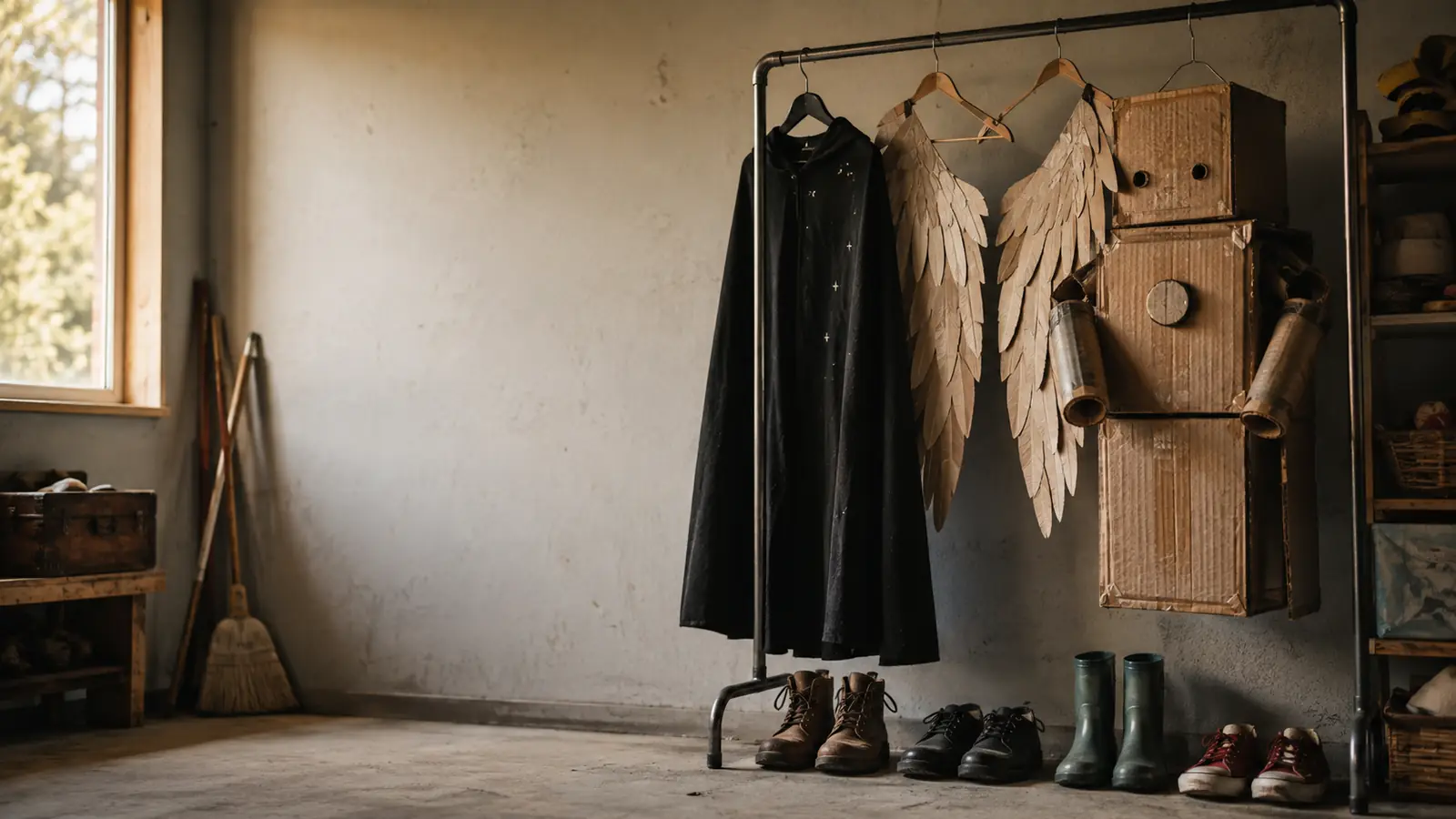
You have had the three matching costumes saved on your phone since August. You show them at dinner. The four year old is thrilled. The six year old wants to know which one is the good one.
The nine year old looks at the screen for about a second and says he is going as a traffic cone.
That one change, oldest picks first, quietly solves most of this. It is not a reward for being older. It is that they are the only one whose no actually ends the plan.
Be honest about who the matching set is for
It is for the photo. It is for the group shot on the porch, the one that goes to the grandparents, the one you will still have when they are twenty two and will not stand next to each other for anything.
There is nothing wrong with that. It is a completely reasonable thing to want. But it helps to say it out loud to yourself, because once you know what you are protecting, you can protect the actual thing rather than the specific idea you had in August.
You want a picture where they look like they belong together. There are about five ways to get that, and only one of them requires everybody to agree on three characters from the same movie.
The ladder, from matched to barely themed
The top rung is the full matched set: three characters from one story, bought or made together. Wonderful with children under about seven, and it produces the photos people frame.
Next is the same world, different characters. Same story, but each child picks who they want to be inside it, including the villain, including the minor one nobody remembers. Most of the negotiating disappears at this rung.
Below that is one shared element and nothing else. Everyone wears something orange. Everyone is something that flies. Everyone is from the eighties. The nine year old can be a traffic cone and still be in the theme, which is the point.
The bottom rung is no theme, three costumes, one photo. If that is where your household is this year, take the picture anyway. Nobody looking at it in twenty years will notice there was no theme.
Kramer has spent decades studying what makes siblings get on, and her answer is not big talks. It is the small negotiations, over and over. A costume argument in early October is one of those, and how it goes matters slightly more than what anyone ends up wearing. The same machinery is underneath most of the fighting the rest of the year.
Combinations that hold up in practice
Two siblings is the easiest. Any pair that belongs together works: sun and moon, salt and pepper, a bee and a flower, a knight and a dragon, two halves of one sandwich. Pairs feel deliberate without anybody being the sidekick, which is the trap with a hero and a helper.
Three is where it gets harder, because two of them will end up as a pair and one will feel spare. Fix it by picking a set with three equal parts rather than a lead and two extras. Three colors. Three weather types. Three cards from the same deck. Three of the same animal in different colors is the lowest effort version and it photographs beautifully.
Four or more, drop to a shared element and let them all go their own way inside it. The group reads at a glance from the color alone, and you have stopped running a casting process.
A big age gap needs the older one to have a job rather than a costume. Baby as the small thing, toddler as the medium thing, twelve year old as the one who made the whole set and is therefore in charge of it. Twelve year olds will do almost anything if the framing is that they built it.
Building them so the night works
Whatever you agree on, test it in the house for twenty minutes before the night. Sit down in it. Go up the stairs in it. Put the coat on over it and see whether the whole costume vanishes, which is the single most common cause of tears at six in the evening.
Layers underneath rather than a coat on top solves most of it. Long sleeves and leggings in the same color as the costume disappear into it, and a hood you can take off beats a mask you cannot see out of. Shoes they have already worn, always.
If one child in the set finds the fabric itself the problem, that is its own thing and it is worth solving properly rather than pushing through. The costume fight that is about how it feels covers what to change, and none of the fixes break a group theme.
And if the evening is a lot before it even starts, a trunk or treat in a lit parking lot is a shorter, warmer version of the same night, with somewhere to sit down. Staying in entirely also counts, and the costumes still get worn.
Take the photo early
Take the group shot before you leave the house, in daylight, before anybody has been cold or lost a piece of their costume. Six in the evening on the porch, not nine at night in a kitchen.
Then let it go. The traffic cone will be in that picture, standing next to two very committed woodland animals, and in fifteen years it will be the best thing about it.
Leave the first comment
Share your thoughts
Frequently asked questions
Pairs that belong together, so neither child is the sidekick. Sun and moon, salt and pepper, a bee and a flower, a knight and a dragon, two halves of one sandwich. Pairs read as deliberate in a photo without anybody being cast as the helper, which is the trap with a hero and an assistant.
Pick a set with three equal parts rather than a lead and two extras. Three colors, three weather types, three cards from the same deck, or three of the same animal in different colors. If they still disagree, drop to one shared element, such as everyone wearing orange, and let them choose freely inside it.
Around eight for most children. After that, switch from a matched set to a loose theme: one shared color, one shared world, or one shared decade. Let the oldest choose first and build the younger ones around it, since the oldest is the only one whose no ends the plan.
Let them out of it and keep them in the photo. A costume nobody wanted is worse than a group shot with one child doing their own thing. If you want the shot to still read as a set, ask for one small shared detail, like the same color hat or the same face paint, and leave the rest alone.
Test each one in the house for twenty minutes first. Sit down in it, go up the stairs in it, and put the coat on over it to see whether the costume disappears. Use layers underneath in the same color instead of a coat on top, pick a hood over a mask, and use shoes they have already worn in.

I'm for the parent standing in the bookshop, overwhelmed. I read them all - the wise, the smug, the single good idea stretched to 240 pages - so your nightstand stack stays short. I'll point you to what's truly worth it, and kindly, what to put back.
More from MeiWhat's the one thing that calmed the chaos in your house?
No right answers here - tell us how it went. Someone reading needs to hear it.
Join the conversation