
One Gift, Ten Dollars, for a Child You Have Never Met
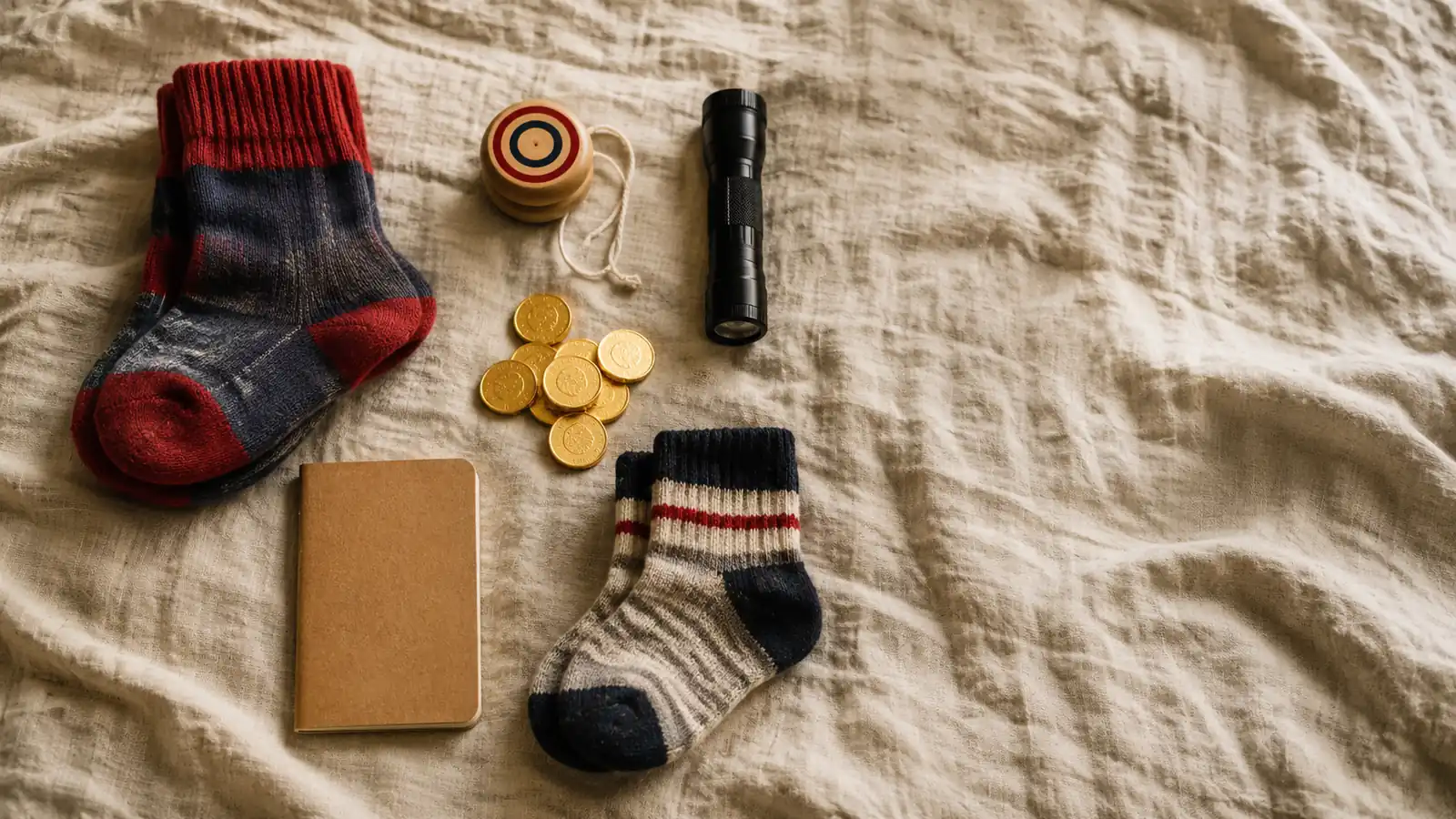
The note comes home in the book bag in the last week of November. Secret Santa. Ten dollar limit. You have drawn Kayden.
You do not know Kayden. Your child does not really know Kayden either, beyond the fact that he sits at the yellow table and once brought in a snake skin.
What follows is the version that survives to January.
Ask. It is not cheating.

Francesca Gino and Francis Flynn ran five studies on this, published as Give them what they want: the benefits of explicitness in gift exchange. The pattern held across all of them: recipients are more appreciative of gifts they explicitly asked for than of gifts they did not. Givers, meanwhile, assume both will land equally well.
That gap is the whole problem with Secret Santa. You are trying to be thoughtful about a child you have met twice, which means you are guessing, and guessing is the method with the worst hit rate available.
So send the message. “Hi, we’ve got Kayden for Secret Santa, ten dollar limit, is there anything he’d actually like or anything to avoid?” Nobody has ever been annoyed to receive that message. Half the time you find out about an allergy you would not have known about.
What actually gets used
The test is simple and it is not about the gift being impressive. Is it still in the house in February?
- A water bottle. Boring, correct. Every child in that class loses or breaks one during the year, and a decent one at ten dollars is genuinely useful.
- A card game. Not a board game, which needs a table and a grown-up. A pack of cards in a box that goes in a bag.
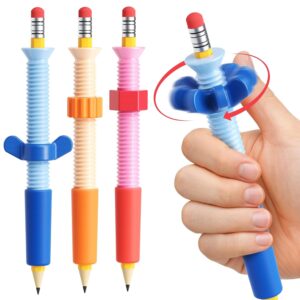
- A proper pen or pencil set. Especially for anything from seven upwards. Children notice the difference between school pencils and good ones.
- A torch. Unaccountably popular with every child between four and ten. Nobody knows why. It works.
- Chocolate coins or a small selection box. Only if you have checked on allergies. Safe, expected, eaten.
- A small notebook. Cheap, gets used, and a child who is a writer will be quietly delighted.
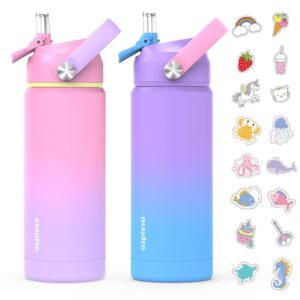
Kids Water Bottle for SchoolGirls 18 oz Insulated Stainless Steel
As an Amazon Associate, Decoded Kids earns from qualifying purchases. Price checked live on Amazon.
For a child who fidgets, or who has a teacher fighting a losing battle with pencil chewing, the small desk-level things are a better bet than a toy. They go to school, they stay in the pencil case, and they do a job all year rather than for one afternoon.
What to avoid
Novelty items are the other big loss. The thing that is funny for one afternoon is in a bin by the weekend, and the child knows it while they are opening it. Ten dollars of useful beats ten dollars of amusing every time.

If you are the one organising it
Two rules that prevent almost all of the trouble.
First, uniform wrapping. Buy one roll and hand out a sheet each, or ask that everything comes in a plain gift bag. Children compare parcel sizes before anything is opened, and a class where three gifts are enormous and twenty seven are not is a class with a bad afternoon coming.
Second, a hard cap that is genuinely low, and say clearly in the message that going under it is completely fine. The dynamic that pushes these numbers up is the same one that inflates teacher gifts, and there is always at least one family in the group for whom ten dollars in the third week of December is a real decision.
Rehearse the receiving
The part parents forget. Your child is also going to open something, in front of everyone, and might not like it.
Practise the line out loud, twice, in the week before. “Thank you, I like it.” That is all. A six year old can deliver a sentence they have already said. What no six year old can do is manufacture gratitude on the spot with the giver watching their face.
If it does go wrong, deal with it in the car and not in the classroom. And do not make a speech about ingratitude, which lands as shame and teaches nothing. The reason the face happens at all is worth understanding rather than punishing, and we went through it properly in they opened it and said is that all.
For the child who finds the whole event overwhelming rather than exciting, thirty children opening parcels at once in a hot classroom is a genuinely hard twenty minutes, and the sensory version of December covers what helps.
We got Kayden a torch. His mother messaged back to say he had taken it to bed and read under the covers with it, which is exactly what I would have done, and is worth considerably more than ten dollars.
Leave the first comment
Share your thoughts
Secret santa gifts for kids, answered
Something with a use and no batteries: a water bottle, a decent pen or pencil set, a card game, a torch, a small notebook, chocolate coins. The test is whether it survives the first week of January. Novelty items almost never do.
Anything loud, anything food-based unless you know the allergies, anything that needs a parent to set it up, and anything gendered enough to embarrass a child in front of the class. Slime is banned in more classrooms than people realise, so check before you buy it.
Ask. Message the parent, or ask the teacher whether there is a list. Research on gift giving is unusually clear that people appreciate the thing they asked for more than the thoughtful surprise, even though givers assume the opposite. A one-line message is not cheating, it is the method with the best hit rate.
Yes, and preferably all in the same paper if you are organising it. Uniform wrapping stops children comparing the size of parcels before anything is opened, which is where a class Secret Santa most often goes wrong.
Rehearse the moment before the day rather than after it. Agree the sentence in advance, out loud, twice: "thank you, I like it." A six year old can deliver a line they have practised. What they cannot do is invent gratitude on the spot in front of the person who gave it.

I'm for the parent about to spend money they're not sure about. I buy the gadget, live with it, and give you the honest verdict - including the 'don't'. I've burned through enough hype to save you the cash, and when something truly earns its place, I'll show you exactly why.
More from TylerWhich tool actually earned its place - and which was a waste of money?
No right answers here - tell us how it actually went. Someone reading needs to hear it.
Join the conversation