
Baby Won’t Sleep? 9 Soothing Tricks That Work
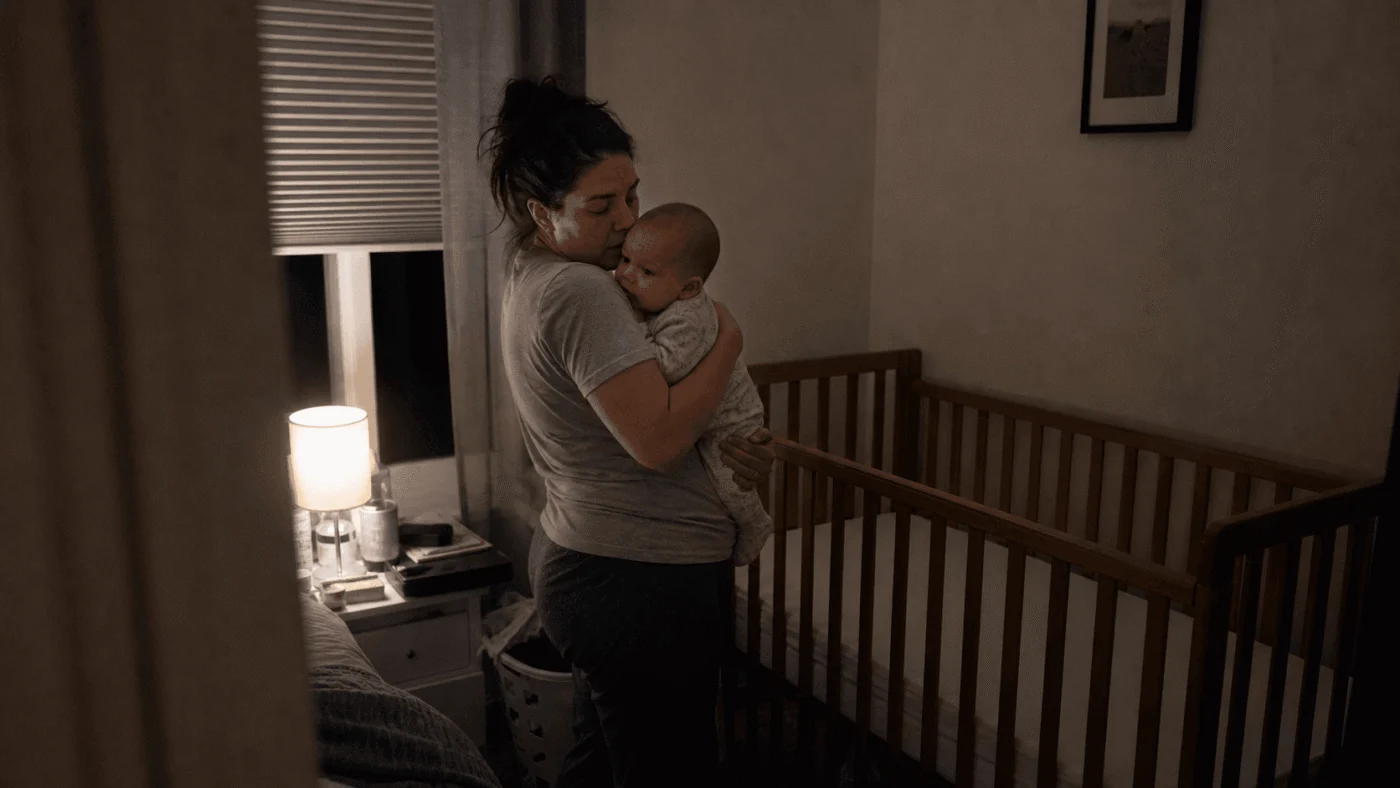
3 a.m. again. You are standing beside the crib with your phone light off, listening to one tiny person breathe like they personally invented suspense. Months of lifting at that hour leave marks, and wrist and back pain in new parents is the part nobody warns you about.
You have tried the bouncing, the shushing, the slow crib transfer, the little pause by the door where you pretend your knees do not click. Then the eyes open again. Rude, honestly.
You are not doing it wrong. Most babies who struggle with sleep need safer conditions, steadier cues, and a lot of practice before nights start feeling less feral.
The goal is not a magical baby. It is a room and routine boring enough for sleep to keep finding its way back.
Baby sleep gets much easier to troubleshoot when the crib is boring first. The American Academy of Pediatrics safe sleep guidance says babies should sleep on their backs, on a firm flat surface, with only a fitted sheet in the crib.
No pillows, bumpers, blankets, stuffed animals, wedges, loungers, or weighted sleep gear. A snug swaddle can help very young infants with the startle reflex, but stop as soon as your baby shows signs of rolling. Move to a non-weighted sleep sack that fits around the neck and arms.
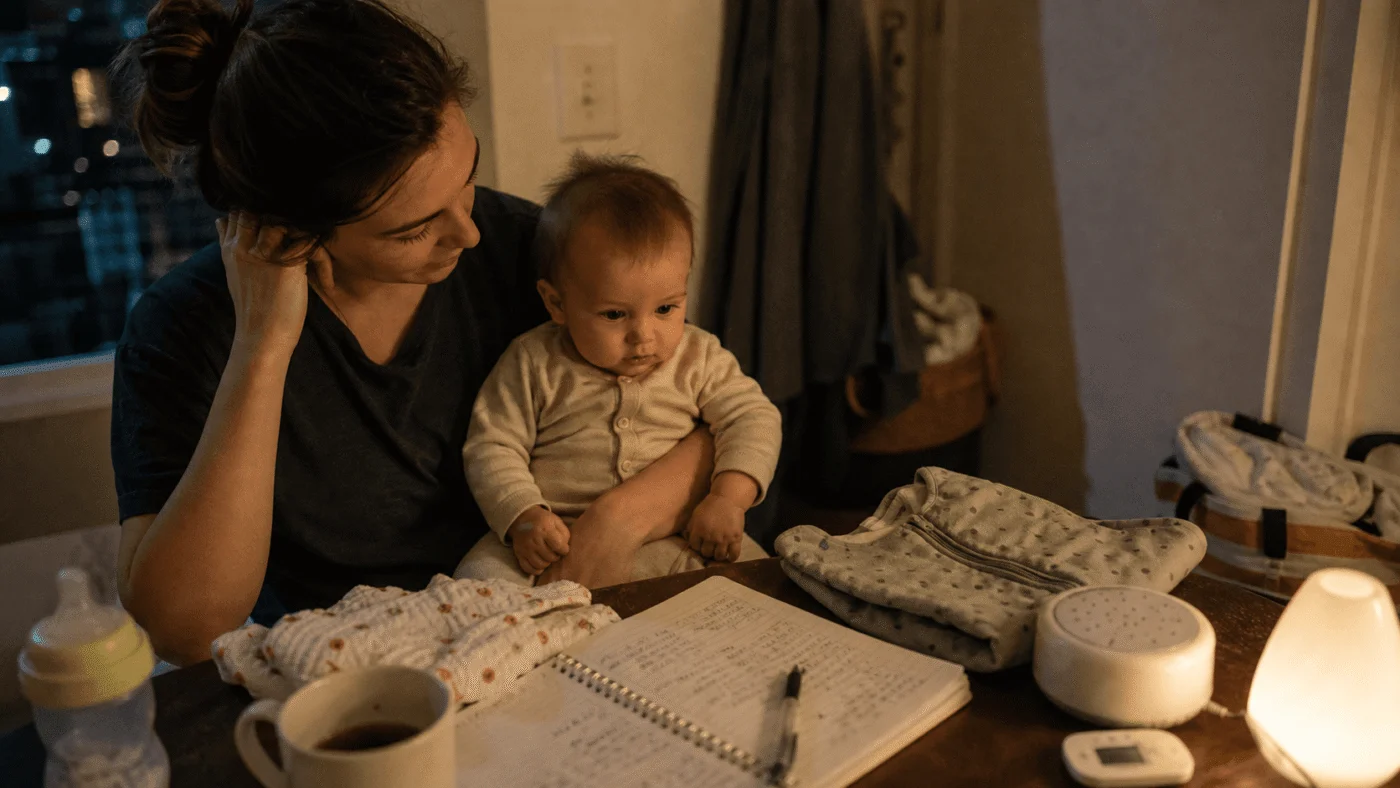
Babies do not need a luxury cave. They need the same low-light cue every nap and night, plus a room that does not keep changing on them.
White noise can smooth out house sounds, especially if a sibling, hallway, or barking neighbor keeps breaking the room. Keep it away from the crib and use the lowest volume that works. A fan-style machine like Yogasleep Dohm Classic is useful because it gives one steady sound instead of a jumpy loop.
Temperature matters too. The Lullaby Trust recommends 16-20°C as a baby-room guide. Check the chest or back of the neck, because tiny hands lie all the time.
A bedtime routine does not have to be beautiful. Bath, feed, book, bed. If you want a method rather than a list, our pick of the best sleep training books compares the gentler and firmer approaches side by side. Or diaper, song, cuddle, bed. Keep it short enough that you can do it when you are running on toast crumbs and spite.
Try drowsy, not fully asleep, when you can. If baby always falls asleep in your arms and wakes in the crib, the crib feels like a surprise relocation. Watch wake windows too: rubbing eyes, staring away, going quiet, jerky little movements. Those are earlier clues than the full meltdown.
A good sleep tool should make the safe choice easier, not make the crib busier. If guessing the temperature makes you spiral, a color-changing room monitor like KELVIN by LittleHippo can help you see from the doorway whether the room is running warm or cool.
A routine machine like Hatch Rest 2nd Gen can also earn its place if you use it for repeatable cues: dim light, same sound, same bedtime rhythm. Just keep the sound modest and the device away from the crib.
A good sleep tool should make the safe choice easier, not make the crib busier.
Most mistakes come from exhaustion, not carelessness. Waiting for total exhaustion, changing everything every night, turning on bright lights for every wake, and rushing in at every sound can all make nights harder.
A grumble can be a sleep-cycle noise. Pause for a minute when it is safe to do so. Rocking is fine, but rocking as the only route to sleep can get heavy fast, especially around six months.
Call your pediatrician if your baby has breathing trouble, poor feeding, fever, weak responsiveness, unusual crying, poor weight gain, or if your gut says this is more than a rough sleep week. Tonight, choose one thing. Darker room. Safer crib. Earlier bedtime. Lower sound.
The sleep tools worth a spot on the nightstand
Honest picks with real Amazon ratings.
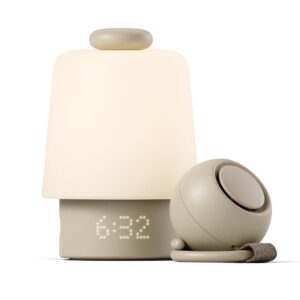
Sound, a warm light and a wake clock in one. The closest thing to a do-everything sleep tool. As an Amazon Associate, Decoded Kids earns from qualifying purchases. Price checked live on Amazon.Hatch Baby Sleep Bundle
A simple no-app white-noise machine, easy to pack for trips.
A soft pink-noise sheep with a heartbeat and glow for babies and light sleepers.
A wearable blanket for safe warmth with no loose fabric in the crib.
Frequently asked questions
The biggest helpers are a safe sleep space, a predictable bedtime routine, age-appropriate wake windows, low light, and a calm response when your baby stirs. No tip works every night, but repetition gives your baby a clearer pattern.
The Lullaby Trust recommends 16-20°C as a comfortable guide for baby sleep. Check your baby's chest or the back of their neck, not their hands or feet, because hands and feet often feel cooler.
White noise can help some babies settle, but keep the machine away from the crib and use the lowest effective volume. It should be a soft, steady background cue, not a loud blast beside your baby.
Stop swaddling as soon as your baby shows signs of trying to roll. A non-weighted sleep sack is usually the safer next step because it keeps warmth on the body without loose bedding.
Leave the first comment
Share your thoughts

I'm for the parent mid-meltdown - theirs or the kid's. I write from the actual floor of it: the crying that won't stop, the dinner thrown, the bedtime that unravels. Blunt because I respect you too much to pretend it's easy. Just what tends to work.
More from NourWhat's the one thing that calmed the chaos in your house?
No right answers here - tell us how it went. Someone reading needs to hear it.
Join the conversation