
Baby Sleeping Products Not to Buy: Safer Swaps Worth the Money
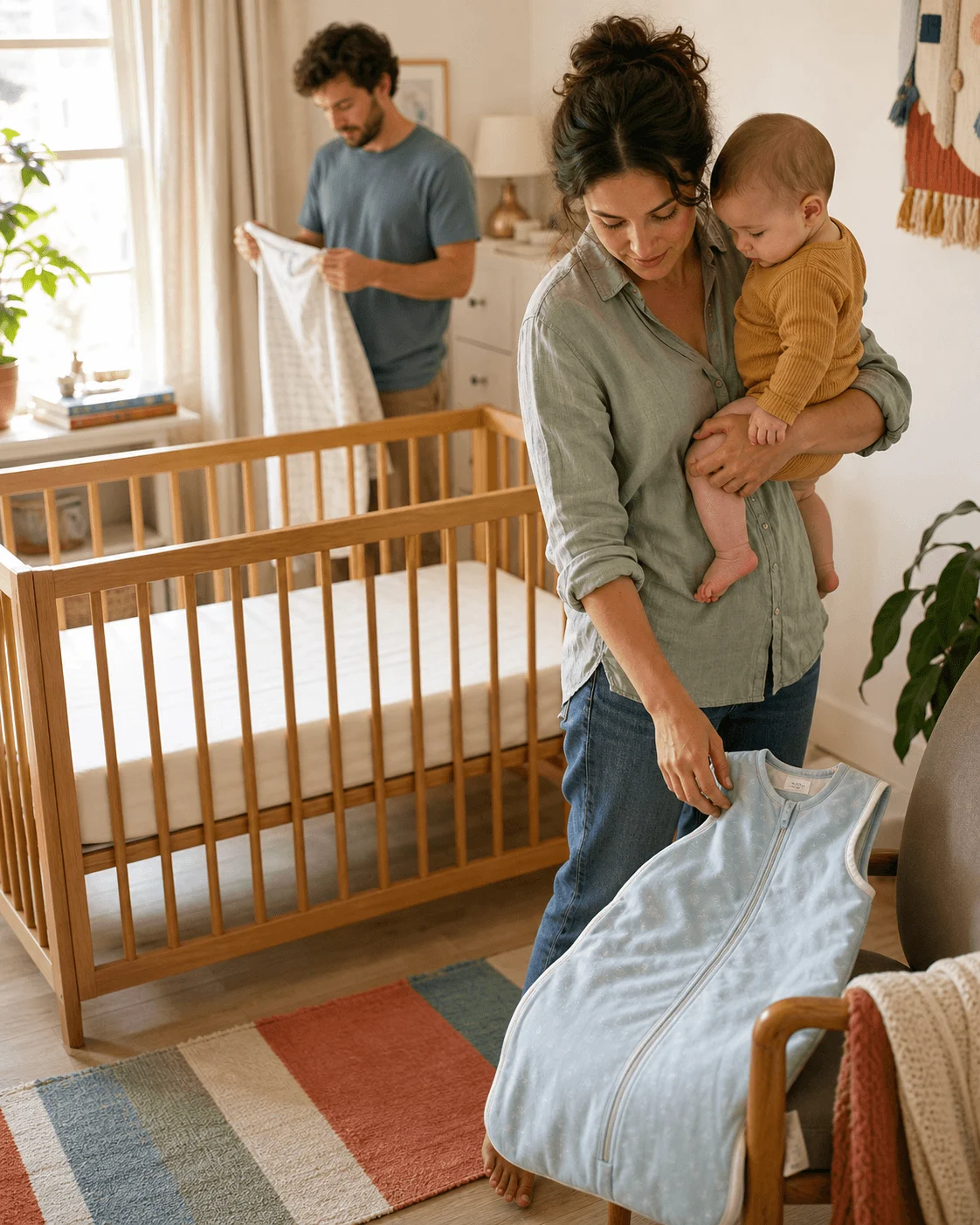
You’re probably looking at baby sleeping products with one eye open, one hand on your phone, and a small hope that the right thing might make tonight a little less feral.
The safest cart is usually smaller than the one the internet wants you to build. A firm mattress, a fitted sheet, a baby on their back, a wearable blanket that fits. That’s the dull little core of it.
The hard part is emotional. You want the room to feel soft. You want proof you’re doing enough. So the baby-sleep aisle answers back with weight, padding, curves, apps, lights, sensors, and a hundred tiny promises.
Why do baby sleep products feel so convincing at 2 a.m.?
Because 2 a.m. isn’t a normal shopping brain. It’s a small, fluorescent panic room. You’re reading reviews while the house is quiet in that suspicious way, and every product photo looks like someone else has already cracked the code.
The American Academy of Pediatrics keeps the real code boring: back sleeping, a firm flat surface, a fitted sheet, the baby in their own sleep space. The CPSC safe-sleep guidance says it even shorter: bare is best.
If your older one is also turning evenings into a circus, this guide on why kids sometimes won’t sleep helps you tell ordinary routine trouble apart from baby-safety shopping. Different age, same exhausted nervous system.
Which baby sleeping products should stay out of the crib?
I’d start by editing the cart, not adding to it. No lecture. Just a clean little sweep before money leaves your account.
- Soft decor. Crib bumpers, pillows, stuffed toys, loose blankets and padded sets make the crib look finished to adults. Babies need air and space more than a styled bed.
- Positioning products. Wedges, nests, loungers and sleep positioners can look helpful in a photo. Infant sleep should stay flat, firm and unpropped unless your clinician gives you a specific plan.
- Weighted sleep gear. Weighted swaddles and sacks borrow a calming idea from adults. I wouldn’t add weight to an infant’s sleep setup for a possible sleep benefit.
- Cheap tech chaos. A too-loud sound machine or mystery monitor just adds friction: cords, volume, weak support, laggy apps, one more thing failing at 2 a.m.
There’s a slightly annoying freedom in this. You don’t need the whole aisle. You need fewer objects with clearer jobs.
What should you buy instead?
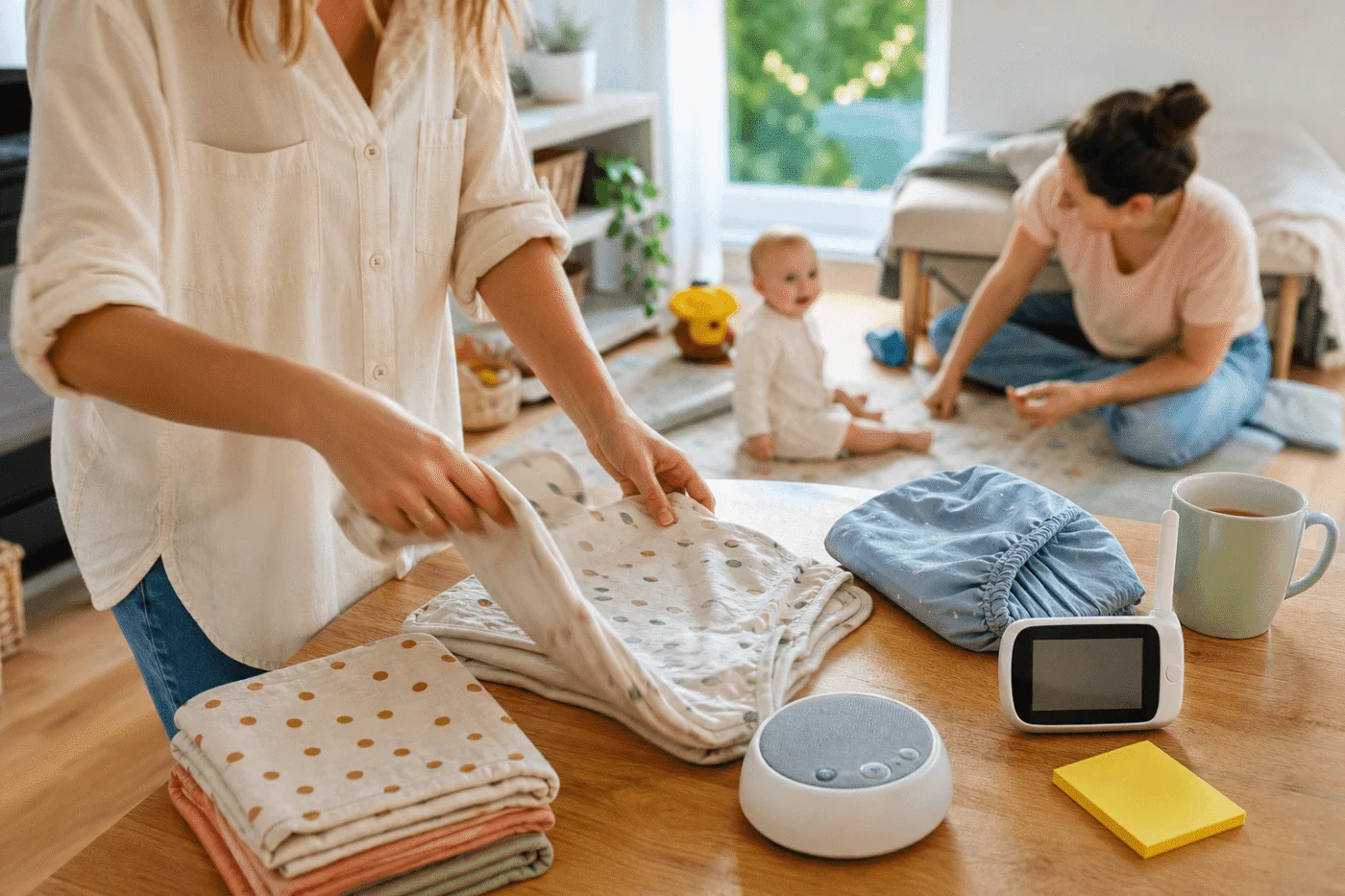
These swaps aren’t miracle fixes. They’re the things that quietly support the basics without asking you to bend a single safety rule. The picks themselves are what I’d reach for.
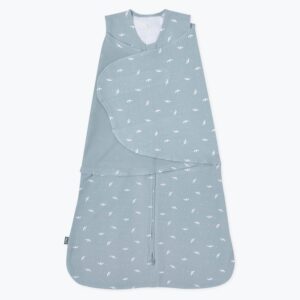
If loose blankets or weighted sacks keep tempting you, this is the way to add warmth without adding risk. The fit matters more than the brand name: neck and armholes shouldn’t ride up, and arms-in swaddling stops the moment you see rolling start. As an Amazon Associate, Decoded Kids earns from qualifying purchases. Price checked live on Amazon.HALO SleepSack Wearable Blanket
If you’re going to spend on the crib, spend on the foundation, not the padding around it. Organic or breathable is nice, but it doesn’t cancel the bare-crib rule: firm, flat, fitted sheet, nothing else.
A sound machine should be a cue, not a volume contest. I like the Dohm because it’s plain: no app, no glowing command center. Keep it away from the crib, secure the cord, keep it quiet.
A monitor earns its place when rooms are far apart or your anxiety spikes. I’d pick known support and a clear setup over a no-name camera. The dual app-and-handset option helps on the nights Wi-Fi decides to be dramatic.
How do you choose without panic-buying?
Ask what problem you’re actually solving tonight. Warmth? Start with a non-weighted wearable blanket. Noise? A simple room cue. Distance between rooms? A monitor might make sense.
If the product mostly sells a feeling, slow down. If it solves one small, repeating problem without touching the safe-sleep basics, it can earn a spot.
If bedtime noise and transitions are hard for an older child too, the sensory tools that get used may fit better than another baby gadget. Sometimes the real problem is the room: the sound, the light, everyone cooked by the end of the day.
What would I put in the cart first?
Safe sleep space first. Then two fitted sheets. Then two well-fitting, non-weighted sleep sacks. After that, maybe a sound machine, maybe a monitor.
That order is less exciting than a viral nursery list. It also saves you from buying the emotional version of safety, which is exactly how half the weird little products end up forgotten in a drawer.
Frequently asked questions
Skip crib bumpers, pillows, loose blankets, weighted infant sleep gear, wedges, positioners, sleep loungers and inclined sleepers, unless your clinician has given you a specific medical plan. The crib should stay flat, firm and bare.
A firm crib mattress that fits correctly, used with a tight fitted sheet only. Bumpers were sold for looks and bumped heads, not safety. The crib doesn’t need padding, pillows, blankets or toys.
Yes, when used sensibly: place it across the room from the crib, secure the cord, and keep the volume low. It should be a gentle room cue, not a loud device next to your baby’s head.
No. A premium product can solve a real problem (easier cleaning, warmth, routine, monitoring), but nothing on the shelf guarantees a baby will sleep longer. A safe, boring setup does more than a pricey one.

I'm for the parent mid-meltdown - theirs or the kid's. I write from the actual floor of it: the crying that won't stop, the dinner thrown, the bedtime that unravels. Blunt because I respect you too much to pretend it's easy. Just what tends to work.
More from NourWhat's the one thing that calmed the chaos in your house?
No right answers here - tell us how it went. Someone reading needs to hear it.
Join the conversation