
Giving Has to Cost Them Something Small
I tried the speech once. Some children do not get anything, we are lucky, and so on, delivered in a car park in December to a seven year old who had just been told he could not have the thing in the window.
It landed exactly nowhere. He was not ungrateful. He was seven, and I had picked the worst possible minute to run a values lesson.
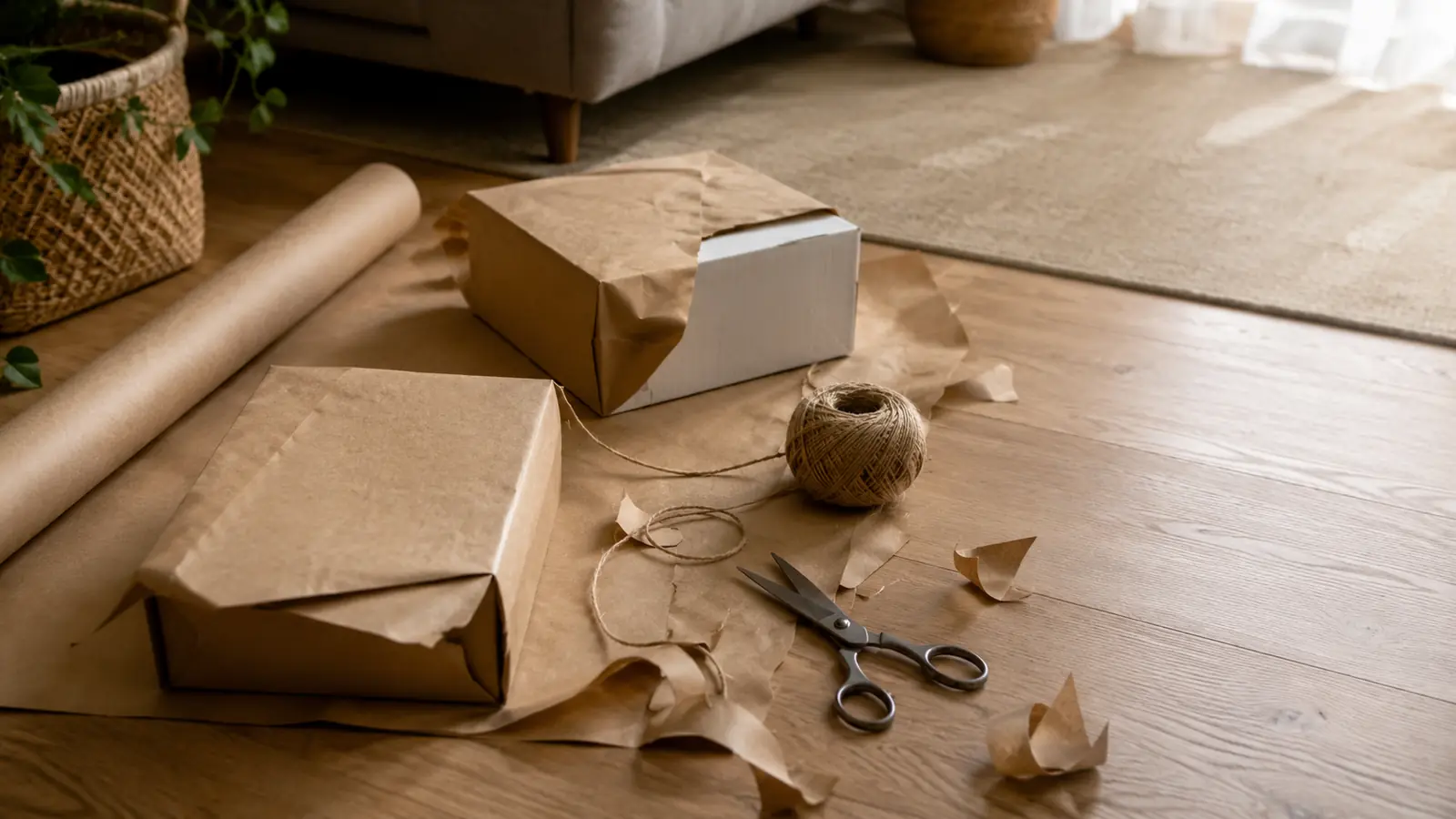
This is not a lecture that works better when it is longer. It is a set of small, cheap, doable things, and most of them cost less than a roll of wrapping paper.
What the research actually shows
Lara Aknin, Kiley Hamlin and Elizabeth Dunn at the University of British Columbia ran a study with toddlers under the age of two, published in PLoS ONE in 2012. The children were given treats, and then given the chance to hand treats to a puppet.
They were visibly happier giving than receiving. And they were happiest of all when the treat they gave away came from their own pile rather than from a spare stash the researchers provided.
Which is why the thing your child gives has to be theirs in some real sense. Handing over a donation you paid for, on your instruction, is a chore. Handing over three dollars they earned, or a toy they picked without being steered, is an entirely different experience for them.
Five things that actually work
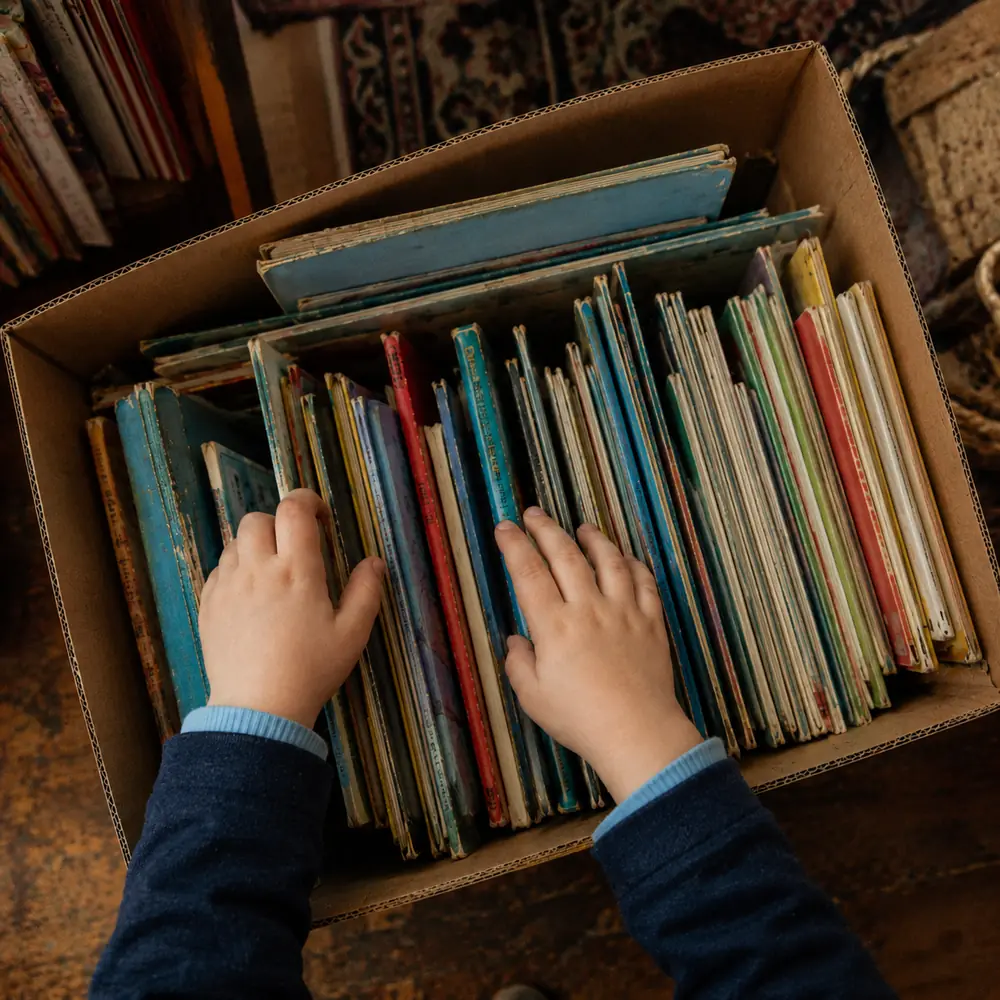
- Let them sort their own toys, with a veto they can use. Say the box needs eight things and let them fill it. If they keep the one you wanted gone, that is the price of it being real. There is more on the wider clear-out in the piece about too many toys.
- Split their own money three ways. Spend, save, give, in three labelled jars. It works far better attached to money they actually earned, which is the argument in the chore chart and allowance piece.
- Bake something and take it to a neighbour. Cheapest option on this list and the one with the most visible landing. The neighbour’s face is the whole lesson.
- Let them make the gifts for the adults. Grandparents keep the handmade thing for twenty years and throw the bought one out. We have a whole list of these.
- Give them a real job in the giving you are already doing. Choosing the card, wrapping the parcel, carrying it to the door. Being useful in a real task beats a symbolic one every time.
Doing this when money is tight

There is a version of the generosity conversation that assumes a household with spare money in it, and it is not much use in a house where December is already tight. Two things worth saying about that.
First, the study is about the giving away, not about the value. A biscuit counts. Time counts. A child who spends an hour making a card for someone is doing the same emotional work as a child who spends thirty dollars, and possibly more of it.
Second, and this is the one nobody says: children in tighter households often already know. They have heard the conversations. What they need is not education about scarcity, it is the experience of being on the giving side of something, which is a position they may not be in very often. That is genuinely good for a child, and it has nothing to do with the amount.
What to avoid is turning your own money worry into their lesson. The piece on how much to spend goes into that properly, and if the budget is the real problem this month, running December on one income is a more useful read than this one.
What does not work
The guilt speech. Any sentence beginning “some children don’t even have” produces a child who has learned to look at the floor, not a child who has learned to give. It also teaches them that wanting things is shameful, which is a bad lesson to carry into adulthood.
Making them give away a specific toy you have chosen. That is not generosity, it is confiscation with a bow on it, and they will remember it as such for a surprisingly long time.
Running the giving lesson in the same conversation as the wish list. Ten minutes after they have asked for something and been told no is the worst timing available. Different day, different mood, no connection between the two.
And the annual one-off. A single trip to a food bank in December, never mentioned again until next December, reads to a child as a festive activity rather than a way of behaving. Small and repeated beats big and annual, which is more or less the rule for everything in this month.
By age, quickly
Two to four: hand something to somebody and watch their face. That is the entire curriculum at this age and it works.
Five to seven: choosing. Let them pick what goes in the box, which neighbour gets the biscuits, what the card says. Explain who it is going to in one sentence, not five.
Eight and up: the money version, and a say in a family decision. Some families let an older child choose the charity, or decide that one of the four gifts becomes a donation. That only works if the choice is real and they can also choose not to, otherwise you are back to confiscation.
Then let it go for eleven months. The lesson is not something you finish in December, and a child who has done one honest small thing this year has done the whole exercise.
Leave the first comment
Share your thoughts
Frequently asked questions
Give them something small and genuinely theirs to give, let them choose it, and make sure they see where it lands by delivering it in person. Doing it once beats explaining it five times, and it works best kept separate from any conversation about what they are receiving.
Researchers at the University of British Columbia found in 2012 that toddlers under two showed more happiness giving treats away than receiving them, and were happiest of all when the treat came from their own pile rather than a spare supply.
Not a specific one you have chosen. Set the number instead, say eight things for the box, and let the child fill it. A toy taken from them is remembered as confiscation, not generosity, even years later.
The value does not matter, the giving does. A homemade card, baked biscuits for a neighbour or an hour of help all carry the same weight for a child. Being on the giving side of something is the experience, not the price of it.
Because it teaches children that wanting things is shameful rather than that giving feels good. They learn to look at the floor and avoid the subject. Doing one small real thing changes behaviour in a way that being told about other children’s hardship does not.

I'm for the parent doing it largely alone. I've done the single-dad decade - two homes, one income, the handovers, the very quiet Tuesdays - and I write from the far side of most of those days, with humour and hard-won calm. Not advice from above; a hand back from a few steps up the road.
More from DiegoWhat's getting you through right now? Be honest - we're all figuring it out.
No right answers here - tell us how it actually went. Someone reading needs to hear it.
Join the conversation