
When Your Child Can’t Go to School (It’s Fear, Not Defiance)
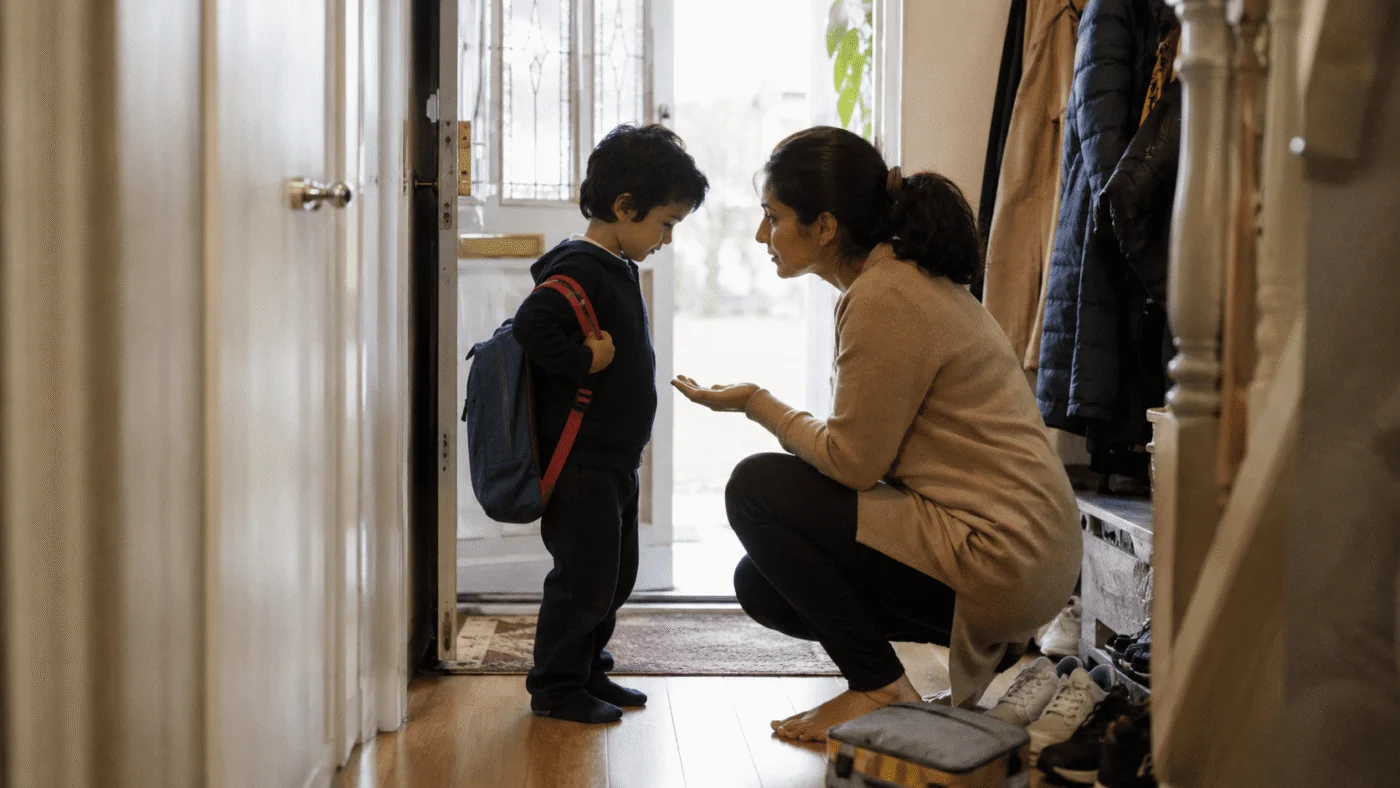
It starts small: a stomach ache on Sunday night, a slower breakfast, shoes that suddenly won’t go on. Then one morning your child is at the bottom of the stairs, backpack on, completely unable to take the next step out the door, and no amount of reasoning, bribing or rushing moves them. If you’ve been there, you already know the panic that rises in you too: they have to go, I have to work, what is happening to my kid.
Here’s the reframe that changes the whole morning: this almost never is what it looks like. It looks like stubbornness or laziness. It is, far more often, fear with the brakes slammed on, a nervous system that has decided, below the level of words, that school is not safe right now. The clinical name is school refusal, and the experts at the Child Mind Institute are clear about one thing: it’s anxiety, not misbehavior, and pushing harder usually makes it worse.
Why “just make them go” backfires
When you force a frightened child through the school door, their body learns that the fear was right, that the situation really was an emergency, and that no one heard them. The dread doubles down. Avoidance, meanwhile, feels like instant relief, which is exactly why it’s so sticky: every skipped day quietly teaches the brain that staying home is the only thing that makes the panic stop.
So you’re walking a genuine tightrope. Let them avoid completely and the fear grows roots; shove them in cold and the fear gets confirmed. The way through is neither. It’s lowering the temperature first, then walking back toward school together, in steps small enough that the nervous system can stay calm.
A child planted at the bottom of the stairs isn’t refusing to go. They’re telling you, in the only way left, that something feels too big to face.
Calm, then connect, then cope
A simple order helps when you’re in the thick of it: calm, connect, then cope, never the other way around. Calm is you first: a frightened child can’t borrow steadiness you don’t have, so your slow breath and low voice are the actual tools. Connect is naming it without arguing it away: “your body’s saying this feels really hard right now, I get it.” Only once they feel met can you move to cope: the small, doable next step.
What helps
None of this means giving up on school. It means getting them back in a way that lasts. A few things that move it in the right direction:
- Find the real worry. “School” is rarely the whole story. It’s the noisy corridor, the teacher who shouts, lunch with no one to sit with, a test, a toilet they won’t use. Gently detective the specific fear; you can’t solve a fog.
- Shrink the ask. Not the whole day, just the drive, the gate, the first lesson, a halfway morning. Each small win their body survives rewrites the story that school equals danger.
- Make the morning boring and predictable. Same order, things laid out the night before, fewer decisions. Calm is built from sameness; chaos feeds the dread.
- Loop in the school as partners. A safe person, a quiet exit plan, a check-in spot. Schools see this often and a good one will work with you, not against you.
- Keep home neutral, not nicer than school. Rest, yes; a day of screens and treats, no. Not as punishment, just so staying home doesn’t quietly out-compete going.
When it’s bigger than a wobble
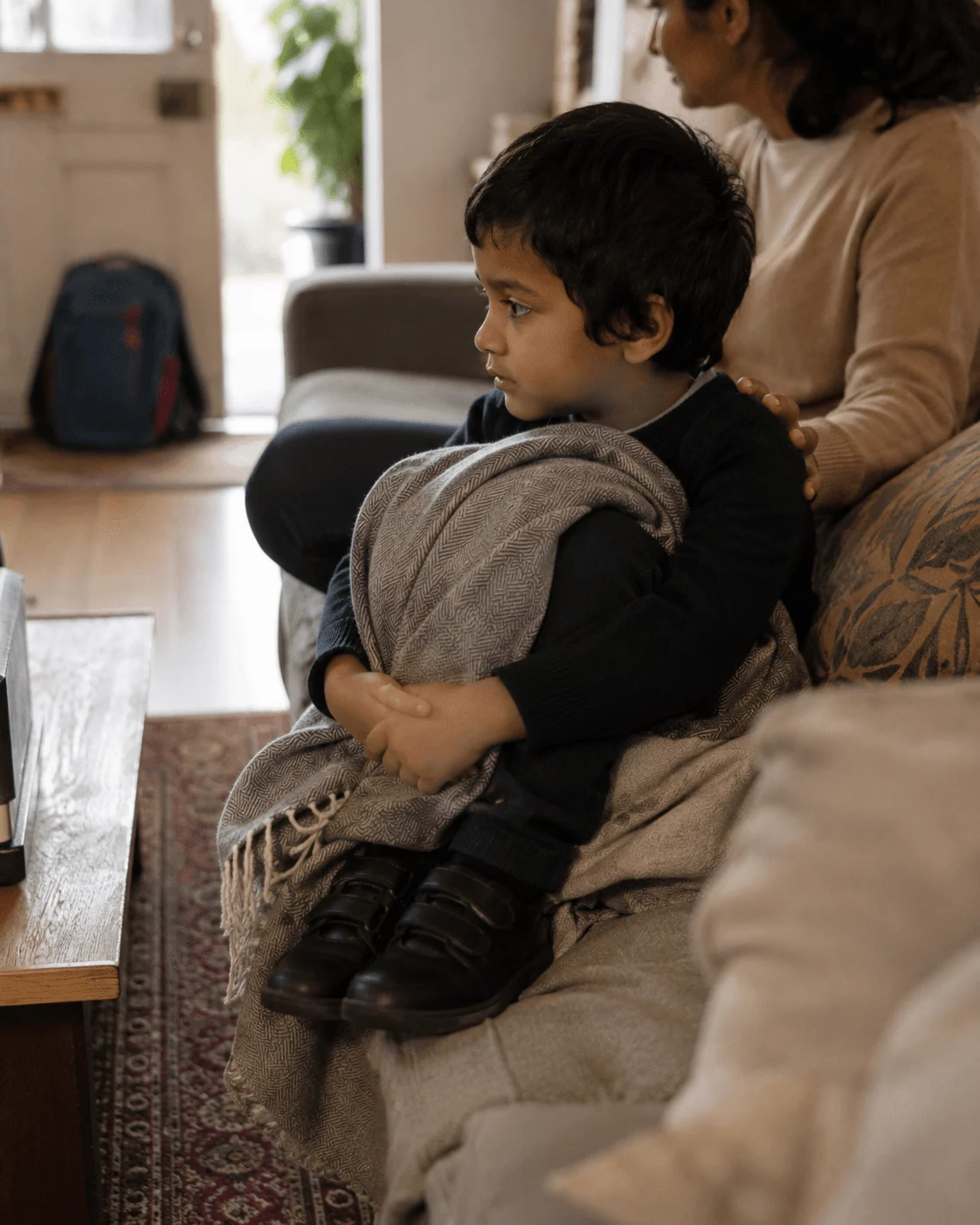
A rough week or a hard patch after a change is normal, and the steps above are usually enough. But if the avoidance stretches on, comes with panic attacks, not eating or sleeping, talk of not wanting to be here, or it’s tangled up with bullying or an undiagnosed learning or sensory difference, please loop in your doctor, the school counselor, or a child psychologist. Reaching out early isn’t an overreaction. If you are not sure who to book in the first place, here is which specialist does what. It’s the same instinct that made you read this far.
And go easy on yourself in the doorway. Helping a scared child is slow, unglamorous work, and doing it without losing your own calm is genuinely hard. It’s the same steadiness that helps when school suddenly feels too big.
Comfort tools that help
A few things parents lean on when school feels too scary. Honest picks, real Amazon ratings.
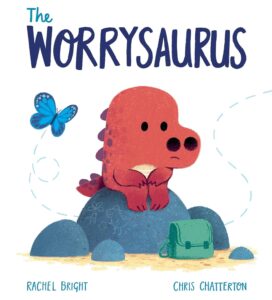
A gentle rhyming story that gives an anxious child words, and a calm-down ritual, for the worry that makes mornings hard. As an Amazon Associate, Decoded Kids earns from qualifying purchases. Price checked live on Amazon.The Worrysaurus
Eight plush “Spots” that help a child point to the feeling sitting underneath the school refusal.
A flip-book of coping moves to run through together in the calm-down corner before the school run.
A weighted friend whose gentle, grounding pressure helps an anxious body settle.
Frequently asked questions
Almost always, no. School refusal is driven by anxiety, not defiance. The child’s nervous system has decided school feels unsafe, and the “won’t” is really a “can’t.” Forcing them through tends to confirm the fear; the lasting fix is calming the anxiety and returning in small, manageable steps. Those small steps matter most at the restart points, which is why going back after the winter break deserves a plan of its own.
Shoving a frightened child in cold usually backfires. Their body learns the fear was justified and that no one listened. But letting them avoid completely lets the fear grow. The middle path works best: lower the anxiety first, then walk back toward school in steps small enough that they can stay calm, with the school as a partner.
Usually a specific, often hidden worry: separation anxiety, a loud or chaotic environment, social fears, bullying, a harsh teacher, a test, sensory overwhelm, or an undiagnosed learning difference. It’s also more common in anxious and neurodivergent (ADHD, autistic) children. Finding the precise fear is the first real step. If reading is the part that keeps going wrong, the early signs of dyslexia show up long before anyone uses the word.
If the hidden worry looks like loneliness, here is what to say when your child says nobody likes them.
If the avoidance lasts more than a week or two, or comes with panic attacks, not eating or sleeping, talk of not wanting to be here, or signs of bullying, speak to your doctor, the school counselor, or a child psychologist. Early support makes school refusal much easier to turn around. If school starts talking about a formal plan, it helps to know how an IEP differs from a 504 before the meeting.
Leave the first comment
Share your thoughts

I'm for the parent watching a feeling they can't name and wondering if it's normal. I've spent years close to the child-mental-health research and the specialists behind it, and I carry the heavy parts into plain language. I won't diagnose your child - I'll help you see what you're looking at, and say honestly when it's time to ask someone in person.
More from SofiaWhen did you last feel out of your depth - and what helped, even a little?
No right answers here - tell us how it went. Someone reading needs to hear it.
Join the conversation