
Your Kid Has Too Many Toys. Their Play Is Telling You.
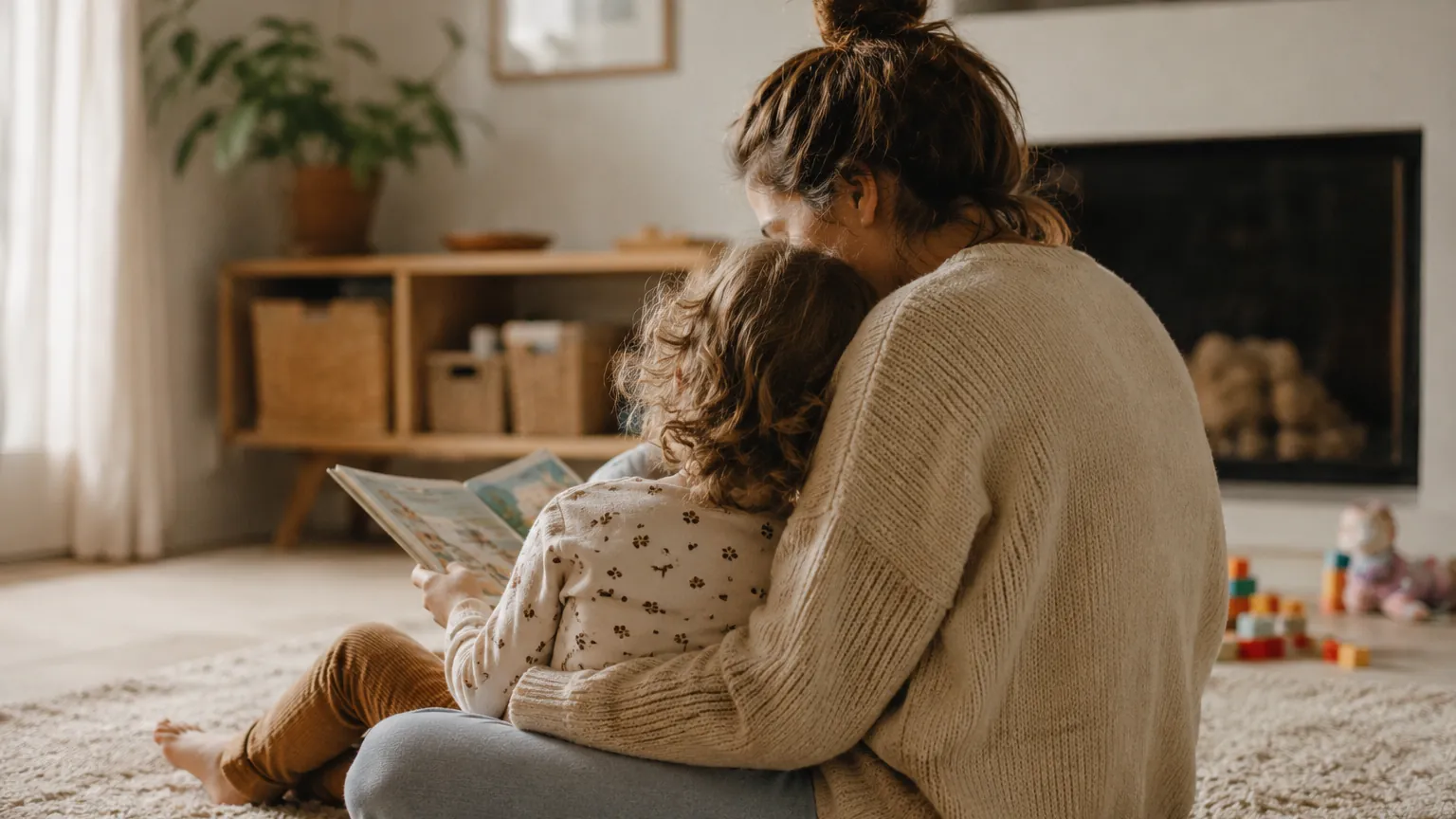
There’s a specific sound a parent’s foot makes on a stray building block at 6am. And there’s a specific sentence that follows it, usually not printable, usually aimed at a floor you can no longer see.
Here’s the part that stings more than the block: the kid who owns all of it wandered into the kitchen ten minutes ago and announced they’re bored. Bored. In a room where toys have formed sediment layers.
It turns out those two facts aren’t a contradiction. They’re the same fact.
The short version: more toys means shallower play. In a controlled study, toddlers in a room with just 4 toys played with each one twice as long, and in richer ways, than toddlers given 16. The pile isn’t abundance, it’s noise. Before December’s gift flood arrives: shrink the pile, rotate what’s left, and give the relatives a better job than adding to it.
What the toy study found
In 2018, researchers at the University of Toledo put 36 toddlers, one at a time, in a playroom. Half the sessions had 4 toys on offer. The other half had 16. Then they watched what the children did, and published the results in Infant Behavior and Development.
With 4 toys, kids stayed with each toy twice as long. They flipped it, stacked it, made up new uses for it, worked through what the researchers called more “manners of play”. With 16 toys, the same children skimmed: pick up, drop, next. More stuff produced measurably worse play.
If that sounds familiar, it’s because adults do it too. Forty streaming services and nothing to watch. A menu with nine pages and you order the burger again. Choice has a cost, and a toddler pays it in attention. A crowded floor keeps interrupting them mid-thought, and play is their thinking.
Why December makes it worse
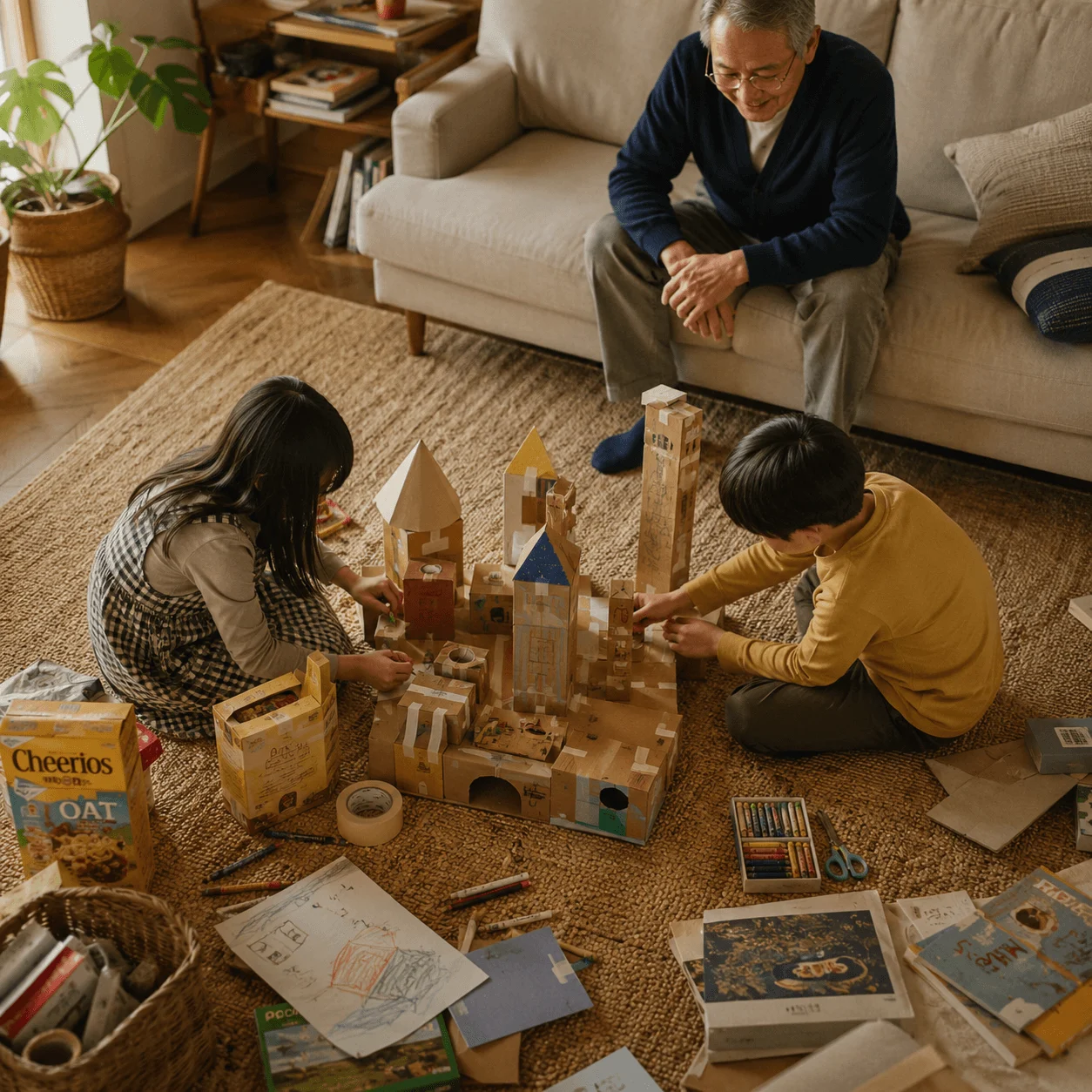
Whatever the pile looks like today, it’s about to get a delivery. Two sets of grandparents, some aunts, a birthday that lands near the holidays if you’re really lucky, and suddenly January’s floor is an archaeology site of opened-once presents.
The fix starts before the flood, not after. October and November are when you quietly thin the shelves, exactly because the new wave is coming. And it’s when you get ahead of the relatives, because they’re already shopping. Most of them genuinely want to give your kid something that lands. They just measure love in package count, and nobody ever handed them a better metric.
Give them one. The four gift rule is the easiest script ever written: something they want, something they need, something to wear, something to read. It caps the flood without banning generosity, and the read slot is criminally underused; books that help with big feelings outlast any blinking spaceship. For the want slot, point them at things that calm rather than escalate: we keep an honest list of gifts that turn the volume down, plus picks for the ADHD kid who says he wants nothing and stocking stuffers that won’t be junk by January.
As you decrease the quantity of your child’s toys and clutter, you increase their attention and their capacity for deep play.Kim John Payne, author of Simplicity Parenting
Melissa & Doug Wooden Building Blocks
As an Amazon Associate, Decoded Kids earns from qualifying purchases. Price checked live on Amazon.
How to shrink the pile without tears
Under five or so, don’t make it a ceremony. Do it while they’re out. Keep the loveys, the current obsessions, and anything they’d testify about in court. Box the rest. You are not being sneaky, you’re being an editor, and here’s the test that proves it: if your kid asks for a boxed toy by name within a month, it comes back, no questions. Most never get asked about. That silence is the whole argument.
Fair warning: the hardest hoarder in the house is usually you. That wooden puzzle from your mother, the gift from a friend you barely see, the expensive thing that never got loved. Kids skim right past those. Parents can’t. If a toy is really a memory, it belongs in a keepsake box with the baby shoes, not on the play shelf doing sentimental guard duty.
School-age kids get a vote, but frame it as choosing what stays, never what goes. “Pick your ten favorites for the shelf” lands completely differently than “choose what to throw away”, even when the math is identical. Donating works better with a face on it: toys go to specific younger kids, not into a void.
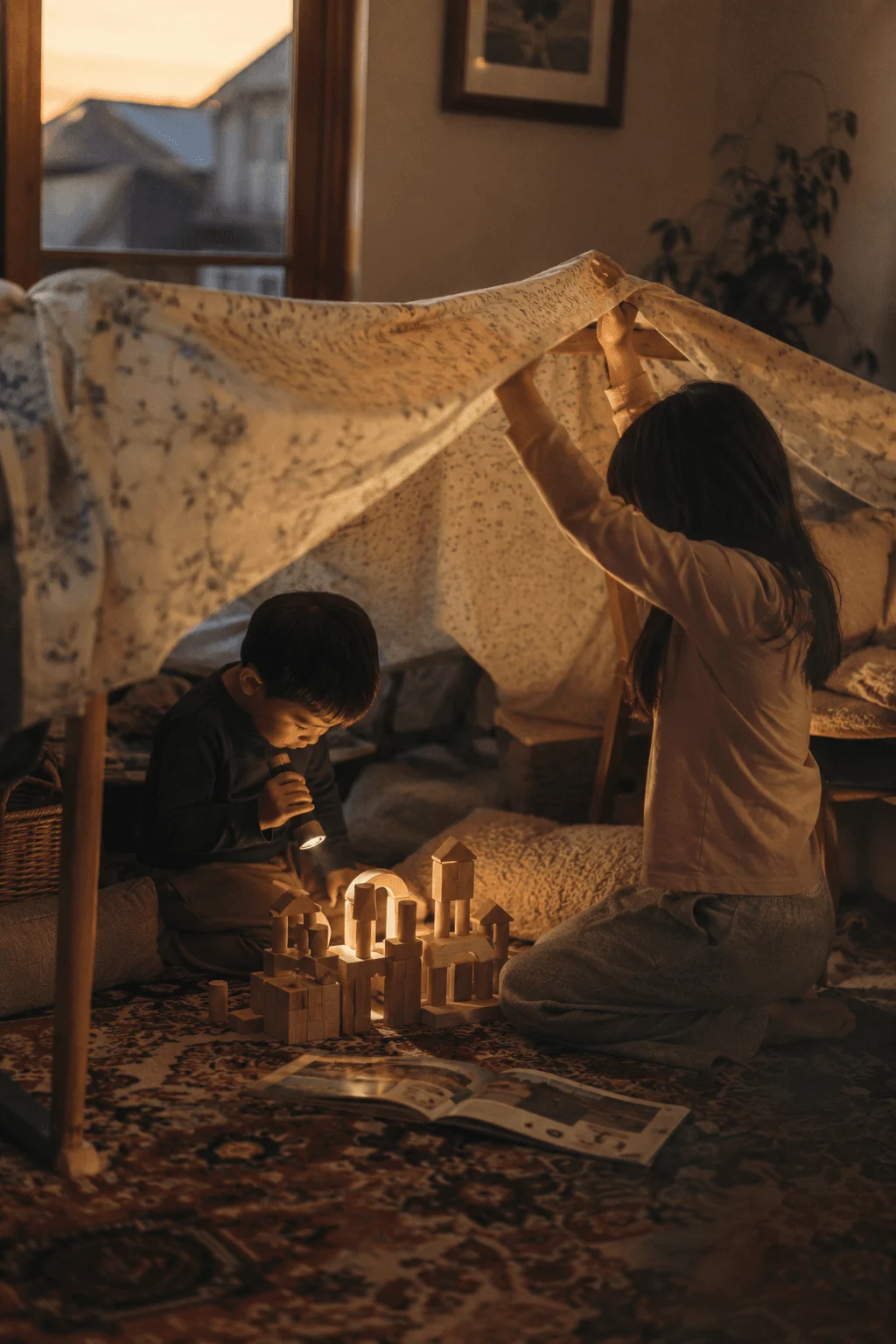
What’s left goes into rotation. A shelf holds eight or ten toys. The rest lives in two or three boxes in a closet, and every few weeks one box swaps with the shelf. Old toys come back with the full glow of new ones, for free. The playroom stays walkable, and the block stops finding your foot in the dark. Kids doing this for the first time will often rediscover a toy they ignored for a year and treat it like a birthday present, which tells you everything about what the pile was doing to it.
What not to do: don’t run the dramatic garbage-bag purge in front of your child, ever. It reads as punishment and teaches them to hoard harder. And don’t buy storage furniture as the fix. A prettier container for too many toys is still too many toys, now with a receipt.
What to tell the grandparents
Say it early, say it warm, and give them somewhere to aim. “He’s drowning in stuff, but he’d lose his mind over a zoo membership” gives a grandparent a better way to win Christmas than a fourth dump truck. Experiences, memberships, classes, a monthly library date with grandma: these hold their value long after the batteries die. If they insist on a box to unwrap, that’s what the four slots are for.
And if a relative bulldozes the plan anyway, and one will, let it go. One rogue gift doesn’t undo the system. It just enters the rotation, where the study says it’ll finally get played with properly.
Start with one bin tonight
Not the whole room. One bin, after bedtime, coffee optional. Box what’s dormant, watch what happens to the play this week, and let the results talk you into bin two.
Frequently asked questions
There’s no magic number, but the research points at “fewer than you think”. A shelf of 8 to 10 available toys, with the rest boxed in rotation, keeps play deep without deprivation. The Toledo study saw richer play with 4 toys than 16 for toddlers.
Yes, and it’s measured. Toddlers with 4 toys played with each one twice as long and invented more ways to use them than with 16 toys available. Fewer options mean fewer interruptions, so a child can go deeper into one idea instead of skimming across many.
Each child gets four presents: something they want, something they need, something to wear and something to read. It caps the December gift flood while keeping generosity intact, and it hands relatives a clear brief instead of a guilt trip. Experiences and memberships fit the want slot beautifully.
For toddlers and preschoolers, edit quietly while they’re out and keep anything they actively love. Boxed toys that get asked for come back. School-age kids choose what stays (“pick your ten favorites”), never what goes. Donate to specific kids, not a vague charity void.
Yes, because novelty is the engine of play. A returning toy feels new again after weeks in the closet, so a small collection keeps regenerating interest for free. Swap one box with the shelf every two to three weeks, and let your child’s play tell you the right rhythm.
Leave the first comment
Share your thoughts

I'm for the parent doing it largely alone. I've done the single-dad decade - two homes, one income, the handovers, the very quiet Tuesdays - and I write from the far side of most of those days, with humor and hard-won calm. Not advice from above; a hand back from a few steps up the road.
More from DiegoWhat's the one thing that calmed the chaos in your house?
No right answers here - tell us how it went. Someone reading needs to hear it.
Join the conversation