
Fireworks Night, Little Ears: The 5 Pairs That Save the Loudest Night of the Year
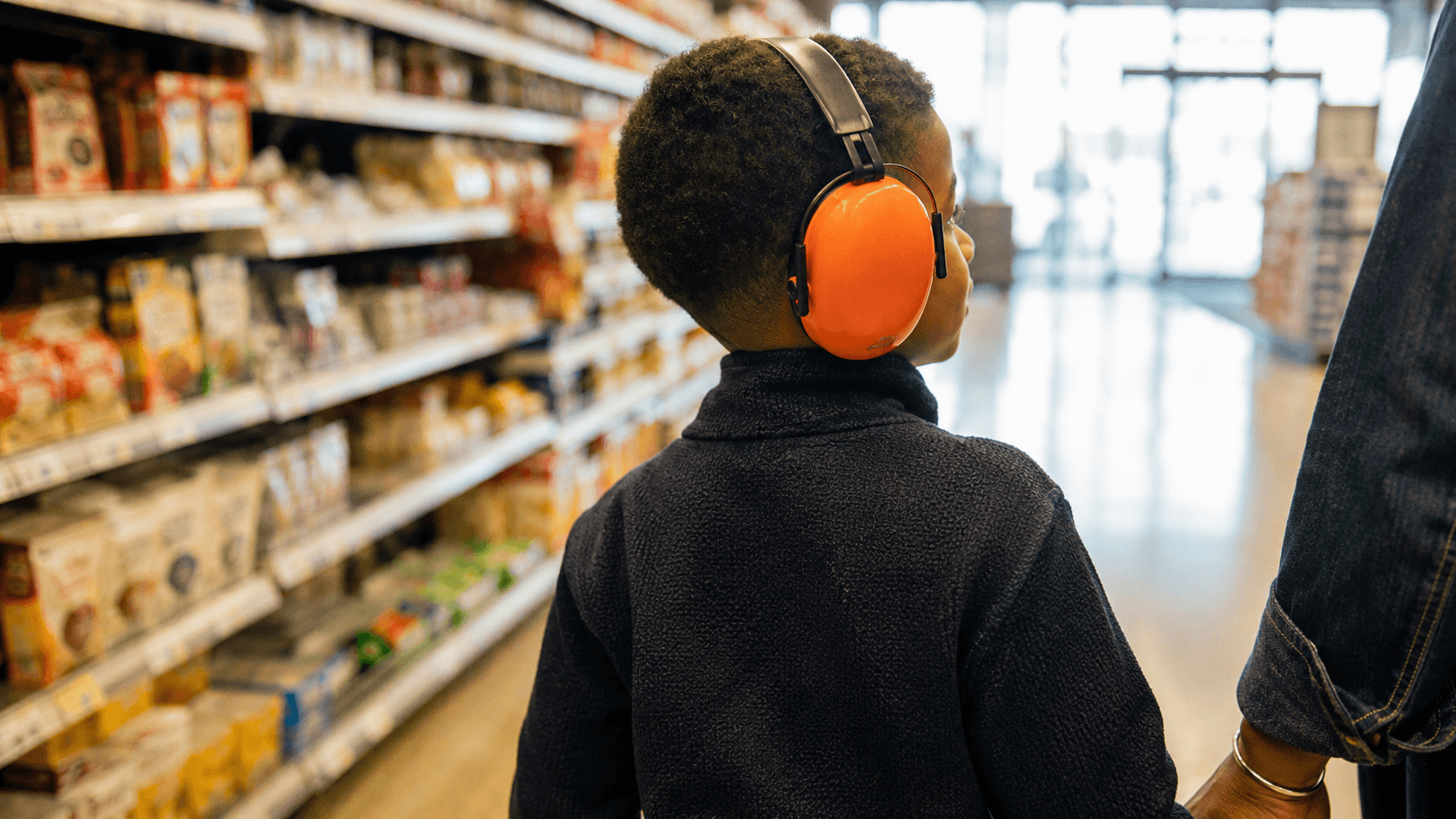
Two days out from the Fourth, and you already know how the evening goes. The sky lights up, the neighborhood cheers, and your kid, the one who covers her ears when the blender runs, comes apart in your lap. Fireworks regularly top 150 decibels up close, going by Phoenix Children’s, and hearing protection for adults is recommended from 85. Little ears don’t get a grace period for being little.
The fix costs less than the pizza you’ll order that night: a $13 to $27 pair of over-ear defenders knocks the world down by 22 to 29 decibels, which turns a chest-thumping boom into a big, manageable thump. For most kids the Dr.meter EM100 is the pair we’d grab, and for a baby it’s the Alpine Muffy. The rest is fit, what the numbers on the box really mean, and how to get a suspicious toddler to keep them on.
Why little ears need more help than yours
A child’s ear canal is shorter and narrower than an adult’s, so the same firework lands louder where it matters. Damage from loud events is cumulative and quiet; kids don’t tell you it happened, it just shows up years later on a hearing test. Which is a grim way to open a shopping list, sorry, but it’s the reason this purchase is not a gadget.
One tool to cross off first: foam earplugs. They’re molded for adult canals, they work loose, and for the under-4 crowd they’re a genuine choking hazard, which is why children’s hospitals steer families to the earmuff style that cups the whole ear instead.
What the numbers on the box actually mean
Every pair below carries a noise-reduction number, 23 to 29 decibels depending on the model. That’s how much quieter the world gets while they’re sealed on the head, and the seal is the operative word: a 29 dB pair worn crooked protects less than a 23 dB pair that fits. So buy for your kid’s head and age first, and treat the last two decibels as a tiebreaker. None of them make fireworks silent, and distance is still your best friend at a show.
The five, side by side
Same job, five ways in. Ratings are current Amazon averages.
The pair we’d hand most kids
Boring choice, honestly. The Dr.meter EM100 is Amazon’s best seller in the category with more than 18,000 ratings, blocks a solid 27.4 dB, adjusts from roughly age one to a teenager, and folds into a shape that lives in the glovebox. At around $13 you can buy one per kid and stop refereeing who gets the headphones.
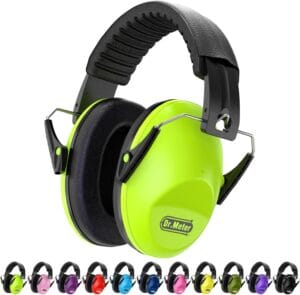
Dr.meter EM100 Kids Ear Muffs
As an Amazon Associate, Decoded Kids earns from qualifying purchases. Price checked live on Amazon.
Can a baby wear ear defenders?
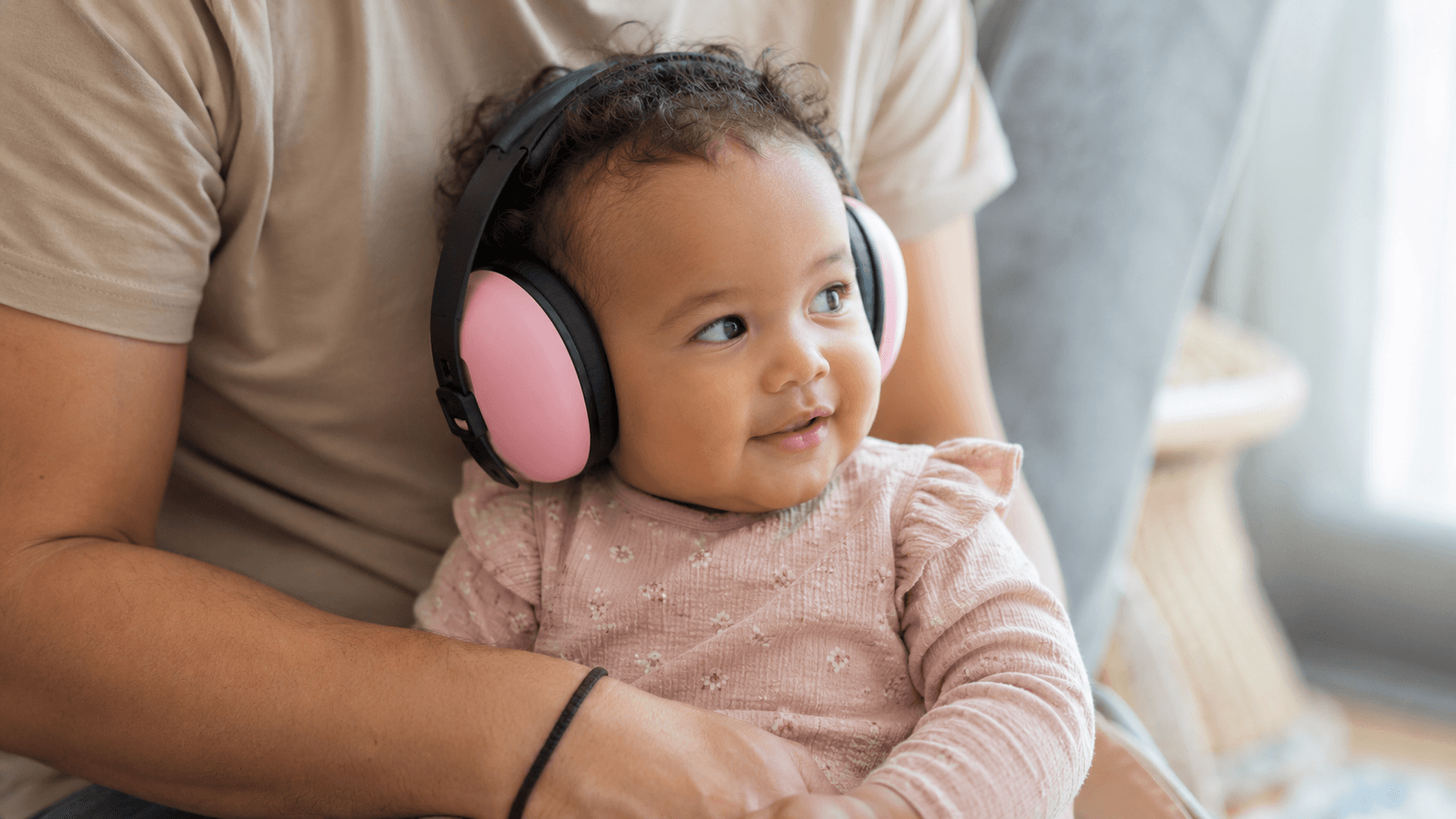
From the first months, yes, and at a fireworks show a baby needs them more than anyone. The Alpine Muffy Baby uses a soft elastic headband instead of a hard clamp, so nothing presses on the soft spots of a small skull. Parents in the reviews take them on long-haul flights and to the Fourth every year, and the babies mostly just fall asleep, which feels like a magic trick the first time you see it.
Bigger kids, louder worlds
Two more earn their spot for specific reasons. The iClever pair blocks the most sound of the five, a 29 dB reduction, and it’s the one marketed squarely at autistic and sensory-sensitive kids; it also carries the highest rating of the lineup. The foldable ProCase runs bigger, fits a teenager or a parent, and has over 25,000 ratings from families who pass one pair around at monster-truck shows. Right.
Fireworks night, played right
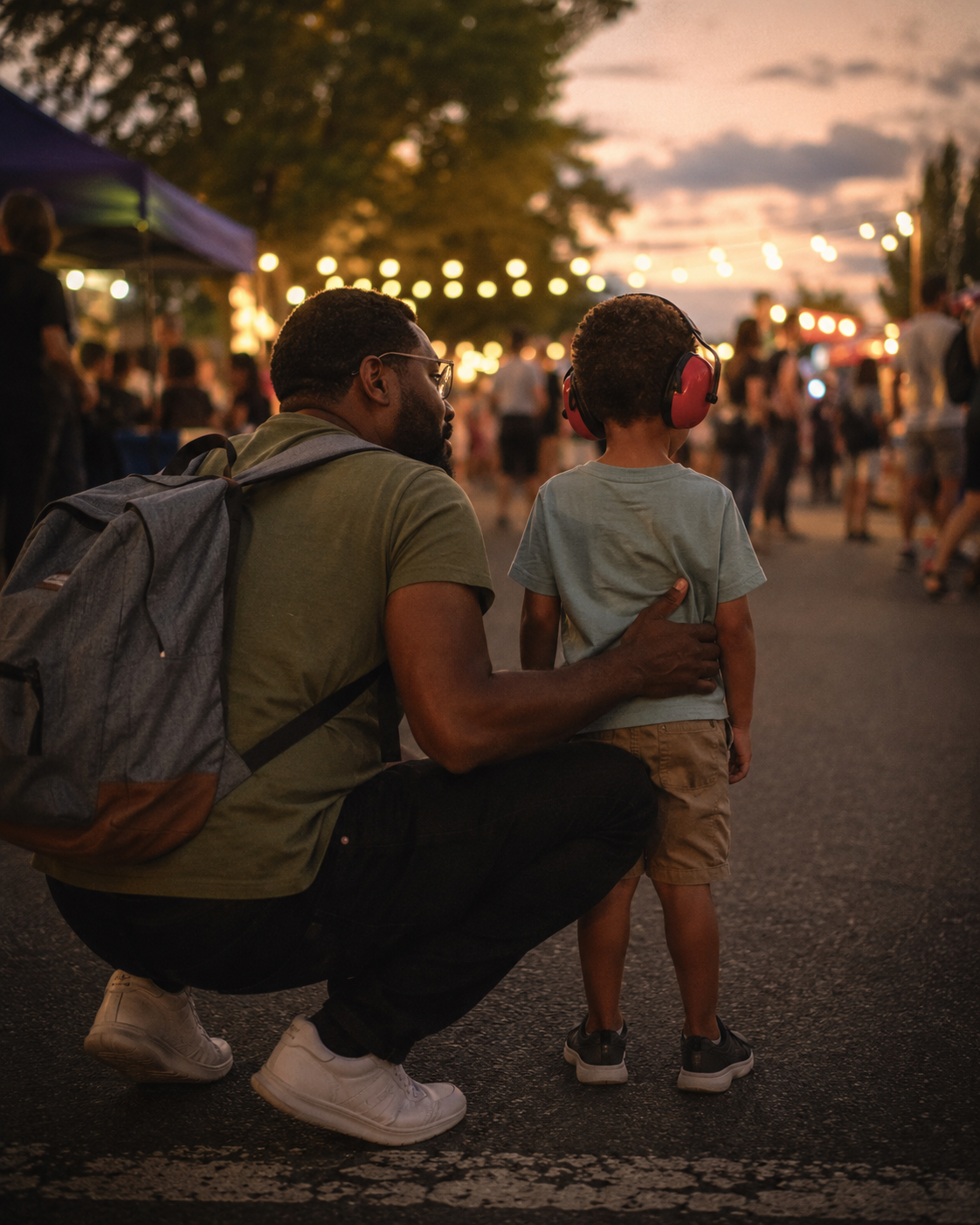
Whatever pair you pick, don’t let fireworks night be its debut. Have your kid wear them at home this week, during cartoons or the vacuum run, so the feeling on their head is old news by Saturday. New object plus loud night plus past bedtime is a lot to ask of one small person.
At the show itself, distance does half the work; the difference between the front row and the back of the parking lot is enormous, and the view is honestly about the same. Some families watch from the open trunk of the car, defenders on, snacks out, exit thirty seconds away. Build the leave-early plan before you need it and it stops feeling like defeat.
For the kid who hears everything, all the time

For plenty of families the fireworks are just the loudest example of a year-round thing. If your child is the one melting down in the cereal aisle or leaving birthday parties early, a pair living in your bag changes what you can say yes to, the same way the rest of the sensory kit that actually gets used does. They’re for events and errands though, not all-day wear; ears that never hear the normal world stop tolerating it, so off they come once the loud part ends. Pair them with the calming kind of sensory play afterwards and the whole outing lands softer.
Anyway. Buy the pair this week, let it live on the couch until Saturday, and watch your kid watch the sky instead of hiding from it.
Frequently asked questions
From the first weeks of life, with a pair built for infants. Baby models like the Alpine Muffy Baby use a soft elastic headband rather than a hard clamp, so nothing presses on the skull’s soft spots. At fireworks, concerts or on flights, a baby benefits from hearing protection more than anyone else there.
Good kids’ ear defenders reduce noise by roughly 22 to 29 decibels. Since fireworks can exceed 150 decibels up close, the muffs alone aren’t enough at point-blank range: combine them with distance from the launch site. Fit matters more than the last two decibels, because protection depends on a proper seal around the ear.
No, keep them for loud events and errands rather than constant wear. Ears that are always muffled gradually become less tolerant of everyday sound, and children also need to hear speech clearly for language development. Put them on for the supermarket, the party or the show, and take them off when the loud part ends.
Earmuffs, clearly. Foam earplugs are sized for adult ear canals, work themselves loose, and are a choking hazard for young children, which is why children’s hospitals recommend over-ear protection instead. Earmuff-style defenders cup the whole ear, fit reliably, and a parent can see at a glance that they’re still on.
Further than the crowd wants to. Sound falls off fast with distance, so moving from the front rows to the back of the field takes a real bite out of every boom while the view barely suffers. Aim for a few hundred feet, put the defenders on before the first shell, and keep the car close for an easy exit.
Leave the first comment
Share your thoughts

I'm for the parent about to spend money they're not sure about. I buy the gadget, live with it, and give you the honest verdict - including the 'don't'. I've burned through enough hype to save you the cash, and when something truly earns its place, I'll show you exactly why.
More from TylerWhich tool actually earned its place - and which was a waste of money?
No right answers here - tell us how it actually went. Someone reading needs to hear it.
Join the conversation