
Why “You’re So Smart” Backfires (and What to Say Instead)

She crumples the drawing before you’ve even seen it. I’m so stupid, I can’t do anything right. Your first instinct is to jump straight to no you’re not, you’re so smart, said fast and warm and completely automatic. It’s the kindest thing you own to say. It also tends to make almost no difference at all, and sometimes makes the next one worse.
That’s not a flaw in your child. It’s a mismatch between the comfort you’re offering and the thing they’re asking for.
Why “you’re so smart” doesn’t land
Stanford psychologist Carol Dweck’s decades of research on praise found that telling a child they’re smart, talented, or a natural, what she calls person praise, quietly teaches them that ability is fixed. It feels good in the moment and then backfires the instant something gets hard, because a hard task now threatens the label instead of just being a hard task. A child already prone to big feelings often has less room to absorb that threat than a calmer one does.
The praise that builds resilience names the process instead: you kept trying different colors until it looked right, not you’re such a good artist. It sounds like a small swap. It changes what the child thinks failure means the next time it happens.
Here’s the part almost nobody expects. Researcher Eddie Brummelman at the University of Amsterdam found that inflated praise, that’s the best drawing I’ve ever seen, actually lowers self-esteem in children who already feel insecure, rather than lifting it. The bigger the compliment, the higher the bar it sets for next time, and a child already unsure of themselves reads that bar as one more way to fall short.
What to say in the moment
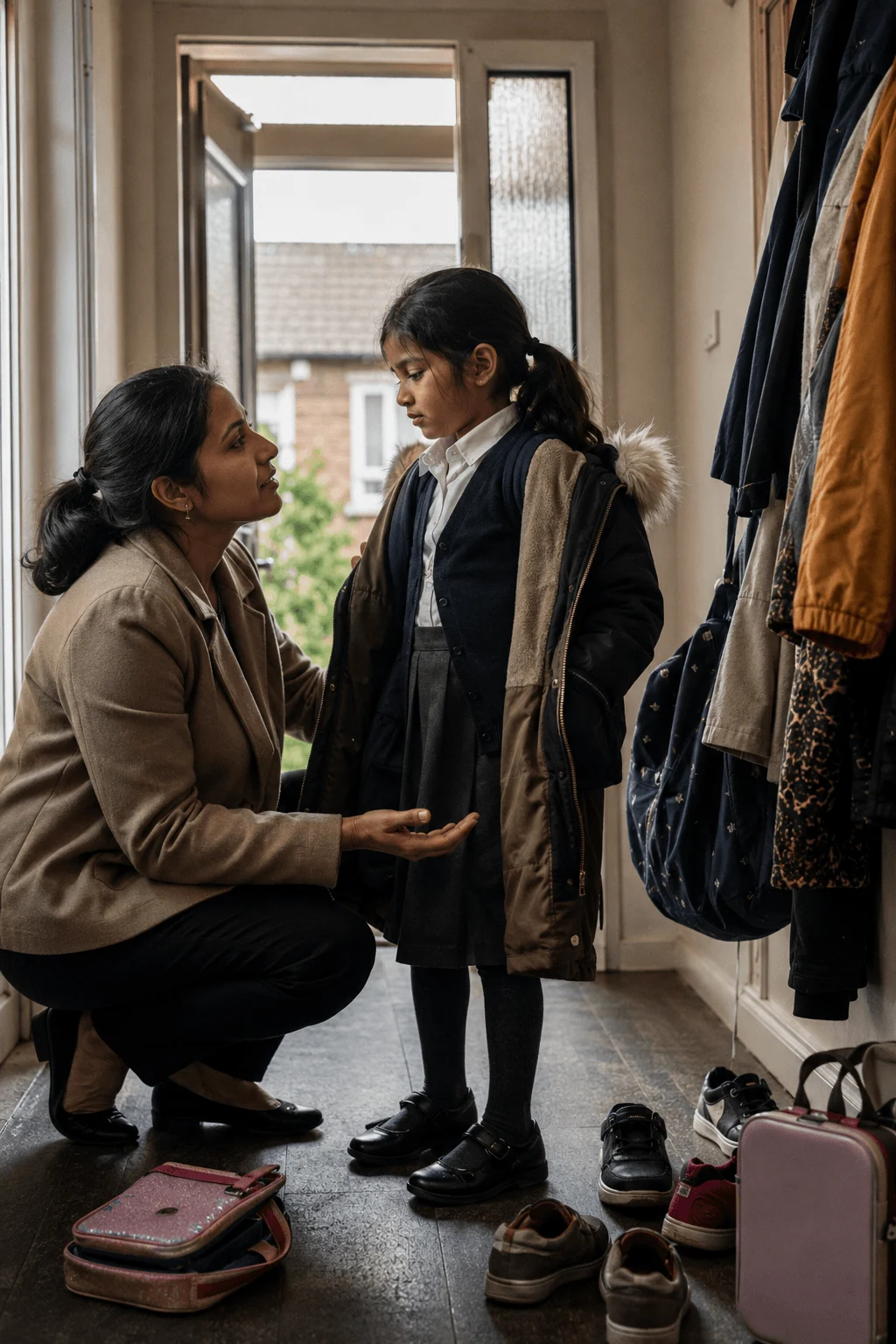
Start by naming the feeling before you touch the facts. That felt frustrating lands before any version of but you’re good at this ever could, because it tells your child you saw what happened rather than rushing past it. Only after that does the specific, process-based comment do its work: what they tried, what changed, what got a little easier the second time.
Keep it plain and true. If the drawing genuinely didn’t go how they wanted, don’t pretend it’s perfect, a child who feels babied by a compliment they know is false learns to distrust praise altogether. Naming the real effort works precisely because it doesn’t require you to lie.
Over weeks, not one conversation, that pattern is what shifts a child’s sense of their own ability. Kids who dread a specific class or subject are often carrying this same fear of not being good enough, just aimed at a classroom instead of a drawing.
Building it before the next hard moment
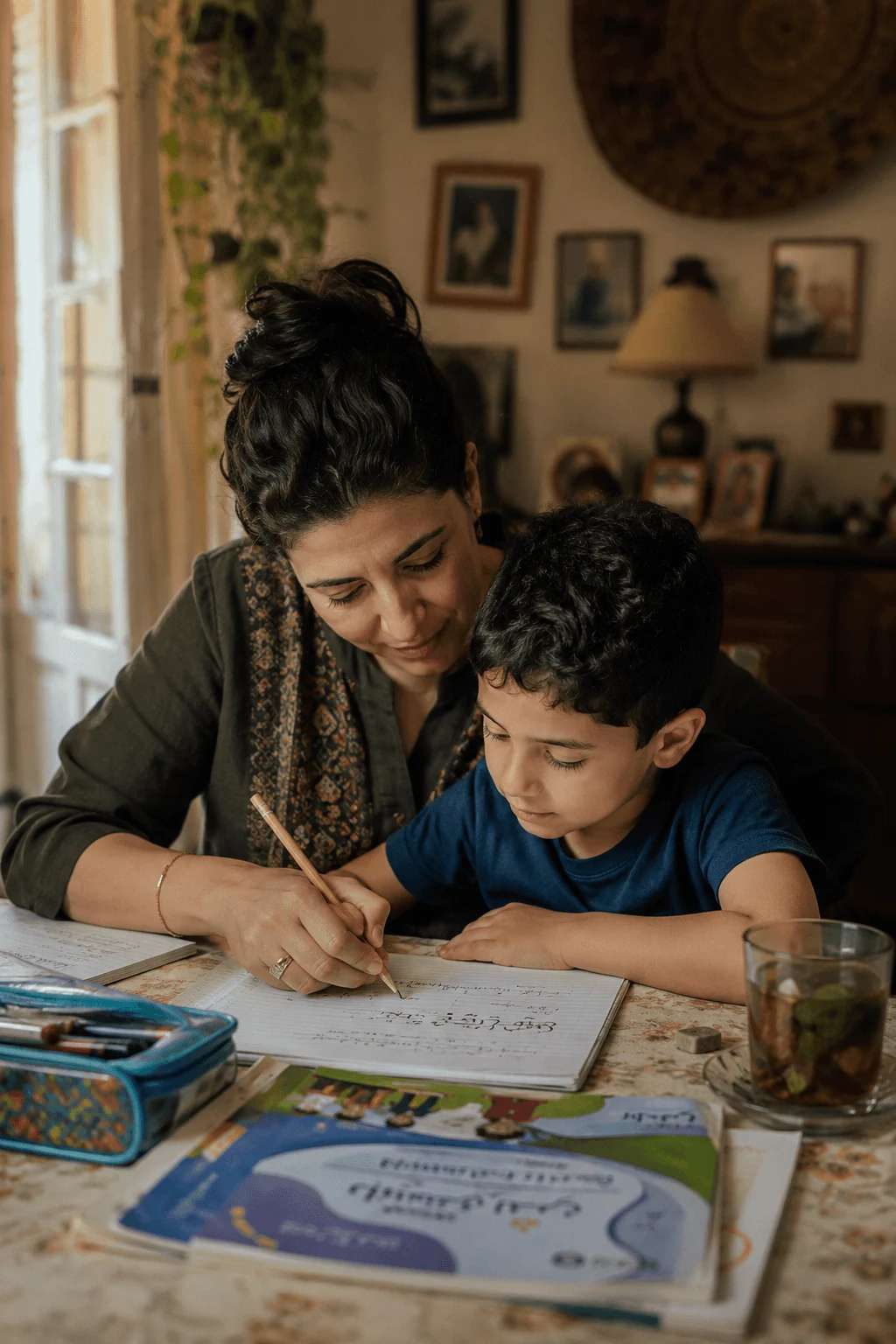
A sensitive child’s confidence isn’t built in the one big pep talk. It’s built in the accumulation of small, specific, honest moments where an adult noticed the actual effort instead of grading the result. That’s slower than a compliment and it’s also the only version that holds up once the child is old enough to know when they’re being managed.
Give them low-stakes chances to be genuinely bad at something new, a game, a sport, a recipe, with you narrating the trying rather than the winning. A child who’s watched an adult struggle at something and keep going learns that struggling is just what the middle of learning looks like.
You don’t need the perfect line tonight
Most nights this doesn’t call for a speech. It calls for sitting close, naming what happened, and trusting that the pattern, repeated often enough, does more than any single sentence could.
For the days that same self-doubt turns into a stomach ache before school rather than a crumpled drawing at home, this is worth reading on what’s underneath it.
Frequently asked questions
Name the feeling first (“that felt frustrating”), then the specific effort you saw, rather than arguing the label or piling on reassurance about how smart they are. Research on praise shows naming effort and process builds resilience better than praising ability or talent.
Carol Dweck’s research found that praising ability (person praise) teaches children that talent is fixed, which makes hard tasks feel threatening to their identity. Praising the process, effort, strategy, persistence, builds the belief that ability can grow.
Yes, for children who already have low self-esteem. Research from the University of Amsterdam found inflated praise (“that’s the best I’ve ever seen”) can lower self-esteem further in insecure children, because it sets an impossibly high bar for next time.
Common signs include frequent self-criticism (“I’m stupid,” “I’m bad at this”), giving up quickly on new tasks, avoiding challenges, and seeking constant reassurance before trying something. These often show up around ages 6-9 as schoolwork introduces more comparison.
Name specific, true effort rather than exaggerated results, and give them low-stakes chances to struggle at something new while you narrate the trying rather than the outcome. Honest, specific feedback builds more lasting confidence than inflated praise.
Leave the first comment
Share your thoughts

I'm for the parent watching a feeling they can't name and wondering if it's normal. I've spent years close to the child-mental-health research and the specialists behind it, and I carry the heavy parts into plain language. I won't diagnose your child - I'll help you see what you're looking at, and say honestly when it's time to ask someone in person.
More from SofiaWhen did you last feel out of your depth - and what helped, even a little?
No right answers here - tell us how it went. Someone reading needs to hear it.
Join the conversation