
One Book a Night Beats a Shelf You Never Finish
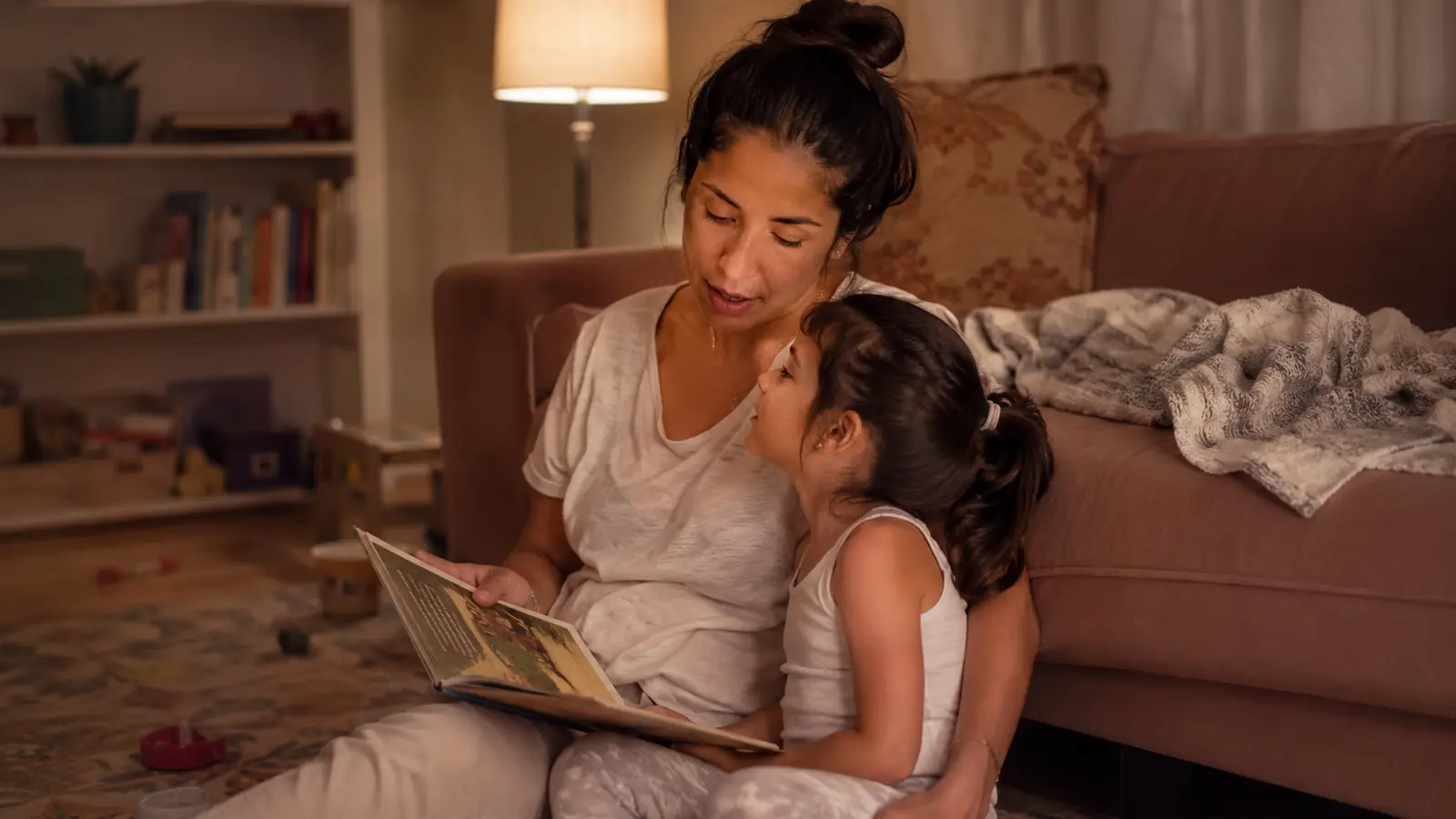
There is a box in the loft with nineteen Christmas books in it. Last December we read four, one of them eleven times, and the eleven-times one was a library book that was not in the box at all.
Which is roughly the whole argument. Reading with children in December is not a curating problem, it is a routine problem.
This is not the same job as choosing books to give, which is a shopping question and one we have written about separately. This is about what actually gets read in the twenty-four evenings between now and the day.
The library first, and the timing matters
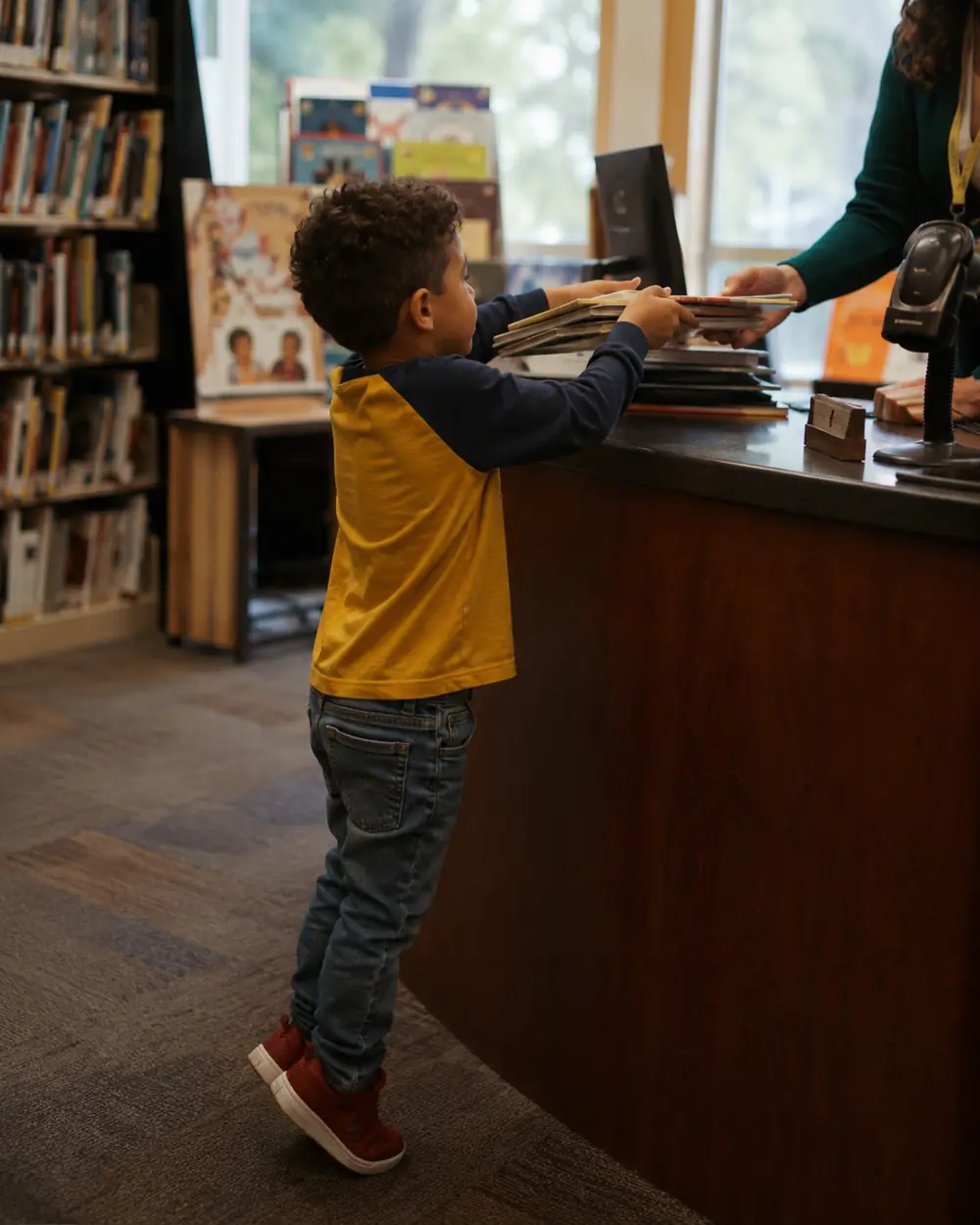
Seasonal picture books are the most reserved items of the year. The hold lists get silly around the end of November. Put a dozen on hold in the first week and they arrive in a useful trickle instead of all at once.
Borrowed also solves the storage problem nobody talks about. Christmas books are read for four weeks and stored for forty-eight, and a loft box of them is a slow accumulation of guilt. Buy the two your family genuinely reveres. Borrow the rest.
Ask the librarian, out loud, for something you have not heard of. It is the most underused free service in any town. And in a month when everyone is grabbing the same six titles off the display, a children’s librarian is usually delighted to be asked.
What the research says about doing this at all
Jessica Logan and her colleagues at Ohio State University put a number on this in 2019. They worked out how much language a child picks up from being read to, and published it in the Journal of Developmental and Behavioral Pediatrics. It is the clearest number in the whole pile of reading research.
Children read to five times a week from birth heard about 1.4 million more words by the age of five. That is compared with children who were never read to. Even one book a day put the gap near 300,000 words.
The point is not that you should feel guilty in December. The point is that a habit taking eight minutes has an effect that big. And December is the easiest month to start one, because there is a stack of books and a countdown already running.
Jim Trelease made the wider case decades ago in The Read-Aloud Handbook, and the part of his argument that gets overlooked is the one about age. Children can listen to and understand books well beyond what they can decode themselves, which means reading aloud to a nine year old is not babying them. It is giving them a vocabulary they cannot yet reach on their own.
Choosing by age, briefly
- One to three. Board books, rhyme, and things that survive being chewed. They will want the same one every night. Let them.
- Three to six. The picture book sweet spot. Look for a story with a real problem in it, not a tour of festive scenery. Same test we use for books about feelings.
- Six to nine. Longer picture books and first chapter books. A chapter a night through December works beautifully and gives the month a spine.
- Nine and up. A read-aloud chapter book they would not pick themselves. This is the age most families stop, and it is the age where it pays best.
The child who will not sit still
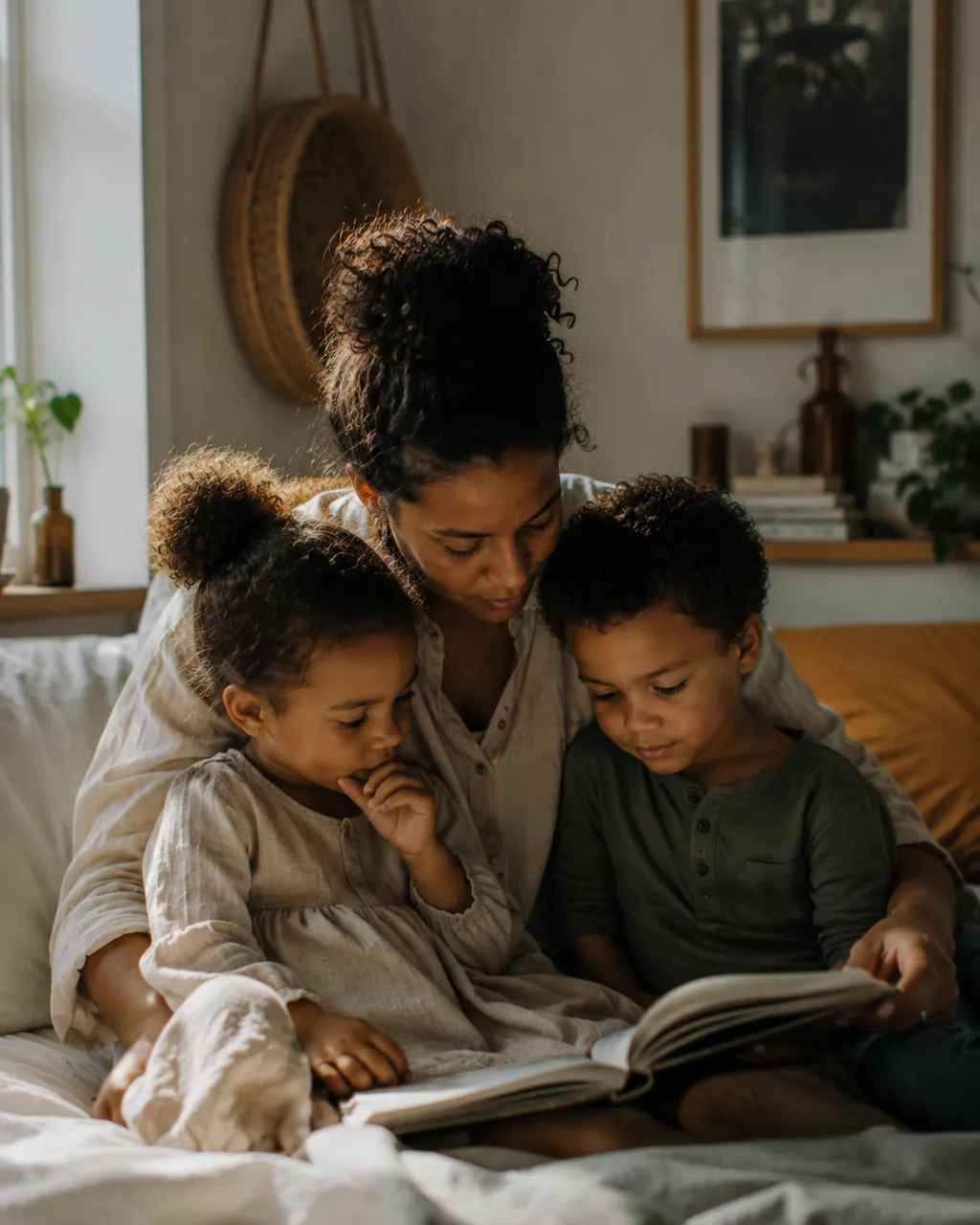
Listening and sitting still are two different skills and only one of them is required. A child doing Lego on the floor is very often taking in every word. Asking them to sit properly turns a nice eight minutes into a negotiation.
Things that work: reading while they draw, reading in the car, reading the same page twice in a silly voice, letting them turn the pages, and stopping mid-story on purpose. Stopping early is much better than pushing to the end of a book nobody is enjoying. You are building a habit, not completing a task.
And if a child fixes on one book and demands it thirty times, that is not a failure of your curation. Repetition is how young children move a word from recognizing it to owning it, and the thirtieth reading is doing more for them than a thirtieth different book would.
Where the eight minutes come from
Not from adding a reading slot to a December evening, because there isn’t one. From attaching it to something that already happens. After teeth, before the light goes out, same place, every night. An anchor beats an intention.
Whoever is doing bedtime does the reading, which means it survives shifts, late nights and one parent being out. Grandparents on a video call can read a page. An older sibling reading to a younger one counts, and is often better than either of you managing it.
Some nights it will not happen. Twenty-four evenings, sixteen books read, one of them four times. That is a good December, and it is nothing like the box in the loft suggested it should be.
Leave the first comment
Share your thoughts
Frequently asked questions
Six to ten in a visible stack is plenty for a month, and most of them can be borrowed. A large owned collection tends to be read less than a small borrowed one, because a stack of six feels achievable and a shelf of twenty does not.
Early November. Seasonal picture books are the most reserved items of the year and the hold lists get long from the end of November, so ordering early means they arrive spread out rather than all at once or too late.
Yes. Children can follow and enjoy books two or three years above the level they can decode themselves, so reading aloud to an eight or nine year old gives them vocabulary and story structure they cannot yet reach independently.
Researchers at Ohio State estimated in 2019 that children read to five times a week from birth hear roughly 1.4 million more words by age five than children who are never read to. Even one book a day accounts for a gap near 300,000 words.
Listening and sitting still are separate skills. Let them build, draw or fidget while you read, keep sessions short, and stop before the end if interest goes. A child on the floor with Lego is usually taking in every word.
Which book changed something at home - and which did you put back?
No right answers here - tell us how it went. Someone reading needs to hear it.
Join the conversation