
My Child Won't Talk About School. What Can I Ask Instead?
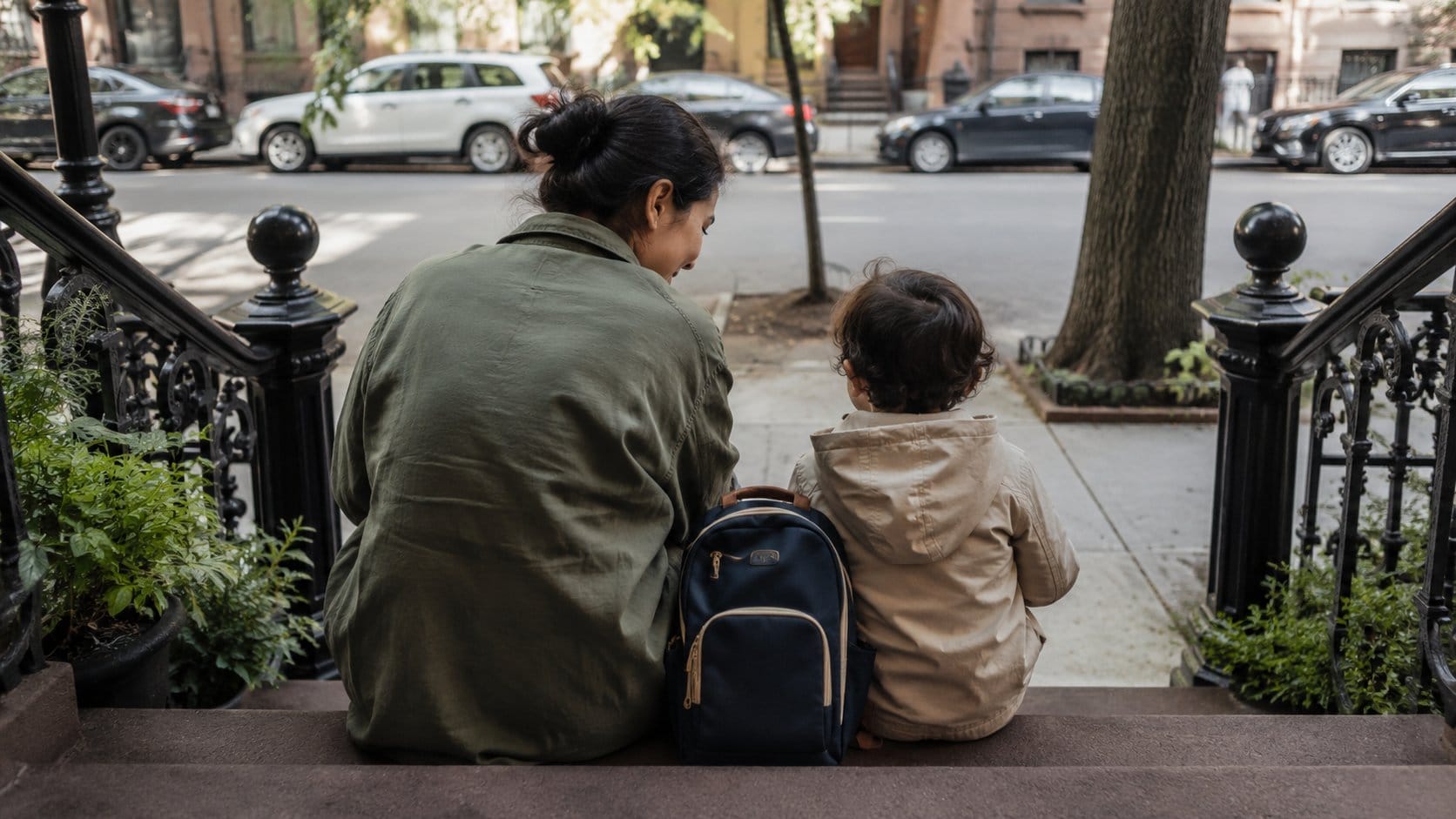
“How was school?” “Fine.” “What did you do?” “Nothing.” You try again because you are not asking for gossip. You are trying to find out whether your child is okay. Then the questions start to feel like a tiny interview neither of you wanted.
A child who will not talk about school may be tired or private. They may still be sorting the day out. They may also worry that an answer will bring more questions. Silence does not automatically mean something is wrong. It also does not mean you have to pretend you are not curious.
That question is too wide after a long day

“How was school?” asks a child to choose from hours of classwork, friendships, lunch, rules, noise, wins, mistakes, and feelings. They may not know where to begin. A shrug can be the quickest way out, especially when their brain is still at the bus stop.
Understood recommends open questions and reminders that a conversation does not have to happen on command. The goal is not one perfect after-school chat. It is a string of small moments where your child learns you can handle the real answer.
Start with something you noticed. “You look wiped out.” “I saw you had art today.” “Your backpack feels like it has bricks in it.” Then let the silence breathe. It can feel a bit daft at first. Keep going anyway.
Try side-by-side moments
Some children talk more easily when eye contact is optional. The car, a walk, folding laundry, making toast, coloring, or lying in the dark at bedtime all count. Face-to-face questions can feel big when a child is carrying a big day.
Share a small piece of your own day first. “I spilled coffee on my notes and felt ridiculous for ten minutes.” Then pause. You are offering a bridge, not performing a monologue. Your child might cross it that day, or two days later while you are looking for clean socks.
For children who melt down the second they get home, protect the landing zone before you ask anything. Our after-school reset routine can help you separate decompression from conversation.
Ask for a scene, not a report
Once your child has had a little space, try one question that has edges. Avoid firing off five at once. Choose the one that fits what you are genuinely wondering about.
- “Who sat near you at lunch today?”
- “What was the weirdest thing that happened in class?”
- “Which part of the day went fastest?”
- “Was there a moment you wanted help with?”
- “What did your teacher say that you remember?”
Questions like these are easier to answer because they give the brain somewhere to start. They also leave room for good news, which matters. If every school question is secretly about trouble, your child will clock that eventually.
If your child gives you a small answer, resist the urge to pull the whole thread right away. Try, “Oh, tell me more when you feel like it,” or just, “That sounds annoying.” Being easy to talk to is less glamorous than finding the perfect question, but it works better.
When silence needs a closer look
Pay attention if a child who usually shares suddenly goes quiet. Look closer if silence comes with dread, stomachaches, sleep changes, avoidance, falling grades, friendship problems or a strong mood shift. You do not need to panic. You do need more information.
If friendship trouble is what the silence is hiding, this helps: what to do when your child says nobody likes them.
Ask the teacher what they are seeing, without putting your child on the spot. “They have been quieter about school lately. Have you noticed anything changing with friendships, work, or transitions?” That gives school a chance to look kindly and specifically.
If the silence seems tied to feeling bad about themselves, the gentle language in what to say when a child says ‘I’m stupid’ can help you keep the door open.
You do not need your child to narrate every minute of school. You need them to know there will be room when a minute matters. That room gets built in crumbs, usually while you are doing something else.
For the days when you sense school is becoming too much:
Frequently asked questions
A child may be tired, private, unsure how to explain the day, or worried that talking will lead to more questions. Some children need time to decompress before they can share. Silence alone does not prove a problem, especially when your child is otherwise settled.
Ask about one small, concrete part of the day. Try “Who sat near you at lunch?” or “What made you laugh today?” Specific questions give your child somewhere to start and are easier to answer than a request to summarize the whole school day.
Try a side-by-side moment when nobody is rushed. A car ride, snack, walk or bedtime can work well. Some children talk more when eye contact is optional and they have had time to settle after school.
Stop pressing in that moment, but keep the door open. You can say, “Okay, I am here later,” and return to ordinary connection. Repeated questioning can make a child protect their privacy more. A low-pressure routine gives them another chance to speak.
Contact school if the quietness is new or lasts for weeks. Also reach out if it comes with school avoidance, physical complaints, friendship worries, a mood change or falling confidence. Ask the teacher for observations about peers, classwork, and transitions rather than asking for a quick conclusion.
Leave the first comment
Share your thoughts

I'm for the parent watching a feeling they can't name and wondering if it's normal. I've spent years close to the child-mental-health research and the specialists behind it, and I carry the heavy parts into plain language. I won't diagnose your child - I'll help you see what you're looking at, and say honestly when it's time to ask someone in person.
More from SofiaWhat's the one thing that calmed the chaos in your house?
No right answers here - tell us how it went. Someone reading needs to hear it.
Join the conversation