
After-School Routine for Kids With ADHD: The 20-Minute Reset Before Homework
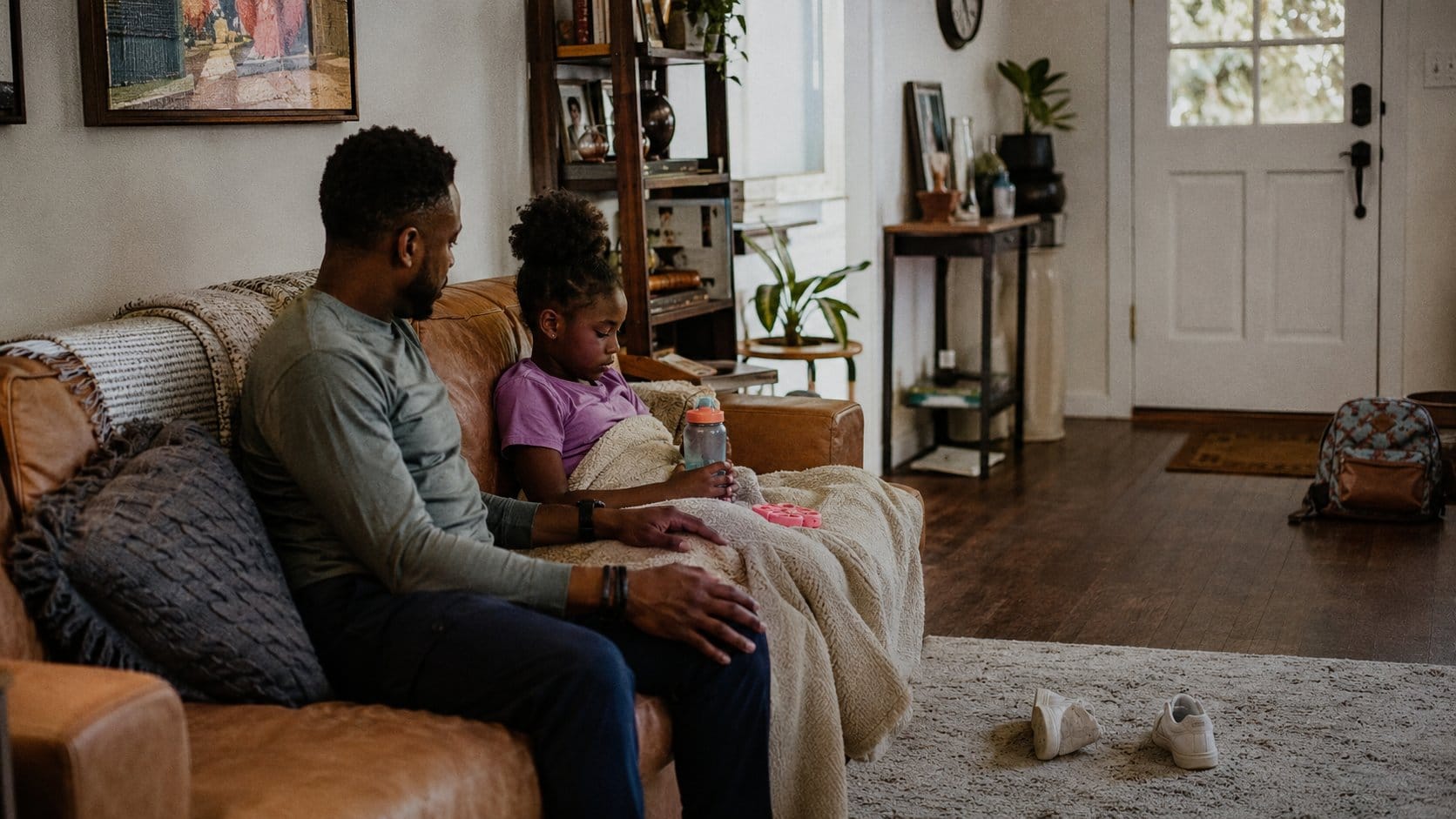
Your child walks out of school looking fine. Maybe even cheerful. Then the front door closes and everything comes apart. Shoes become offensive. Homework is impossible. One normal question turns into tears, shouting, silence, or a full-body flop on the floor.
If your child has ADHD, that after-school crash is not always random. School asks a lot from a brain that is already working hard: sitting still, switching tasks, filtering noise, following instructions, reading the room, remembering the rules, and not exploding when someone taps a pencil for forty minutes.
Why ADHD kids melt down after school
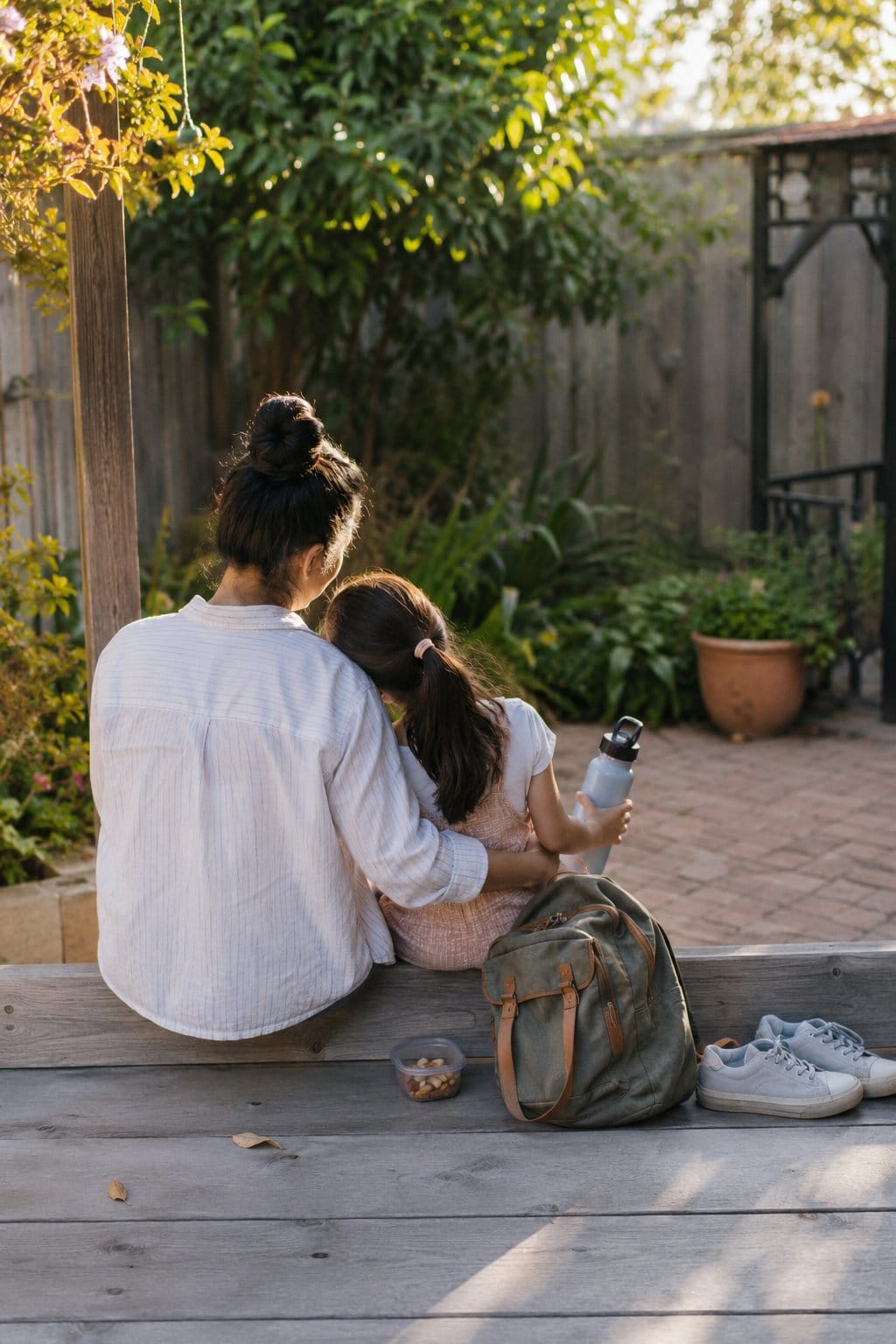
Some kids hold themselves together at school and fall apart at home because home is safe. That does not make the behavior fun. It does make it easier to understand.
All day, your child may be spending invisible effort on things adults barely notice. Keeping their body in a chair. Not interrupting. Coping with the lunchroom. Finding the right worksheet. Ignoring the kid making noises. Remembering where the water bottle went. Then the day ends and the pressure comes off.
That release is often called after-school restraint collapse. It is not a formal diagnosis. It is a useful name for a very real pattern: the child who looked fine at school has nothing left at home.
For ADHD kids, the crash can look like anger, silliness, refusal, tears, hyperactivity, hiding, arguing, or suddenly needing your body within two inches of theirs. The outside behavior changes. The inside message is usually the same: I am done.
The CDC says families, schools, and healthcare providers all have a role in helping children with ADHD succeed at school. That matters here, because after-school behavior often starts with school-day load, not with a child deciding to be difficult at 3:45 p.m.
The 20-minute ADHD after-school reset
The reset is simple on purpose. This is not a productivity system. This is the bridge between school and the rest of the evening.
Try this order for two weeks:
- Snack and water. Do this before questions.
- No big talk. Keep the doorway calm.
- One reset choice. Quiet, movement, or sensory.
- Visual timer. Set it for 20 minutes.
- Then check what comes next. Backpack, homework, screen, dinner, or nothing urgent.
That is it. Not a lecture. Not “tell me everything that happened today.” Not “quick, get homework done before you lose focus.” The first job is to bring the body down from school mode.
A 20-minute reset is long enough to matter and short enough not to swallow the whole afternoon. If your child needs 30 minutes, fine. If 10 minutes works, even better. The point is not the exact number. The point is that recovery comes first.
Snack and water before questions
Do not ask, “Are you hungry?” after school. Assume the answer is yes, or soon will be.
Put out something predictable: protein, fruit, toast, cheese, yogurt, crackers, whatever works in your actual house. Add water. Keep it boring and ready. A hungry ADHD child is not usually in their best executive-function era.
This is also why after-school arguments can seem wildly out of proportion. The backpack strap got stuck, the snack was wrong, and now your child is yelling like the entire system has collapsed. Sometimes it has. Blood sugar, sensory overload, social fatigue, and transition stress are a terrible group project.
Use fewer words
Most parents ask questions because they care. “How was your day? Did you eat lunch? Any homework? Why is your sweater wet? Did the teacher mention the form?”
Fair questions. Bad timing.
Right after school, try saying almost nothing useful. Smile. Open the door. Point to the snack. Use one sentence if needed: “Food first, talk later.”
This is not cold parenting. It is clean parenting. You are reducing the amount your child has to process at the exact moment their processing system is already limping home.
Pick one reset path
Different kids reset in different ways. Some need quiet. Some need movement. Some need pressure. Some need to talk, but only after they have eaten and stopped vibrating.
Offer three simple paths:
- Quiet reset: headphones, dimmer room, book, drawing, blanket, no questions.
- Movement reset: trampoline, wall pushes, walk, scooter, yard, dance break.
- Sensory reset: quiet fidget, therapy putty, crunchy snack, hoodie, calm-down box.
Do not offer twelve choices. That is just another task. Say, “Quiet, movement, or sensory?” If even that is too much, choose the one that usually works and keep the tone boring.
Visual timer for the reset window
A visual timer stops the reset from becoming a vague promise. Your child can see that this is a real break and that it has an end. Set it for 20 minutes, then let the timer do the reminding.

BUNMO Pop Tubes
As an Amazon Associate, Decoded Kids earns from qualifying purchases. Price checked live on Amazon.
Build an after-school decompression box
A decompression box is not a reward box. It is not a behavior chart in a basket. It is a small, visible place where the first 20 minutes live.
Use a basket, shoe box, plastic bin, or drawer. Put it where the crash usually happens, not where a lifestyle photo would put it.
Good things to include:
- A water bottle or cup nearby
- A snack plan or snack card
- One quiet fidget or therapy putty
- Headphones if sound is hard
- A visual timer
- A small “first 20 minutes” card
- A pencil and tiny notepad for kids who process by drawing
Do not overfill it. A calm-down box with twenty-seven options becomes a shopping aisle. The goal is to remove decisions, not create a tiny museum of coping tools.
Headphones or a quiet fidget for the landing strip
If your child leaves school already overloaded by noise, a softer home landing matters. Headphones can help in loud kitchens or shared rooms. A quiet fidget can help hands settle while the mouth is still too tired to talk.
Should homework happen right after school?
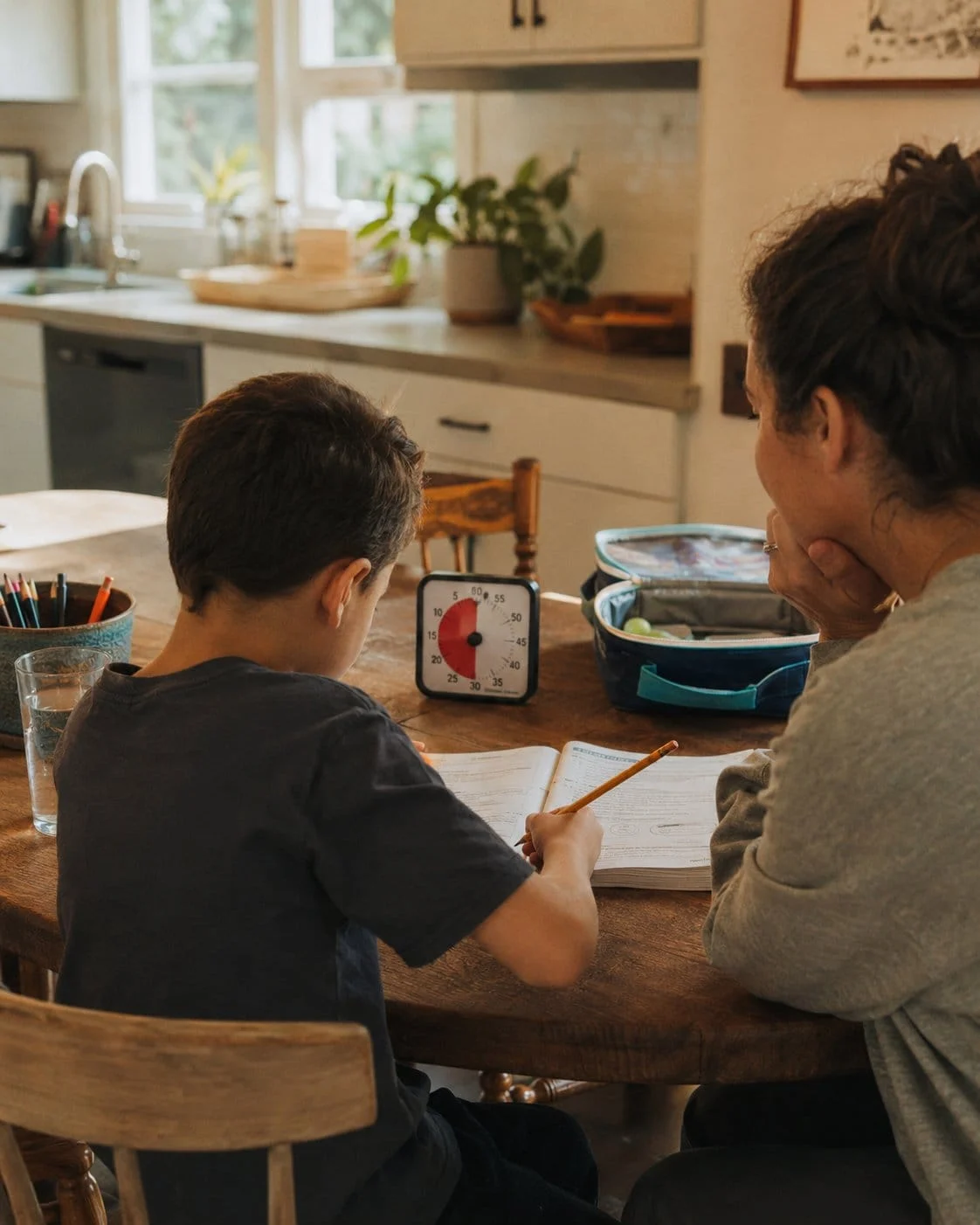
For some children, yes. They come home, eat, do homework, and then relax. Lovely. Keep that if it works.
For many ADHD kids, immediate homework is throwing a match into dry grass. Their brain has already spent the day doing hard things. Asking for more focus before recovery can create worse work, more arguments, and a child who starts to treat homework like a daily threat.
Try this instead: reset first. Then one tiny homework check. Not “finish all homework.” Just “what is due?” or “show me the first thing.” If the page looks huge, cover most of it. If writing is the fight, start with one answer. If time is the fight, set a short visual timer.
Use an after-school routine chart if words keep failing
If you keep repeating the same steps every day, stop making your mouth do all the work. Put the routine where your child can see it.
Keep it brutally short:
- Shoes off
- Snack and water
- Reset choice
- Timer
- Homework check
That is enough. You can make it prettier later. At first, it just needs to be visible, readable, and close to the actual landing zone.
A visual schedule works best when it is not treated like a command poster. Point to it. Say, “Next step.” Let the chart carry the boring instruction so you can stay human.
What if your child explodes anyway?
Then the reset is not a failure. It is information.
Check the basics first. Was the day different? Substitute teacher, fire drill, friendship drama, skipped lunch, wet socks, medication wearing off, too many clubs, too much noise, not enough sleep? ADHD crashes often look sudden from the outside because the earlier warning signs happened somewhere else.
During the meltdown, keep the job smaller. Safety first. Fewer words. No teaching. No “this is why you should have used your routine.” Nobody learns a helpful lesson while their nervous system is throwing furniture around inside.
Later, when your child is calm, repair without turning it into a courtroom. Try: “After school is rough right now. Tomorrow we are going to do food, quiet, timer. I will help your body land first.”
When to talk to school or a clinician
Bring in extra support if the after-school crash is intense, daily, unsafe, or shrinking your child’s life. Also ask more questions if your child suddenly refuses school, complains of stomach aches every afternoon, cannot sleep, seems unusually withdrawn, or says something worrying about themselves.
You can also ask the teacher what the last hour of the school day looks like. Some kids are not melting down because home is the problem. They are melting down because the final stretch of school is too loud, too social, too rushed, or too unsupported.
The goal is not to blame school or blame home. The goal is to find the pressure point and lower it.
An ADHD after-school routine does not need to be cute. It needs to be repeatable when everyone is tired.
Food first. Fewer words. One reset choice. Visual timer. Homework after the body lands. That is the whole move.
Some afternoons will still go sideways. Fine. You are not building a perfect child. You are building a softer landing.
Affiliate disclosure: This guide contains affiliate links. Decoded Kids may earn a commission at no extra cost to you. We only recommend tools that make sense for real family life.
Frequently asked questions
Many ADHD kids spend the school day managing attention, noise, rules, transitions, and social pressure. When they get home, the effort drops and the emotions come out. It can look like anger, refusal, tears, silliness, or withdrawal.
Some children can, but many ADHD kids do better with a short reset first. Try snack, water, low talk, and a 20-minute decompression window before checking homework.
It is a predictable low-demand routine after school that helps a child recover before chores or homework. A simple version is snack, quiet or movement, sensory support, visual timer, then one next step.
Keep it simple: a visual timer, quiet fidget, headphones if sound is hard, a snack plan, water nearby, and a small card showing the first 20 minutes. Too many choices can make the box less useful.
Start with 20 minutes. Some children need 10 minutes, others need 30. The best length is the shortest reset that helps your child move into the next part of the day with less friction.