
When Your Child Says “Nobody Likes Me,” Don't Rush to Prove Them Wrong
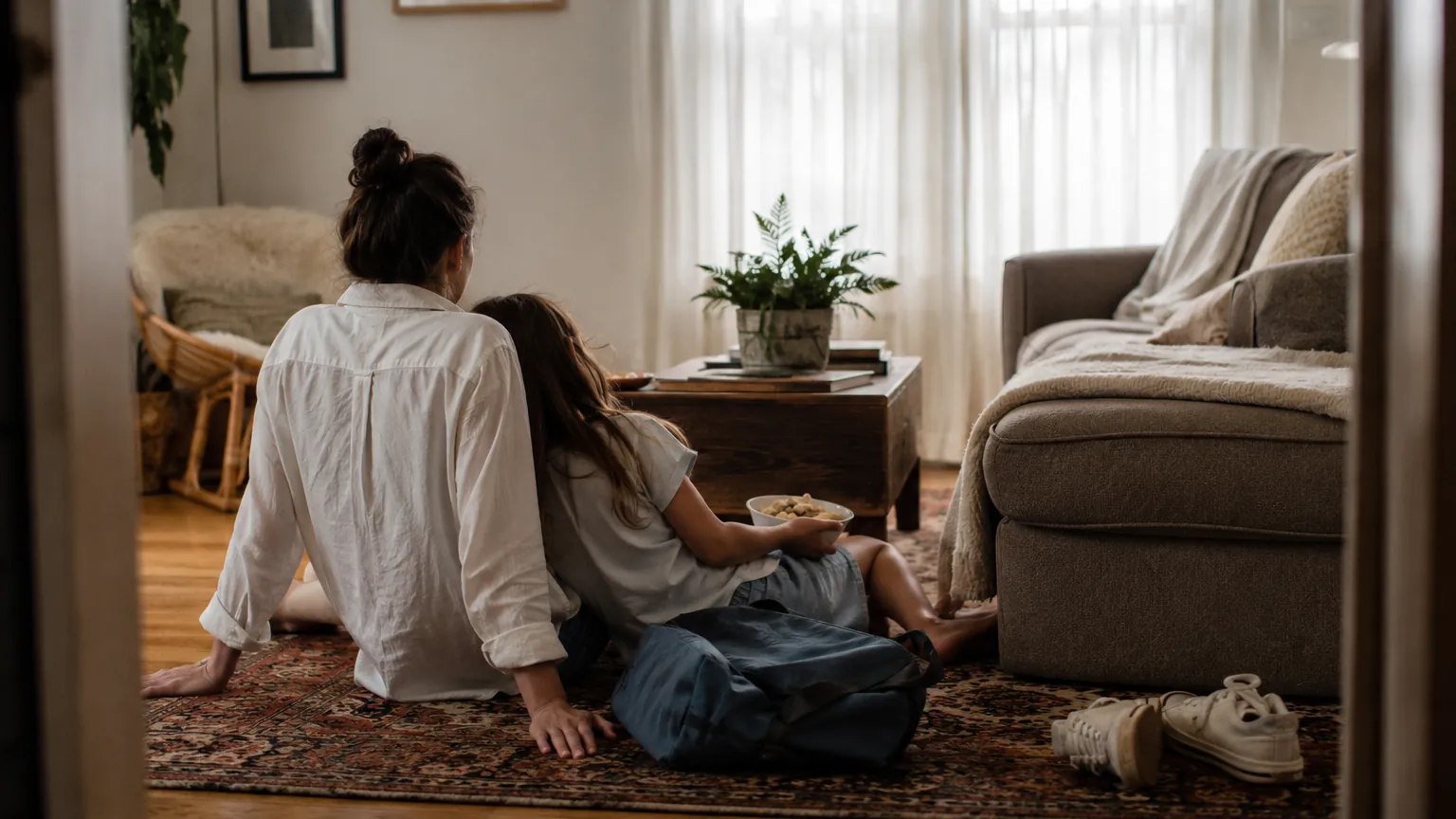
Your child drops their backpack, stares at the floor, and says, “Nobody likes me.” Every protective part of you wants to answer fast: “That is not true. Maya likes you. You played with Noah last weekend.” You are trying to hand them hope. But to a hurt child, proof can sound like, “Your version of today is wrong.”
When a child says nobody likes me, that one sentence can cover a lot. One friend said no. A game moved too fast. Recess felt lonely. An old friendship quietly changed. Or your child is reaching for the biggest words they have to describe a very specific ache. You do not need to work out which one in the first ten seconds. Age shifts the meaning too, and a 5-year-old and a 7-year-old are usually describing different things.
Do not debate the headline
“Nobody likes me” is usually an emotional headline, not a carefully audited social report. If you argue with it, your child may defend it harder. If you agree too quickly, you may deepen the hopelessness. The middle path is validation without confirmation.
Try one of these:
- “It felt like nobody wanted you there today.”
- “Oof. That sounds lonely.”
- “I am glad you told me. What happened right before you felt that?”
- “Do you want me to listen, help you think, or just sit with you?”
Clinical psychologist Eileen Kennedy-Moore advises parents to get curious about the situation instead of rushing into reassurance in her discussion of what children may mean when they say nobody likes them.
Your child’s feeling still matters. It tells you what the social world felt like from inside their body today. That is useful information even when classmates would describe the day differently.
Turn “nobody” into one observable moment
After the first wave settles, gently zoom in. Ask, “Was this in class, at lunch, or at recess?” Then: “What did you try?” and “What happened next?” Avoid a rapid interview. One clear scene is enough.
Listen for different kinds of problems:
- Access: your child did not know how to enter an ongoing game.
- Mismatch: they want one close friend while the other child prefers a group.
- Skill: interrupting, controlling the rules, or missing signals is pushing peers away.
- Conflict: one repairable argument has become “always” and “nobody.”
- Exclusion or bullying: peers repeatedly use power to isolate, humiliate, or threaten.

This distinction matters because each problem needs a different response. A child who cannot enter a soccer game needs a practice line. A child being targeted needs adult protection. A child grieving a changed friendship may need time and a wider social circle, not a forced reunion. Protecting a targeted child gets easier once you understand why some children bully others in the first place.
If your child turns the event against themselves, use the same steady approach from our guide on what to say when a child says “I’m stupid”: name the pain, separate identity from one moment, and get specific.
What this sounds like at 5, 7, or 9
Same four words, different meaning, depending on how old your child is.
At 5 or 6, “nobody likes me” usually means “nobody played with me in the last ten minutes.” Friendships at this age run on whoever happens to be standing nearby. The hurt is real. It can also be gone by dinner.
Around 7, kids start keeping score. They notice who got picked and who sat where. If your child is 7 years old and says nobody likes them, they are usually pointing at one rejection that stung, not the whole class. Ask about that moment.
By 8 or 9, the groups get stickier and gossip arrives. Loneliness tends to last longer here, because your child now measures their social life against everyone else’s. This is the age where a repeating pattern deserves a quicker look from school.
So the younger your child, the more you are coaching one moment. The older they get, the more you are watching for a pattern.
Give one small social move, not a personality makeover
Wait until your child is regulated before practicing. Then choose one move that fits the scene. For joining play: “Can I be the goalkeeper?” works better than “Can I play?” because it offers a role. For reconnecting after conflict: “Yesterday got weird. Want to start over?” is short enough to use under pressure.
Keep the experiment small. Invite one compatible child for a structured, time-limited activity. Choose something both children can do side by side, such as baking, building, drawing, or a playground visit. Ninety calm minutes can create more connection than an open-ended afternoon with three children and no plan.
Do not make being popular the target. Aim for one or two relationships where your child can be safe, reciprocal, and themselves. Many children thrive with a small social world.
Use the two-week pattern before deciding what this means
For the next ten school days, keep a light record: what your child reports, when it happens, whether the same names appear, and any changes in sleep, stomachaches, school resistance, or mood. You are looking for frequency and impact, not building a legal case.
Contact the teacher with neutral questions: “We are hearing that recess feels lonely. Could you observe who she approaches, how peers respond, and where things break down?” Teachers may see a child who circles a group but never joins. Or a friendship that changes by the day. Sometimes they spot a pattern of exclusion the adults missed.
Resources such as GreatSchools’ guidance on responding to friendship distress also emphasize listening and gathering context before intervening. Ask school for a practical next step: a lunch group, a buddy for one transition, a structured recess option, or support repairing a specific conflict.
If your child’s social pain often comes out as explosions, our guide to when anxiety looks like anger can help you read the behavior underneath the words.
One lonely afternoon is painful, but it is not a forecast. A repeating pattern deserves adult attention, but it is still a pattern that can change. Your calm curiosity tells your child something important: “You are not alone with the feeling, and we can look at what happened without deciding that it defines you.”
Frequently asked questions
Start with the feeling, not evidence: “That sounds really lonely. What happened today?” Then listen for one specific moment. Avoid immediately listing friends or saying the claim is untrue. Your first job is to make the story safe enough for your child to tell.
Contact the teacher when the same concern repeats, your child dreads school, or you suspect exclusion or bullying. Ask for observations rather than demanding a conclusion: who your child approaches, what happens at recess, and whether there are structured chances to connect with compatible classmates.
Practice one small move at home, such as joining a game or inviting one child to a short activity. Create opportunities, then let your child do the social work. Avoid messaging other parents in anger or forcing a friendship before you understand what is happening.
A friendship problem may be a conflict, a changing group, or a child who needs help joining in. Bullying is repeated, targeted use of power to isolate, humiliate, threaten, or harm. Ask for specific examples and involve school quickly when the pattern is repeated or unsafe.
Seek professional support when loneliness persists for weeks and comes with withdrawal, sleep or appetite changes, frequent physical complaints, hopelessness, self-harm talk, or loss of interest in usual activities. Take any statement about not wanting to be alive seriously and get immediate help.
Start with the feeling, then get small. Try, “That sounds lonely. What happened right when you felt that?” At 7, this is usually one rejection that stung rather than the whole class. Pick one thing to try tomorrow, like asking for a role in a game instead of asking to play. Then watch for two weeks before you call it a pattern.
It is common. Around 7, children start noticing who gets picked and who sits where, so rejection lands harder than it did at 5. A rough week is normal. Weeks of it, plus school refusal or stomachaches, is worth a message to the teacher.
Leave the first comment
Share your thoughts

I'm for the parent whose mornings keep falling apart. I didn't train in ADHD - I lived it with three kids, then read the actual studies, so what you get here holds up in a real kitchen at 7:50 a.m. Specific, tested at home, never preachy.
More from MarcusWhen did you last feel out of your depth - and what helped, even a little?
No right answers here - tell us how it went. Someone reading needs to hear it.
Join the conversation