
9 Things for the Kid Who Will Not Sit Through Dinner

They were at the table. Now they are behind you, doing something to the dog.
It is worth separating two things that get argued about as one. A child who will not eat is a food conversation. A child who will not stay in the chair is a body conversation, and no amount of talking about broccoli touches it. Plenty of children eat perfectly well and cannot hold still for twenty five minutes.
Everything below is aimed at the chair rather than the plate. If the eating itself is the worry, our piece on who is responsible for what at mealtimes is the better place to start.
Nine things in three groups. Ratings are live Amazon ratings, never ours.
- 1
 A cotton weighted lap blanketBest if you only buy one thing
 - 2
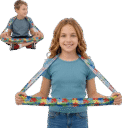 A bouncy band for the chair legsBest for feet that need to move
 - 3
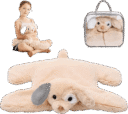 A five pound lap padBest for an older child
 - 4
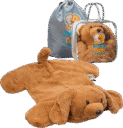 A weighted animal that sits on the lapBest for a child who refuses anything clinical
 - 5
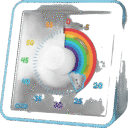 A sixty minute visual timerBest for making the meal a known length
 - 6
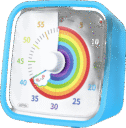 A disk timer with a hard caseBest for a table where things get knocked
 - 7
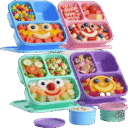 Divided containers for the plateBest for the child overwhelmed by a full plate
 - 8
 A cup that does not get knocked overBest for removing one daily argument
 - 9
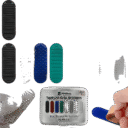 Textured stickers under the table edgeBest for hands that need a job
Group one
The things that give the body something to do

A restless child at a table is usually looking for pressure or movement. If they cannot find it in the chair they will get up and find it in the room, and that is the whole mechanism.
Weight on the lap is the quietest way to supply it. It is not a restraint and it should never feel like one. It is a steady load the child can push their legs against without anybody noticing, which is exactly why it works at a table full of people. We compared the formats in weighted blanket or weighted vest.

Sivio Cotton Weighted Lap Blanket
As an Amazon Associate, Decoded Kids earns from qualifying purchases. Price checked live on Amazon.
A band stretched between the front chair legs does the opposite job and suits a different child. Instead of holding still they get to push and bounce, silently, under the table. Worth being straight about this one: it is the most on target product on the list and it has only a handful of ratings so far, so treat the score as thin rather than proven.
For an older child, a proper five pound pad is usually better than a blanket, because it stays put when they lean forward to eat.
And for the child who rejects anything that looks like equipment, the same weight inside a soft animal gets accepted without a discussion.
Group two
The things that make the meal a known length
Children leave the table partly because it has no visible end. An adult knows dinner takes twenty minutes. A seven year old experiences it as indefinite, and indefinite is intolerable when your body wants to move.
A timer set to something honest is a small change with a large effect. Set it short at first. A child who stays for the whole of a twelve minute meal has succeeded, and success is what you are trying to build. We went through the models in the best visual timers for kids.
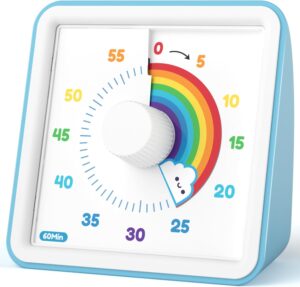
LIORQUE 60 Minute Visual Timer for Kids, Visual Countdown Timer for Classroom Office Kitchen with…
On a table where elbows and cups happen, the version in a hard case lasts longer. Same idea, fewer replacements.
Group three
The things that change what is in front of them
The last group is about lowering what the table is asking of the child. A full plate reads as a task. A cup that tips reads as a warning. Both of those pull attention away from the only thing you want, which is staying seated.
Divided containers do something simple and slightly surprising. Separating the food into compartments makes the meal look finishable, and finishable is what keeps a child in the chair for the last five minutes.
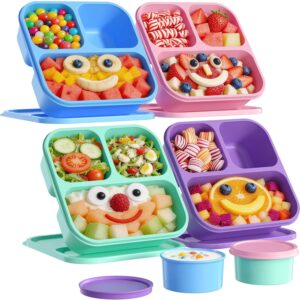
The cup is the least interesting item here and it removes an argument that happens most days. That is worth more than it sounds at the end of a long week.
Textured stickers stuck to the underside of the table edge give restless hands a legal target. It sounds odd until you watch a child use one, and then it is obvious. There are more ideas in the same direction in our regulation activities piece.
What we would skip this year
A reward chart for staying at the table. It turns dinner into a performance with a judge, and the children it is aimed at are usually the ones who cannot deliver on demand. When it fails, they have now failed publicly at eating.
A tablet propped against the water jug. It works, and that is the problem. The child stays in the chair without ever learning to, and you get the same conversation again in a year with a bigger child.
A special posture chair bought before checking the feet. A box under the feet costs nothing and fixes a good share of these cases. Try that for two weeks before spending real money on seating.
The honest caveat: restlessness at the table has a lot of causes, including hunger timing, tiredness and being five. Nothing here is a diagnosis or a substitute for one. Ratings are live Amazon ratings pulled from our product library rather than typed in by us.
More on mealtimes, movement and regulation
Frequently asked questions
Most often the body is looking for movement or pressure that the chair is not giving it. Dangling feet, a hard seat and a meal with no visible end all make it harder. It is worth checking those three before treating it as behavior, because two of them are free to fix.
Far less than most family meals last. Somewhere around five minutes per year of age is a realistic ceiling for many children, so ten to fifteen minutes at five or six. Setting a shorter meal that they complete works better than a long one they are sent back to three times.
Many families find they help a restless child stay seated longer, and the effect is usually immediate or not there at all. Use the lightest option that works, keep it on the lap rather than the shoulders, and let the child take it off whenever they want. If it is being resisted, it is not the right tool for that child.
Leave the first comment
Share your thoughts

I'm for the parent whose mornings keep falling apart. I didn't train in ADHD - I lived it with three kids, then read the actual studies, so what you get here holds up in a real kitchen at 7:50 a.m. Specific, tested at home, never preachy.
More from MarcusWhat finally made your child's focus click - even a little?
No right answers here - tell us how it went. Someone reading needs to hear it.
Join the conversation