
“I’m Bored” Is Where the Good Summer Actually Starts
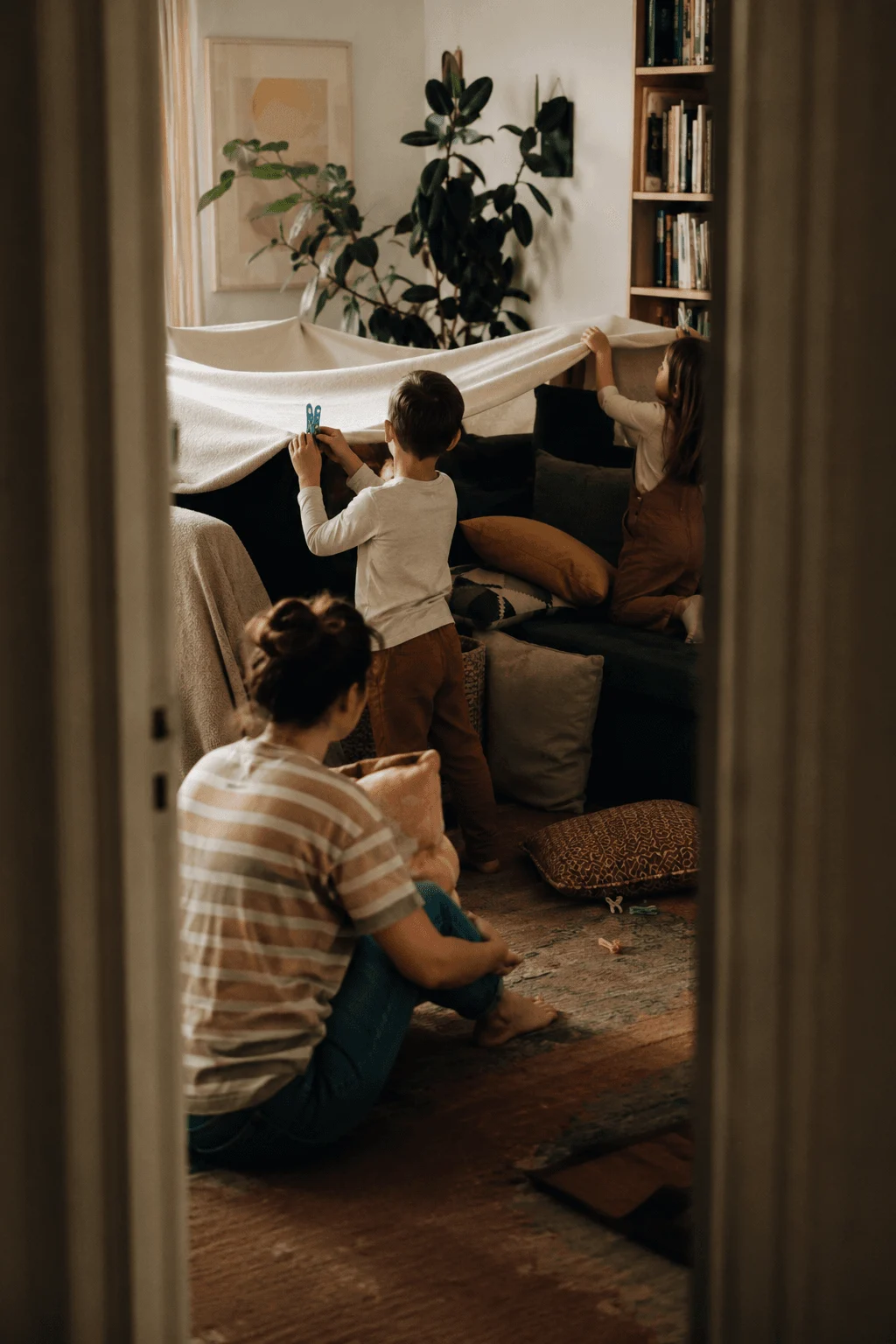
Ten minutes into summer break, you hear it. “I’m bored.” Your first instinct is to fix it, fast, hand over a tablet, suggest an activity, fill the silence before it turns into whining.
Here’s the reframe that actually helps: that flat, restless feeling isn’t a problem to solve. It’s the exact moment right before something more interesting happens.
Boredom isn’t empty. It’s just quiet enough that your kid’s own ideas finally get a turn to speak.
Winter works the same way, only indoors and with less daylight, which makes it a harder week to leave empty.
What boredom is actually doing in there

Psychologist Sandi Mann has spent years studying this exact feeling. Her research found that boredom works like a search, the brain looking for stimulation it can’t find in the moment, so it starts generating that stimulation internally instead.
A screen shortcuts that whole process. It supplies the stimulation instantly, from the outside, so the mind never has to go looking. That’s exactly why unstructured, screen-free time matters more in summer than any other season, it’s the block of hours with nothing already scheduled to fill it.

Origami Paper Double Sided 200 Sheets with Assorted 20 Colors, 6 Inch Square Colored Origami Sheets…
As an Amazon Associate, Decoded Kids earns from qualifying purchases. Price checked live on Amazon.
What to actually do with the “I’m bored” moment
A few things make screen-free time easier to sit through, for both of you:
- Don’t rescue it immediately. Give it a few minutes before offering an idea. That gap is where their own idea usually shows up.
- Keep low-effort materials around, not a plan. A box of art supplies, an old sheet for a fort, sidewalk chalk, cost nothing and don’t require you to run the activity.
- Say yes to the mess. A blanket fort that eats the living room for a day is the actual point, not a side effect to manage.
The uncomfortable part is usually yours
Be honest about whose discomfort you’re actually solving. When a kid whines “I’m bored,” the person who can’t stand it is often the adult in the room. The whining grates, the guilt creeps in, and handing over a screen makes the noise stop for everyone, including you.
That’s worth noticing, because it changes the job. You’re not rescuing your child from a bad feeling. You’re sitting with your own itch to fix it. Tolerating a few minutes of “there’s nothing to dooo” without leaping in is the actual skill, and it’s yours to build, not theirs.
The good news: it gets easier fast. Once you’ve watched boredom turn into a blanket fort a few times, the flat, restless stretch stops reading as a problem and starts looking like the runway it actually is.
Let this summer be a little slower
You don’t need a plan for every hour. Some of the best summer memories come from the afternoons nobody organized at all.
Frequently asked questions
Yes, research on boredom shows it prompts the brain to generate its own stimulation, which supports creativity, problem-solving, and independent play. Constantly filling every quiet moment can prevent a child from developing that skill.
Open-ended, low-effort options work best: building a fort, sidewalk chalk, water play, a box of art supplies, or simply unstructured outdoor time. The goal is materials without a plan, letting the child decide what to do with them.
Resist the urge to solve it immediately. Give it a few minutes of genuine boredom before stepping in with a suggestion, since that gap is often when a child’s own idea for what to do shows up.
Screens provide instant external stimulation, which can shortcut the internal process that produces creative or imaginative play. Regular unstructured, screen-free time gives that internal process more room to develop.
There’s no strict number, but building in stretches of the day with no planned activity at all, even an hour, gives a child’s own ideas room to surface without adult direction filling the space first.
Leave the first comment
Share your thoughts

I'm for the parent mid-meltdown - theirs or the kid's. I write from the actual floor of it: the crying that won't stop, the dinner thrown, the bedtime that unravels. Blunt because I respect you too much to pretend it's easy. Just what tends to actually work.
More from NourWhat's the one thing that actually calmed the chaos in your house?
No right answers here - tell us how it actually went. Someone reading needs to hear it.
Join the conversation